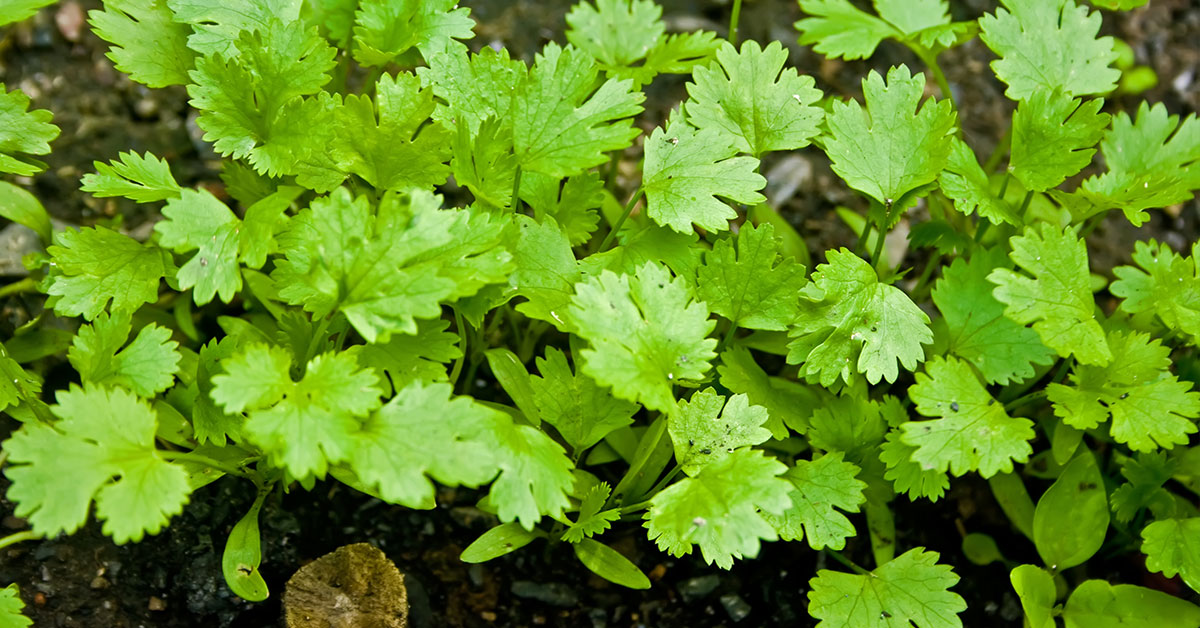

Growing cilantro (Coriandrum sativum), native to the Mediterranean and southwestern Asia, can feel like catching lightning in a bottle—one minute you have tender, lacy leaves, the next it surges into bloom! While cilantro isn’t truly invasive, it self-seeds readily, popping up in spots long after you’ve forgotten where you planted it. I’ve learned the hard way that a little planning goes a long way in taming this aromatic herb’s exuberance.
I know how frustrating it is to nurture a patch of cilantro only to watch it bolt overnight or vanish in a wave of damping-off. Whether you’re sowing seeds directly, transplanting seedlings, or growing in containers by your door, avoiding these 11 common missteps will help you enjoy crisp, citrusy leaves and those delicate umbels that attract parasitic wasps, hoverflies, and even nesting solitary bees!
Using stale seeds

Nothing’s more disappointing than a tray of bare soil when you’re eager for cilantro’s fresh scent. Old or improperly stored seeds lose viability quickly, leading to patchy germination and wasted effort. I once used last year’s seeds and waited two weeks before realizing nothing would sprout!
Fresh seeds sown within six months of harvest germinate best. Since cilantro is native to regions with a brief sowing window, its seeds are accustomed to quick cycles—treat them the same way. Store seeds in a cool, dry spot or the fridge, and you’ll see vigorous sprouts that soon draw hoverflies to their tiny umbels as they mature.
Overcrowding your seedlings
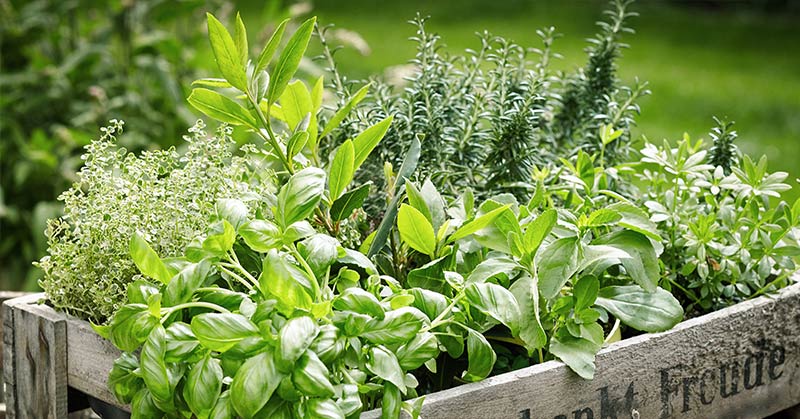
I used to broadcast cilantro seeds willy-nilly, only to end up with a tangled mass of stems. When plants compete for light, water, and nutrients, they grow spindly and pale—far from the robust, bushy clumps that yield generous harvests!
Aim to thin seedlings or space transplants about 6–8 inches apart. This gives each plant room to develop strong roots and lush foliage. The extra airflow also reduces fungal risks, while the open ground beneath flourishing plants invites ground-nesting bees to burrow in the loose Mediterranean-style soil mix you’ve prepared.
Ignoring cilantro’s bolting behavior
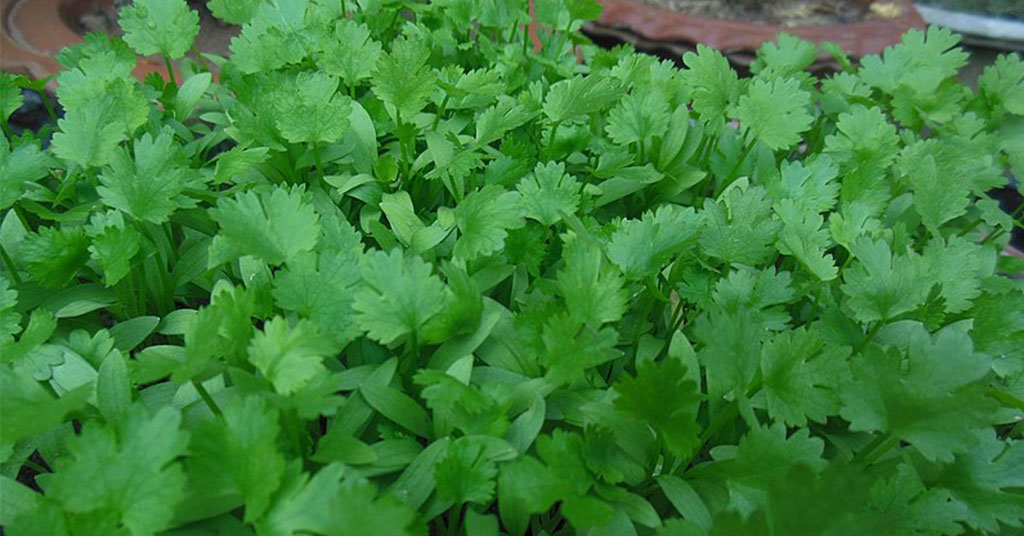
Cilantro bolts—that is, shifts from leaf production to flowering—quickly in heat or when left too long. Once it bolts, the leaves turn bitter, and you lose your harvest! I remember admiring my own umbels one morning, only to regret it when no more tender leaves appeared.
To delay bolting, sow in cool weather (spring or fall) and choose bolt-resistant varieties. When umbels appear, you’ll actually benefit: those delicate white flowers attract parasitic wasps and predatory hoverflies that help control aphids elsewhere in your garden. But be ready to snack on leaves first, before the plant transitions!
Skipping succession sowing

Cilantro’s quick life cycle means a single sowing soon turns into empty pots or weedy volunteers. Without successional planting every two to three weeks, you’ll face gaps in your supply or an overabundance of bolted plants. I once endured cilantro famine midsummer, wishing I’d staggered my sowings!
Keep your kitchen supplied by sowing a handful of seeds regularly. That way, as one batch flowers—drawing butterflies and solitary bees to their umbels—a younger crop is ready to take its place, ensuring you always have fresh foliage without letting the patch become a wild miniature meadow.
Neglecting soil preparation

Planting cilantro in unamended clay or sandy beds can stunt growth and produce floppy, weak plants. This Mediterranean-native herb prefers loose, fertile soil with good drainage. I once tucked seeds into compacted ground and watched them struggle to push forth!
Work in compost or well-rotted manure before sowing, maintaining a pH around 6.2–6.8. Adding coarse sand or perlite mimics the gritty soils of its native habitat. Healthy roots lead to vigorous foliage—and when your cilantro eventually flowers, that well-drained mix becomes a welcome nesting site for ground-dwelling bees.
Overwatering or underwatering inconsistently
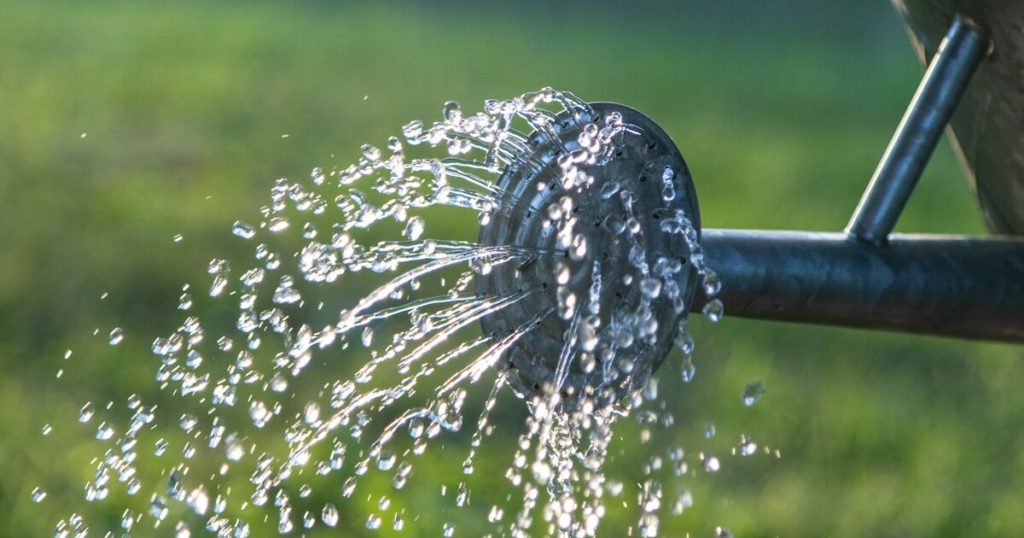
Too little water leaves cilantro wilted and dry, while too much invites root rot and fungal diseases. I once let a heatwave parch my patch, then drenched it so heavily that seedlings collapsed in soggy soil!
Aim for consistent moisture—about 1 inch per week—adjusting for rainfall. Water at the soil level to keep foliage dry, reducing risks of downy mildew. A soaker hose or drip system works wonders here, and the moist earth beneath flourishing herbs becomes a cozy retreat for tiny beneficial insects.
Letting pests go unchecked

Aphids, slugs, and caterpillars love cilantro’s tender leaves. Ignoring these invaders can decimate your crop before you even harvest a sprig! It’s such a bummer to see holes in your lacy foliage.
Thankfully, cilantro’s umbels are magnets for predatory insects—ladybugs, lacewings, and parasitic wasps. Encourage these allies by letting a few plants flower and by avoiding broad-spectrum pesticides. Hand-picking larger pests and using organic barriers keeps your patch healthy without disrupting its mini-ecosystem.
Harvesting incorrectly
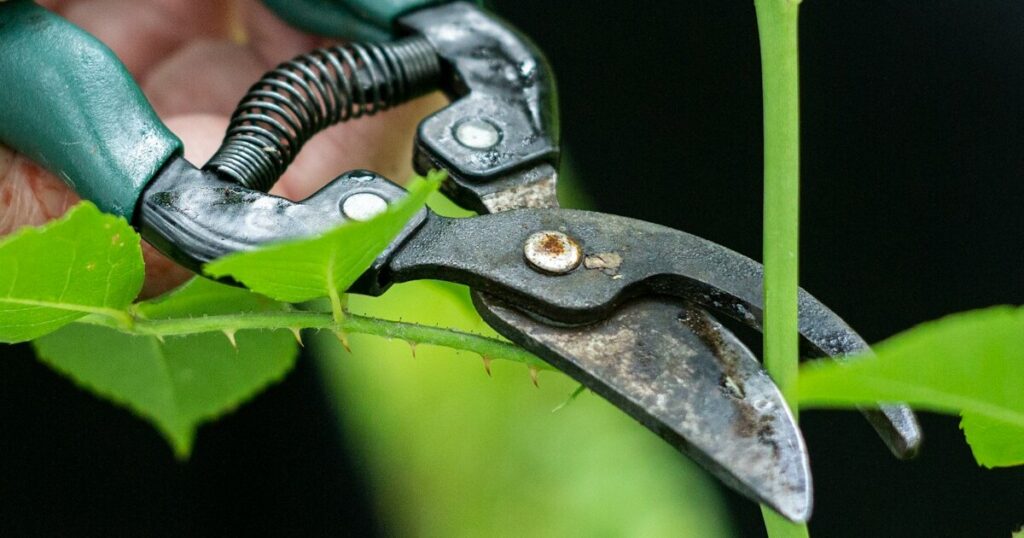
Pulling entire plants or cutting too much foliage at once can weaken cilantro, shortening its productive window. I’ve overzealously clipped a third of a plant, only to watch it sulk for days afterward!
Instead, snip the outer stems close to the base, leaving the central growth intact. This encourages continued branching and leaf production. Plus, when you eventually allow older stems to bloom, those umbels reward you by hosting syrphid flies and tiny solitary bees for a final flourish.
Planting at the wrong time of year

Cilantro thrives in cool weather—too hot, and it bolts; too cold, and it’s slow to germinate. If you sow in midsummer heat or dead of winter without protection, you’ll end up with sparse, stressed plants. I once planted in July’s scorching sun and saw almost zero germination!
Time your sowing for early spring or late summer into fall, when temperatures hover between 50–75°F. In hotter regions, provide afternoon shade or plant near taller companions to replicate the filtered light of its native Mediterranean understory.
Disregarding light requirements

While cilantro tolerates partial shade, too little sun produces leggy plants with reduced flavor. Conversely, relentless full sun in hot climates pushes it to flower prematurely. Finding the sweet spot can be tricky—I’ve had cilantro sprawl in gloom and bolt under sweltering sun!
Aim for about 4–6 hours of morning sun, with some afternoon shelter if temperatures soar. This balance mimics its natural woodland edge habitats and yields lush foliage that beckons beneficial hoverflies and parasitic wasps to your garden doorstep.
Failing to manage self-seeding
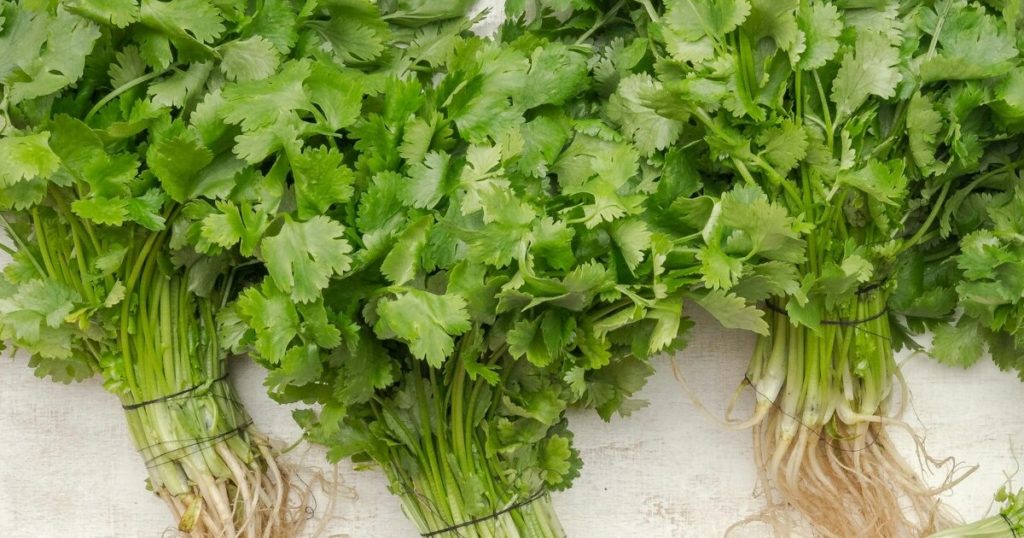
Cilantro’s prolific seed production (coriander) means volunteer seedlings pop up everywhere if you don’t deadhead. While self-sown plants can be a bonus, they often appear in unwanted places, competing with other crops. I’ve battled cilantro seedlings in my tomato bed more than once!
To control volunteers, pinch off flower heads before they mature—or embrace the free seedlings by transplanting extras into a dedicated bed. Those umbels, if left, are a final feast for pollinators, so weigh convenience against the delight of hosting hoverflies and solitary bees.