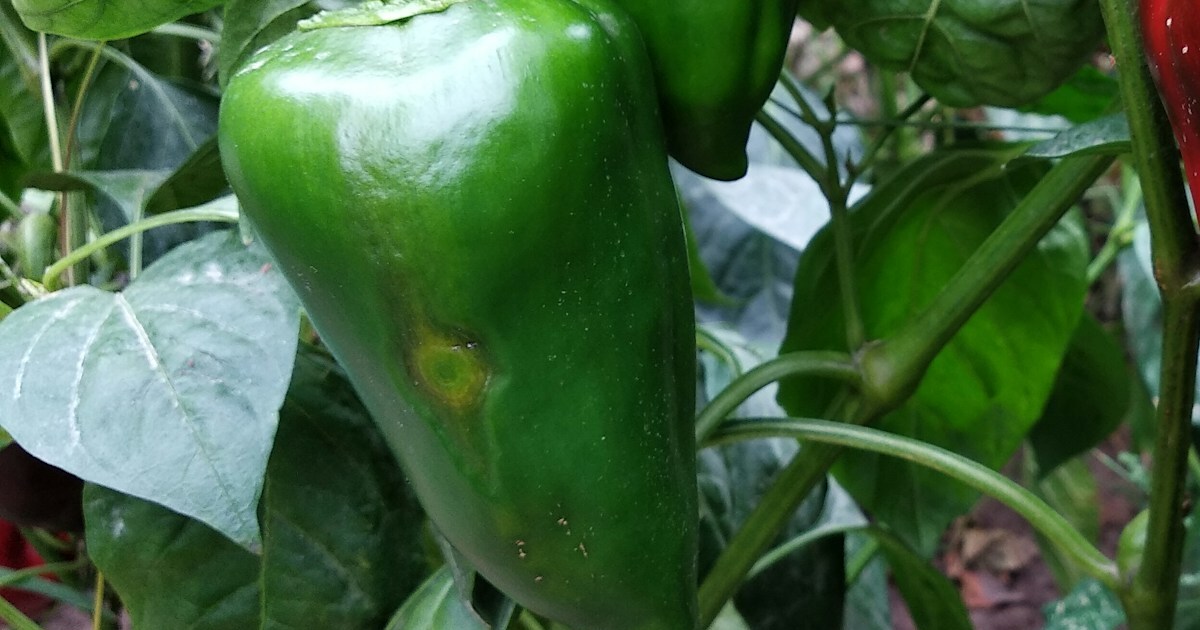

Gardening serrano peppers can be an exhilarating journey—there’s nothing quite like the thrill of spotting that first vibrant green pod dangling from the stem! Native to the mountainous regions of northeastern Mexico, serranos (Capsicum annuum var. serrano) thrive in warm conditions and reward dedicated gardeners with fiery fruits that pack a punch. But I know how disappointing it is when those tender seedlings falter or your plants produce few peppers. Let’s talk about some common slip-ups so you can steer clear of the pitfalls and enjoy a bumper harvest.
Avoiding these mistakes will not only boost your serrano yield but also keep your garden ecosystem humming. Serrano flowers attract a host of beneficial pollinators—honeybees, bumblebees, and solitary ground-nesting bees—all of which nest in loose, sunny soil nearby. When these buzzing friends aren’t drawn by healthy, flourishing plants, it’s often a sign that something’s off in your care routine. Read on for 11 missteps to sidestep, complete with empathetic tips and pepper-grower wisdom!
Overwatering Your Plants
One of my favorite plants can quickly turn droopy if you drown it! Serranos need evenly moist, well-draining soil—soggy conditions suffocate roots, invite fungal woes like damping-off, and discourage pollinators from visiting. Honeybees and bumblebees won’t bother with droopy, waterlogged blossoms, which means poor fruit set and sad-looking foliage.
Water deeply but infrequently, allowing the top inch of soil to dry before the next soak. Mulch with straw or shredded leaves to maintain even moisture and deter weeds. I know how tempting it is to water every day when the sun beats down, but a quick check of soil moisture (stick your finger in!) will keep you from overdoing it and keep those happy bees buzzing.
Ignoring Temperature Requirements

Serrano peppers adore warmth—daytime temperatures around 70–85°F (21–29°C) and nights no cooler than 55°F (13°C). Planting seeds or transplants while evening temperatures still dip into the 40s can shock their delicate roots. I remember eagerly setting my seedlings out only to find them limp and unhappy by morning—what a bummer! Cold stress not only slows growth but can also cause blossom drop, robbing you of those early peppers.
To prevent this, use a soil thermometer and wait until night lows consistently stay above 55°F. If spring nights are chilly, harden off seedlings gradually by bringing them in overnight or covering them with a floating row cover. I love seeing my peppers bask in warm twilight—but trust me, patience here pays off in vigorous, heat-happy plants!
Neglecting to Harden Off Seedlings

It’s such a bummer when your greenhouse-pampered seedlings wilt the moment they hit outdoor air! Harden off serrano starts by gradually exposing them to outdoor conditions over 7–10 days—starting in dappled shade and increasing both sun and wind exposure.
Skipping this step causes transplant shock: yellowing leaves, slowed growth, and delayed flowering. Bring pots outside for a few hours each day, then tuck them back in if temperatures dip too low. By planting robust, acclimated youngsters, you’ll see more blossoms that beckon bees and faster fruit set—worth every minute of that prep time!
Insufficient Sunlight

Serranos are sun worshippers, craving at least 6–8 hours of direct sunlight daily. Planting them in partial shade—under tall vegetables, on a shady patio, or near a fence—results in leggy growth, sparse flowering, and weak heat levels in the pods. Pollinators naturally patrol sunlit areas, so shaded blossoms receive fewer visits.
Assess your garden’s light patterns throughout the day and choose the sunniest spot for your pepper patch. If space is tight, consider containers you can move to catch the sun’s path. I empathize with small-garden struggles—finding a sunny nook can be tough—but your peppers (and visiting bees) will reward you with vibrant, bountiful harvests!
Crowding Plants Too Closely

One of my favorite gardening rules? Give each plant breathing room! Serrano peppers need about 18–24 inches between plants to ensure good air flow and root development. Crowd them in tight rows, and you invite powdery mildew, hinder pollinator access, and stunt each plant’s ability to produce ample fruit.
Use spacing stakes or a simple garden grid to mark plant locations before you set transplants. Avoid the temptation to squeeze in extra seedlings; those few extra steps between rows will pay off. Bees and other pollinators will appreciate clear flight paths to each flower, too!
Poor Soil Fertility
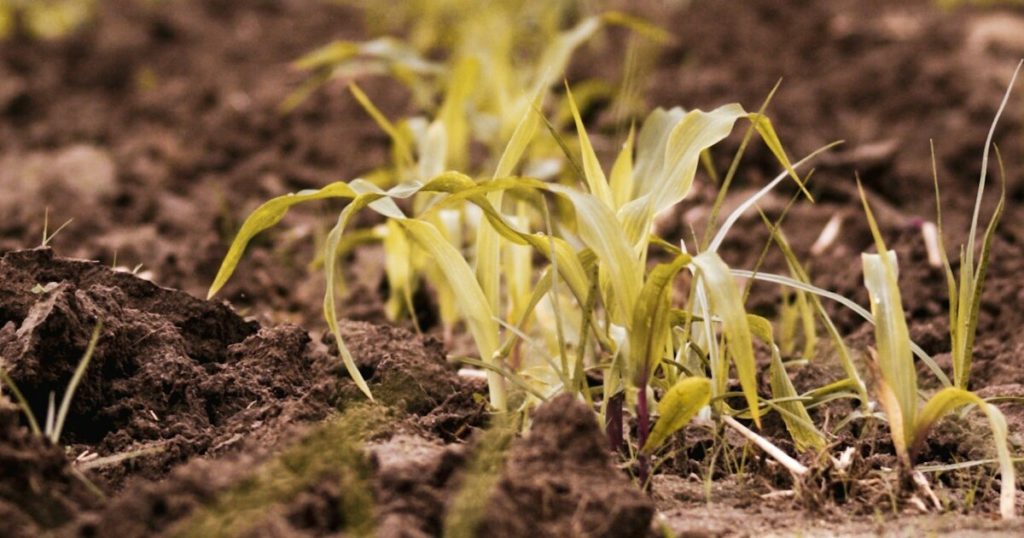
I know how frustrating it is to see stunted pepper plants when you’ve slaved over your garden bed! Serranos flourish in rich, loamy soil with plenty of organic matter. Neglecting soil tests or skipping compost additions often means nitrogen or potassium deficiencies, leading to pale foliage, blossom drop, and few fruits.
Before planting, amend your soil with aged compost and a balanced organic fertilizer—look for an N-P-K ratio around 5-10-10 to encourage flowering and fruiting. Side-dress with compost tea or well-rotted manure mid-season to keep nutrients flowing. Healthy soil not only feeds your peppers but also sustains bees digging for nesting material in the earth beneath!
Not Staking or Supporting Plants
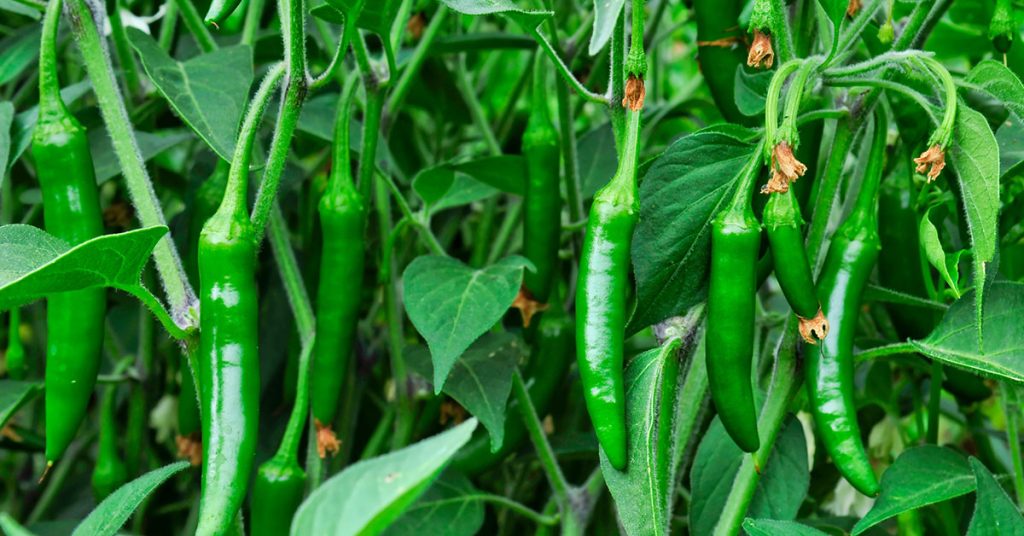
As serrano peppers develop heavy clusters of fruit, lanky stems can bend or break under the weight—especially after rain. Unstable plants can flop into the soil, inviting rot and making it harder for bees to find the flowers nestled among foliage.
Use tomato cages, stakes, or twine supports to gently guide branches upright. I tie stems loosely with soft garden twine, giving each limb room to grow without snapping. This not only protects your harvest but also positions blossoms where pollinators can easily land and pollinate!
Failing to Rotate Crops

Planting peppers in the same patch year after year is like wearing the same shoes until they fall apart—it breeds soil-borne diseases and depletes specific nutrients. Capsicum annuum relatives like tomatoes, potatoes, and eggplants share many pathogens, so continuous pepper plantings invite problems like Verticillium wilt or root nematodes.
Rotate your pepper patch every 2–3 years to a bed where nightshades haven’t grown recently, and follow with a heavy feeder like corn or melons. This simple practice refreshes soil health and keeps both diseases and pests in check—your future pepper plants (and pollinators nesting in those beds) will thank you!
Harvesting at the Wrong Time
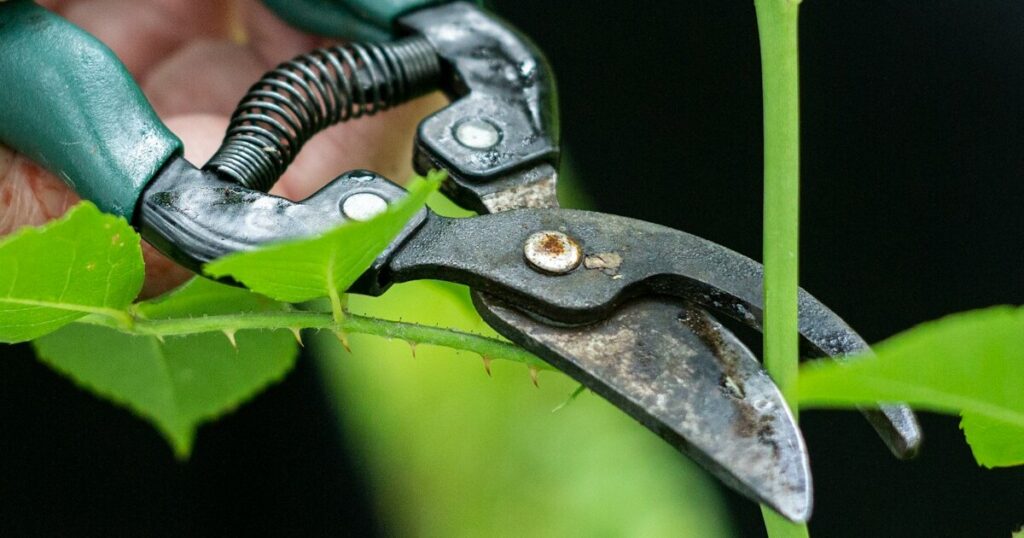
Harvesting serranos too early is like picking apples before they’re ripe—possible, but far from optimal! Immature fruits may be pale green, smaller, and deliver less heat, while leaving them on the vine until they blush red unlocks their full flavor and capsaicin kick. Snipping them too soon can also confuse the plant’s energy allocation, reducing overall yield.
Pay attention to color transition and firmness: mature green peppers should feel crisp, shiny, and around 2 inches long; red ones will deepen in hue and slightly soften. Use clean scissors or pruners to snip the fruit—twisting off pods can damage stems. I know the impatience—those little pods are so tempting!—but waiting just a few extra days ensures the best crunch and heat in every bite.
Neglecting Pest and Disease Monitoring
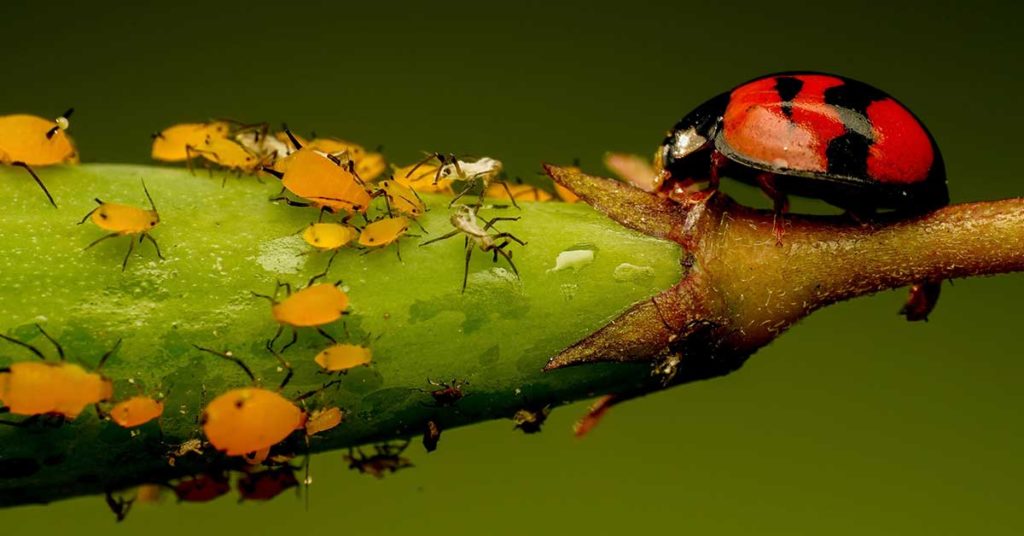
It’s such a bummer when aphids swarm your tender pepper shoots or when fungal spots mar the leaves! Serrano peppers can attract aphids, spider mites, pepper weevils, and fungal pathogens like Cercospora leaf spot. Ignoring early signs—yellowing leaves, distorted growth, or sticky residue—lets infestations spiral out of control and discourages pollinators from visiting stressed flowers.
Inspect plants twice weekly, especially the undersides of leaves. Introduce beneficial insects like ladybugs or lacewings, and apply neem oil or insecticidal soap at the first sign of trouble. Good air circulation—spacing plants properly—and crop rotation also reduce disease pressure. Protecting your pepper patch keeps pollinators coming back for those vibrant blossoms!