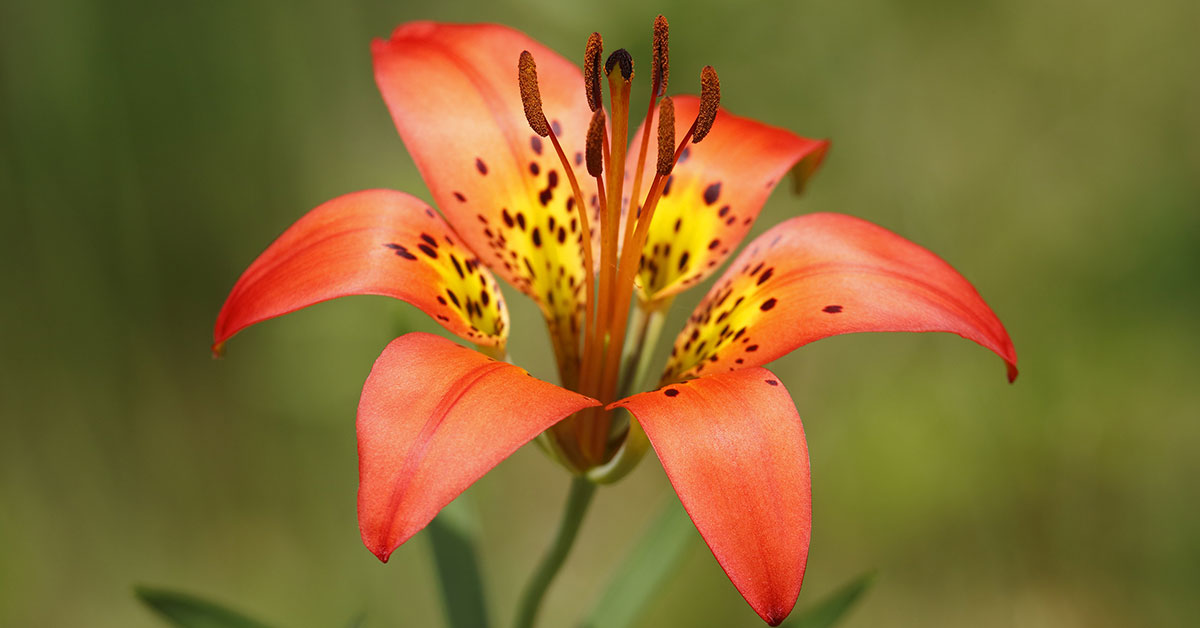

Lilies are the royals of the perennial border, with towering stems and spectacular trumpet‑ and bell‑shaped blooms that can transform any garden into a floral cathedral. But if you’re like me—constantly dreaming of those vibrant orange, pink, or white petals dancing in the breeze—you’ve probably felt that sinking feeling when flowers flop over or foliage yellows prematurely. It’s such a bummer when all that effort seems to go unrewarded! I’m excited to share key pitfalls I’ve learned from trial (and sometimes error) so your lilies will thrive season after season.
Originating across temperate regions of the Northern Hemisphere—from the woodlands of East Asia to meadows in Europe—lilies (Lilium spp.) encompass hundreds of species and countless hybrids. While most remain well‑behaved in the garden, a few, like the Tiger Lily (Lilium lancifolium), can naturalize aggressively if left unchecked. Let’s dive into eleven common mistakes and how to sidestep them—ensuring your lilies stay regal, robust, and as non‑invasive as possible!
Neglecting Pest and Disease Monitoring

One of the trickiest hiccups is overlooking the tiny critters and fungal foes that besiege lilies. Aphids often colonize new shoots, sucking sap and transmitting viruses, while lily beetles can chew leaves to lacework in no time. Scout regularly—especially under leaves—and rinse off early infestations with water or treat with a gentle insecticidal soap.
When it comes to diseases like botrytis blight (gray mold), proper air circulation is your secret weapon. I know how frustrating it is to find soggy, rotting buds—so space your plants to allow good airflow and remove any affected foliage promptly. These chores feel tedious, but they’ll spare you the heartbreak of losing a season’s worth of blooms!
Planting Bulbs Too Deep or Too Shallow

Depth matters: plant a lily bulb too shallow and its roots can overheat or dry out; too deep and the stem struggles to break through compacted soil. The rule of thumb I follow is planting at a depth about three times the bulb’s height—usually 4–6 inches. In its native woodlands of Asia, bulbs nestle just below leaf litter, so mimicking that depth helps them feel right at home.
If you’ve ever watched a lily emerge with floppy stems, it’s often because the bulb didn’t get the anchorage it needs. Replant any wobbly ones at the correct depth in well‑drained soil to give those future flower stalks the firm foundation they crave!
Ignoring Proper Soil Drainage

Lilies detest “wet feet.” In their native habitats—from Europe’s meadows to North America’s woodlands—they thrive in loose, well‑draining soil rich in organic matter. Planting in heavy clay or compacted soil sets you up for bulb rot and fungal disease.
I once lost an entire bed of Missouri Tigers to soggy conditions! Amending your planting area with compost, grit, or aged bark chips ensures water flows past the bulbs. Raised beds or mounded rows can also save the day in damp regions by keeping roots pleasantly moist, not waterlogged.
Overcrowding Bulbs

It’s tempting to cram as many bulbs as possible into a border for an instant display, but overcrowding invites competition for nutrients and poor airflow—an open invitation for pests and disease. Give each bulb its personal space, about 8–12 inches apart, depending on the species.
One of my favorite lilies, Lilium regale, develops thick clumps if left alone, and I’ve found that dividing every three to four years keeps those clumps vigorous. Remember: in nature, lilies often emerge singly or in loose groups, so spacing mimics their wild habit and promotes healthy growth!
Overwatering in Humid Conditions
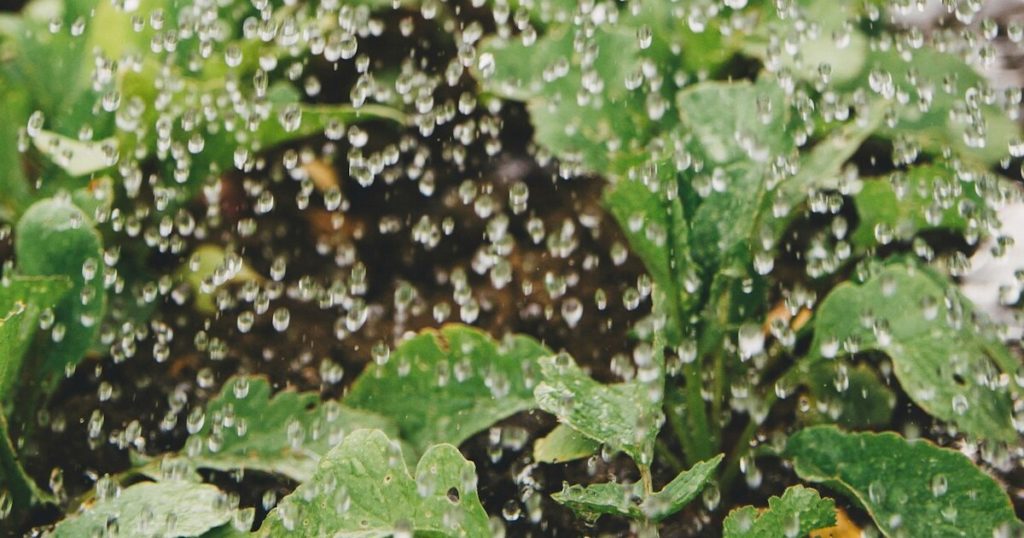
While lilies need consistent moisture during active growth, excessive watering—especially in humid summers—can lead to fungal issues. If you live in a moist climate, reduce supplemental irrigation once your lilies finish flowering and foliage starts to yellow.
It’s such a bummer when lush greenery suddenly shows brown spots or wilting. Installing a simple drip irrigation timer or simply checking soil moisture before watering prevents overkill. Let the top inch of soil dry slightly between waterings to keep roots happy.
Failing to Stake Tall Varieties
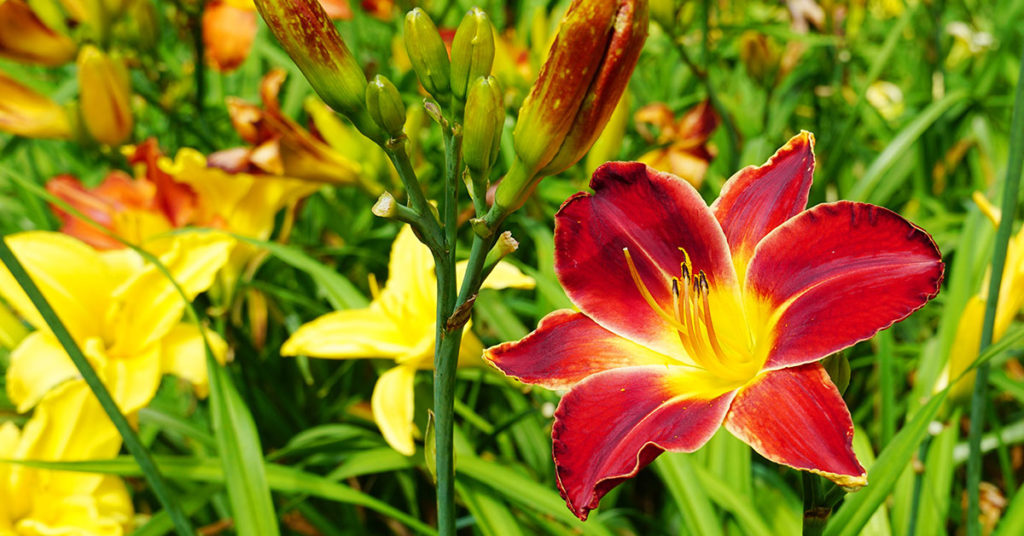
Those regal Oriental and Trumpet lilies can soar upward of five feet—only to topple at the first gust without support. If you plant tall cultivars near the back of a border, provide unobtrusive stakes or a lily support ring early in the season before stems thicken.
I know how frustrating it is to watch blossoms droop under their own weight! By staking as soon as the second leaf whorl appears, you guide stems to grow straight and sturdy—so when buds open, they stand tall and proud, ready for pollinator visits rather than a sad flop on the ground.
Using Incorrect Soil pH and Fertilization
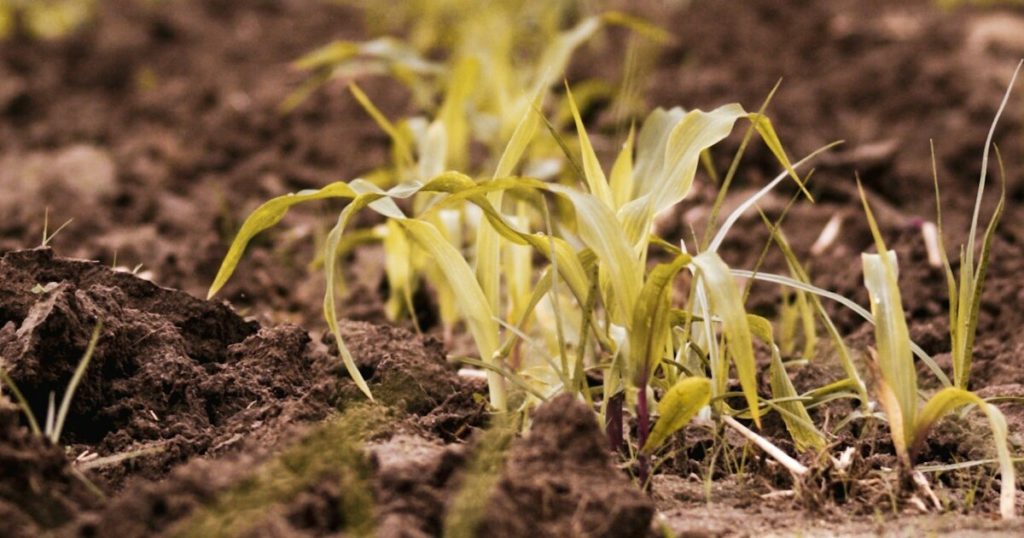
Lilies prefer slightly acidic to neutral soil (pH 6.0–7.0). In overly alkaline ground, they may develop chlorotic leaves (yellowing with green veins). Conduct a simple soil test and, if needed, amend with elemental sulfur to lower pH or dolomitic lime to raise it.
Feeding matters, too: a balanced, slow‑release fertilizer applied at planting and again when shoots emerge encourages robust root and flower development. I always feel energized watching buds swell after a feeding—like giving your plants a gourmet meal before their big show!
Overlooking Companion Planting Benefits

While lilies love the limelight, pairing them with low‑growing companions such as salvia, sedum, or ornamental grasses can hide bare stems post‑bloom and improve soil health. These partners don’t compete aggressively for resources and help attract beneficial insects.
I once interplanted lilies with achillea and saw a flurry of hoverflies deter aphids naturally. It’s a win‑win: you get a fuller, more dynamic border and reduce reliance on chemical sprays!
Skipping Winter Mulch or Protection

In colder zones, lily bulbs benefit from a light winter mulch—think shredded bark or evergreen needles—to buffer extreme freezes. In their native alpine or temperate habitats, a natural leaf‑litter layer provides insulation, so replicating that in your garden helps bulbs survive winter’s chill.
Leaving bulbs exposed to severe frost can damage those tender scales and reduce next year’s blooms. I always add mulch after the ground freezes and remove it in early spring to allow shoots to emerge unimpeded!
Ignoring Invasive Tendencies of Some Species
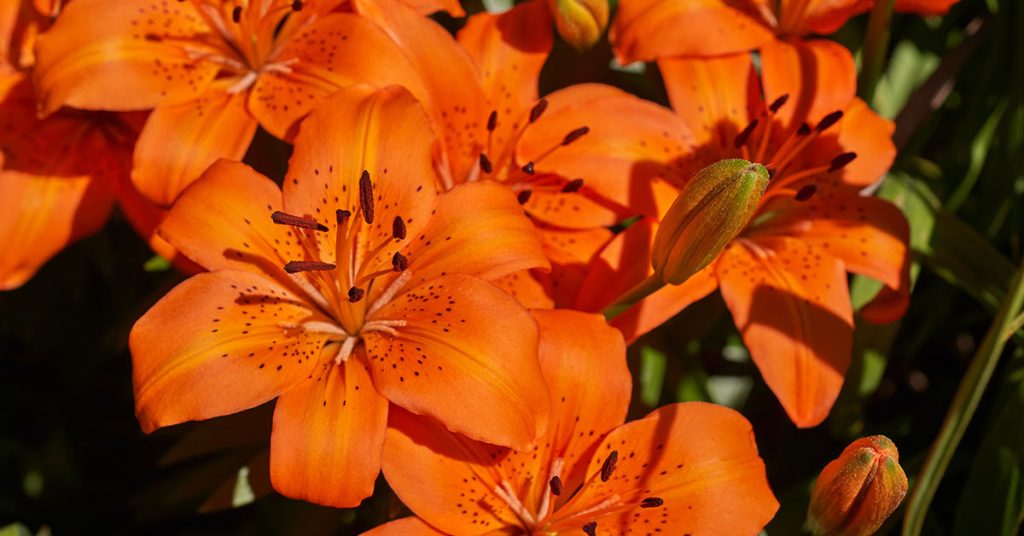
Most garden lilies stay put, but species like the Tiger Lily (Lilium lancifolium) produce bulbils in leaf axils that can drop and naturalize. If you live near woodlands or meadows, be cautious planting these vigorous types without containment measures.
I love the saturated orange of Tiger Lilies, but I once found volunteer seedlings three yards away! To keep them contained, deadhead spent blooms before they form seeds or bulbils, and consider planting those species in pots or a dedicated bed.