

Growing carrots is one of my favorite springtime rituals—those vibrant orange roots dug fresh from the earth can’t be beat! Yet it’s such a bummer when your hopes for long, sweet carrots turn into a patch of puny, forked, or stringy roots. Whether you’re a first-timer or a seasoned gardener, it’s easy to slip up on soil, sowing, or care and end up disappointed.
I know how frustrating it is to tend your beds only to pull up shoulders of tiny nubs instead of plump carrots. Carrots (Daucus carota) are native to temperate regions of Europe and Southwest Asia, evolving in loose, well-drained soils where they could send roots deep. Let’s dive into eleven common mistakes—randomized to keep things lively—that you can dodge for a bumper carrot crop!
Overlooking Soil Preparation

Carrots demand deep, crumbly soil free of rocks and clods. Failing to remove stones or till deeply results in knobby, forked roots that can’t grow straight. I once planted in unamended clay and ended up with carrots resembling miniature antlers!
To fix this, invest time before sowing: double-dig or fork your bed to 12–18 inches, amending with generous compost and sand to improve texture. A fine, loose seedbed ensures carrots grow downward unobstructed, producing those long, smooth roots we all crave.
Skipping Seed Thinning
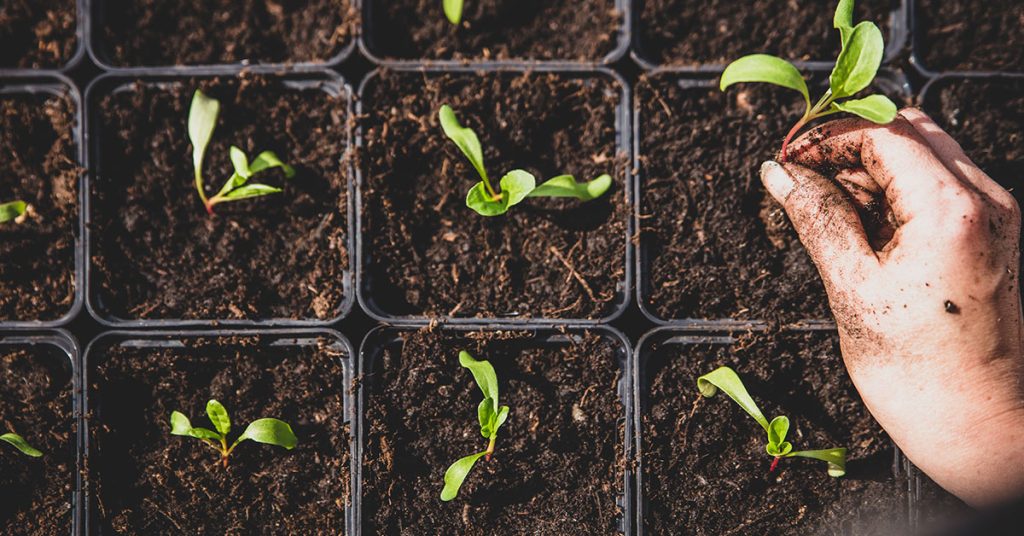
Tightly sown seeds might seem efficient, but crowded seedlings compete fiercely for water and nutrients, leading to stunted, skinny roots. It’s such a bummer to see clusters of tiny carrots where you wanted sizable roots! I remember neglecting to thin my patch and ending up with a dozen half-inch sticks instead of hearty roots.
Once seedlings reach 2–3 inches tall, thin them to 2–3 inches apart by snipping extras at soil level. This simple act gives remaining carrots the room they need to bulk up, maximizing your harvest and sparing you elbow room during harvest time.
Planting Seeds Too Deep

Though carrot seeds can handle a light covering, burying them more than ¼ inch deep delays or prevents germination. I once followed generic “½-inch” advice and watched seeds vanish into the soil without a trace of green!
Aim for a dusting of soil—just enough to barely cover the seed. This balance ensures seeds stay moist but can still send up shoots. For better germination, lightly tamp and mist the surface daily until sprouts appear.
Ignoring Soil pH and Fertility

Carrots thrive in slightly acidic to neutral soils (pH 6.0–7.0). Too acidic or too alkaline soil can stunt growth or cause nutrient lockup, leading to pale, bitter roots. I’ve tested soils at 5.5 and seen my carrots struggle to develop both color and flavor!
Test your bed before planting and amend accordingly—add lime to raise pH or sulfur to lower it. Incorporate balanced organic matter rather than high-nitrogen fertilizers, which encourage lush tops at the expense of tasty roots.
Watering Inconsistently

Carrots need evenly moist soil throughout their development; erratic wet-dry cycles cause cracking, splitting, or bitter taste. I used to water on a fixed schedule and ended up with cracked carrots after a sudden drought!
Switch to a soak-and-soak approach: apply water deeply when the top inch of soil dries, then keep the bed uniformly moist. A layer of mulch helps regulate soil moisture and temperature, reducing stress on tender roots.
Neglecting Pest Monitoring

Carrot rust flies, aphids, and wireworms can decimate your crop if left unchecked. It’s frustrating to uncover slender tunnels or wilted tops only at harvest! Early detection through weekly inspections—looking under leaves and around the crown—makes all the difference.
Encourage beneficial insects by planting carrot family flowers (like dill or Queen Anne’s lace) nearby; these blossoms attract hoverflies and parasitic wasps that prey on common pests. Floating row covers during peak fly activity further protect seedlings without chemicals.
Failing to Succession Sow

Waiting for a single planting often leaves gaps once early carrots finish or seeds fail to germinate. I’ve experienced empty beds in midsummer while neighbors harvest fresh roots! By sowing small batches every two to three weeks, you ensure a continuous supply from spring through fall.
Succession sowing also spreads risk—if one batch succumbs to disease or drought, others will fill the gap. This strategy translates to perpetual homegrown crunch!
Overfertilizing with Nitrogen
While green growth is satisfying, too much nitrogen—or fresh manure—encourages leafy tops and scant roots. My first patch, lavishly manured, produced giant ferns and meager, off-flavored carrots!
Use balanced compost or a low-nitrogen organic fertilizer. Remember that carrots store nutrients underground; they need moderate feeding but not a foliage feast. Moderate nutrients foster compact, sweet roots.
Planting in Full Shade

Carrots are sun-loving, requiring six to eight hours of sunlight for optimal sugar development and root length. Sowing in shade yields pale, spindly carrots lacking both flavor and size. I once tucked carrots in a shady corner—what a disappointment that harvest was!
Choose a sunny bed or trim nearby foliage to let in more light. Even partial afternoon shade in hot regions works, but prioritize full sun for best coloration and sweetness.
Harvesting at the Wrong Time
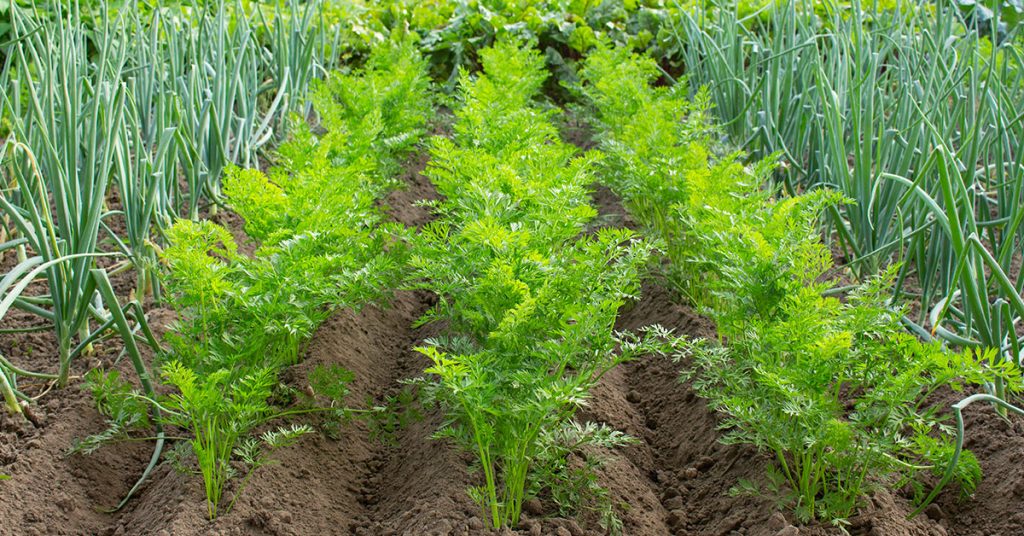
Harvest too early, and roots remain undersized; wait too long and they become woody and pithy. I’ve pulled crunchy baby carrots prematurely, then left others until they turned fibrous!
Monitor root shoulders by gently brushing soil away; harvest when shoulders reach ½–1 inch diameter. For fall plantings, a light frost enhances sweetness—just dig before the ground freezes solid.
Neglecting Crop Rotation
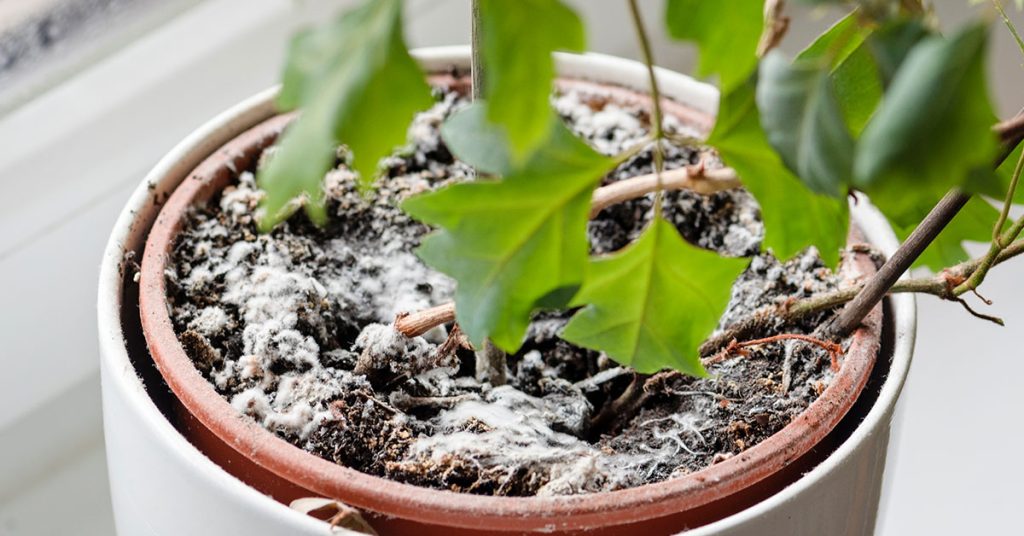
Planting carrots in the same spot year after year invites soil-borne diseases like Alternaria leaf blight and root canker. I learned this after three seasons in the same bed—my fourth crop was riddled with spots!
Rotate carrots with unrelated families—beans, brassicas, or alliums—for at least three years to break disease cycles. A simple rotation map keeps both soil and plants healthier for seasons to come.