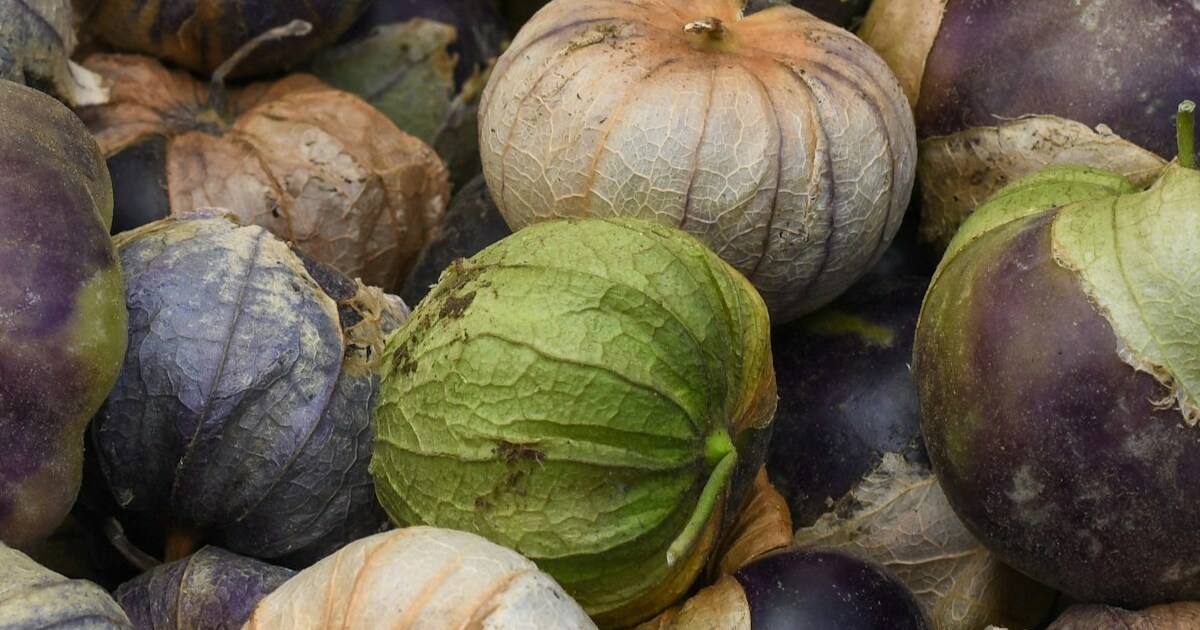

Tomatillos (Physalis philadelphica) bring a pop of citrusy tang to salsas and sauces, but they’re a bit more particular than their tomato cousins. Native to Mexico and Guatemala, these lantern-husked gems have been cultivated for centuries—and while they aren’t typically invasive in most home gardens, their habit of self-seeding can surprise the unwary grower! I’ve had my fair share of triumphs and missteps with tomatillos, and I’m excited to share eleven pitfalls you’ll want to sidestep for a flourishing patch.
Gardening is all about learning from both successes and stumbles, and with tomatillos you’ll want to get the fundamentals right from the start. From ensuring those separate male and female flowers get pollinated, to picking fruits at just the right moment, each step matters. Let’s dive into these common mistakes—so you can focus on enjoying a bounty of tart, bright tomatillos rather than scrambling to fix problems!
Neglecting Pollination Needs
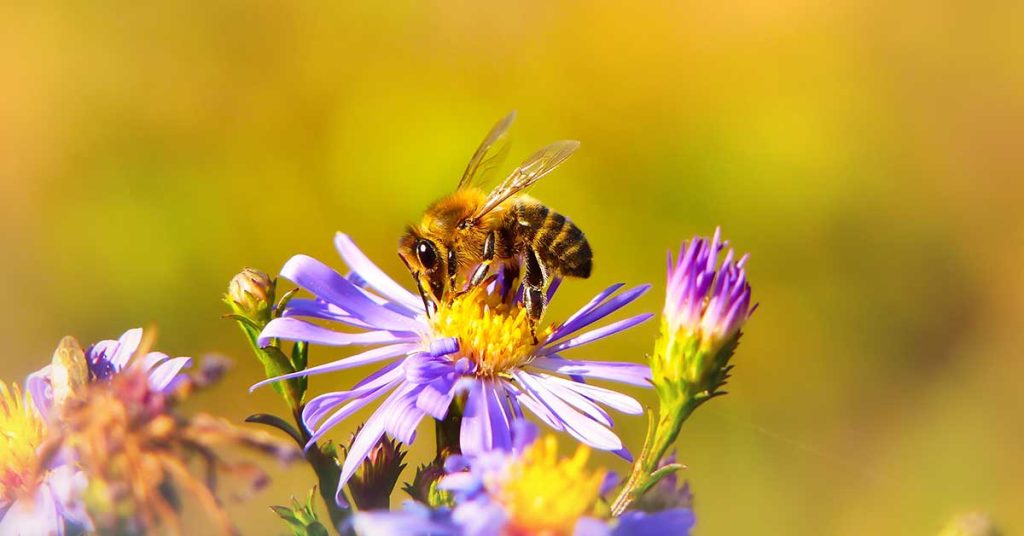
Tomatillos produce distinct male and female blooms on separate plants, so you need both for successful fruit set. I once planted only a single variety and ended up with floriferous greenery and not a single husk! Without cross-pollination from bees, those female blossoms simply abort.
To encourage pollinators—and boost your yields—plant at least two compatible varieties within close proximity. Interplant with bee-attracting flowers like borage or marigolds, and you might spot solitary bees nesting in hollow stems or bee blocks. Trust me, watching those industrious pollinators at work is one of my favorite garden spectacles!
Failing to Provide Support
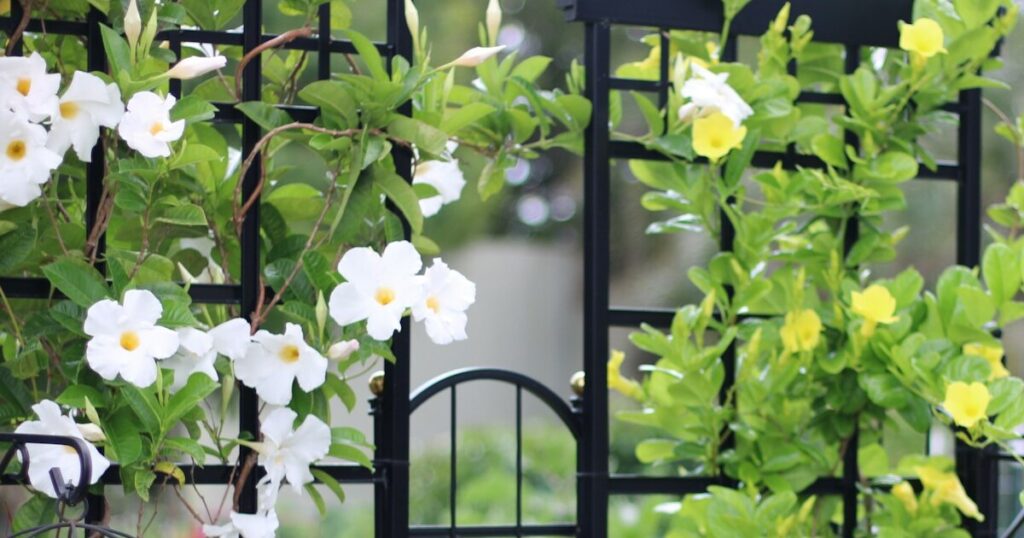
Tomatillo vines can sprawl up to 5 feet wide, and fruits that rest on damp soil are magnets for rot and pests seeking nesting material in fallen debris. I learned this the hard way when an unsupported row toppled, forcing me to salvage fruit one by one!
A sturdy tomato cage or individual stakes per plant will keep foliage and fruits off the ground. This not only cuts down on disease but also gives beneficial predatory insects—like tiny parasitic wasps—a clear flight path to patrol your plants. Plus, harvesting becomes a breeze when your tomatillos are standing tall!
Skipping Soil Preparation

These plants thrive in loose, well-draining soil rich in organic matter. Early on, I planted mine in fresh clay without compost, and the plants sulked, producing few blooms. Poor soil means weak root systems and lower resistance to stress.
Before planting, work in 2–3 inches of aged compost or well-rotted manure. This feeds your tomatillos, improves soil structure, and creates the ideal environment for ground-nesting bees. They’ll tunnel in happily without fear of soggy soil after rains—another bonus for pollination!
Insufficient Sunlight

Tomatillos need at least six hours of direct sun each day. I once tucked my patch under a shady pergola, thinking the dappled light looked charming… only to end up with spindly vines and stingy yields. Lack of sun also keeps humidity high, inviting fungal diseases.
Choose a spot with full, unfiltered sunlight. If you’re short on sun, prune back overhanging branches or use reflective mulch to bounce extra light into the canopy. Brighter foliage not only fruits better but dries faster after rain, helping pests and diseases find fewer cozy spots to nest!
Underestimating Nutrient Needs

When fruiting ramps up, tomatillos become hungry heavy feeders. In one season, I stuck to my spring fertilizer application and watched leaves turn pale and growth stall mid-summer—classic nitrogen deficiency. Without side-dressing, your plants simply can’t sustain a heavy crop.
Plan on fertilizing again when fruit sets form, using a balanced organic formula (like 5-5-5) or compost tea. This extra boost keeps foliage lush—attracting more pollinators—and supports strong fruit development. Healthy, well-fed plants are also better at fending off pests and diseases!
Overwatering
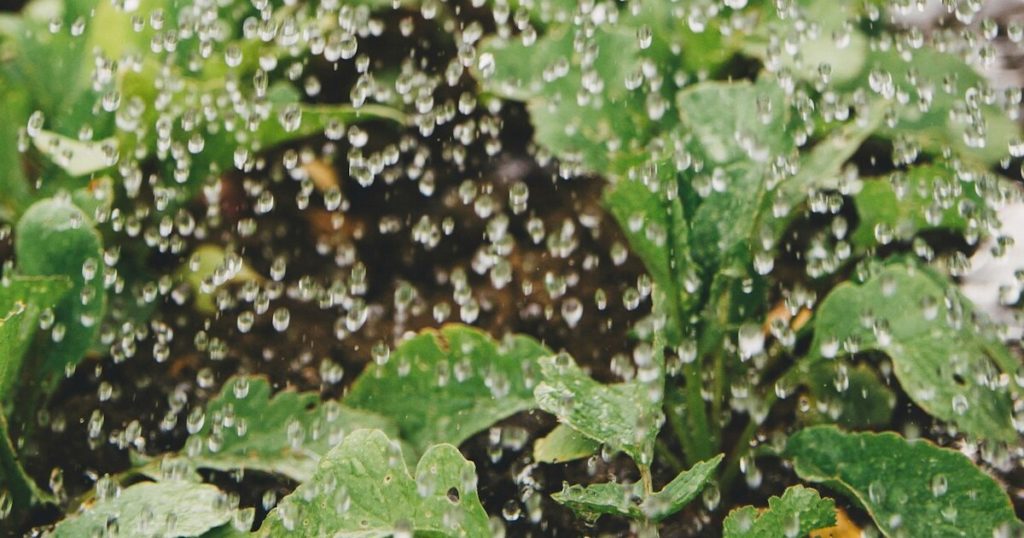
While tomatillos enjoy consistent moisture, sitting in waterlogged soil spells trouble. I once spaced soaker hoses too closely, creating puddles around the crowns. Root rot set in fast, and I had to yank several plants before they infected the rest.
Aim for about 1–1.5 inches of water per week, delivered deeply but infrequently. Mulch generously to retain moisture and suppress weeds, but keep it a few inches from the stem to prevent husk rot. Deep watering encourages roots to search downward, strengthening the plant against drought and temperature swings!
Harvesting at the Wrong Time
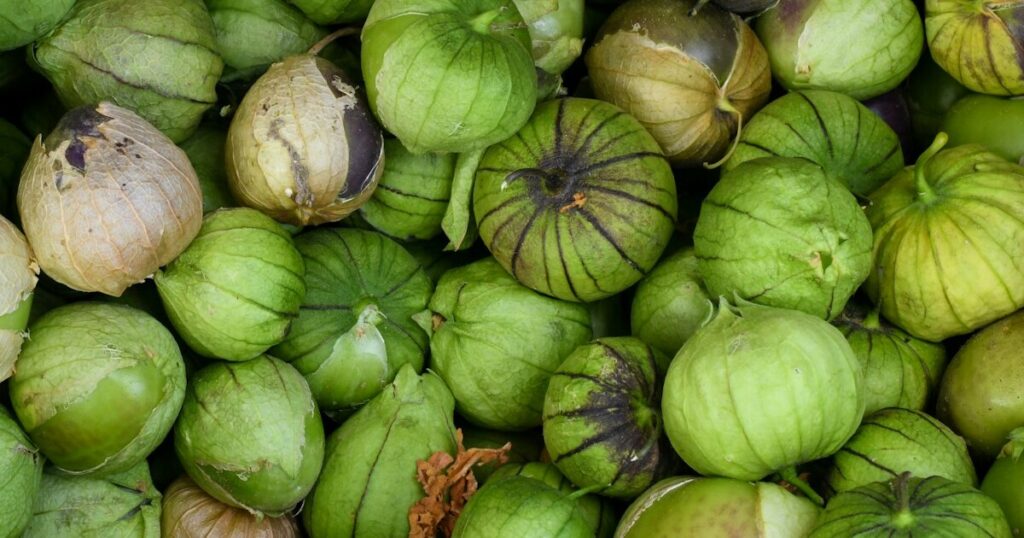
Tomatillo husks split open when fruits are overripe, letting slugs and ground beetles have first pick. On the flip side, picking too early yields pale, undersized fruits. I learned to wait until each husk bulges and the fruit “pops” with a slight resistance when pressed.
Harvest in the cool morning hours, grabbing fruits before pests wake up. Use sharp scissors to snip the stem instead of tugging, which can damage the plant. These small extra steps ensure you get the best flavor—and keep your garden’s helpful little critters thriving!
Overlooking Frost Dates

Tomatillos are frost-tender and won’t tolerate nighttime lows below about 50°F. In my enthusiasm, I planted seedlings outdoors too early one April, only to watch them wilt through a surprise chill. Frosted foliage seldom recovers, cutting your season short.
Start seeds indoors 6–8 weeks before your last frost date, and transplant only when nights consistently stay above 55°F. For a late-season bonus, use row covers or cold frames to protect plants into autumn. You’ll extend your harvest and make great use of those stubborn late fruits!
Crowding Plants

Spacing is critical: jammed plants compete for light, water, and nutrients while poor air flow promotes mildew and blight. One year, I packed six tomatillos into a 3-foot bed and ended up with a tangled, diseased thicket that yielded hardly anything.
Give each plant 2–3 feet of breathing room in rows at least 3–4 feet apart. This spacing helps you spot pest or disease issues early and gives ground-nesting bees the real estate they need for their solitary nests. Well-spaced beds are happier beds!
Ignoring Pest Management
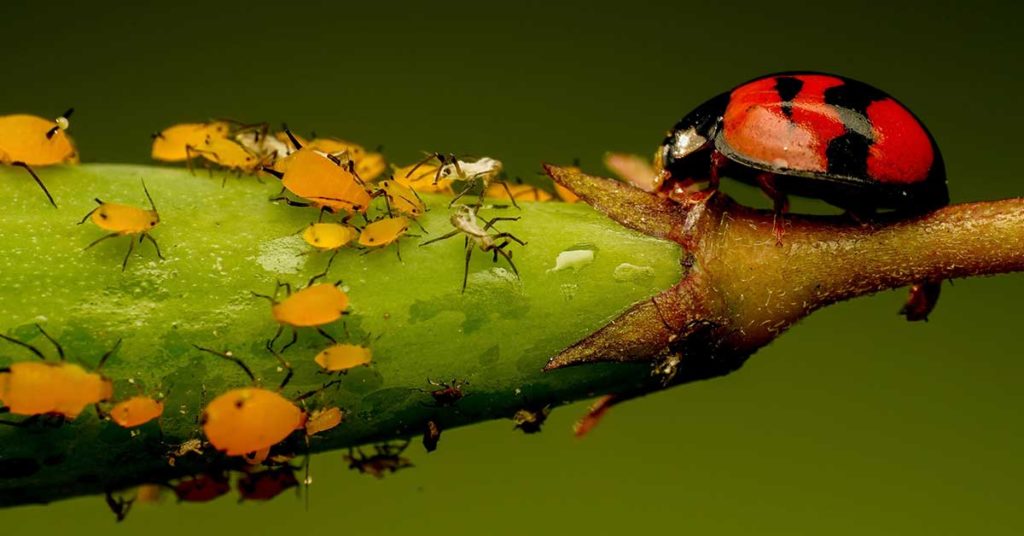
Aphids, flea beetles, and hornworms can decimate foliage before you even notice—some insects even use those hollow stems as cozy pupation spots! After I skipped my weekly scouting, I found entire leaf veins skeletonized by flea beetles, leading to stunted growth.
Inspect leaves (especially undersides) regularly and introduce beneficial insects like ladybugs or lacewings. A gentle spray of insecticidal soap can curb aphid outbreaks, and hand-picking larger caterpillars keeps populations low. Staying one step ahead means fewer headaches later!
Not Rotating Crops
Growing tomatillos in the same spot year after year invites soil-borne diseases and depletes key nutrients. I once encountered root-knot nematodes that built up after consecutive tomatillo plantings—devastating those precious roots.
Rotate your tomatillos with unrelated families—legumes one year, brassicas the next—to disrupt pest and disease cycles. This simple practice also allows your soil to rebalance nutrients naturally and supports a broader diversity of garden wildlife over time!
Avoid these missteps, and your tomatillo patch will reward you with a cascade of tart, flavorful fruits—plus a thriving community of pollinators and beneficial insects. I can’t wait to hear about your bumper crop and all the delicious salsas you’ll make.