
I’m thrilled you’ve decided to plant two of my favorite herbs—thyme and basil—in the same patch! There’s something magical about stepping outside and snipping fresh, fragrant leaves for dinner. But I know how disheartening it can be when one plant outgrows the other, or pests sneak in and feast on your tender shoots. Let’s walk through the eleven most common missteps so you can sidestep disappointment and enjoy a bountiful, aromatic harvest.
Companion planting offers so much reward—watching ground-nesting bees burrow in thyme’s sandy soil, or seeing hoverflies flit among basil blossoms—but only if you set the stage correctly. I’ve learned (sometimes the hard way!) that small tweaks to soil, spacing, and timing can make all the difference. Read on, and soon your garden duo will be the envy of every home cook and pollinator alike.
Neglecting Pest Management
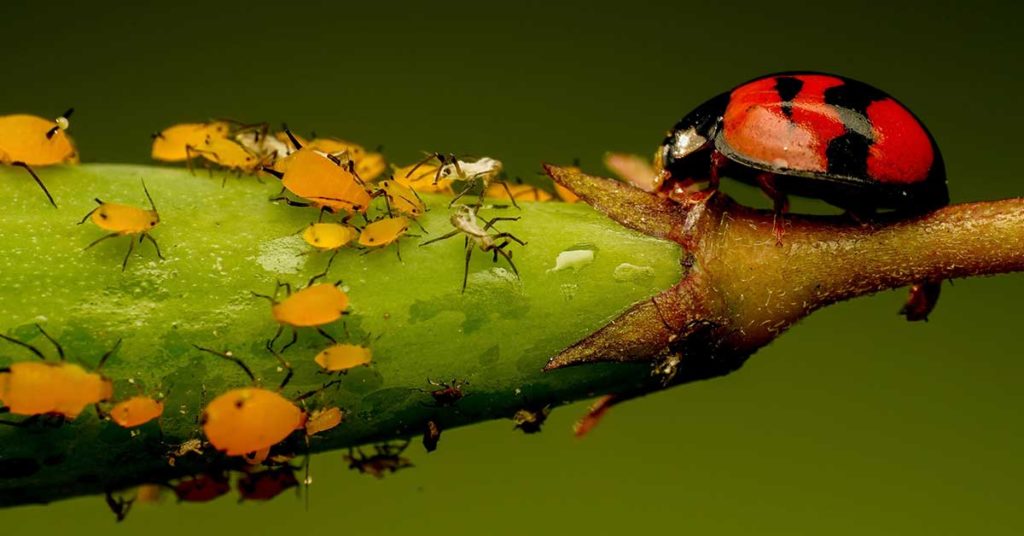
Aphids adore basil’s lush leaves, while spider mites sometimes zero in on thyme’s arid foliage—ignore the first signs and you’ll be waging war all season! I know how frustrating it is to spot yellowing basil leaves dotted with sticky residue or fine webs on thyme stems.
To stay ahead, inspect your herbs weekly. Shake off pests under running water, introduce ladybugs or predatory mites, and apply insecticidal soap at the first hint of trouble. Trust me, catching infestations early means less scrubbing and more cooking with confidence!