

I’m thrilled you’ve decided to plant two of my favorite herbs—thyme and basil—in the same patch! There’s something magical about stepping outside and snipping fresh, fragrant leaves for dinner. But I know how disheartening it can be when one plant outgrows the other, or pests sneak in and feast on your tender shoots. Let’s walk through the eleven most common missteps so you can sidestep disappointment and enjoy a bountiful, aromatic harvest.
Companion planting offers so much reward—watching ground-nesting bees burrow in thyme’s sandy soil, or seeing hoverflies flit among basil blossoms—but only if you set the stage correctly. I’ve learned (sometimes the hard way!) that small tweaks to soil, spacing, and timing can make all the difference. Read on, and soon your garden duo will be the envy of every home cook and pollinator alike.
Neglecting Pest Management
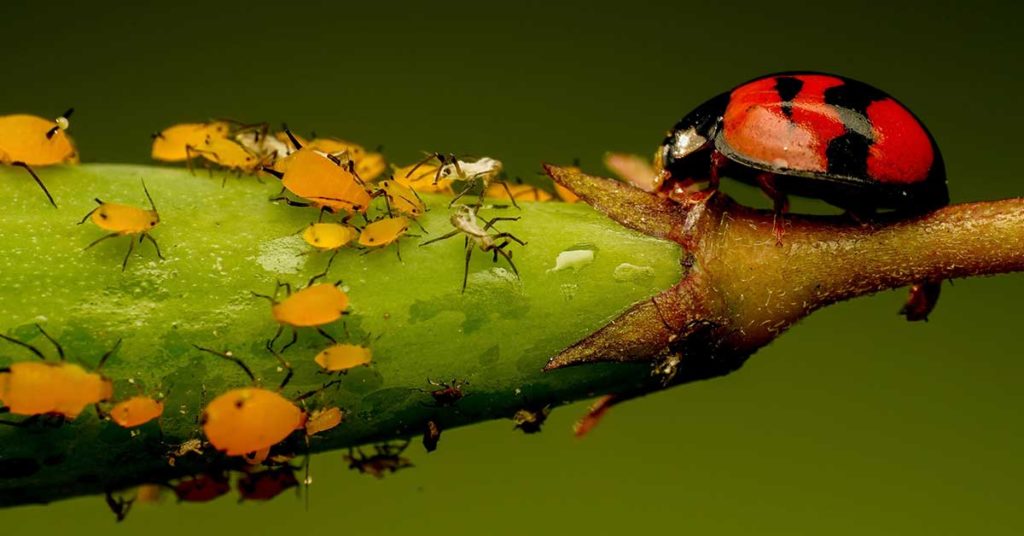
Aphids adore basil’s lush leaves, while spider mites sometimes zero in on thyme’s arid foliage—ignore the first signs and you’ll be waging war all season! I know how frustrating it is to spot yellowing basil leaves dotted with sticky residue or fine webs on thyme stems.
To stay ahead, inspect your herbs weekly. Shake off pests under running water, introduce ladybugs or predatory mites, and apply insecticidal soap at the first hint of trouble. Trust me, catching infestations early means less scrubbing and more cooking with confidence!
Using Heavy Clay Soil Without Amendment

Clay soils pack tightly, holding water like a sponge—terrible news for thyme’s craving for dry, Mediterranean-style loam and only slightly better for basil’s moderate moisture needs. I remember planting thyme in unamended clay and watching it sulk all season long!
Rescue clay beds by folding in generous amounts of compost, leaf mold, or well-rotted manure, and add coarse sand or horticultural grit for drainage. Your thyme will perk up in crumbly, airy ground, and basil will develop the deep green leaves we all crave.
Harvesting Incorrectly
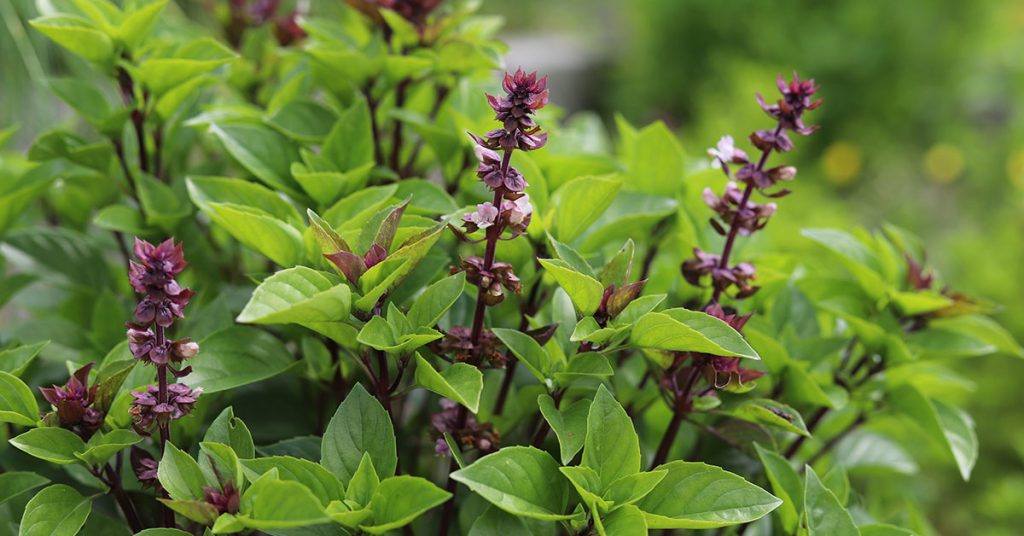
Basil responds to a top pinch—snip just above the next leaf node to encourage bushy growth—whereas thyme benefits from cutting back the soft new shoots but letting some woody bases stand. I once hacked my thyme to the ground and had a sparse comeback!
For basil, harvest the newest pair of leaves, avoiding lower stems so new buds can form. For thyme, trim just above the woody section, letting the plant maintain structure. Done right, you’ll enjoy continuous, vigorous regrowth all season long.
Overcrowding Your Herbs
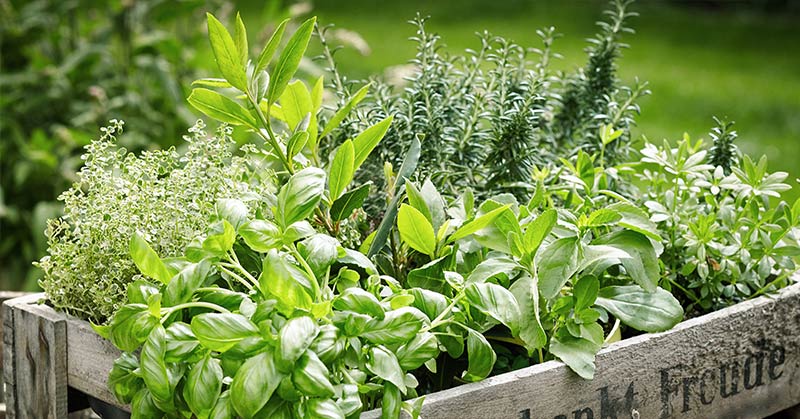
Cramming basil and thyme too close might seem like a space-saving hack, but restricted airflow is a recipe for fungal diseases—downy mildew on basil and gray mold on thyme. I once packed mine shoulder-to-shoulder and ended up with a soggy, sickly patch!
Aim for 8–12 inches between basil plants and at least 6–8 inches around thyme. That little breathing room lets air swirl, drying dew quickly and keeping leaves crisp. Healthy plants resist pests and diseases far better than crowded, stressed ones!
Ignoring Companion Plant Interactions
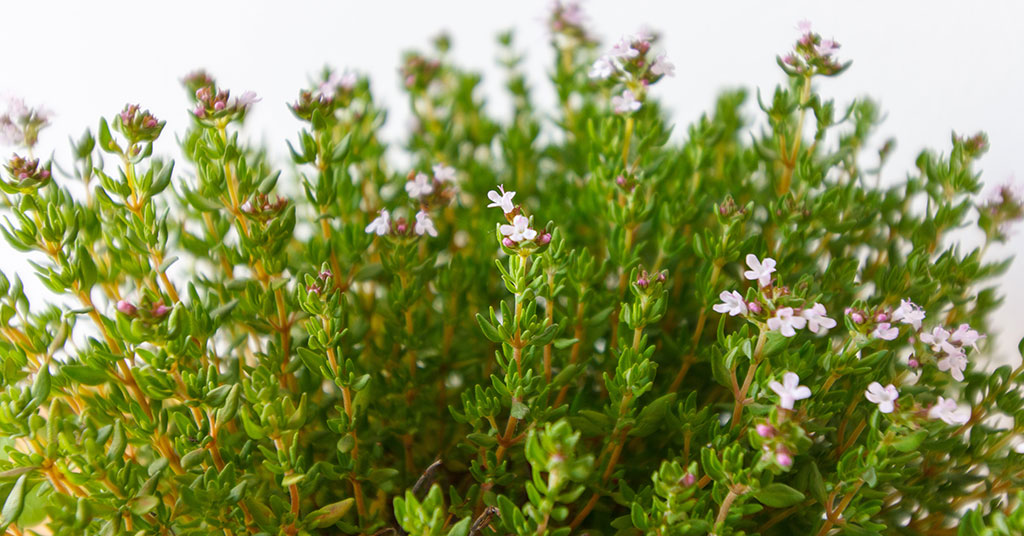
Thyme’s delicate blooms draw parasitic wasps and ground-nesting bees, while basil’s flowers lure hoverflies that prey on aphids. If you routinely deadhead basil to prolong foliage, you’ll also be cutting off a natural pest patrol!
Let a few basil blooms open and situate thyme nearby: you’ll notice lacewings dancing among the thyme’s low canopy and hoverflies swooping in. Nature’s integrated pest management couldn’t get any sweeter—or more fragrant!
Planting in Too Much Shade

Both herbs crave sun—at least six hours a day. Basil tolerates partial shade, but in a shady spot it becomes leggy with pale leaves, and thyme won’t produce those essential oils that give it zing. I tried a north-facing corner once and ended up with bland, floppy stems.
If your garden is shaded by trees or a wall, consider a sunny container you can move around. Thyme will deepen its scent under bright light, and basil will develop those glossy green leaves perfect for pesto!
Neglecting Soil Renewal and Crop Rotation
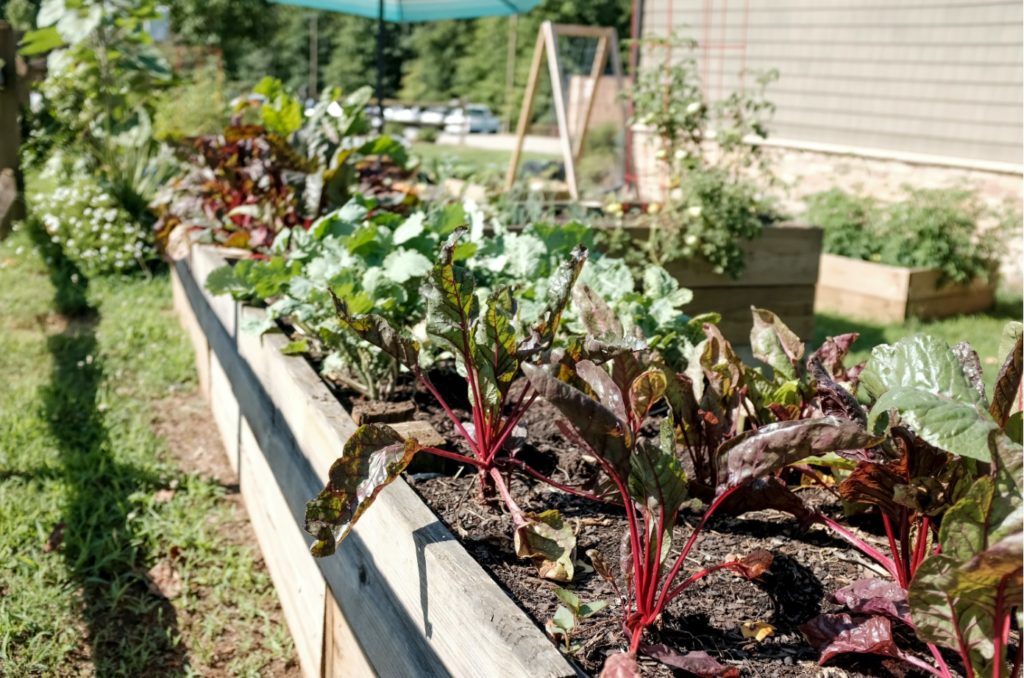
Even perennial thyme thrives when its soil is refreshed every few years, and annual basil can rapidly deplete nutrients. Planting both in the same spot year after year invites imbalances—and garden fatigue.
Each spring, top-dress with compost and rotate basil to a fresh bed or container. I rotate mine through three plots: by fall, the soil feels rejuvenated, and thyme’s permanent spot still yields lush growth. Your herbs will thank you with bigger, healthier harvests!
Ignoring Soil pH Requirements
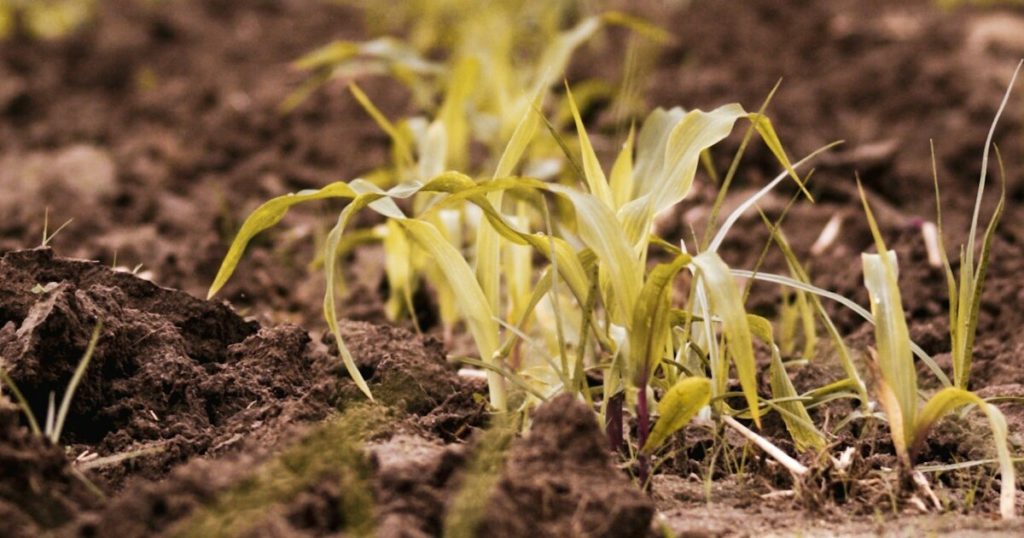
Thyme hails from the alkaline soils of the Mediterranean, while sweet basil—native to tropical Asia—prefers neutral to slightly acidic ground. Skip a pH test, and you risk leggy thyme or yellowing basil. I once had vibrant basil leaves turn droopy because my bed was too basic from leftover lime!
Aim for a pH around 6.0–7.0. If your soil skews too acidic, add lime; if too alkaline, incorporate sulfur or peat moss. Balanced pH means stronger roots, better nutrient uptake, and aromatic, flavor-packed leaves.
Overwatering Basil While Underwatering Thyme
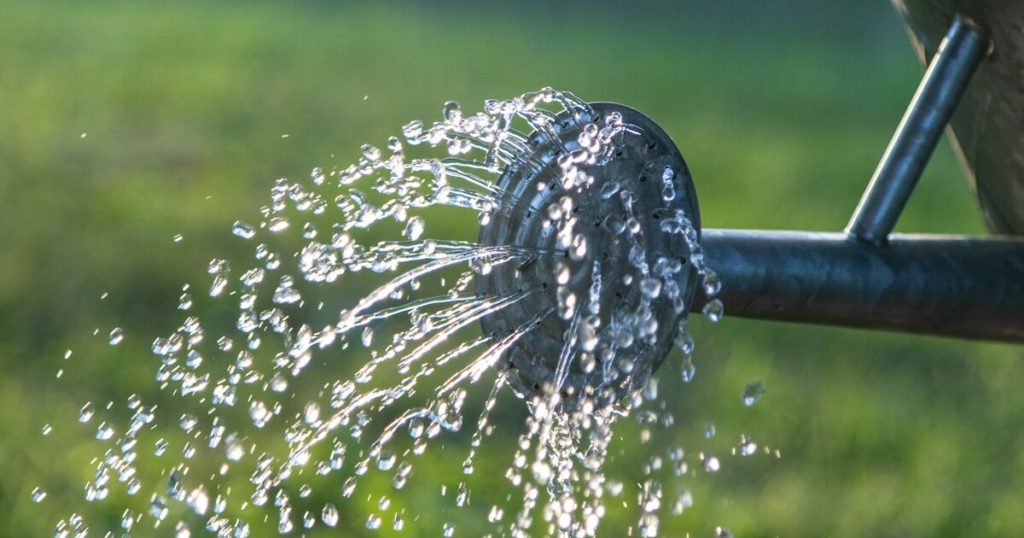
Matching water needs is a juggling act: basil loves consistently moist earth, but thyme detests soggy feet. Overwater basil, and you’ll drown thyme; underwater basil, and its leaves shrivel. I’ve seen perfectly good thyme rot while its thirsty neighbor thrived!
Strike a balance by watering deeply but infrequently. Let thyme’s top inch dry before the next drink, while basil enjoys mulch to retain moisture. This approach keeps basil lush and thyme content—no one gets left out in a drought or drowned in excess!
Neglecting Drainage in Containers or Beds
Good drainage is non-negotiable. Without it, basil’s roots suffocate and thyme’s rot. I once used a decorative pot without holes, and both herbs suffered within days!
Choose pots with ample drainage holes and garden beds with a slight slope or raised edges. You can even mix in perlite or coarse sand to speed water escape. Your thyme will relish its crisp, dry soil, and basil will avoid root stress.
Planting at the Wrong Time of Year

Basil is a warm-weather lover—frost will kill it—while thyme can handle a light frost once established. Sow basil before the last spring frost and it won’t budge, but delay it too long and cooler nights slow its growth. I started basil in mid-March under a cold frame and it barely grew until May’s warmth finally arrived!
Wait until nights reliably stay above 50°F to plant basil outdoors. Thyme, on the other hand, can go in earlier—give it a head start in spring so it’s ready to mingle with basil when warmth returns. Timing is everything for a joyful garden duet!