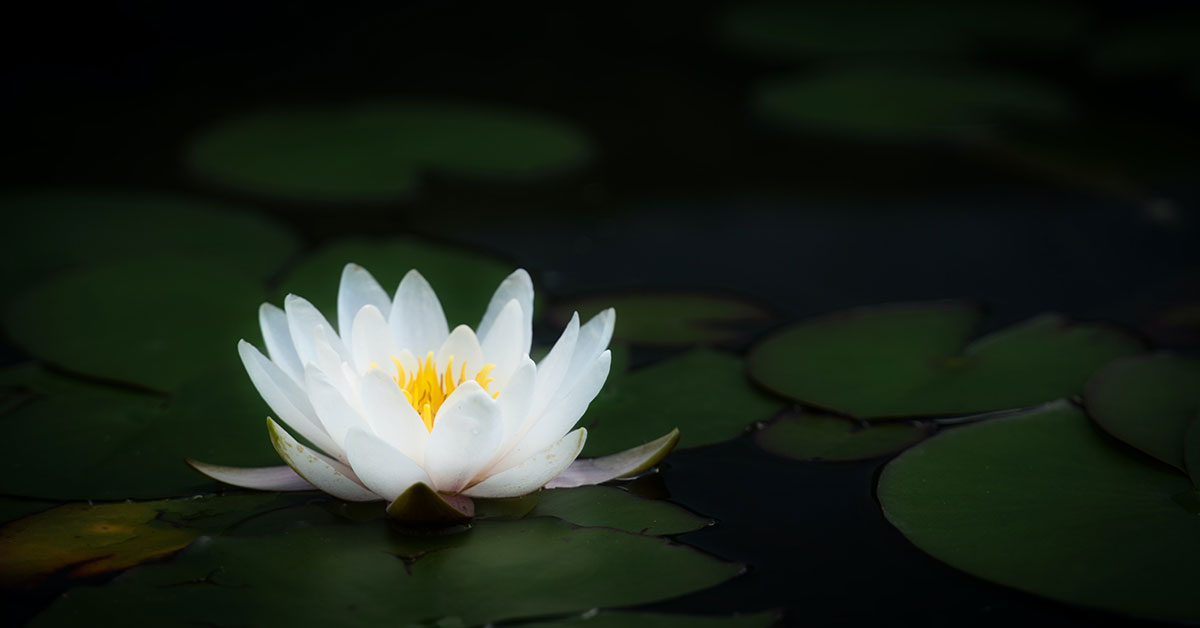

Lotus (Nelumbo nucifera) are one of my favorite aquatic plants, with their serene blooms rising above glassy waters like floating lanterns. Native to Asia and Australia, they’ve been cultivated for millennia in temple ponds and water gardens. Yet, I know how disappointing it is to sow those velvety rhizomes only to see spindly leaves, algae-choked surfaces, or no blooms at all. Growing lotus successfully means mastering their unique needs—from water depth to seasonal care—so let’s dive into the eleven most common mistakes you’ll want to sidestep!
While lotus rarely spread invasively beyond contained ponds, volunteer plants can pop up if you let seed pods mature unchecked. Balancing bloom encouragement with ecological responsibility is key. We’ll cover everything from selecting the right container and soil to pest control, winter protection, and even how to invite beneficial pollinators and aquatic insects to nest nearby. Ready to transform your water feature into a lotus paradise? Here are the mistakes to avoid—in no particular order—to ensure your lotus thrives all season long!
Using the Wrong Soil Type
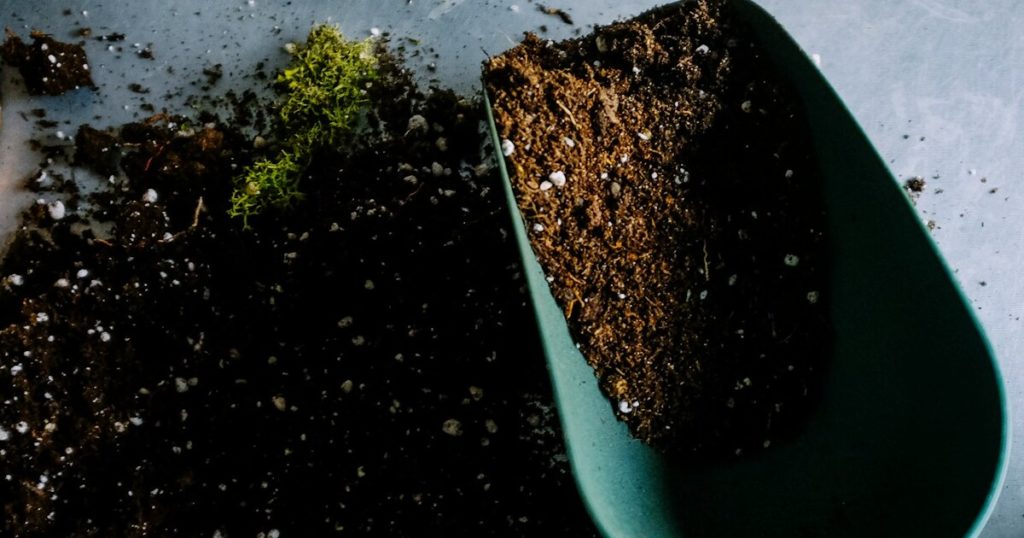
Lotus rhizomes crave a heavy, loamy soil that anchors their fleshy roots and supplies gentle nourishment. I once tried growing lotus in commercial potting mix, hoping the added nutrients would boost growth—but the lightweight media floated away, and the plants never rooted properly! Instead, choose a dense, clay-based pond soil or a blend of topsoil and clay that resists dispersal in water.
Avoid soils with high organic mulch content, which break down and cloud the water with debris. A firm bedding of pond soil also helps beneficial aquatic worms and microfauna thrive, which in turn aerate the substrate and keep roots healthy. It’s such a bummer when your water turns murky—proper soil choice is your first defense against muddiness and poor rhizome anchorage!
Choosing Incorrect Water Depth
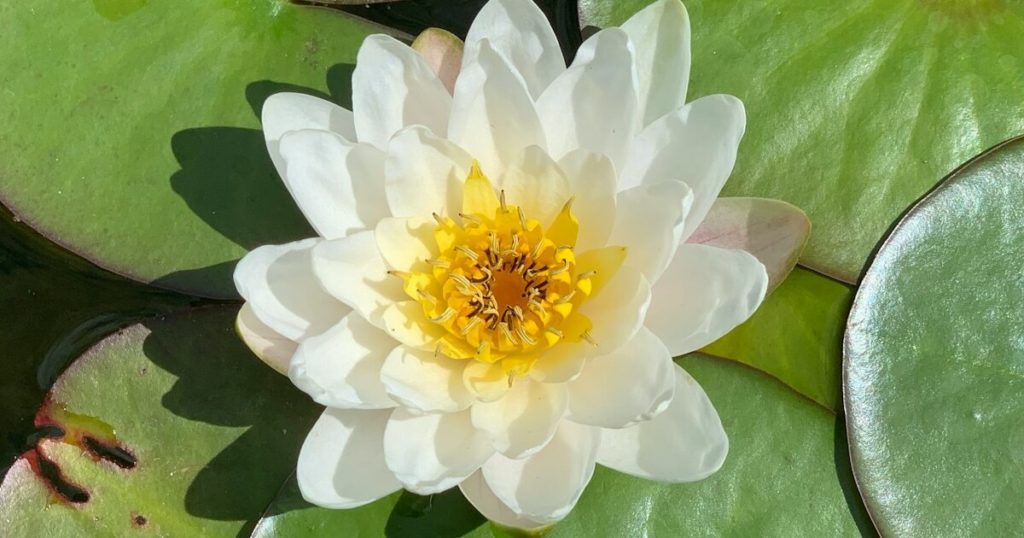
Lotus leaves and buds need to reach the surface, yet their rhizomes must stay submerged at the correct depth. Placing containers too deep can prevent leaves from emerging, while too shallow water risks drying out the roots. I learned this the hard way by sinking a tuber under 18 inches of water—no matter how much sun it got, no leaves appeared!
Aim for about 2–4 inches of water above the soil surface for young plants, increasing to 6–12 inches as they mature. If you have a large pond, slowly lower containers over several weeks to acclimate the rhizomes. This graduated approach prevents shock and encourages strong leaf and flower stalk development!
Planting Tubers Too Deep or Too Shallow

Proper tuber positioning is crucial: burying rhizomes too deeply can rot them, while exposing them invites drying and damage. I once plunged a rhizome entirely under soil, hoping for sturdier anchorage, only to watch it decay before sprouting. Conversely, a tuber barely covered in soil was nibbled by pond snails!
Gently press the rhizome horizontally into the soil, keeping its growing tips (eyes) just above the substrate. Cover with a thin layer of soil—no more than an inch—so new shoots can break through easily. This balance protects the tuber while giving emerging leaves a clear path to the sun.
Overfertilizing Early in Growth

Fertilizer spikes or tablets can boost lotus bloom numbers—but too much too soon leads to rampant leaf growth and few flowers. I fed mine heavily in the first month, expecting a showy display; instead, I ended up with a jungle of oversized pads and no blooms to admire! Lotus benefit from a “bloom boost” feed only once robust leaves appear, typically 4–6 weeks after planting.
Use low-phosphorus, aquatic plant–specific fertilizer tablets placed a few inches from the rhizome, pushing them gently into the soil. This targeted approach feeds blooms without burning roots or promoting excessive foliage. Remember: it’s those nutrient-starved ponds that sometimes surprise you with their pure, elegant lotus flowers!
Underestimating Sunlight Requirements

Lotus are sun worshippers—at least six hours of direct sunlight daily is essential for bud production. I tucked a container in a shaded corner to keep the blooms cooler, only to find pale leaves and no flower buds. Moving them to a sunnier spot transformed the patch: suddenly, buds formed and petals unfurled by midday!
In hotter climates, afternoon shade can prevent scorching, but don’t sacrifice morning or midday light. If your pond sits beneath a pergola or tree canopy, consider trimming overhead branches or relocating containers. Bright sun not only supports dramatic blooms but also heats the pond slightly, speeding up growth in cool springs.
Neglecting Pest and Algae Management

A thriving lotus patch can attract unwanted guests—slugs, pond snails, and aphid hordes—that chew tender leaves and suck plant juices. I once returned from vacation to find hole-punched pads and sticky residue! A weekly inspection and timely removal of pests by hand or with gentle horticultural oils keeps plants healthy without harming aquatic wildlife.
Algae blooms are another bummer: they compete for nutrients and cloud your water display. Introduce aquatic snails that graze on algae, or add floating plants like water lettuce to shade the surface. Beneficial insects such as dragonfly nymphs will also patrol the water, hunting mosquito larvae and keeping the pond ecosystem balanced!
Failing to Protect Rhizomes in Winter

In colder zones, failing to insulate lotus rhizomes can mean losing precious specimens to frost. I once left containers in an unheated greenhouse unprotected, only to find mushy tubers in spring! The solution is simple: lower pots to the deepest part of the pond—below the freeze line—or lift and overwinter them indoors in damp sand at 40–50°F.
If lifting seems daunting, wrap submerged pots in insulating bubble wrap or pond blanket material to buffer against rapid temperature swings. Either method prevents frost heave and ensures your lotus awaken vigorously when spring returns!
Skipping Seasonal Tuberosus Division

Over several seasons, lotus tubers form crowded clumps, leading to smaller flowers and fewer leaves. I neglected division for three years and ended up with a mat of weak rhizomes. Dividing every 2–3 years rejuvenates your plants: simply lift the clump in early spring, cut into sections with 2–3 growing tips each, and replant separately.
Division not only boosts bloom size but also lets you share lotus gifts with friends! Each new division establishes faster than starting from seed, so you’ll enjoy dramatically larger flowers by midsummer. Plus, dividing keeps your pond beds neat and prevents overcrowding issues down the line.
Overcrowding Containers or Pond Beds

Lotus need space to spread their pads and bloom freely—crowding stunts growth and fosters disease. I once squeezed three tubers into a single 10-gallon basket, hoping for a dense display; instead, each plant struggled for nutrients. Giving each division a 12–18 inch–wide container ensures ample room for rhizome expansion and leaf unfurling.
Proper spacing also improves air circulation above the water, reducing fungal risks on leaves. If you’re using pond beds, leave at least a foot between clumps; in containers, rotate them to keep views dynamic and avoid “dead zones” where light can’t reach!
Ignoring Invasive Potential and Spread

Although lotus rarely invade beyond designed water features, mature plants can produce seeds that germinate along pond edges. Leaving seed pods intact without monitoring can lead to volunteer plants in unwanted areas. I learned to deadhead spent flowers before pods formed to control volunteer seedlings.
If you want seed production for propagation, confine those pods to a separate container and collect seeds before they disperse. Responsible pruning and monitoring keep lotus where you intended—your pond or water garden remains tidy, and nearby ecosystems stay balanced!