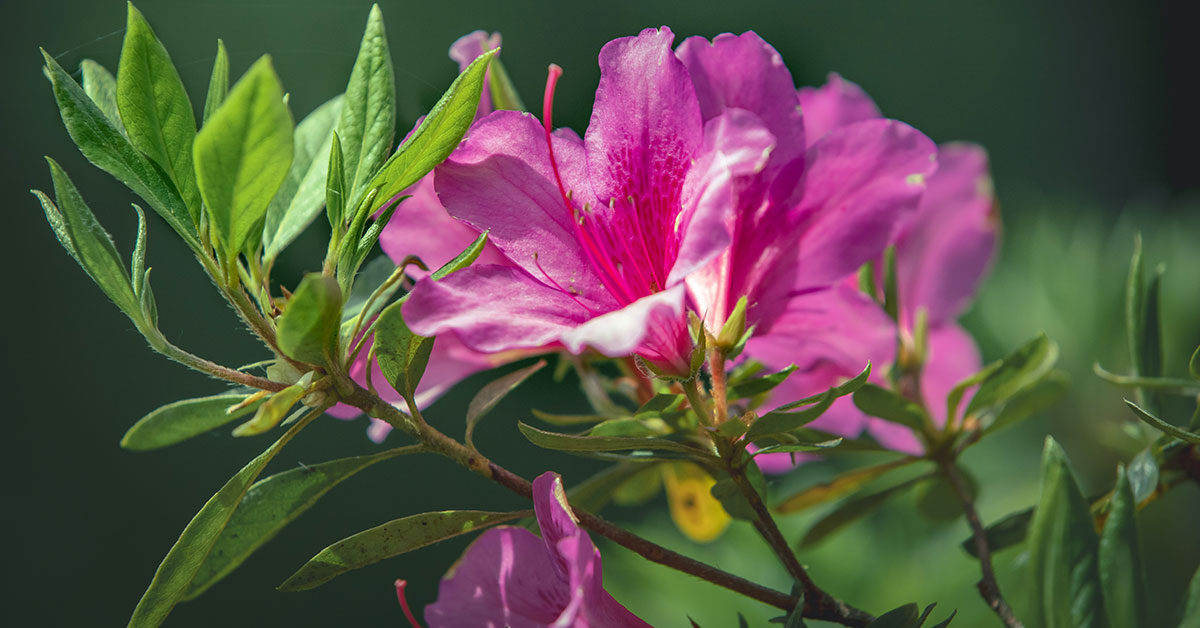

I’m thrilled to share with you a curated list of companion plants that can truly transform your garden, especially when paired with azaleas! If you’ve ever struggled with creating a harmonious and vibrant garden space, I completely understand your frustration. It’s such a bummer when pests take over your garden or when your beloved plants don’t quite complement one another. That’s why I’ve put together this guide, blending both beauty and practicality, to help you achieve a balanced and thriving outdoor sanctuary. Every plant featured here is not only stunning in its own right but also plays a role in supporting beneficial insects and providing shelter for local wildlife.
In this journey, you’ll discover plants from various parts of the world—each with its own unique history, growing habits, and native roots. I’ve taken care to highlight where each plant is native and whether it tends to be invasive, so you can plant with confidence and care. With a little friendly advice and loads of enthusiasm, I invite you to explore these delightful companion plants that will pair wonderfully with your azaleas, elevating your garden to a new level of natural beauty and ecological balance!
Pieris japonica
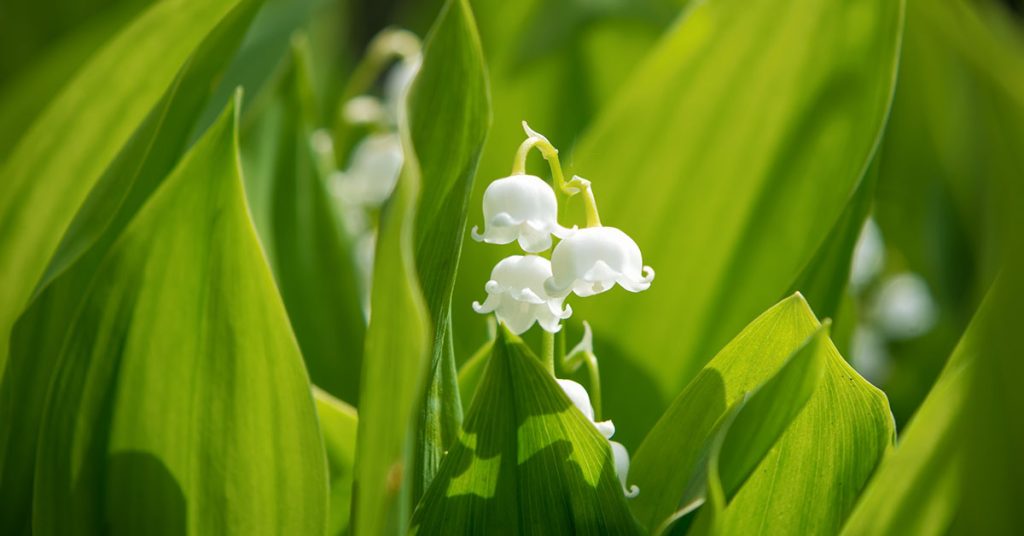
Pieris japonica, often known as the Lily-of-the-Valley shrub, is a wonderful evergreen companion for azaleas. Native to Japan, China, and Korea, it offers clusters of delicate, bell-shaped flowers and glossy, dark green foliage that provide an elegant contrast to the bright, showy azaleas. I remember the first time I saw its blooms—like tiny bells chiming in the wind, it instantly transformed my garden into a serene retreat! This shrub naturally attracts various pollinators such as bees, ensuring a lively, buzzing ecosystem in your garden.
What excites me most about Pieris japonica is its dual role in adding both beauty and ecological benefits. The plant’s structure creates the perfect microhabitat for small insects and birds, offering nesting spots and shelter from predators. Moreover, it’s non-invasive, which means you can let it grow without worrying about it overrunning your garden space. For any gardener seeking a harmonious blend of aesthetics and wildlife support, Pieris japonica is a truly delightful choice!
Ferns
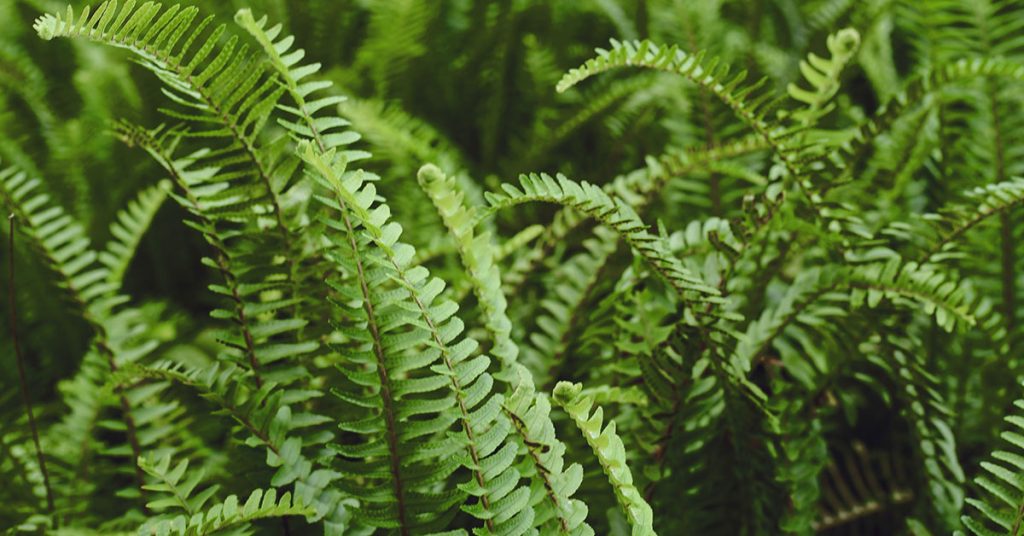
Ferns are a timeless addition to any garden, and when grown with azaleas, they create a lush, woodland atmosphere that I find absolutely enchanting. Native to various parts of the world including Asia, Europe, and North America, ferns like the Japanese Painted Fern thrive in the same partial-shade conditions that azaleas love. Their feathery fronds provide a soft, cascading texture that not only beautifies the garden but also creates an inviting space for beneficial insects and small critters looking for a safe retreat.
I always appreciate how ferns help in maintaining soil moisture and adding a natural layer of mulch around the azaleas. Their intricate leaf patterns offer a delightful contrast to the bold and vibrant blooms of the azaleas, making every stroll through your garden a visual treat! Best of all, these plants are non-invasive and naturally curb soil erosion, making them a practical and aesthetically pleasing addition. It’s truly satisfying to watch these plants work together in perfect harmony!
Astilbe
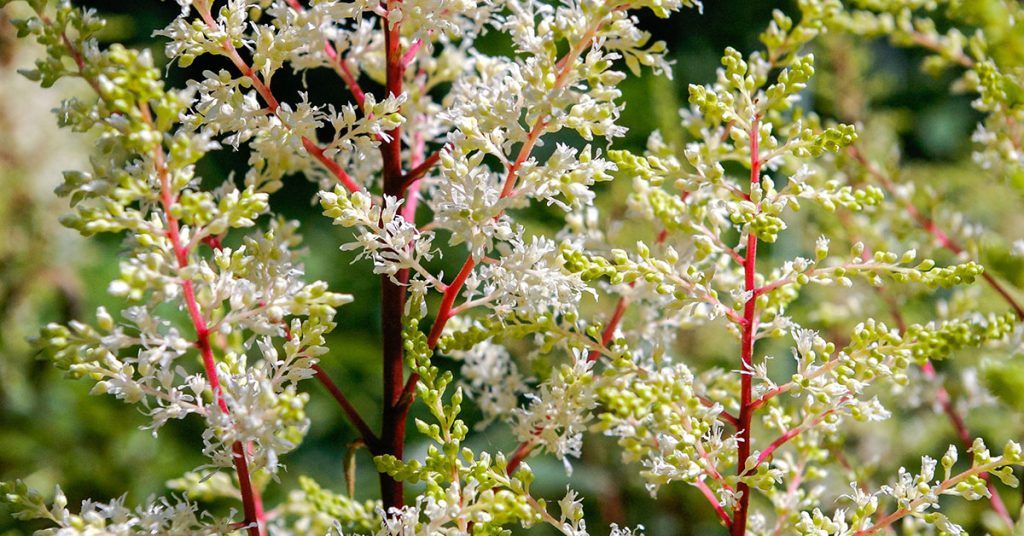
Astilbe is a captivating perennial that adds both texture and delicate color to any garden featuring azaleas. Native to Asia and parts of North America, its plume-like flowers in shades of pink, red, or white create an airy, whimsical appearance that beautifully offsets the dense, structured form of azaleas. I’ve always been impressed by how these feathery blooms seem to dance lightly above the foliage, attracting a range of pollinators including butterflies and bees which help keep the garden buzzing with life!
Astilbe thrives in moist, shady conditions, making it an ideal partner for azaleas, especially in gardens that experience humid summers. Its natural habitat in woodland areas gives it a unique charm that reminds me of secret garden hideaways! And while it forms lovely clumps over time, it is not considered invasive—so you can enjoy its beauty without worrying about it overtaking your garden space. It’s a true win-win for gardeners who value both style and sustainability.
Fuchsia

Fuchsia adds an element of playful elegance to any garden, particularly when combined with the bold beauty of azaleas. Native to Central and South America, these plants are renowned for their pendulous, trumpet-shaped blooms that create a dramatic cascade of color. I’m always delighted to see fuchsias in my garden because they bring an almost whimsical, fairy-tale quality, complemented by their ability to attract hummingbirds and butterflies in search of nectar!
These dynamic flowers not only serve as a visual feast but also contribute to the overall health of your garden ecosystem. Fuchsias provide natural feeding grounds for pollinators, ensuring that beneficial insects are active and thriving around your azaleas. With proper care and a little pruning, they remain non-invasive, making them an excellent, low-maintenance choice for any gardener who wants to add a splash of color and life to shaded garden areas. Their lively presence truly makes every garden stroll a joyful experience!
Hydrangeas
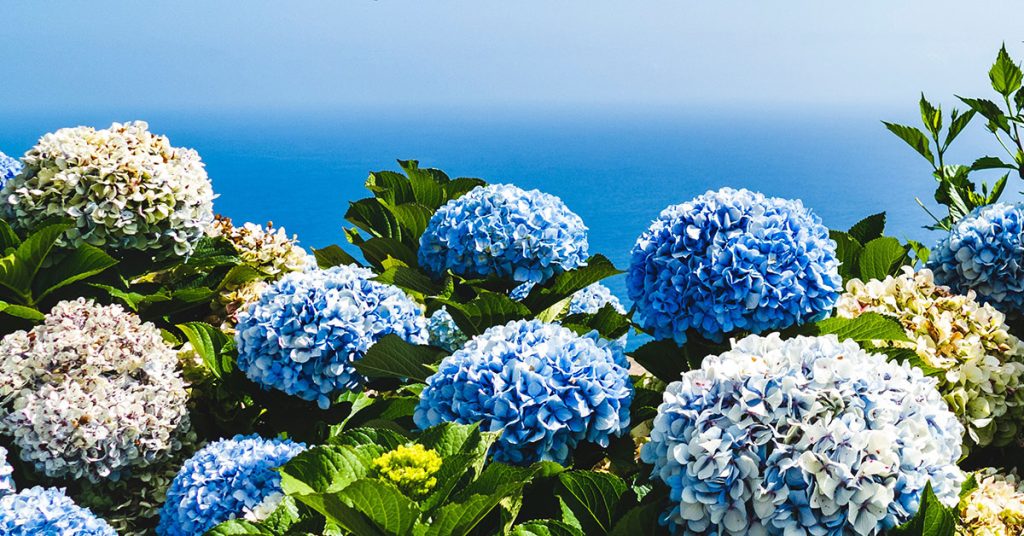
Hydrangeas bring a majestic, almost regal presence to gardens, making them a superb companion to azaleas. Originating from regions in Asia and the Americas, these shrubs are celebrated for their large, rounded flower clusters and broad, lush leaves that provide a soft backdrop to the more delicate azalea blooms. I love how hydrangeas add depth and texture to garden borders, creating a layered effect that makes the entire space feel thoughtfully designed and serene!
In addition to their stunning appearance, hydrangeas are fantastic for attracting various pollinators and even small birds seeking a safe nesting spot among the branches. Their ability to shift color with soil pH is yet another fascinating aspect that can add intrigue and variety to your garden design. Even though some varieties can spread, they’re generally manageable with routine maintenance and are not invasive, ensuring that your azaleas remain the star of the show without being overshadowed.
Japanese Forest Grass
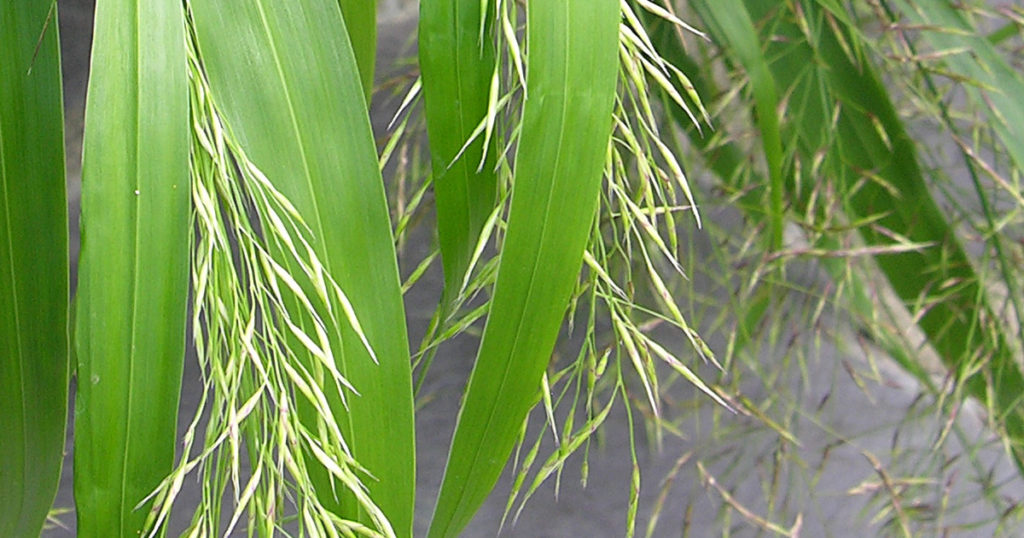
Japanese Forest Grass, or Hakonechloa macra, is an exceptional ornamental grass that pairs beautifully with azaleas. Native to Japan, this plant thrives in the same shaded, woodland conditions that azaleas prefer, making it a natural and harmonious addition to any garden. Its cascading, arching leaves provide a gentle, flowing texture that contrasts delightfully with the bold blooms of azaleas. Every time I see its graceful movement in the breeze, I’m reminded of a serene stream winding through a forest!
Beyond its visual charm, Japanese Forest Grass plays a practical role by helping to cool the garden microclimate and reduce soil temperature. It spreads slowly over time, forming a non-invasive groundcover that effectively suppresses weeds and creates a neat, organized look. The grass also attracts small beneficial insects that help keep pest populations in check—a bonus for any gardener who’s ever been frustrated by unwanted critters in the garden!
Heuchera
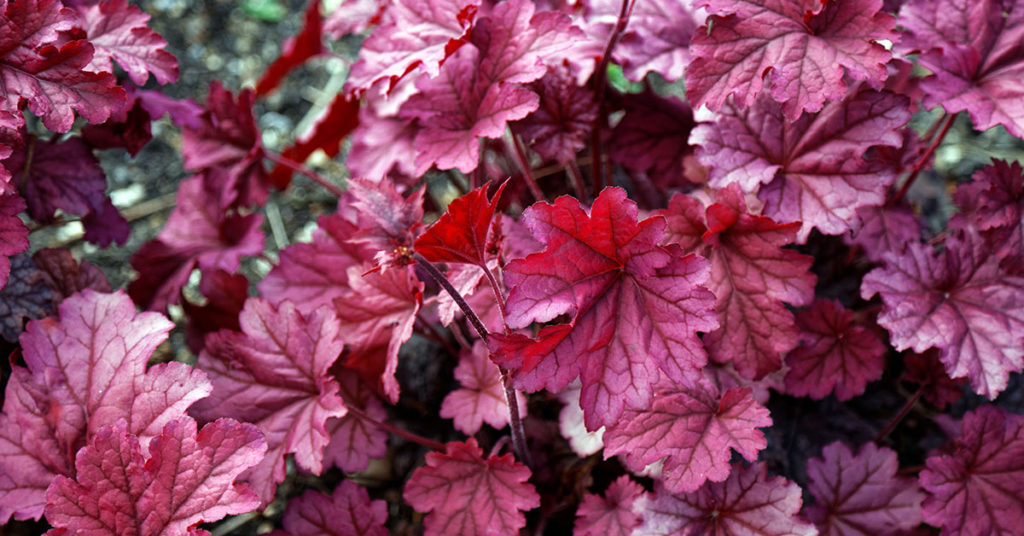
Heuchera, commonly known as Coral Bells, is a striking perennial that offers a kaleidoscope of foliage colors perfect for complementing the vivid azaleas. Native to North America, these plants display leaves in a myriad of shades from deep burgundy to vibrant lime, adding a textured visual layer to your garden beds. I find the contrast between the delicate, lobed leaves of Heuchera and the bold, flourishing azaleas incredibly satisfying, as it creates a dynamic interplay that keeps my garden both lively and balanced.
The benefits of Heuchera extend beyond its beauty—it’s a magnet for beneficial insects like bees and butterflies, which play a crucial role in pollination. Its compact, clumping growth habit also makes it an excellent groundcover, helping to reduce weed growth and retain soil moisture. I appreciate how Heuchera contributes not only to the aesthetic appeal but also to the ecological health of the garden, making it a truly delightful addition for anyone striving to create a sustainable, flourishing outdoor space!
Sweet Woodruff
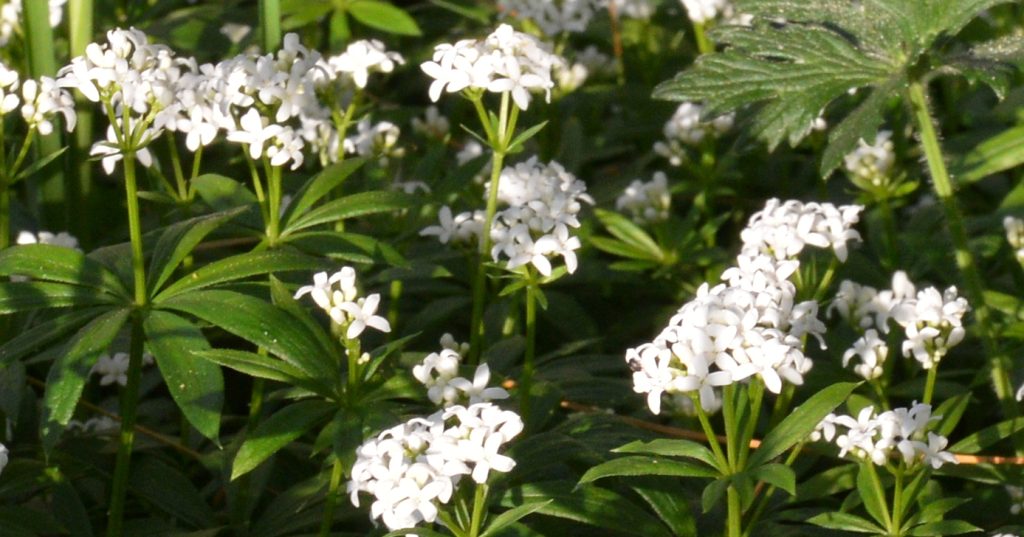
Sweet Woodruff, known scientifically as Galium odoratum, is a charming groundcover that works wonders beneath azaleas. Native to Europe, this low-growing herbaceous perennial boasts delicate, star-shaped white flowers and a sweetly scented foliage that infuses the garden with an enchanting aroma. I’ve always been captivated by its ability to create a soft, natural carpet under larger shrubs, making every garden walk feel like a peaceful stroll through an enchanted forest!
In my own gardening experience, Sweet Woodruff has proven invaluable for attracting beneficial insects, including vital pollinators that help maintain a vibrant garden ecosystem. Its non-invasive nature means you can enjoy its beauty without the worry of it overrunning your garden spaces. Thriving in shady areas alongside azaleas, it effectively bridges gaps between different plant textures, ensuring that every inch of your garden feels thoughtfully designed and nurtured.
Hellebores
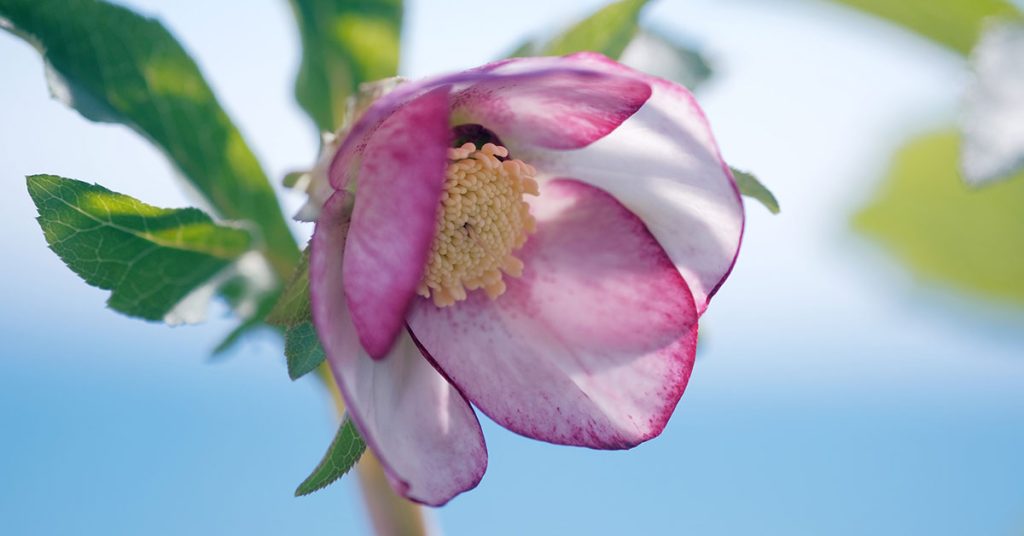
Hellebores, often referred to as Lenten Roses, are a delightful early-blooming perennial that adds a touch of mystique to any azalea garden. Native to central and southern Europe as well as parts of Asia, these plants unfurl a gentle palette of colors—from soft greens to muted purples—just as winter begins to recede. I’m always excited to see hellebores emerge because they bring life and subtle color to the garden when many other plants are still dormant, creating an atmosphere of hopeful renewal!
What makes hellebores even more special is their role in attracting early-season pollinators. Bees and other insects are drawn to their delicate, nectar-rich flowers, kickstarting the pollination process and setting the stage for a thriving garden throughout the warmer months. Hellebores are non-invasive and tend to naturalize gracefully, offering both visual interest and practical benefits. Their unique charm and reliability in cool conditions make them an absolute must-have for anyone looking to extend the flowering season in their garden!
Camellias
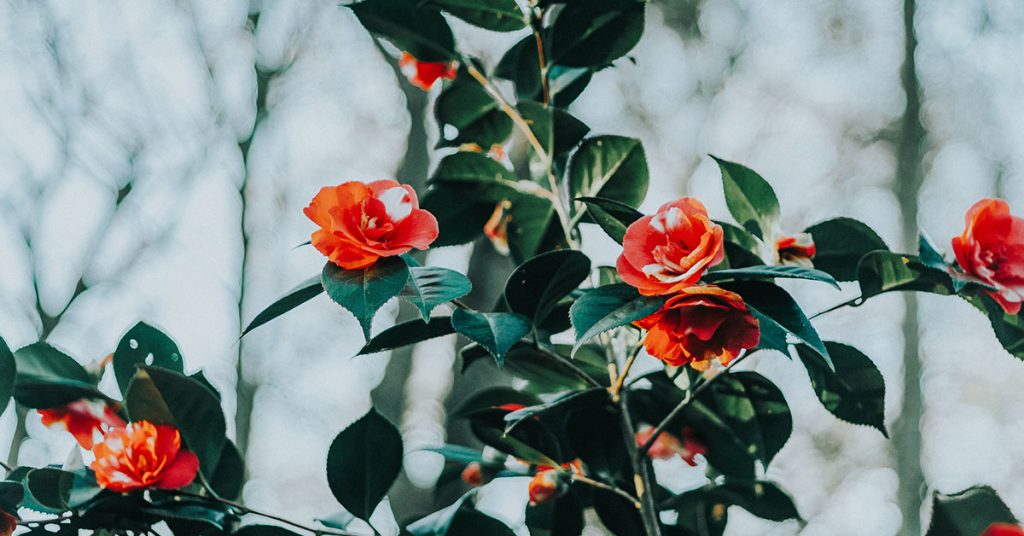
Camellias are an exceptional addition to any garden featuring azaleas, providing year-round interest with their glossy foliage and exquisite blooms. Native to eastern and southern Asia, these evergreen shrubs bloom during the winter or early spring, offering a burst of color when many other plants are in dormancy. I’ve found that the interplay between camellias and azaleas creates a luxurious, layered look that adds depth and sophistication to any garden space. Their presence truly turns an ordinary garden into a vibrant winter wonderland!
Beyond their striking beauty, camellias play an important ecological role by attracting birds and beneficial insects. Their dense, protective branching creates ideal nesting sites and safe havens for local wildlife, a feature that resonates deeply with any gardener passionate about supporting nature. Although camellias are not considered invasive, it’s wise to monitor their growth to ensure they harmoniously complement your azaleas. Their robust nature and timeless elegance make them a perennial favorite among gardeners who cherish both aesthetic appeal and ecological balance.
Solomon’s Seal
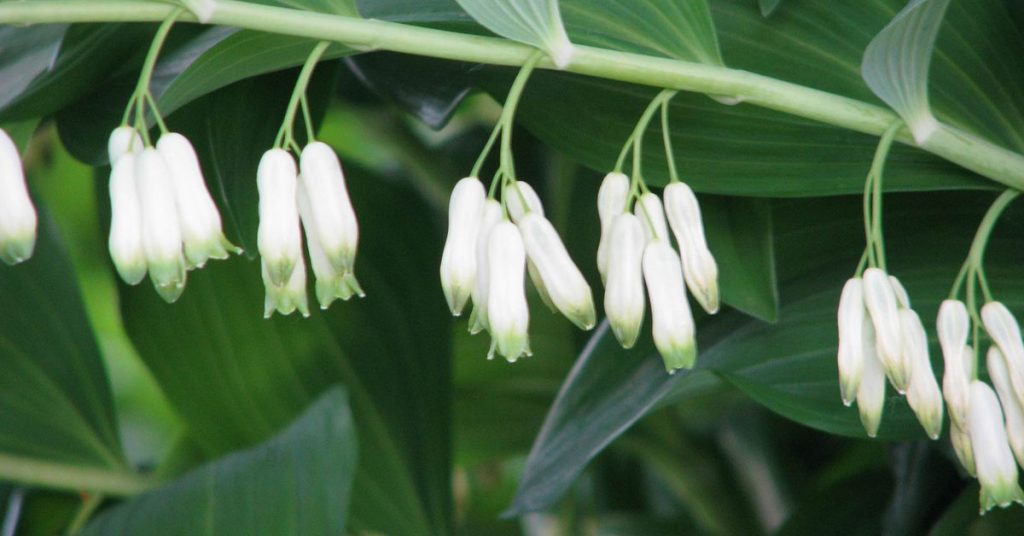
Solomon’s Seal, or Polygonatum odoratum, is a graceful, shade-loving perennial that pairs wonderfully with azaleas. Native to temperate regions across the Northern Hemisphere, this plant is celebrated for its arching stems and delicate, bell-shaped flowers that seem to dance in the dappled sunlight. I’m continually fascinated by its understated elegance and the sense of tranquility it brings to a garden. Its subtle charm offers a perfect counterbalance to the vivid blooms of azaleas, creating a natural, woodland-inspired retreat!
In addition to its visual appeal, Solomon’s Seal plays a vital role in attracting beneficial insects and small pollinators. Its early-blooming flowers serve as an important source of nectar, encouraging bees to visit and thrive even before the peak of summer. The plant is non-invasive, ensuring that its gentle growth habit enhances rather than overwhelms your garden. For anyone looking to craft a garden that feels like a serene escape, Solomon’s Seal is a truly enchanting choice that completes the picture of natural harmony!