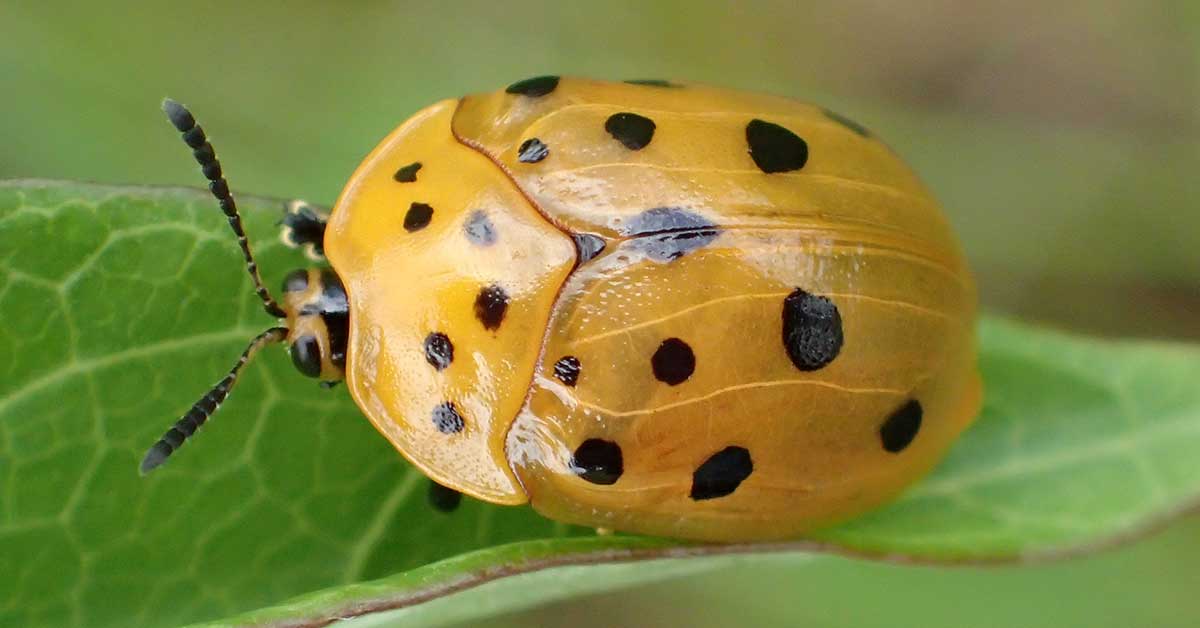

Gardening is such a rewarding adventure, but it can quickly turn sour when invasive insects invade your carefully cultivated sanctuary. I know the heart-sinking feeling when you spot these pests creeping among your prized plants, threatening your blooms and veggies. In this article, I’m excited to share 11 invasive insects that can wreak havoc in your garden—each with its own story of origins, behaviors, and the damaging impact they can have. As a dedicated gardener, I truly understand your frustration and am here to help you identify and deal with these unwelcome guests!
Each section below explores a different insect in a randomized order, revealing where it originally hails from, how it behaves (including nesting and feeding habits), and why it’s considered invasive. With a blend of firsthand experience and practical insights, my goal is to equip you with the knowledge you need to protect your garden. So, let’s dive into the world of these destructive critters and take back control of our green spaces!
Red Imported Fire Ant
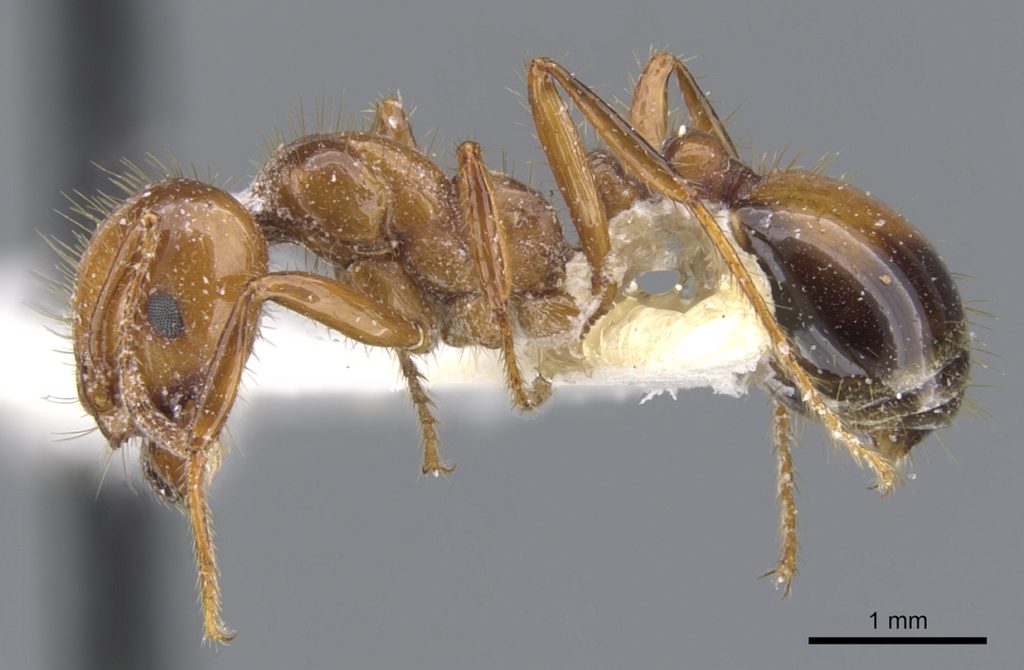
Red Imported Fire Ants, originally from South America, have become a notorious menace in many parts of the United States. These fiery insects are aggressive and known for their painful stings, which can pose risks not only to your garden plants but also to you and your family. They establish large, sprawling mounds in garden beds, disrupting the soil structure and displacing beneficial organisms. It’s truly alarming to see how rapidly they spread once they get a foothold in your yard!
These ants are adept at forming extensive colonies that can seem almost impenetrable. Their social structure and the way they vigorously defend their nests make them a formidable enemy. I understand how disheartening it can be when your garden’s natural balance is upset by such an invasive species. Managing them promptly and effectively is essential to prevent further damage to your precious plants and the overall ecosystem!
Japanese Beetle

Japanese Beetles, native to Japan, are a common sight in many North American gardens, and their arrival is anything but welcome. These shimmering green and copper bugs have a voracious appetite for a wide range of plants, devouring leaves, flowers, and even fruit. They are notorious for creating skeletonized foliage that leaves behind only veins—a devastating sight for any gardener trying to maintain a lush, healthy landscape. Their aggressive feeding habits make them one of the most damaging invasive insects around!
What makes Japanese Beetles even more troublesome is their ability to congregate in large numbers, forming swarms that can decimate entire garden sections. They also have a rapid life cycle, with larvae that develop in the soil and further disturb the earth’s structure. I know it’s such a bummer when these pests appear, seemingly out of nowhere, and begin to feast on your beloved plants. It’s important to stay vigilant and take swift action to keep these beetles at bay!
Spotted Lanternfly
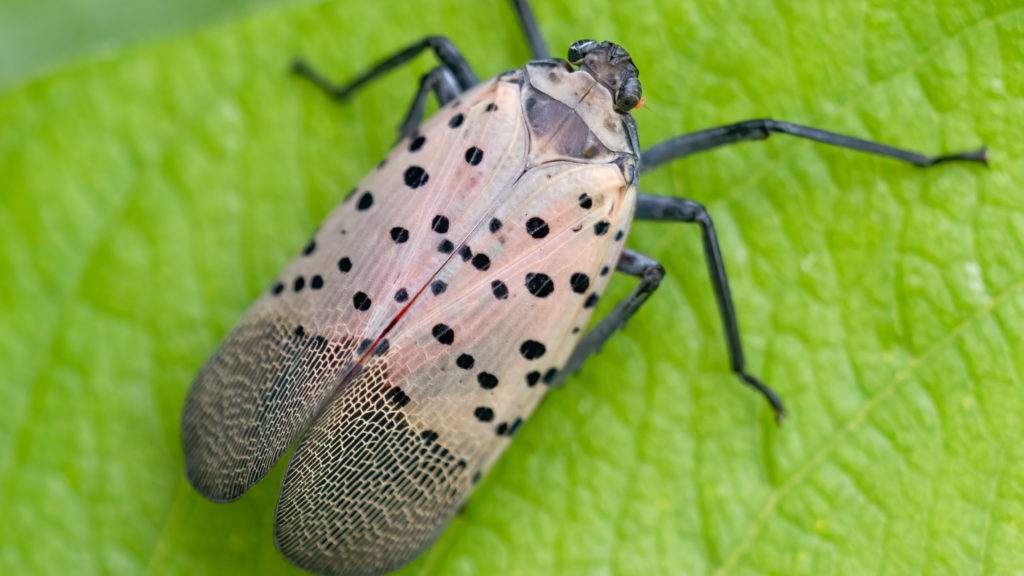
Originally from China, the Spotted Lanternfly has quickly become a major concern for gardeners in several regions. This striking insect, with its bold patterns and unusual wing shapes, is far more than a pretty face—it feeds on the sap of a variety of plants, weakening them over time. Their feeding behavior not only stresses the plants but also makes them more susceptible to diseases and other pests. Seeing these invaders in your garden is a clear sign that you need to act fast to protect your greenery!
Spotted Lanternflies are known for their peculiar habits, including congregating on trees and other plants where they can form large colonies. They are especially dangerous because their presence can lead to a cascade of ecological issues, from reduced plant vigor to increased infestations of secondary pests. I truly empathize with any gardener who’s had to deal with these pests, as their sudden appearance and rapid spread can feel overwhelming. Staying informed and taking prompt control measures is key to keeping your garden healthy and thriving!
Asian Longhorned Beetle

The Asian Longhorned Beetle, native to China and Korea, is a silent yet devastating invader in many gardens and urban forests. These large, wood-boring insects are particularly notorious for attacking a wide range of trees and shrubs, weakening them from the inside out. Their larvae tunnel through the wood, disrupting nutrient transport and ultimately leading to the decline of the affected trees. Witnessing the damage they inflict on your favorite trees can be both heartbreaking and infuriating!
What makes these beetles especially challenging is their stealthy behavior; they often go unnoticed until the damage is extensive. The adults are striking in appearance with their long antennae, but behind that allure lies a relentless appetite for destruction. I understand how frustrating it is to invest time and care into nurturing your garden, only to have these invasive beetles undermine your efforts. Effective monitoring and immediate removal are essential to halt their destructive progress!
Brown Marmorated Stink Bug
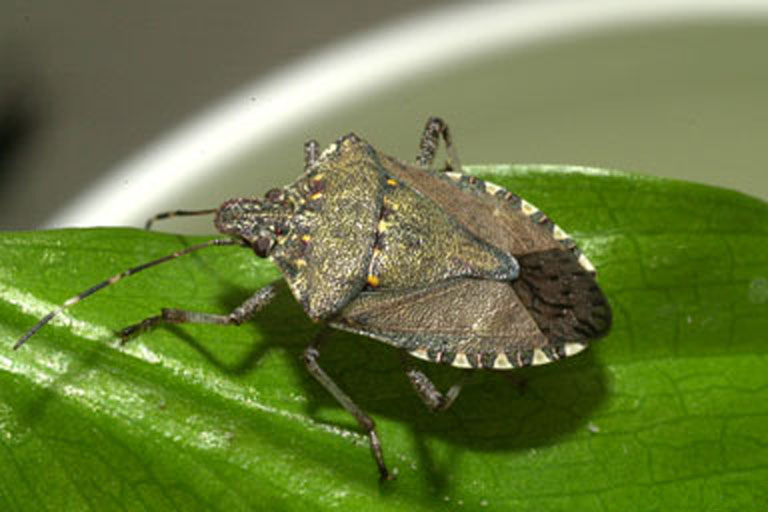
Brown Marmorated Stink Bugs, native to East Asia, have earned a reputation as one of the most troublesome invasive pests in recent years. These shield-shaped insects are notorious for their tendency to cluster in large numbers and release a pungent odor when disturbed, adding insult to injury for any gardener trying to maintain a serene outdoor space. They feed on a variety of fruits, vegetables, and ornamental plants, causing significant damage to foliage and reducing crop yields. Their presence is a constant reminder that your garden is under siege!
What makes these stink bugs particularly problematic is their remarkable adaptability and rapid reproduction rate. They have a knack for finding shelter in protected areas of your garden and even inside your home as the weather cools down. I completely understand the dismay you might feel when these pests invade your garden, leaving behind a trail of destruction and a lingering, unpleasant smell. Taking action early is crucial to prevent these bugs from establishing a permanent foothold in your cherished garden!
Gypsy Moth

Gypsy Moths, originally from Europe and Asia, are infamous for their caterpillars, which can defoliate entire trees and shrubs in a matter of weeks. These insects have become a significant problem in many regions due to their rapid spread and voracious appetite for foliage. The larvae feed on a wide variety of trees, often stripping them of leaves and leaving behind a stark, barren landscape. It’s a heartbreaking sight for any gardener who takes pride in the health and beauty of their plants!
The life cycle of the Gypsy Moth is as disruptive as it is destructive. The caterpillars, which are the primary culprits, can form massive groups that intensify the damage as they feed together. This gregarious behavior not only speeds up defoliation but also makes it more challenging to manage them before serious harm is done. I know how distressing it is to see your trees and shrubs suffer from such relentless feeding, and it’s imperative to address these infestations quickly to save your garden from long-term damage!
Fall Armyworm
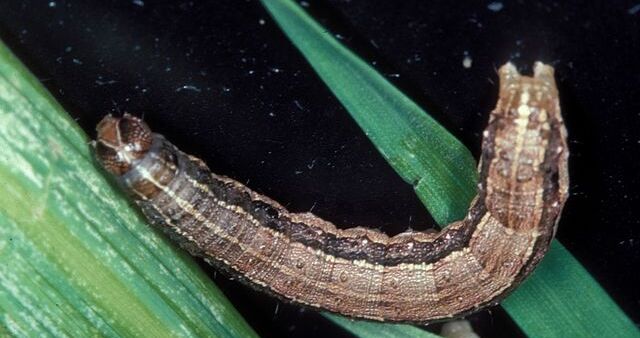
The Fall Armyworm, native to tropical and subtropical regions of the Americas, has recently made headlines as a damaging invasive pest in gardens and agricultural fields across the globe. These caterpillars are known for their rapid movement in large groups, devouring crops in their path with astonishing speed. Their ability to cause widespread damage to a variety of plants—from vegetables to ornamental species—makes them a formidable enemy for any gardener. It’s truly alarming to see such destructive behavior unfold right before your eyes!
What’s particularly concerning about Fall Armyworms is their remarkable capacity for migration and reproduction. They don’t just settle for one spot; instead, they actively search for new areas to invade, leaving a trail of decimated plants in their wake. Their tendency to nest in clusters makes them even harder to eradicate once they’ve taken hold of your garden. I understand the frustration of encountering these pests, as their rapid spread can quickly turn a once-thriving garden into a devastated landscape. Prompt, decisive action is essential to protect your cherished plants from their relentless appetite!
Citrus Psyllid
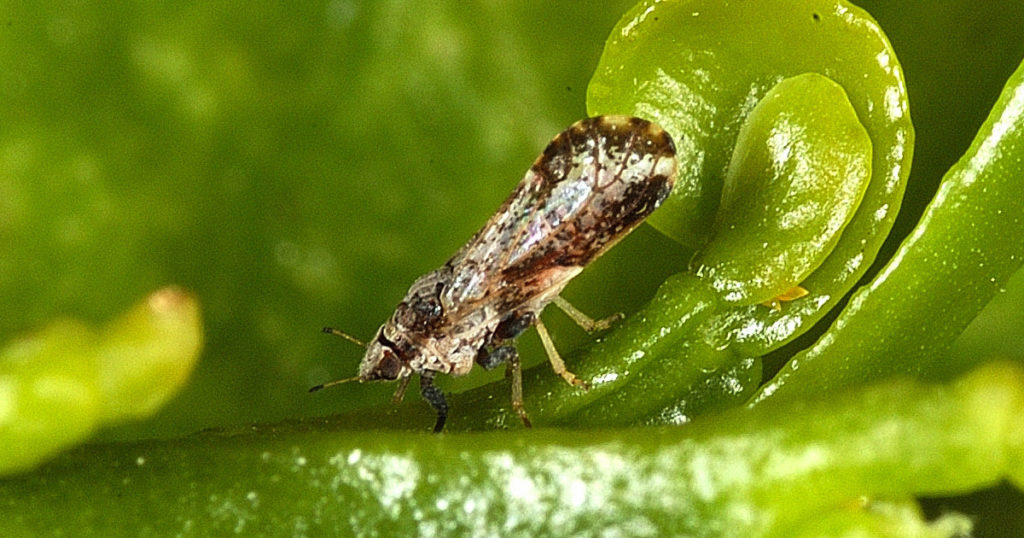
The Citrus Psyllid, originally from Asia, has become an invasive threat in many regions where citrus trees and ornamental plants thrive. This tiny insect might be easy to overlook, but its impact is far from insignificant—it spreads citrus greening disease, which can severely compromise the health of your trees. The psyllids tend to congregate on new growth and tender leaves, where they can reproduce rapidly and cause significant damage before you even realize they’re there. Their tiny size belies their capacity for destruction!
Despite their diminutive appearance, Citrus Psyllids are a serious concern for any gardener who values healthy, vibrant citrus trees. They are known for their ability to nest in the crevices of leaves and stems, making them particularly difficult to eradicate once an infestation takes hold. I completely empathize with the anxiety of spotting these pests, knowing that they can silently undermine the vitality of your garden. Staying vigilant and employing targeted control measures is crucial to safeguarding your citrus trees from this invasive menace!
Whitefly

Whiteflies, small yet highly destructive, are invasive pests that can quickly overrun a garden if left unchecked. Originating from tropical and subtropical regions, these minuscule insects feed on plant sap, weakening plants and transmitting a host of viral diseases. Their rapid reproduction rate means that an infestation can escalate swiftly, leading to widespread damage on leaves and reducing the overall vigor of your garden. Even though they are tiny, their impact is undeniably huge, and their presence is a clear signal to take action immediately!
Whiteflies are known for their tendency to form dense colonies on the undersides of leaves, where they not only feed but also reproduce in large numbers. This clustering behavior can make it incredibly challenging to manage them without targeted interventions. I’ve often been frustrated by the sight of whiteflies blanketing my garden, transforming healthy foliage into a discolored, wilting mess. It’s vital to address these pests promptly to restore balance and ensure that your plants can thrive without the burden of this invasive species!
Emerald Ash Borer
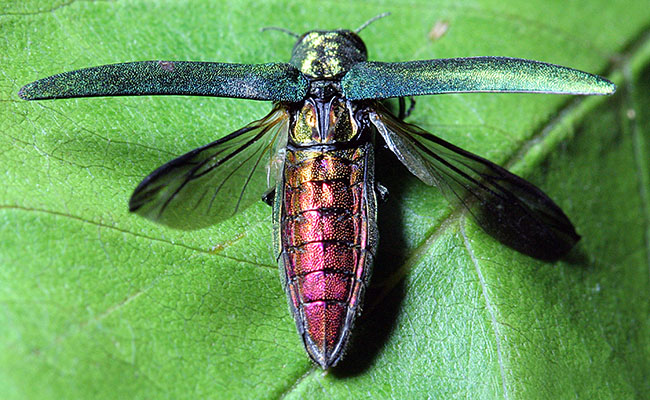
The Emerald Ash Borer, native to Asia, is a destructive wood-boring beetle that has wreaked havoc on ash trees in numerous regions. Although primarily a threat to larger trees, its invasive presence can impact garden landscapes that incorporate ash trees for shade or ornamental purposes. These beetles are notorious for their insidious behavior; the larvae tunnel beneath the bark, disrupting the flow of nutrients and ultimately leading to the tree’s decline. Their emerald-green sheen might be visually appealing, but it conceals a deeply harmful nature that no gardener should ignore!
The damage caused by the Emerald Ash Borer is often difficult to detect until it’s too late, making early intervention absolutely crucial. I’ve experienced the dismay of watching once-vibrant trees slowly deteriorate under the relentless assault of these invasive beetles. Their ability to hide within the bark and breed rapidly creates a challenge that requires diligent monitoring and swift management. If you value the integrity of your garden’s trees, it’s essential to be on the lookout for signs of this pest and take decisive action to prevent further devastation!
Colorado Potato Beetle
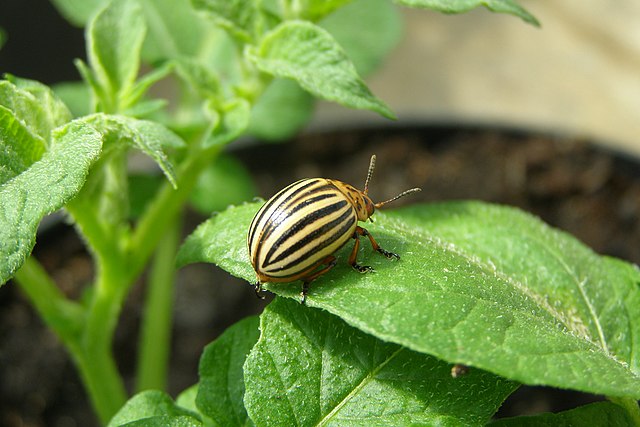
The Colorado Potato Beetle, originally native to North America but now invasive in many parts of the world, is a relentless pest that can decimate potato crops and other related plants. These beetles are not just a nuisance—they are notorious for their capacity to defoliate plants, leaving behind only bare stems and ruined foliage. Their adaptability and rapid reproduction mean that once they’re detected, they can quickly spread across your garden, causing extensive damage before you have a chance to react. Their persistent nature is a reminder of how invasive species can challenge even the most dedicated gardeners!
What makes the Colorado Potato Beetle especially troublesome is its ability to develop resistance to many conventional pesticides, which only adds to the struggle of managing them. They are known to form aggregations on the undersides of leaves and along plant stems, making it easier for them to breed and further intensify the infestation. I completely empathize with the frustration of encountering such a formidable foe in your garden—after all, it’s disheartening to see your hard work threatened by these relentless insects. Taking proactive and integrated pest management measures is essential to keep this invasive pest under control and safeguard your garden’s vitality!