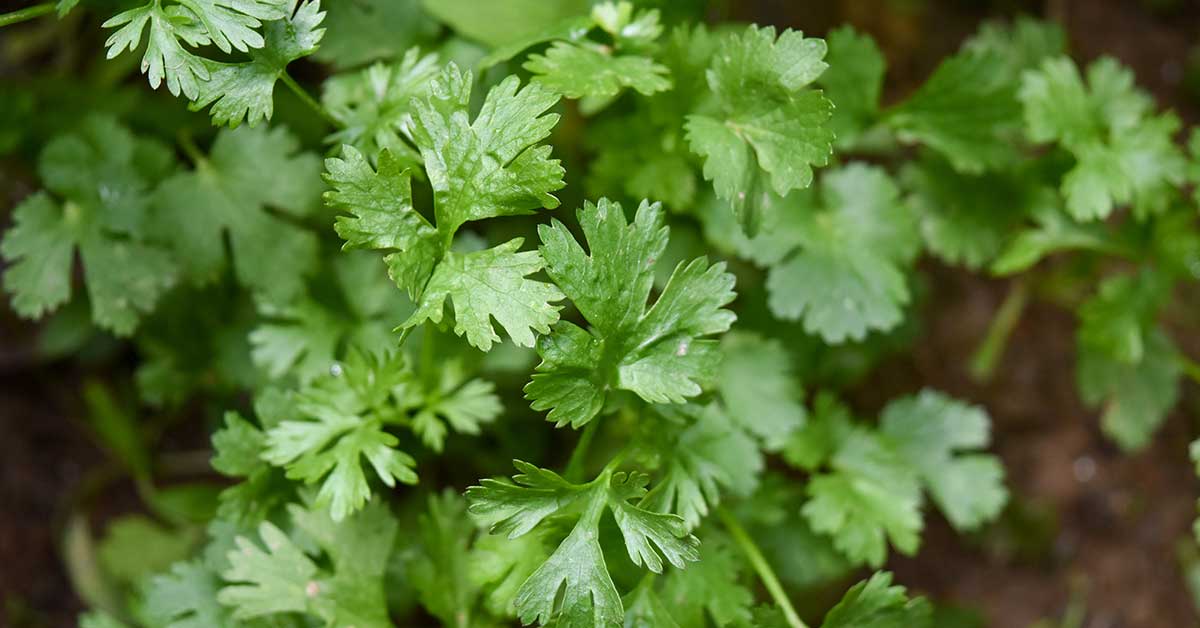

Parsley is such a powerhouse in the garden. Not only does it make meals sing with freshness, but it’s also a secret ally to many of your favorite vegetables. If you’ve ever struggled with aphids, poor pollination, or bland plantings, parsley can come to the rescue—not just as a garnish but as a brilliant companion plant! I know how frustrating it is when pests show up uninvited or your crops don’t quite thrive. That’s where parsley shines: it attracts beneficial insects, deters troublemakers, and adds biodiversity to your garden beds.
Native to the Mediterranean region, parsley (Petroselinum crispum) is not considered invasive, but it will happily reseed itself if allowed to flower. It’s also known for drawing in swallowtail butterflies, whose larvae love to feed on the leaves (a joy for wildlife-friendly gardeners!). Even more exciting, parsley’s small flowers invite hoverflies, parasitic wasps, and other beneficial insects to nestle in and patrol your garden. So let’s explore some of the best companion vegetables that not only tolerate but thrive alongside parsley.
Tomatoes
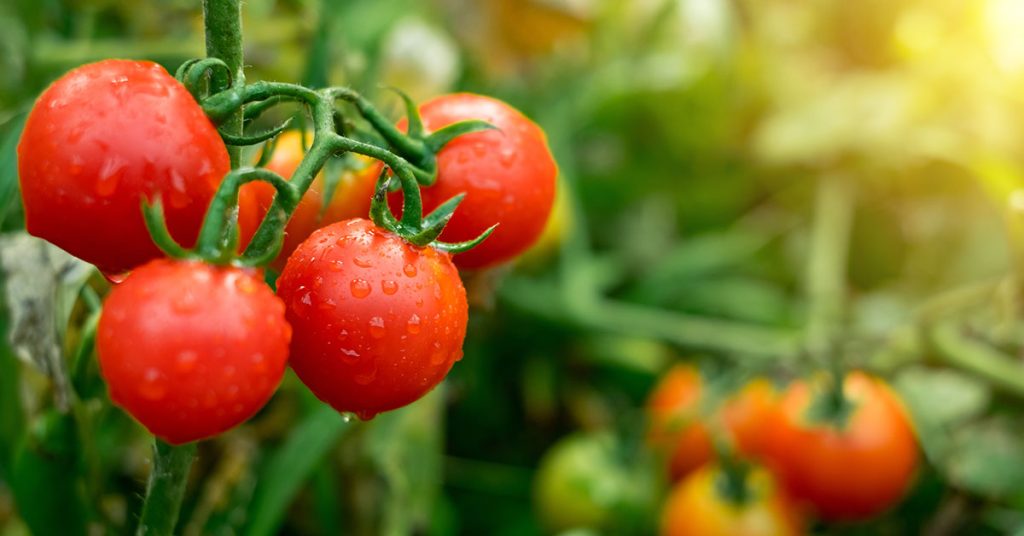
Tomatoes and parsley are a flavorful match in the kitchen—and it turns out they’re excellent partners in the garden, too. Parsley attracts hoverflies and parasitic wasps that feast on aphids, whiteflies, and tomato hornworms. By planting parsley nearby, you’re essentially building a natural defense squad for your tomatoes!
In my own raised beds, I like tucking parsley under tomato plants, where it helps shade the soil and fill in bare spots. It doesn’t compete for space and can handle partial shade from the tomato’s larger canopy. Since tomatoes are native to South America and parsley hails from Europe, they’re a surprising pair that truly complement each other without competing for the same nutrients or root space.
Peppers
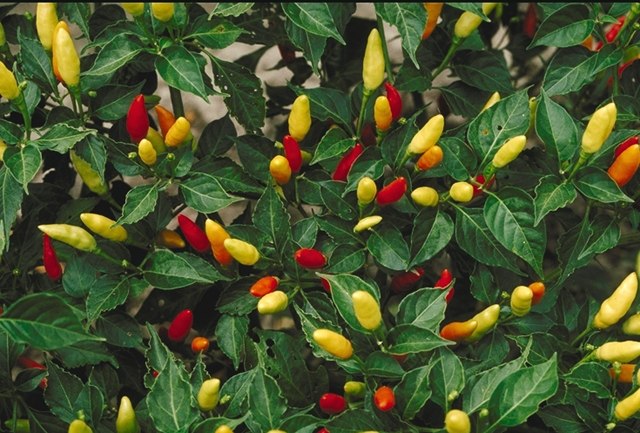
Peppers absolutely benefit from parsley’s presence, especially when it comes to warding off aphids and spider mites. Parsley’s strong scent masks the more appealing aroma of pepper plants, making it harder for pests to hone in. It also brings in lacewings and predatory wasps, which love to nest near blooming parsley.
Peppers, which are native to Central and South America, can sometimes be slow to attract pollinators. That’s where parsley’s clusters of tiny flowers really shine! They act like beacons for tiny flying allies, and those insects often stick around to visit your peppers, too. It’s like hosting a party where parsley sends out the invites!
Carrots

Even though carrots and parsley are from the same family (Apiaceae), they actually make great neighbors. Parsley helps improve the overall ecosystem in your carrot patch by drawing in beneficial insects that keep pests in check—particularly carrot rust flies, which can devastate root crops if left unchecked.
I know some gardeners worry about planting family members too close due to shared diseases, but in healthy, rotating beds, this pairing rarely causes trouble. In fact, I’ve had better luck with pest resistance and pollination when I pair parsley with carrots than when I grow carrots alone. They don’t compete for root space and tend to mature at similar times, which makes harvesting easier too.
Corn
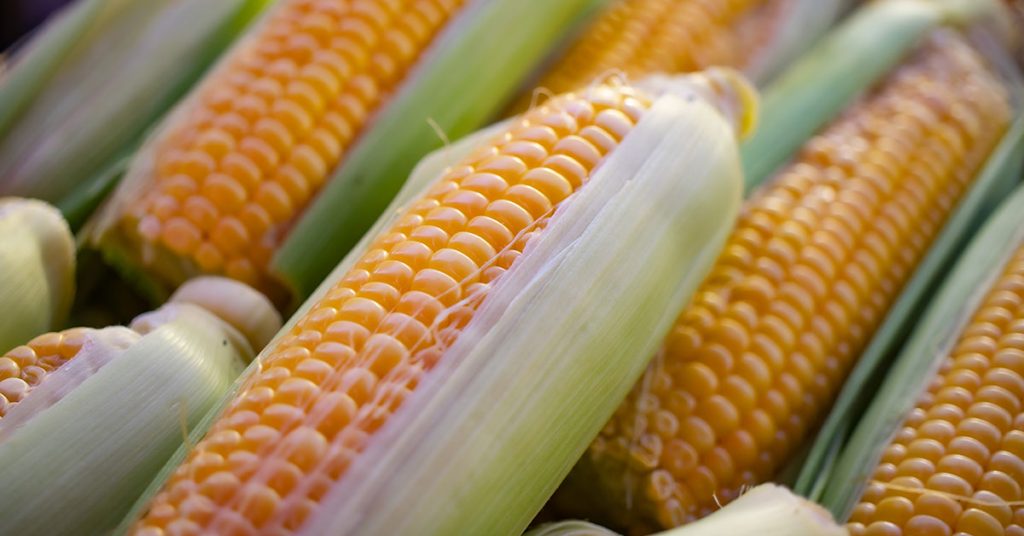
Corn might seem like a strange companion for a dainty herb like parsley, but they actually support each other beautifully. Parsley’s low growth habit helps shade and cool the soil around tall, thirsty corn stalks. Plus, it acts as a groundcover that retains moisture and suppresses weeds—two things corn really appreciates!
What I find especially helpful is how parsley’s flowers lure in tachinid flies, which prey on corn earworms and cutworms. In my three-sisters beds, I’ve even tucked parsley in around the edges to fill the understory layer. It never overwhelms but always gives back. Since corn is native to the Americas, parsley adds a Mediterranean twist to the ecosystem without becoming competitive or invasive.
Beans
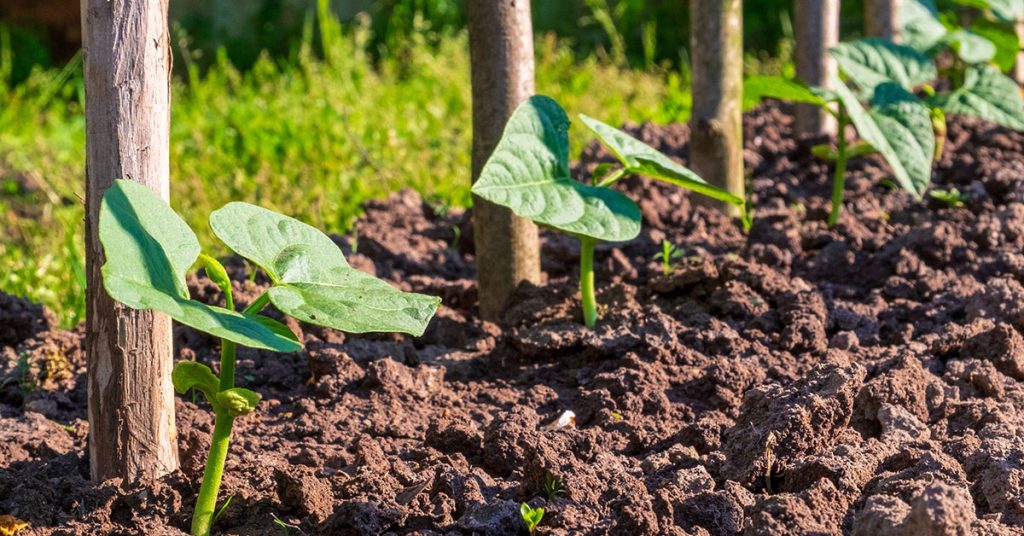
Beans, especially bush varieties, grow beautifully alongside parsley. Both are fairly light feeders, and parsley doesn’t climb or smother, so it’s a polite neighbor! More importantly, parsley draws in beneficial insects that prey on aphids and beetles that sometimes attack beans—especially in humid conditions.
In my garden, I’ve noticed that bean plants near parsley seem less stressed during peak summer months. I suspect it’s partly due to parsley’s ability to retain ground moisture and invite helpful bugs. Plus, parsley tends to flower just as early beans are forming pods, which helps balance pollinator activity throughout the bed.
Asparagus

Asparagus beds are usually long-term investments, and parsley makes a fantastic annual companion to tuck in around their base. Since asparagus shoots emerge early and then turn into tall ferns, there’s plenty of space at the base for parsley to grow without interference. It provides weed suppression and adds a dynamic green carpet to the space.
What I find especially charming is how parsley attracts pollinators just as asparagus starts forming its berries and foliage. It’s not unusual to see ladybugs nesting in the parsley while keeping aphids off the asparagus fronds. Since asparagus is native to the eastern Mediterranean and parsley is from the same region, they share similar growing preferences and moisture needs—a match made in garden heaven!
Onions
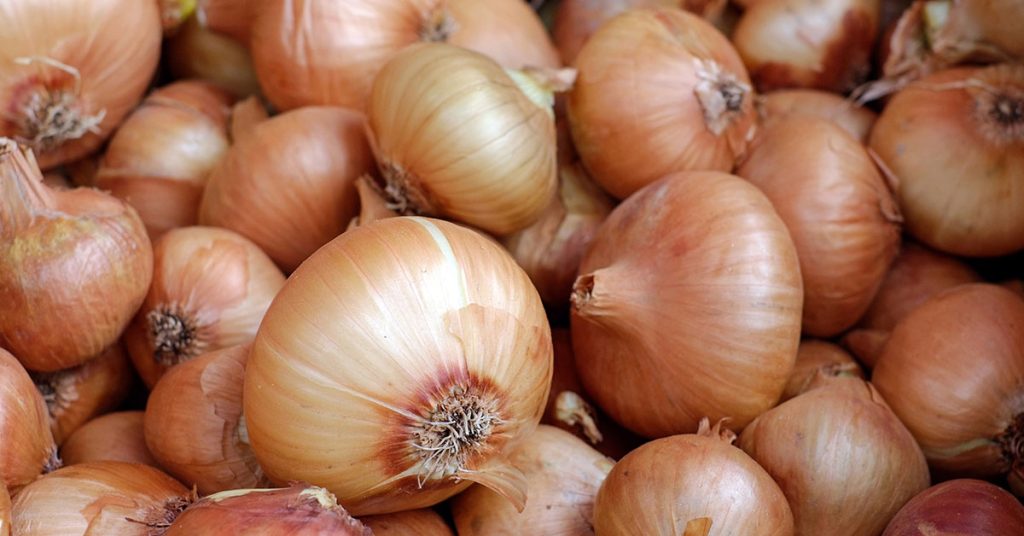
Parsley and onions pair well in both the garden and the skillet, but their companionship goes beyond culinary harmony. Parsley helps attract parasitic wasps and hoverflies that feast on onion thrips, which can otherwise cause serious damage to your alliums. It also acts as a soft border to define rows of onions and keep weeds down.
In my garden, I use parsley to “soften” the sharp edges of an onion bed. Onions, being shallow-rooted and fussy about weed pressure, benefit from parsley’s slow-spreading foliage and compatible water needs. Since onions originate from central Asia and aren’t aggressive growers, they leave parsley enough space to thrive without issue.
Cabbage
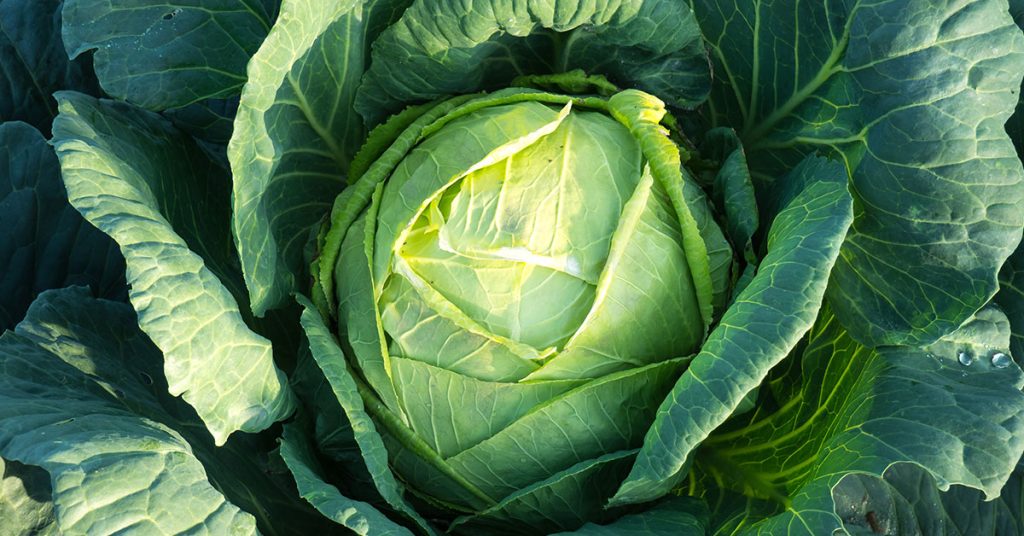
Cabbage and parsley might seem like an unlikely duo, but parsley is one of the best herbs for defending brassicas. Its flowers attract predatory wasps and hoverflies that devour cabbage loopers, aphids, and whiteflies. I’ve seen firsthand how much less pest pressure my cabbage plants face when they’re surrounded by parsley.
Cabbage, native to Europe, enjoys cool weather and fertile soil, both of which parsley can also handle beautifully. Plus, the bushy parsley helps shade out weeds under cabbage leaves and fills in bare soil areas that might otherwise become slug magnets. It’s a dynamic team that blends well visually and ecologically!
Cucumbers
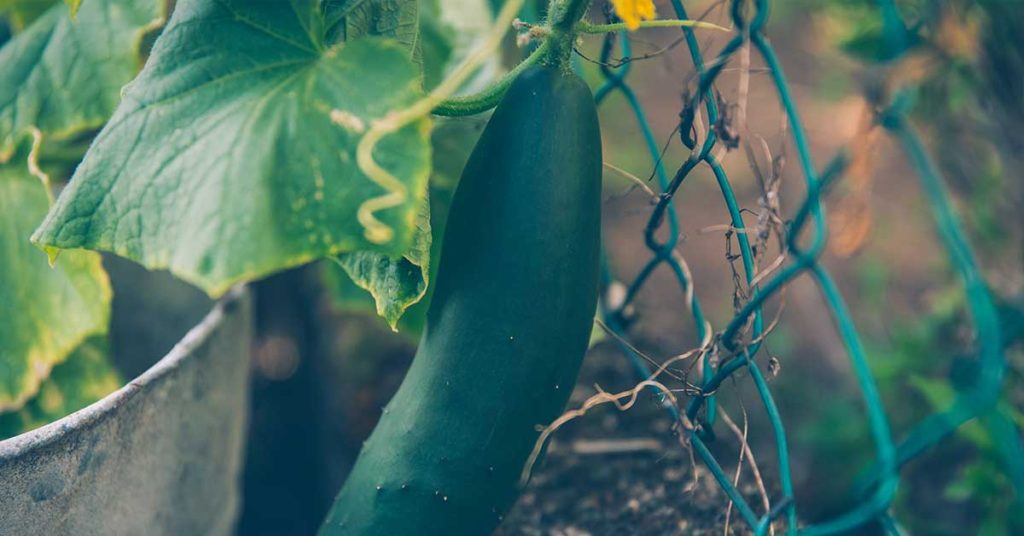
Cucumbers tend to attract cucumber beetles and aphids, which can spread diseases quickly if not kept in check. That’s where parsley’s pest-repelling and insect-attracting properties shine. It doesn’t interfere with cucumber vines and can be planted nearby or at the ends of trellises to guard the space.
What I’ve found most helpful is how parsley encourages ladybug populations to linger in cucumber beds. Those little beetles are like vacuum cleaners for aphids! Since cucumbers are native to South Asia and parsley is Mediterranean, they have different growth habits but no real conflicts, which makes them complementary roommates in raised beds or containers.
Lettuce
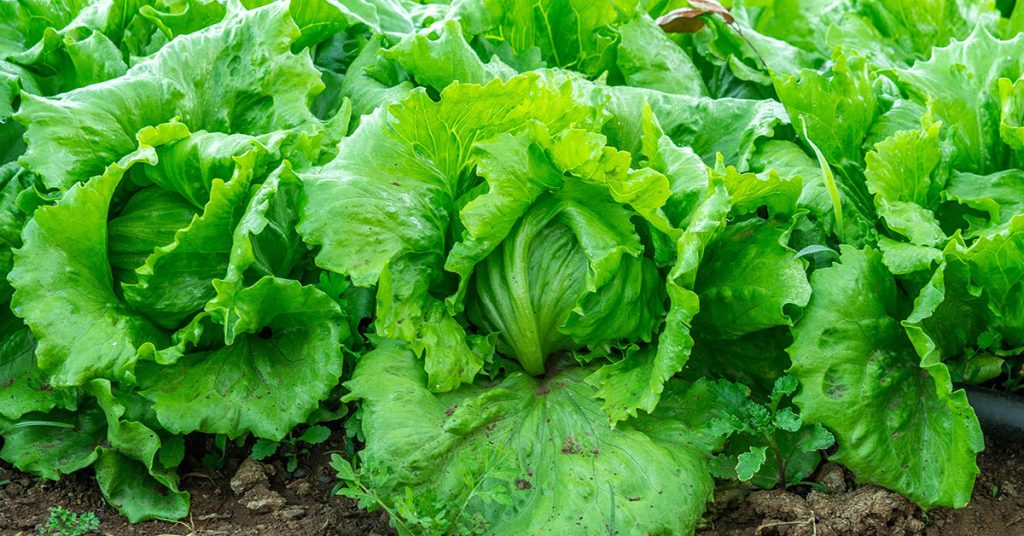
Lettuce and parsley enjoy similar conditions: cool weather, consistent moisture, and light, well-draining soil. This compatibility makes them an excellent pairing for spring or fall gardens. Parsley acts as a living mulch, helping regulate soil temperature and reduce the amount of exposed ground around your tender lettuce plants.
Beyond their growing compatibility, parsley brings in hoverflies and lacewings that feed on aphids—some of lettuce’s worst enemies. I’ve found that pairing these two keeps my lettuce patch far healthier during peak pest seasons. Plus, their contrasting textures look gorgeous together in a mixed planter or tight garden row!
Beets
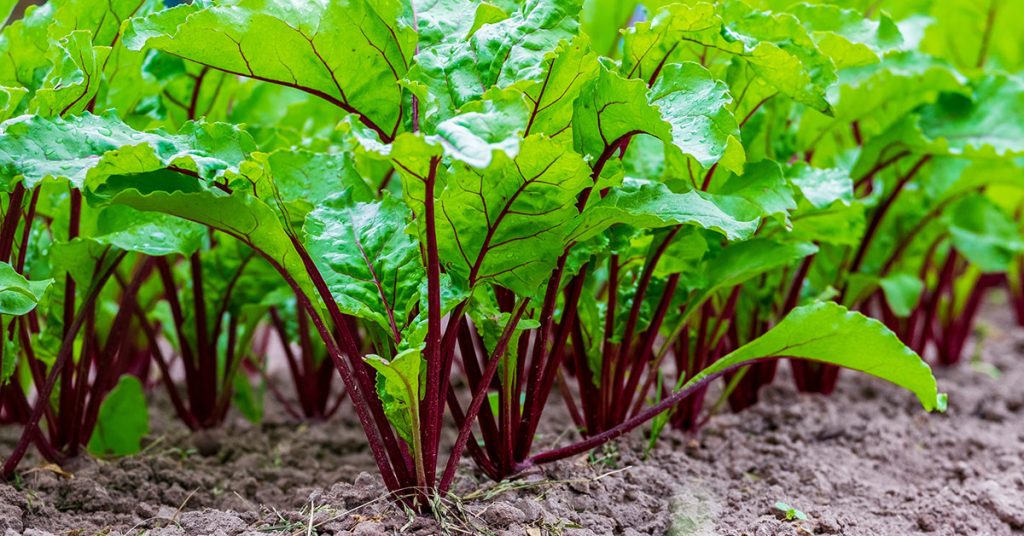
Beets and parsley make a wonderful visual and practical combination. Beets have deep roots and wide leaves, while parsley stays relatively shallow and bushy. They don’t compete for space, and parsley’s flowers help attract beneficial insects that keep beet foliage pest-free.
I especially like using parsley as a kind of living border around beet rows. It helps deter some of the leaf-eating pests that target beets and offers cover for helpful beetle species that nest in the soil. Since both are native to the Mediterranean region, they thrive in similar soil and sunlight conditions without issue.