
For gardeners facing the challenge of north facing gardens with limited sunlight, finding plants that thrive in the shade can be a game-changer! Over the years, I’ve experimented with a variety of species that not only survive but flourish in low-light conditions, adding texture, color, and even a bit of whimsy to those cooler corners of our gardens. I know how frustrating it can be when pests invade or when plants simply refuse to bloom in shady spots—so today, I’m excited to share 11 stunning shade-loving plants that are perfect for north facing gardens!
Each of these plants comes with its own story, native origins, and unique behaviors that can even attract beneficial insects or provide quiet nesting spots for small critters. Whether you’re a seasoned gardener or just starting to explore the world of shade gardening, this guide is designed to offer practical advice, heartfelt personal insights, and plenty of enthusiasm to help you create a lush, vibrant sanctuary in even the shadiest parts of your home!
Bleeding Heart (Dicentra spectabilis)
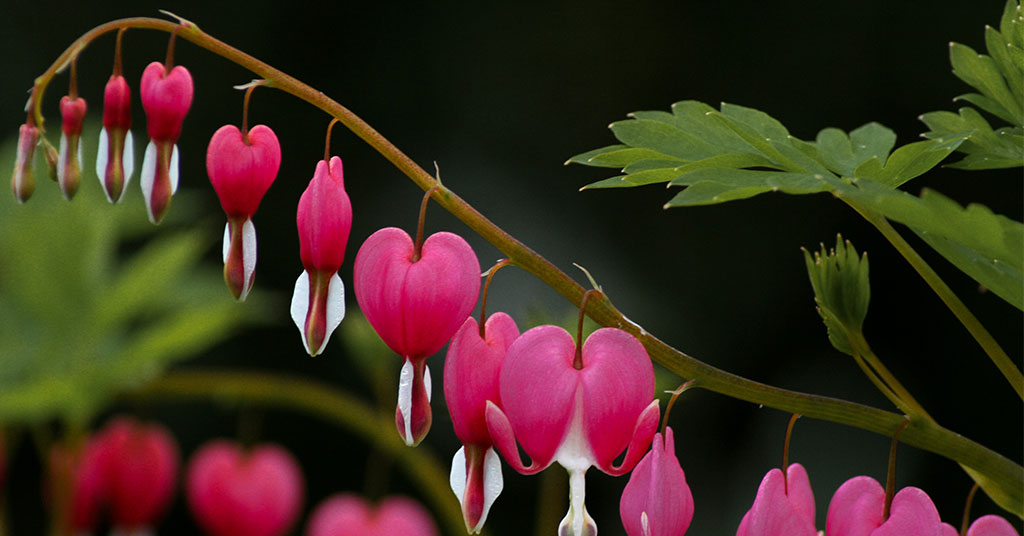
Bleeding Heart is an enchanting perennial that graces the garden with its arching stems and delicate, heart-shaped blooms that dangle like tiny droplets of passion! Native to Asia and North America, this plant has long been a favorite in shaded gardens for its romantic appearance and gentle, arching habit. In my own garden, I’ve noticed that its soft pink flowers create a stunning contrast against deep green foliage, attracting bees and the occasional butterfly that seem to appreciate its subtle nectar rewards.
Beyond its visual appeal, Bleeding Heart has a charming behavior that adds to its allure. The unique shape of its blooms often provides a cozy spot for small insects to perch, almost as if they’re admiring the flower’s beauty from within. While this plant thrives in partial to full shade, it does best in well-drained soil and cool, moist conditions—making it a perfect match for north facing gardens. Its non-invasive nature means you can enjoy its delicate splendor without worrying about it overtaking your space!
Hostas
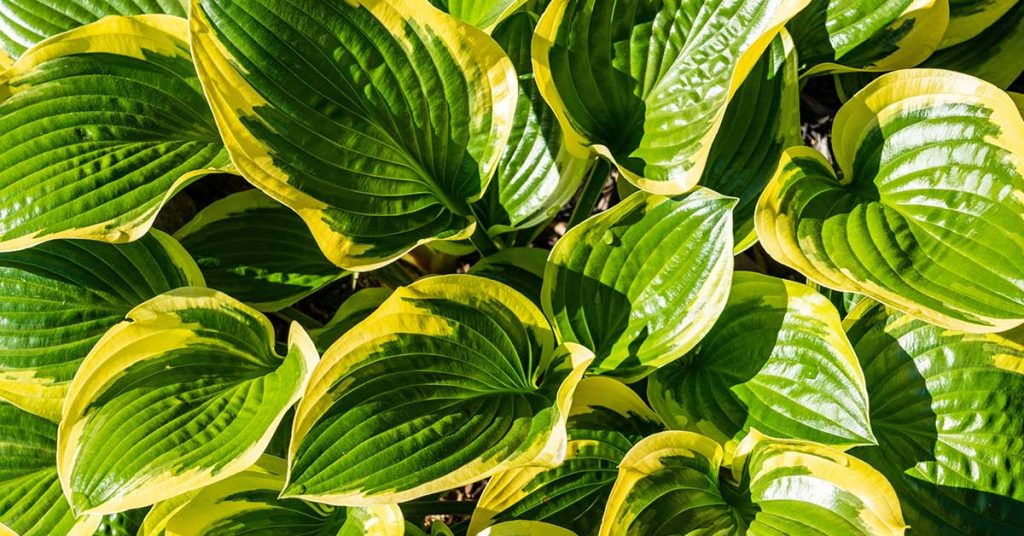
Hostas are the quintessential shade garden stars, celebrated for their lush, oversized leaves and a subtle burst of flowers that appear in summer! Native to East Asia, these versatile plants have been cherished for generations for their ability to transform dark corners into cool, verdant retreats. I’ve spent many a spring replanting hostas along my north facing patio, and each variety—from the deep greens to the variegated beauties—adds a unique texture and calm to the landscape.
In addition to their ornamental appeal, hostas create an inviting environment for a variety of small garden creatures. Their broad leaves sometimes serve as a mini refuge for beneficial insects and even provide a sheltered nook for tiny critters to nest during cooler periods. With minimal care requirements and a reputation for being non-invasive, hostas are a reliable, low-maintenance choice for anyone looking to brighten up shaded areas without too much fuss!
Japanese Painted Fern (Athyrium niponicum var. pictum)

The Japanese Painted Fern is a true gem for shade gardens, boasting silvery fronds laced with hints of burgundy and green that look almost like a watercolor masterpiece! Native to Japan and parts of East Asia, this fern thrives in cool, moist conditions and brings an artistic elegance to any north facing garden. I find that its feathery foliage creates a natural, calming backdrop that attracts a modest number of small pollinators seeking the shelter of its delicate fronds.
What I particularly appreciate about the Japanese Painted Fern is its low maintenance nature—it simply thrives with a bit of indirect light and consistent moisture. Although not known to be invasive, it gracefully forms clumps that enhance garden texture without overwhelming other species. Its refined appearance and soothing, cool colors make it a must-have for anyone wanting to add a touch of natural artistry to a shaded retreat!
Heuchera (Coral Bells)
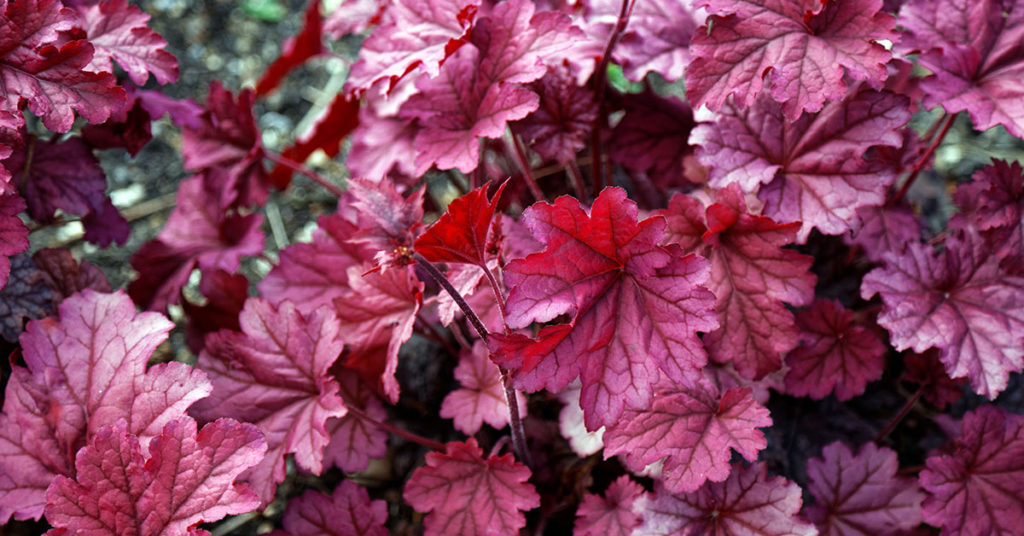
Heuchera, commonly known as Coral Bells, captivates with its striking foliage that comes in a dazzling array of colors from deep purple to vibrant lime green! Native to North America, these perennial beauties are perfect for adding a splash of color to those north facing, low-light areas. In my garden, I’ve observed that the unique leaf textures of Heuchera not only provide a lovely contrast to other shade plants but also serve as a magnet for small pollinators who appreciate the occasional nectar reward from their tiny flower spikes.
Beyond their vibrant appearance, Heuchera plants offer a subtle ecological benefit by creating microhabitats for beneficial insects. Their clump-forming habit means they stay well-contained and are rarely considered invasive, making them an ideal low-maintenance option for busy gardeners. The combination of striking color, texture, and ease of care makes Coral Bells a favorite for anyone seeking to brighten up the darkest corners of their garden with a bit of natural flair!
Lamium maculatum (Spotted Dead Nettle)

Lamium maculatum, or Spotted Dead Nettle, is a lively groundcover that brings a burst of silvery-green leaves speckled with white and pops of pink or purple flowers to the shaded parts of your garden! Native to Europe and Asia, this plant is a resilient choice for north facing gardens where it can thrive in partial to full shade. I’ve enjoyed watching Lamium spread gracefully over my garden beds, creating a soft carpet that not only adds visual interest but also attracts a myriad of pollinators, including bees and butterflies, with its delicate blooms.
What makes Lamium truly appealing is its dual role as both an ornamental groundcover and a natural pest deterrent. Its low, spreading habit helps suppress weeds, while the modest flowers occasionally offer a safe nesting spot for small insects. Though it can spread quickly in optimal conditions, careful maintenance ensures that it remains a manageable and non-invasive addition to your shade garden. This dynamic plant is a fantastic option for anyone who wants to combine beauty and practicality in one charming package!
Tiarella (Foamflower)

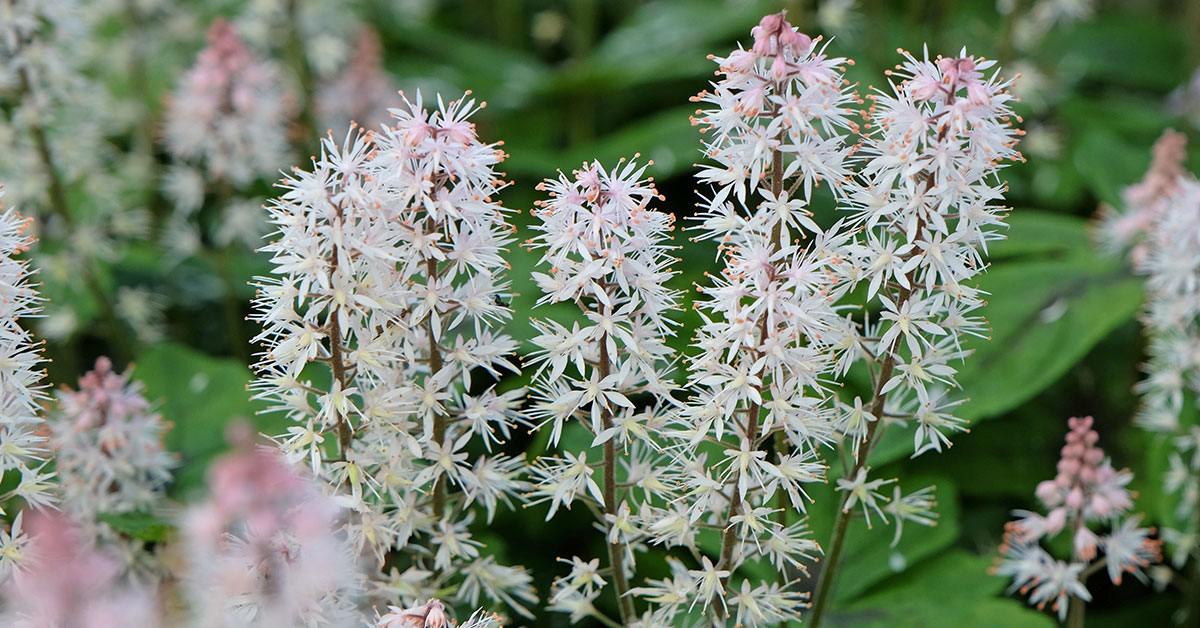
Tiarella, known as Foamflower, enchants with its airy, frothy clusters of tiny white or pink flowers that seem to float above delicate, lobed foliage! Native to the woodlands of North America and parts of Asia, Foamflower is a quintessential shade-loving plant that brings a soft, ethereal quality to north facing gardens. I’ve found that its subtle blooms not only enhance the garden’s texture but also attract small bees and butterflies looking for a quiet spot to forage and even, on occasion, find a cozy nook for nesting.
Beyond its charming appearance, Tiarella is remarkably easy to care for—thriving in moist, well-drained soil and low light conditions typical of shaded areas. Its natural behavior is non-aggressive, making it a non-invasive choice that harmoniously blends with other woodland plants. For gardeners who struggle with limited sunlight, Foamflower offers a gentle reminder that beauty can flourish even in the softest, shadiest corners of your outdoor sanctuary!
Astilbe (False Goat’s Beard)
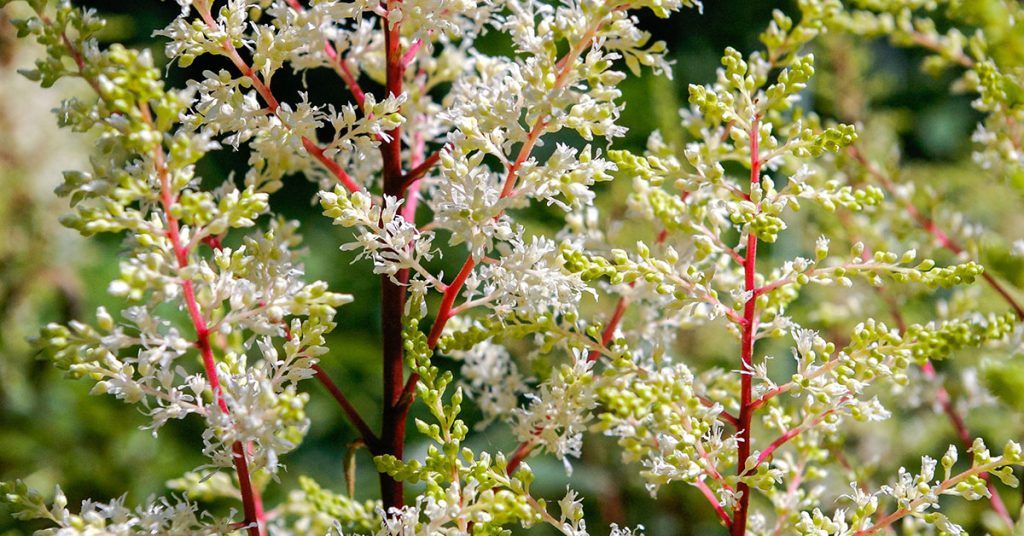
Astilbe, affectionately known as False Goat’s Beard, is a perennial wonder that delights with its feathery plumes of tiny flowers and fern-like foliage, creating an instant focal point in any shaded garden! Native to Asia and North America, Astilbe thrives in moist, shady conditions and brings a touch of airy elegance to north facing gardens. I love how its delicate flower plumes, ranging in color from soft pinks to brilliant whites, seem to dance in the breeze and create a natural invitation for pollinators like butterflies and bees to visit.
In addition to its stunning visual display, Astilbe is known for its low maintenance and non-invasive growth habit, making it an ideal choice for gardeners who battle with less-than-ideal light conditions. Its rich, textured foliage often provides a sheltered microhabitat for small beneficial insects that contribute to a balanced garden ecosystem. With its vibrant color and graceful structure, Astilbe never fails to uplift a dim corner and add a touch of refined beauty to a shaded retreat!
Solomon’s Seal (Polygonatum odoratum)
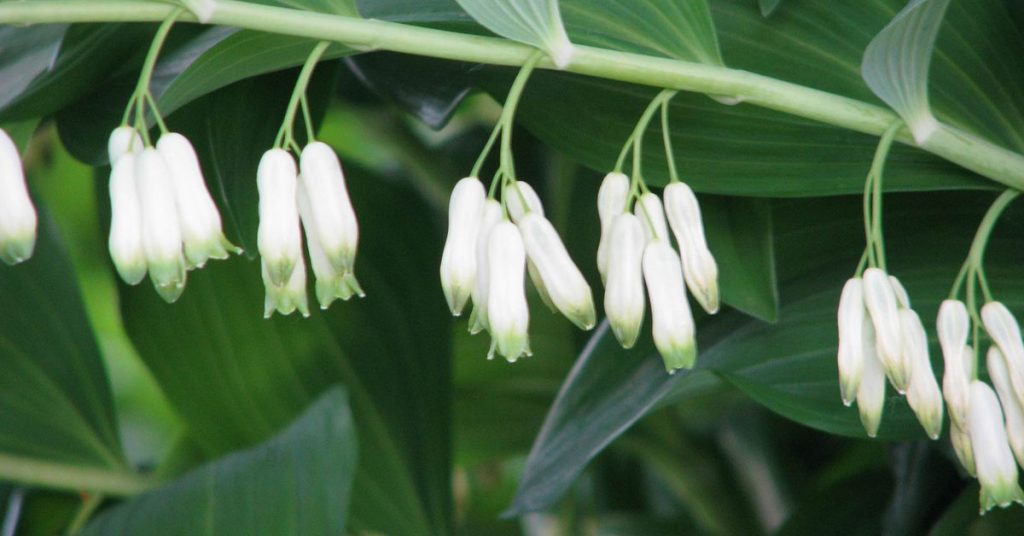
Solomon’s Seal is a stately perennial that brings a touch of elegance to shaded gardens with its arching stems and clusters of small, bell-shaped flowers! Native to temperate regions of Asia and North America, this plant is cherished for its graceful, cascading habit and the understated charm of its delicate blooms. I’ve always admired how Solomon’s Seal adds a quiet, natural sophistication to a north facing garden, inviting small pollinators to explore its modest, sweetly scented flowers.
Its arching, undulating stems create natural pockets that sometimes serve as temporary nesting spots for tiny insects, enhancing the garden’s overall ecosystem. Solomon’s Seal thrives in moist, rich soil and partial to full shade, and its non-invasive nature means it won’t outcompete other beloved plants in your landscape. For those who appreciate classic, understated beauty, this plant is a delightful addition that transforms even the shadiest corners into peaceful sanctuaries!
Pulmonaria (Lungwort)
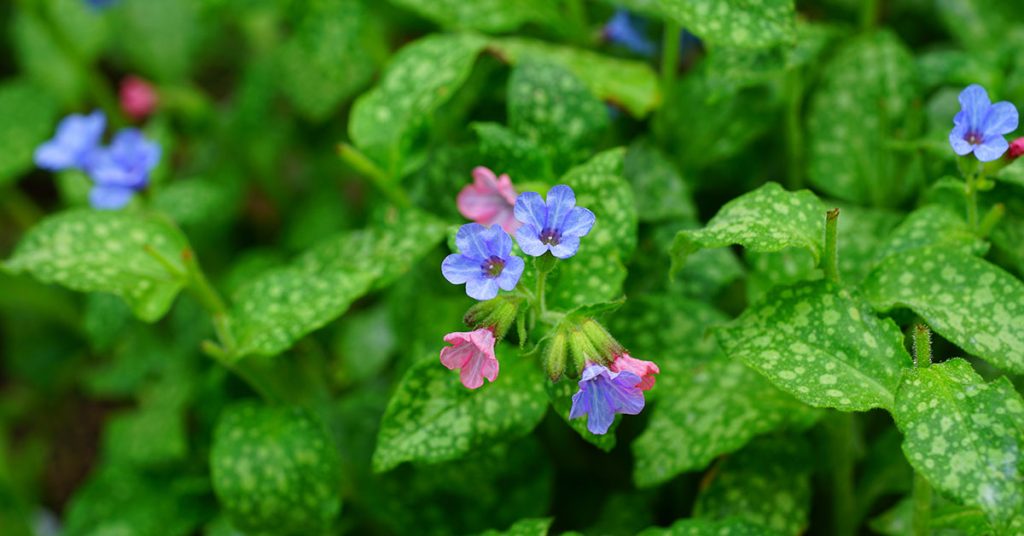
Pulmonaria, commonly known as Lungwort, is a charming perennial that bursts into a mosaic of spotted, tiny flowers in hues of blue, pink, or white, perfectly suited for shaded gardens! Native to Europe and Western Asia, this plant is renowned not only for its ornamental beauty but also for its historical medicinal uses. I’ve often been enchanted by how Lungwort’s variegated leaves and gentle blossoms create a soft, inviting carpet in the undergrowth, drawing in bees and other beneficial insects that sometimes use its cool, moist microhabitats as a nesting retreat.
Beyond its striking appearance, Pulmonaria is celebrated for being low maintenance and non-invasive, making it a superb candidate for north facing gardens where light is scarce. Its behavior is both resilient and subtle, thriving in rich, well-drained soils while quietly adding color and texture to shaded spaces. For any gardener looking to enliven a dim garden area with a touch of natural elegance, Lungwort offers both beauty and ecological support in one delightful package!
Hellebores (Lenten Rose)
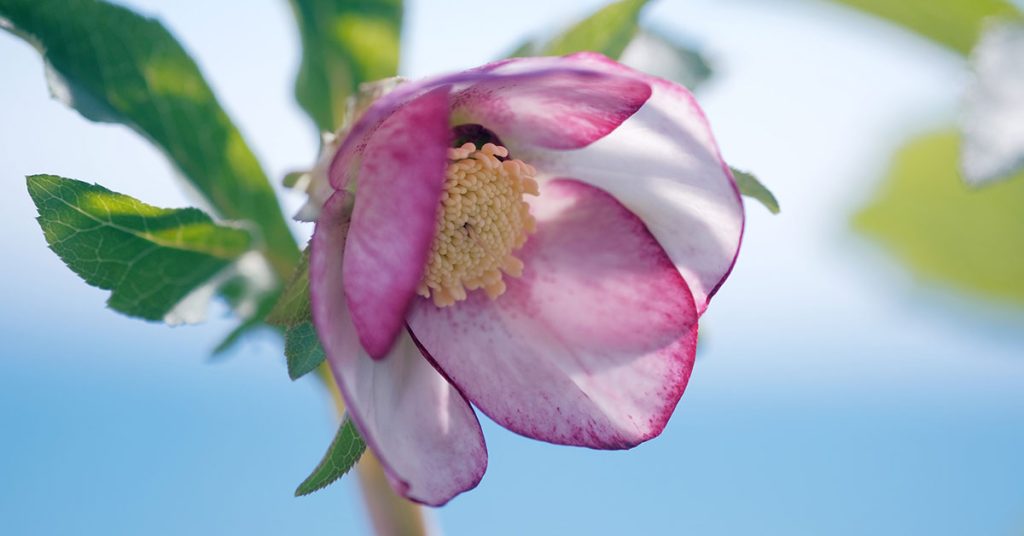
Hellebores, often known as Lenten Rose, captivate with their early spring blooms that emerge in deep, velvety hues against glossy, evergreen foliage—ideal for a north facing garden! Native to Europe and Asia, these robust perennials are prized for their ability to bloom in the chill of early spring, offering a burst of color when few other plants dare to show up. I’m always thrilled when my Hellebores start to bloom, as their mysterious, almost magical appearance seems to signal the slow awakening of nature, while also attracting a host of early-emerging pollinators.
Their sturdy, clump-forming habit and low maintenance requirements make Hellebores a reliable, non-invasive choice for even the shadiest spots. In my experience, these plants not only add a splash of vibrant color but also create microhabitats that sometimes shelter small beneficial insects seeking refuge from the lingering winter chill. Their timeless beauty and resilience make them an absolute delight for any gardener determined to bring life and color to a north facing garden!
Brunnera macrophylla (Siberian Bugloss)
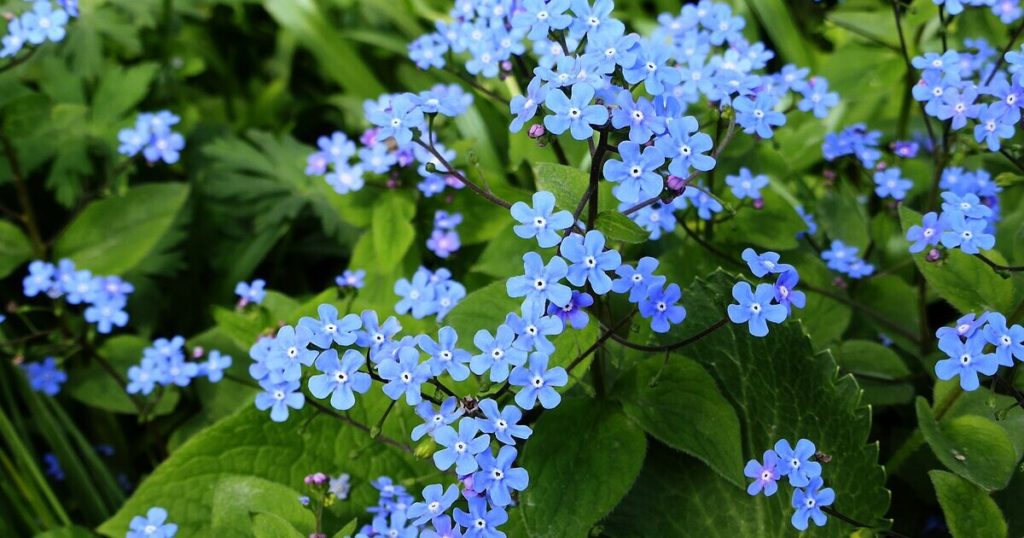
Brunnera macrophylla, commonly known as Siberian Bugloss, is a delightful perennial that graces shady gardens with its heart-shaped leaves and clusters of tiny, sky-blue flowers! Native to Siberia and parts of Eastern Europe, this charming plant thrives in cool, moist, shaded conditions and adds an ethereal touch to north facing gardens. I’ve always been enamored by the way its delicate blossoms seem to float above its lush foliage, creating a serene, almost dreamy effect that invites bees and butterflies to take a closer look.
In addition to its captivating appearance, Siberian Bugloss is known for its low maintenance and non-invasive growth habit, making it a dependable choice for gardeners battling with limited light. Its gentle, clumping form often provides small insects with a safe haven for foraging and occasional nesting, contributing to a balanced and thriving ecosystem. Every time I see Brunnera in full bloom, I’m reminded that even in the shadiest corners, nature finds a way to shine with subtle, timeless beauty!