

Autumn’s crisp air and amber leaves don’t mean an end to blooms—far from it! Yellow-flowering perennials and annuals can light up your fall garden with cheery color, even as days shorten and temperatures dip. From bold sunflowers to dainty coreopsis, these 10 selections will keep your beds glowing and your pollinators busy well into the season’s end.
I know how discouraging it can feel when summer’s riot of color fades—but planting these golden gems ensures your garden stays vibrant! Each choice below has its own story, native homeland, and favorite flower visitors (including those busy solitary bees that love to nest nearby). Let’s get growing and extend that late-season magic!
Tithonia (Tithonia rotundifolia)
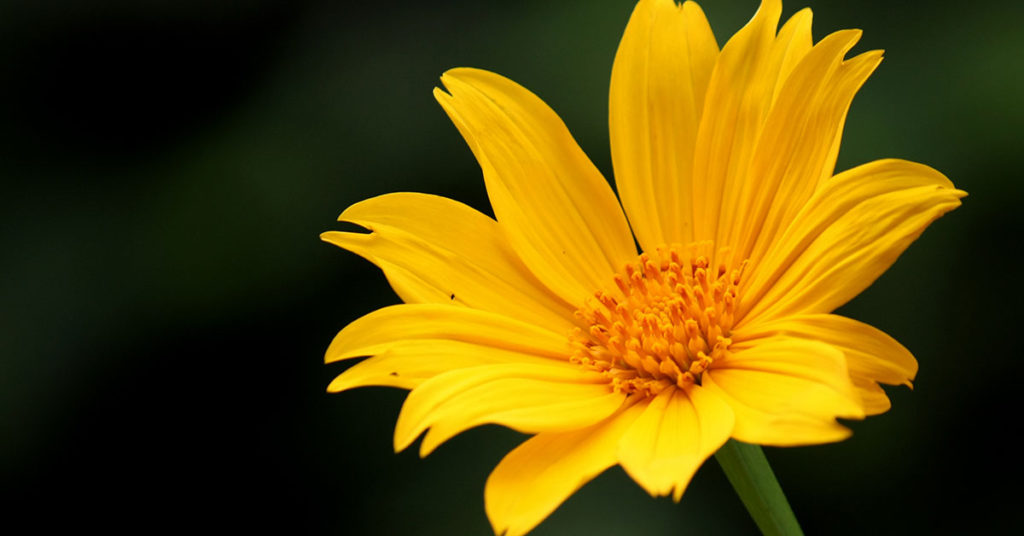
Often called Mexican sunflower, Tithonia originates from Mexico and Central America, where it basks in heat and resists drought. This annual can reach five feet tall in a single season—so give it room! Its large, daisy-like yellow-orange blooms aren’t invasive, but self-seeding can occur if you let spent heads dry on the plant. Deadheading regularly keeps it tidy and encourages more flower production.
Beyond its dramatic flair, Tithonia is a pollinator magnet! Hummingbirds hover for nectar, and butterflies, especially monarchs, flock to these blossoms. I’ve spotted solitary bees tunneling in nearby soil, using old snail shells or rodent burrows as nurseries. Watching that garden buzz is like having a miniature wildlife documentary unfolding in your backyard!
Goldenrod (Solidago canadensis)
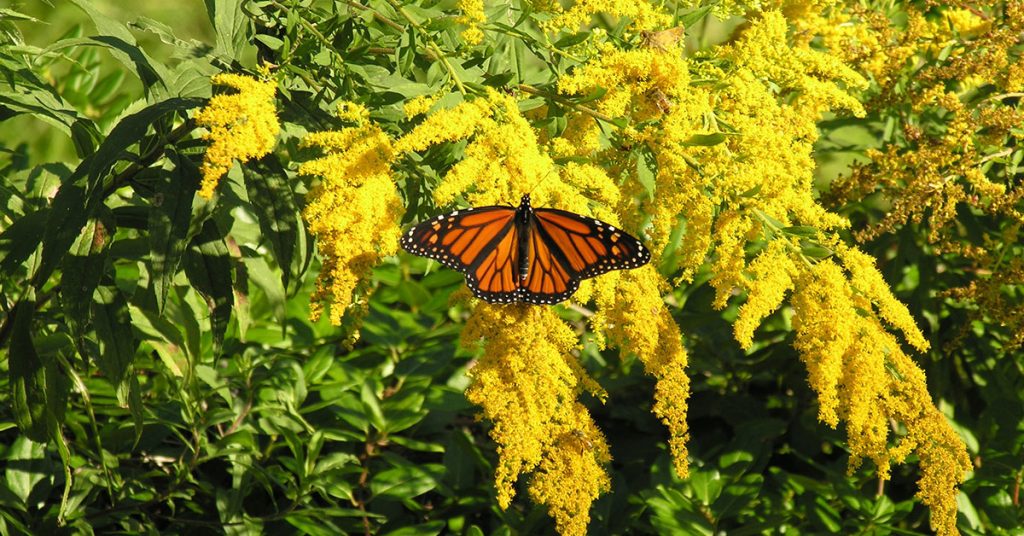
Native to North America, Solidago is the quintessential fall bloomer. Its plumes of tiny yellow flowers cascade on tall stems, creating a glowing backdrop in any border. While it can spread via underground rhizomes, most cultivars remain well-behaved—just divide clumps every three years to keep them in check.
Goldenrod is often unfairly blamed for allergies, but in truth, its pollen is too heavy to become airborne—instead, it provides vital late-season sustenance for bees and wasps. Carpenter bees burrow in dead branches nearby to nest, and ladybugs overwinter at the base of solidago clumps, ready to emerge and patrol your garden in spring!
Black-eyed Susan (Rudbeckia fulgida)

A classic native of the eastern United States, Black-eyed Susan sports bright yellow petals surrounding a dark brown cone. It’s not invasive, forming neat clumps that thrive in full sun and tolerate poor soils. Cut back old stems in early fall to encourage a final flush of blooms before frost.
These cheerful daisy-type flowers aren’t just pretty—they draw beneficial hoverflies that lay eggs on soft-bodied pests, and bumblebees often nest in grassy tussocks underneath. I love tipping my chair beside a patch of rudbeckias and watching the traffic of insects darting in and out—it’s pure garden theater!
Threadleaf Coreopsis (Coreopsis verticillata)
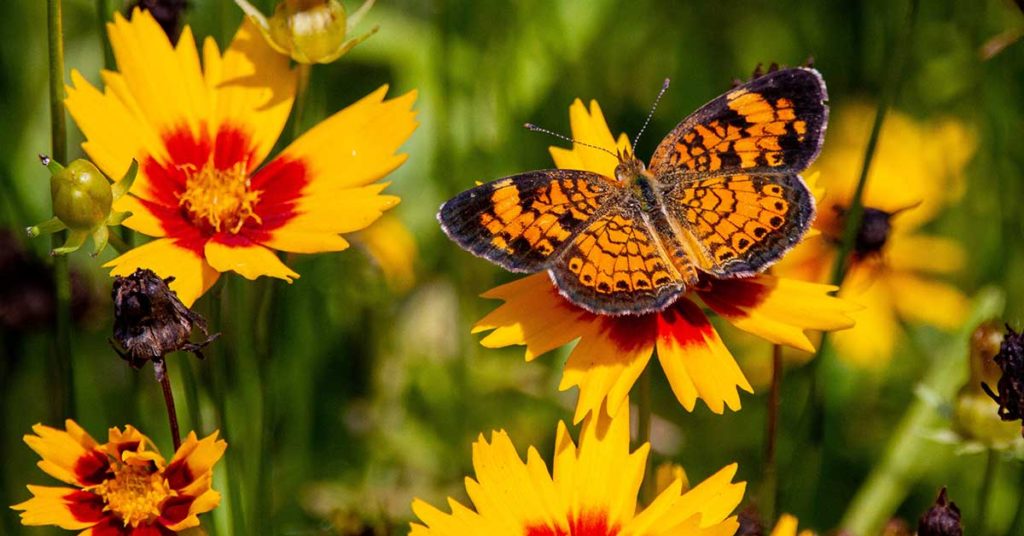
Coreopsis, native to the eastern U.S., delights with its fine, threadlike foliage and abundant yellow blooms. It’s non-invasive, forming tidy mounds that won’t swamp neighboring plants. A mid-summer trim removes spent flowers and promotes a second blooming in September and October.
Pollinators adore coreopsis—tiny solitary bees often excavate nests in bare patches of earth at the plant’s edge. Their cheery yellow discs seem to beckon bees in, and watching these industrious little creatures stock their brood chambers is one of my favorite late-season pleasures!
African Marigold (Tagetes erecta)
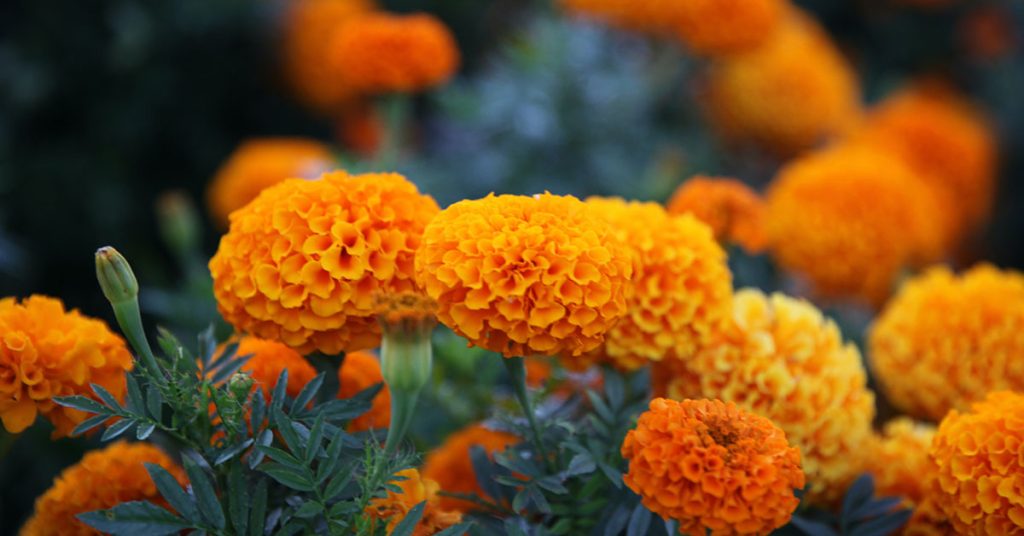
Hailing from Mexico and Central America, African marigolds are heat-loving annuals with large pom-pom blooms in golden yellow. They’re not invasive, but they do reseed if you let the seed heads linger—so deadhead for tidiness or collect seeds for next year’s show.
These marigolds give more than color: they attract predatory wasps and hoverflies, which lay eggs on aphid colonies. Ladybirds and lacewings also come calling. Planting tagetes near tomatoes or peppers creates a living pest-management barrier—a fragrant, golden one at that!
Sneezeweed (Helenium autumnale)
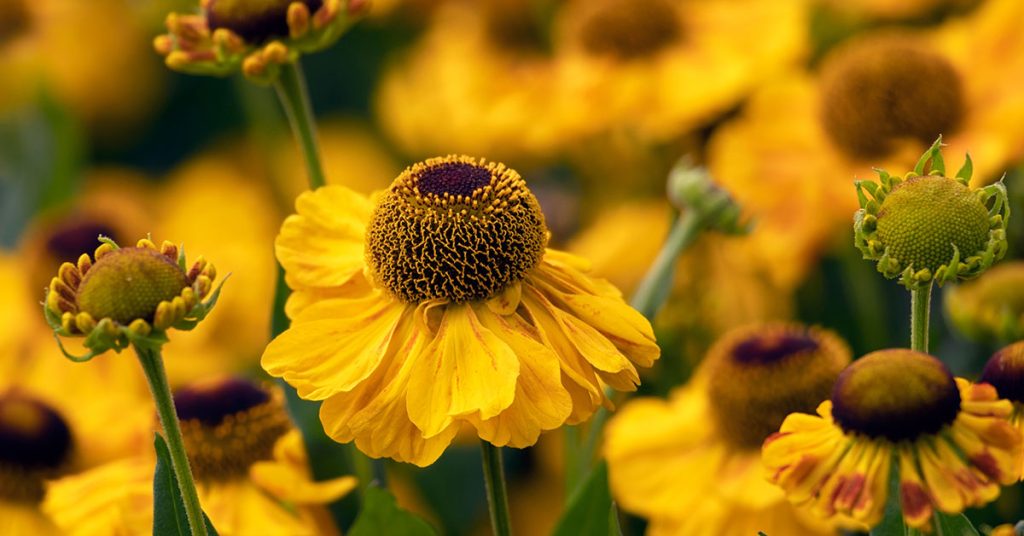
Despite its sneeze-inducing name, this North American native is a garden star in fall. Helenium’s daisy-like flowers offer everything from butter-yellow to burnt-orange hues. It spreads by short rhizomes but rarely becomes unruly—divide every few years if clumps get crowded.
Insects love sneezeweed’s open flower structure. Bees of all kinds gather nectar, and tiny mining bees often hollow out tunnels in adjacent soft soil for nests. One of my favorite sights is a cluster of these golden blossoms alive with buzzing activity at day’s end!
Pot Marigold (Calendula officinalis)

Calendula likely originated in the Mediterranean and has been grown since ancient times. Its bright yellow to deep orange flowers are open and dish-shaped, making them easy to deadhead and encourage continuous bloom through September. Though it self-sows, it’s not aggressively invasive.
Pollinators flock to calendula—honeybees and solitary bees lap up nectar, while predatory hoverfly larvae feed on aphids hiding on nearby leafy greens. I often tuck calendula into vegetable beds for both color and its pest-fighting prowess—it’s practical beauty at its best!
Blanket Flower (Gaillardia aristata)
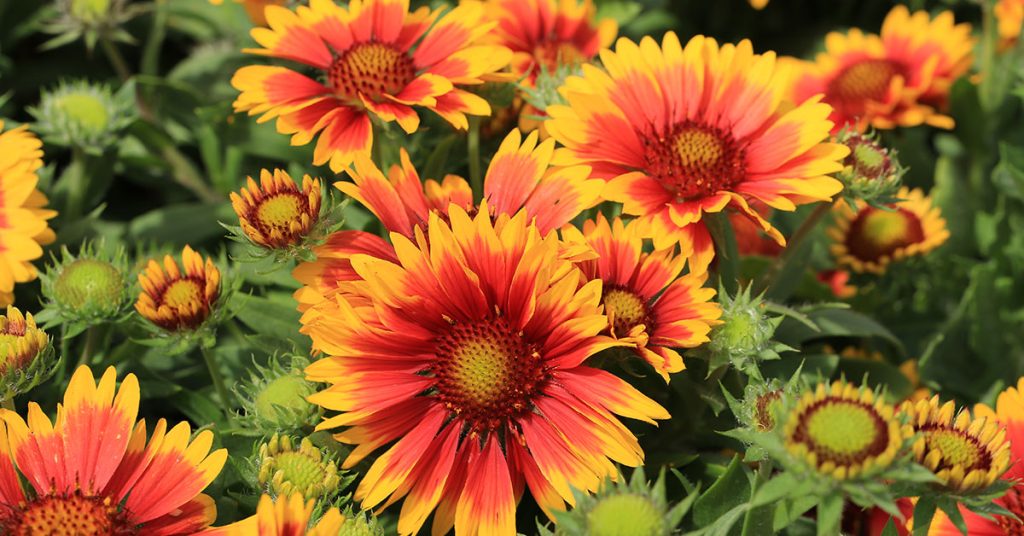
Also called Indian blanket, Gaillardia is native to North America’s prairies. It forms clumps of daisy-like flowers with golden petals tipped in red—though pure yellow varieties exist too. It spreads slowly by seed, but it’s not invasive, and deadheading keeps it looking fresh.
Gallardias are fantastic for pollinators: butterflies and bees alike revel in their nectar, and small carpenter bees will nest in hollow stems or old beetle holes nearby. The cheery, long-lasting blooms add texture and movement as insects flit from flower to flower!
Perennial Sunflower (Helianthus ‘Lemon Queen’)
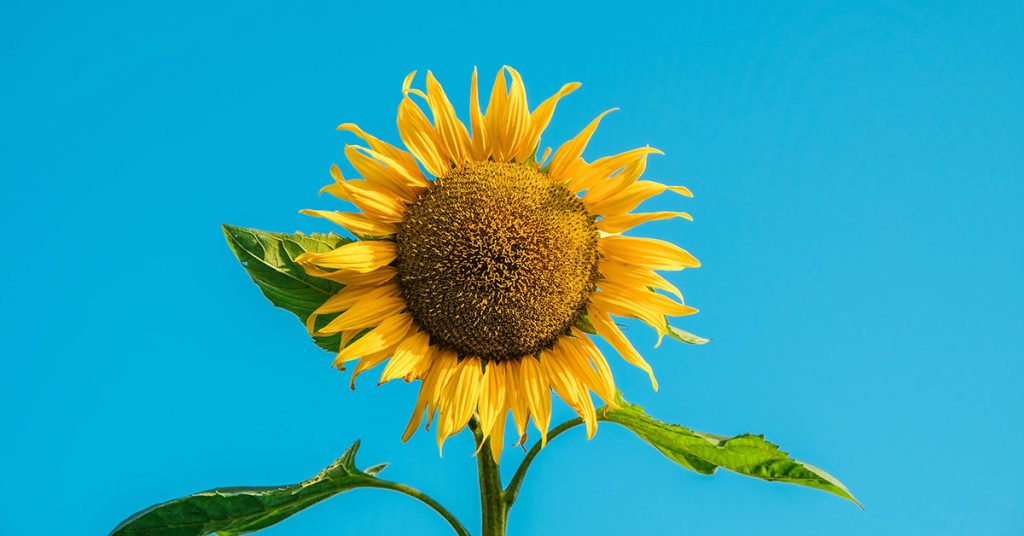
A North American native, ‘Lemon Queen’ brings masses of pale-yellow, daisy-style flowers on tall stems. It spreads moderately via rhizomes, so give it space or divide every couple of years to prevent crowding. Its light color brightens shaded or woodland edges.
Pollinators adore these late blooms—honeybees, bumblebees, and even tiny sweat bees converge on the rich pollen. I’ve known mason bees to appropriate hollow stems for nesting, plugging cells with leaf bits. It’s magical to see an insect apartment complex forming right in your fall border!
Yellow Coneflower (Echinacea paradoxa)

Unlike its pink cousins, Echinacea paradoxa is native to the Ozark Mountains and sports striking yellow petals around an orange-brown cone. It’s clump-forming, non-invasive, and drought-tolerant once established—ideal for naturalistic plantings or prairie-style borders.
These coneflowers are surefire bee and butterfly magnets. Solitary bees often nest in bare patches nearby, and I’ve even observed small mining bees lining cells with pollen from these very blooms. Their sturdy stature means pollinators can rest on petals as they feed—a real fall centerpiece!