
Caring for houseplants should be simple, but thanks to outdated advice, social media hacks, and persistent gardening folklore, misinformation spreads quickly. Many common houseplant “tips” sound helpful but can actually harm your plants or keep them from thriving. Whether it is adding ice cubes to orchids or watering with leftover coffee, these myths are surprisingly resilient, leaving many new plant parents confused and frustrated.
Understanding how plants actually grow—and what they really need—helps you separate fact from fiction. Let’s debunk 10 of the most common houseplant myths so you can give your plants the right care and enjoy a healthier, greener home.
Myth 1: Ice Cubes Are the Best Way to Water Orchids
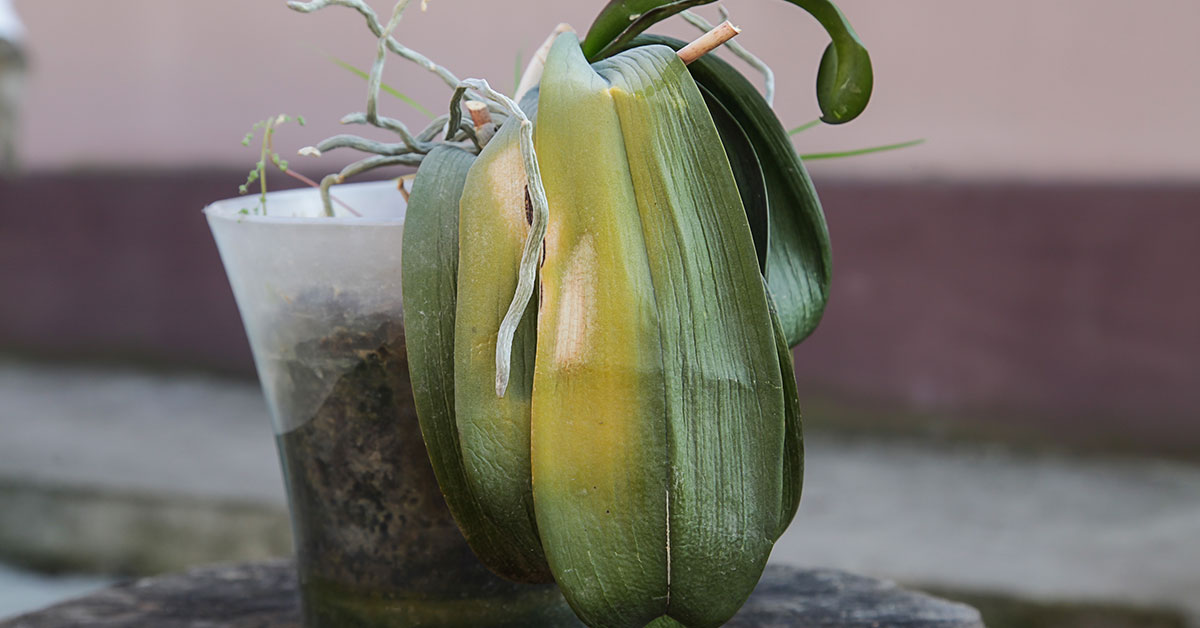
You’ve probably seen this tip everywhere: place a couple of ice cubes on top of your orchid’s soil once a week to “perfectly” hydrate it. While it may seem clever, this method can do more harm than good. Orchids are tropical plants that thrive in warm, humid environments, and their roots are extremely sensitive to cold. Exposing them to melting ice can shock the roots and stunt growth.
Instead, water orchids thoroughly by soaking the pot until water drains freely from the bottom. Let them dry slightly between waterings to mimic the natural cycles they experience in the wild. This approach keeps the roots healthy, maintains proper moisture levels, and avoids the stress caused by extreme temperature changes.
Myth 2: Coffee Grounds Are Great for All Houseplants
Many people swear by using leftover coffee grounds to fertilize their houseplants, but this advice can backfire. Coffee is naturally acidic, and not all plants tolerate lower pH levels in the soil. Using too many grounds can disrupt nutrient balance and even stunt growth for species that prefer neutral or alkaline conditions.
Coffee grounds also retain moisture, which can lead to soggy soil and increased risk of root rot if added directly to houseplants. If you want to recycle your grounds safely, compost them first and incorporate small amounts into the soil later. Otherwise, stick to well-balanced, slow-release fertilizers formulated specifically for indoor plants to avoid unintended damage.
Myth 3: Houseplants Should Be Watered on a Set Schedule
One of the most common pieces of advice new plant parents hear is to water their houseplants on a strict weekly schedule. Unfortunately, this one-size-fits-all approach leads to problems, as different plants have very different water requirements. A cactus, for example, needs weeks between waterings, while a fern might need moisture several times per week.
Instead of relying on a calendar, check your soil’s moisture level before watering. Insert your finger about two inches into the soil—if it feels dry, it’s time to water; if it’s still damp, wait a few days. This method ensures each plant gets the care it actually needs rather than forcing them into the same routine, preventing both overwatering and underwatering.
Myth 4: Misting Plants Increases Humidity Enough
Misting leaves is often recommended as a quick fix for plants that love humidity, such as calatheas, ferns, and orchids. While misting can provide temporary surface moisture, it does very little to meaningfully increase ambient humidity around your plant. In fact, constantly wet foliage can sometimes encourage fungal growth and leaf spot issues.
If your home is especially dry, especially in winter, a better strategy is to group humidity-loving plants together, place them on pebble trays filled with water, or invest in a small humidifier. These methods create a more stable, lasting environment for tropical species without introducing risks of disease. Misting occasionally is fine for cleaning leaves, but it should not be relied on as your primary source of humidity.
Myth 5: Bigger Pots Make Plants Grow Faster
It is easy to assume that giving your plant more space to spread its roots will make it grow faster, but putting a small plant in an oversized pot can actually do more harm than good. When the pot holds too much soil compared to the root mass, water tends to linger, increasing the risk of root rot and attracting fungus gnats.
A better approach is to repot gradually, choosing a container only one to two inches larger in diameter than the current one. This provides enough room for healthy root expansion without overwhelming the plant. Incremental upsizing also ensures the soil dries at the proper rate, maintaining balance and avoiding the soggy conditions that can cause growth problems.
Myth 6: Leaf Shine Products Keep Plants Healthy
Leaf shine sprays and oils promise glossy, picture-perfect foliage, but using them regularly can damage your plants. Many of these products leave behind residue that clogs the leaf pores, reducing the plant’s ability to breathe and perform photosynthesis effectively. Over time, this can weaken the plant and even attract dust rather than repel it.
Instead, clean leaves gently with a damp microfiber cloth or rinse them under lukewarm water. This removes dust naturally without disrupting the plant’s ability to exchange gases. Healthy, vibrant foliage comes from proper care—good light, adequate water, and balanced nutrients—not from artificial shine.
Myth 7: Rocks at the Bottom of Pots Improve Drainage
For years, gardeners have been told to put rocks, gravel, or pebbles at the bottom of pots to “improve drainage.” In reality, this practice can have the opposite effect, causing water to collect above the rock layer and creating waterlogged conditions near the roots. This standing water increases the risk of root rot rather than preventing it.
For proper drainage, always choose pots with holes at the bottom and use a well-aerated, plant-appropriate soil mix. If you need to protect surfaces, place a saucer under the pot instead of adding unnecessary filler materials. Giving the roots consistent, even moisture levels is far better than relying on rocks, which do little to help water escape.
Myth 8: Plants Can Survive Anywhere Indoors
It is common to assume that houseplants will adapt to any indoor setting, but light levels vary significantly between rooms, and not all plants can handle low-light conditions. For example, succulents and citrus trees require several hours of bright, direct sunlight daily, while pothos, ZZ plants, and snake plants can tolerate shadier environments.
Before buying a plant, match its natural habitat to your home’s lighting conditions. Observe how much sunlight a space gets throughout the day, and choose species accordingly. Placing a sun-loving plant in a dim corner will only lead to stretched stems, pale leaves, and poor growth, no matter how diligently you water or fertilize.
Myth 9: Yellow Leaves Always Mean You Need More Fertilizer
When leaves turn yellow, many gardeners rush to add fertilizer, assuming the plant is lacking nutrients. While nutrient deficiency can cause yellowing, it is far from the only reason. Overwatering, underwatering, sudden temperature changes, pest infestations, and poor lighting can all lead to yellow leaves.
Instead of immediately fertilizing, assess the overall growing conditions. Check soil moisture, inspect for pests, and confirm that your plant is getting adequate light. Fertilizer can burn stressed roots if applied at the wrong time, so solving the underlying issue first is always the better approach.
Myth 10: Talking to Your Plants Makes Them Grow
This classic houseplant myth has been around for decades, and while talking to your plants is unlikely to make them grow faster, there is a grain of truth behind it. Plants benefit from carbon dioxide, which we naturally release when we speak near them. However, the impact is minimal compared to proper watering, light, and nutrients.
That said, engaging with your plants—whether by talking to them, inspecting them regularly, or just spending time near them—does make you more attentive to their needs. You are more likely to notice early signs of stress, pests, or nutrient deficiencies, which indirectly leads to better plant health. So while conversation alone will not make your monstera sprout new leaves overnight, consistent care certainly will.