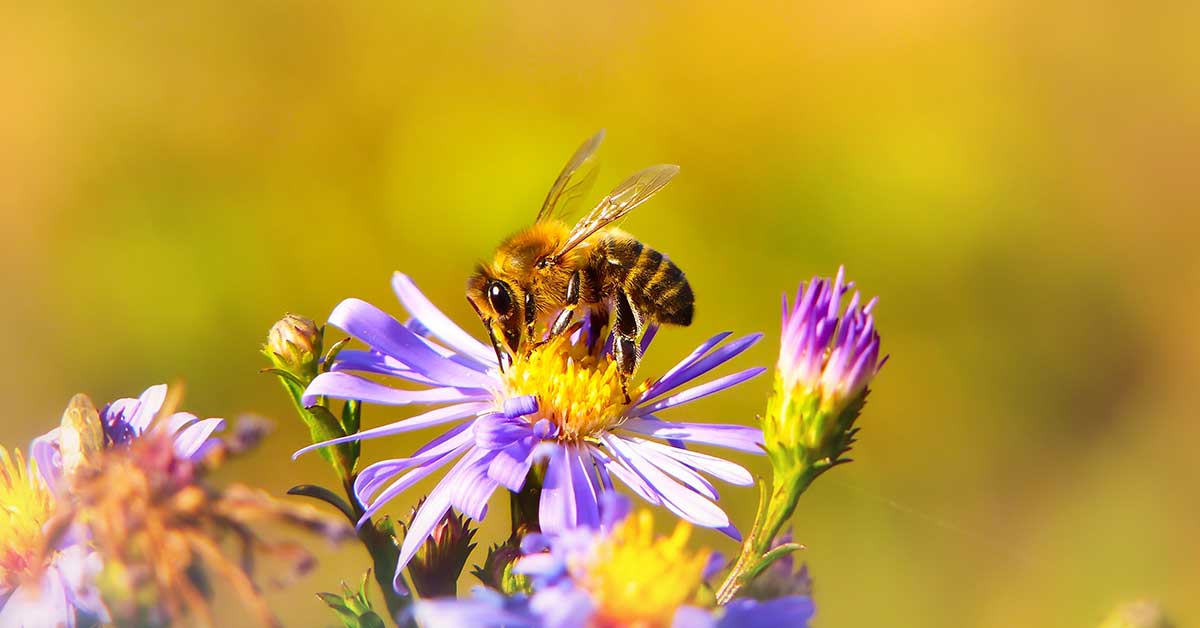

Gardening is a journey filled with vibrant blooms, buzzing bees, and fluttering butterflies—and it’s such a thrill when you see pollinators darting from flower to flower in your garden! But sometimes, despite our best intentions, we might be choosing plants that actually do more harm than good for our precious pollinator friends. I know how frustrating it is to carefully plan a flowerbed only to find very few bees visiting—or worse, to learn that some of those gorgeous blossoms offer little to no nectar or pollen at all.
In this article, we’ll explore ten common flower choices that can inadvertently deprive pollinators of the resources they need, disrupt their nesting behaviors, or even introduce harmful chemicals into their environment. I’ve rambled through my own garden trials—trust me, I’ve had moments of “Why aren’t the bees here?!”—and I’m excited to share what I’ve learned so you can create a truly pollinator-friendly haven. Let’s dig in and make every bloom count!
Ornamental Miscanthus Grass
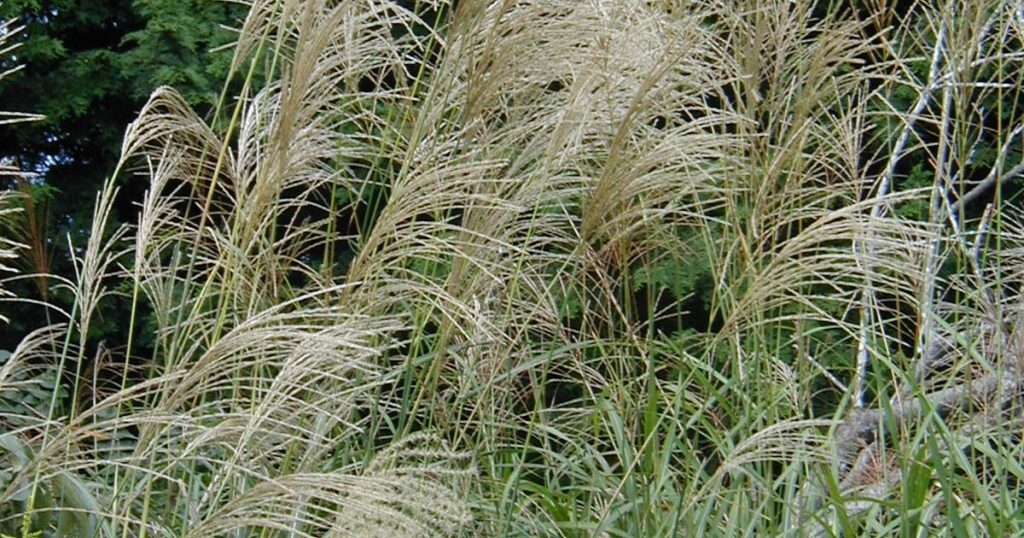
Mass plantings of ornamental Miscanthus grasses might look elegant swaying in the breeze, but they offer virtually no nectar or pollen for bees and butterflies! Unlike flowering perennials, Miscanthus spp. are wind-pollinated and lack the showy blooms that attract pollinators. It’s such a bummer when a beautiful swath of silver grass doesn’t support a single nesting bee.
Native to East Asia and often planted as an invasive in North America, Miscanthus can crowd out native wildflowers that would otherwise provide essential forage and nesting sites. Many ground-nesting bees rely on open soil patches that Miscanthus’s dense root mats can smother. If you’re seeking texture, consider native grasses like little bluestem instead, which coexist much more harmoniously with local pollinators!
Hybrid Tulips
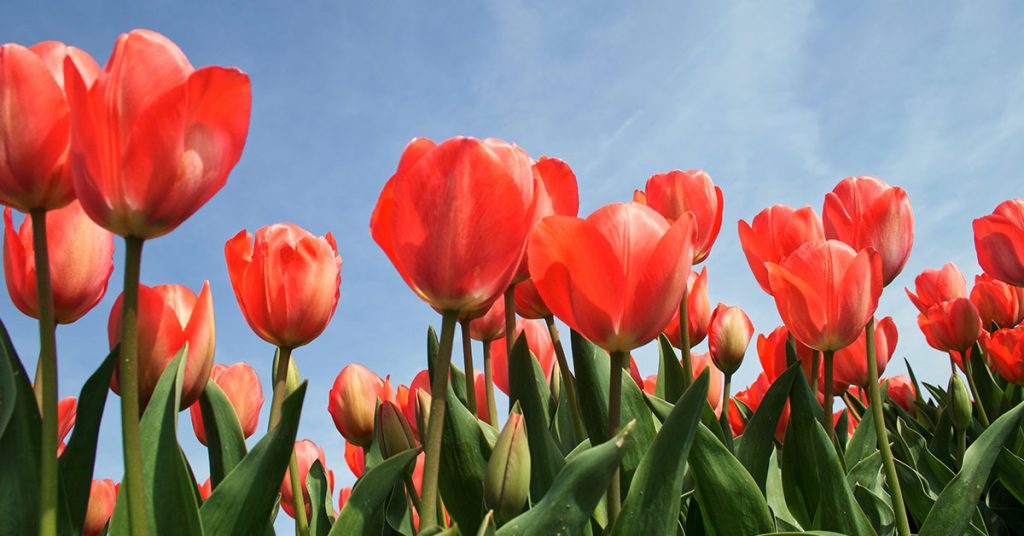
Ah, those heralds of spring—tulips! But most of us plant the hybrid, double-petaled varieties that look like colored pom-poms. While they’re undeniably stunning, these double-flowered tulips often hide or eliminate the central anthers and nectaries entirely. I remember eagerly waiting for bees to visit my pastel tulips only to see… crickets!
As bulbous plants native to Central Asia, true wild tulips offer nectar that early-emerging bees desperately need. However, the common horticultural hybrids bred for form over function leave pollinators high and dry. If you can’t resist the tulip craze, mix in species tulips ( Tulipa clusiana, T. tarda) with simple blooms to give the bees a fighting chance.
Exotic Groundcover Periwinkle (Vinca)
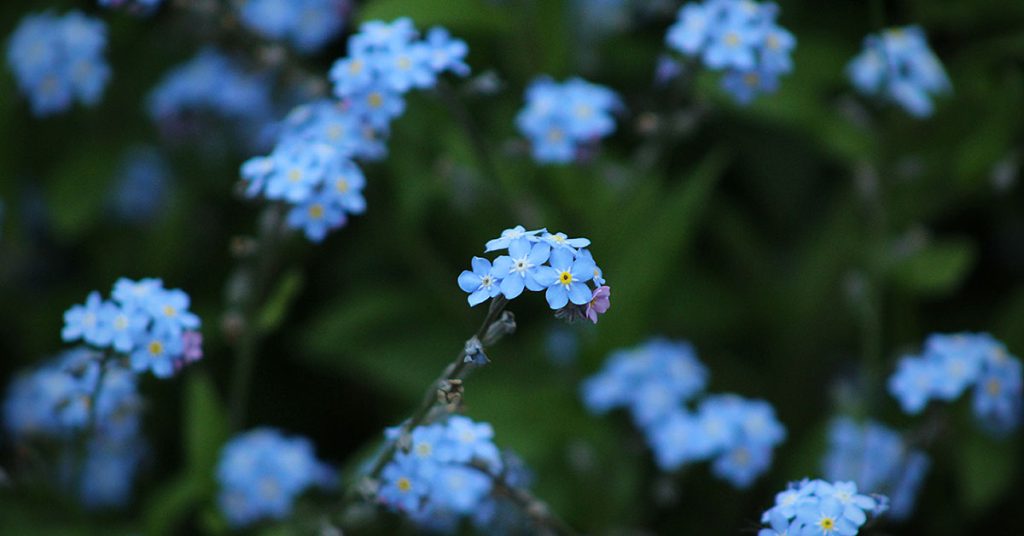
Periwinkle carpets in shifting shades of purple and white might seem like an eco-friendly groundcover option, but Vinca minor is an aggressive invader across many regions of North America. I once admired its glossy leaves until I realized it had colonized an entire patch of forest edge, pushing out native violets that would have fed local butterflies.
Moreover, its small, sterile blooms produce minimal nectar, leaving pollinators with scant rewards. That’s one of my garden regrets—installing periwinkle where native creeping phlox or wild strawberry would have spread more benefits. Swapping in native groundcovers can boost forage and preserve the delicate balance of nesting habitats!
Neonicotinoid-Treated Ornamentals
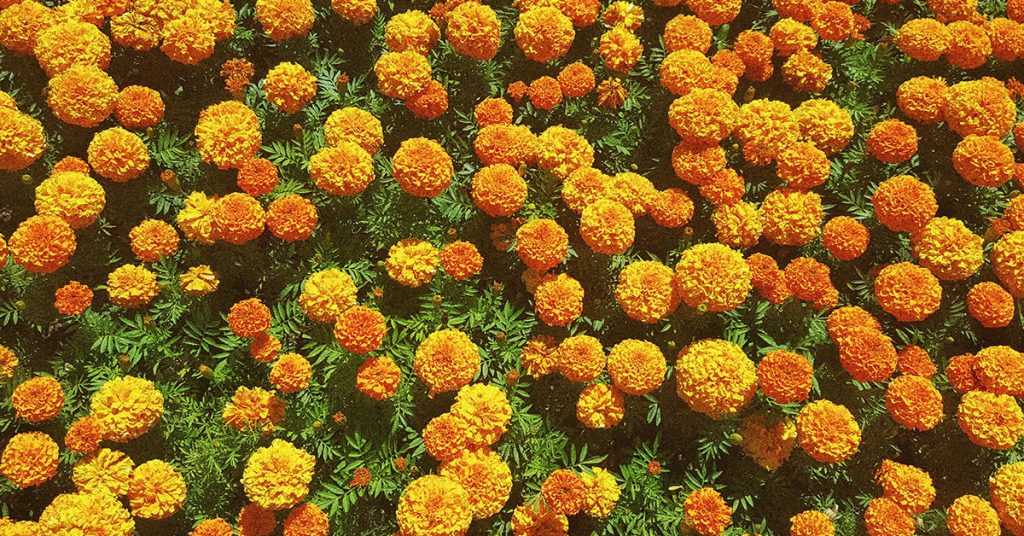
You’ve likely seen the warning labels: “Neonicotinoids may be harmful to bees.” Yet so many bedding plants at big-box stores are pre-treated with these systemic insecticides. I remember buying a flat of bright marigolds, only to watch bees avoid the entire patch. Such a heartbreaker!
Neonics, derived from nicotine, persist in plant tissues and nectar, undermining bee navigation and brood development. These chemicals originated from pesticide trials in Japan and have since become a global concern. To protect pollinators, always ask your nursery if plants are untreated or choose certified organic options instead!
Double-Flowered Begonias
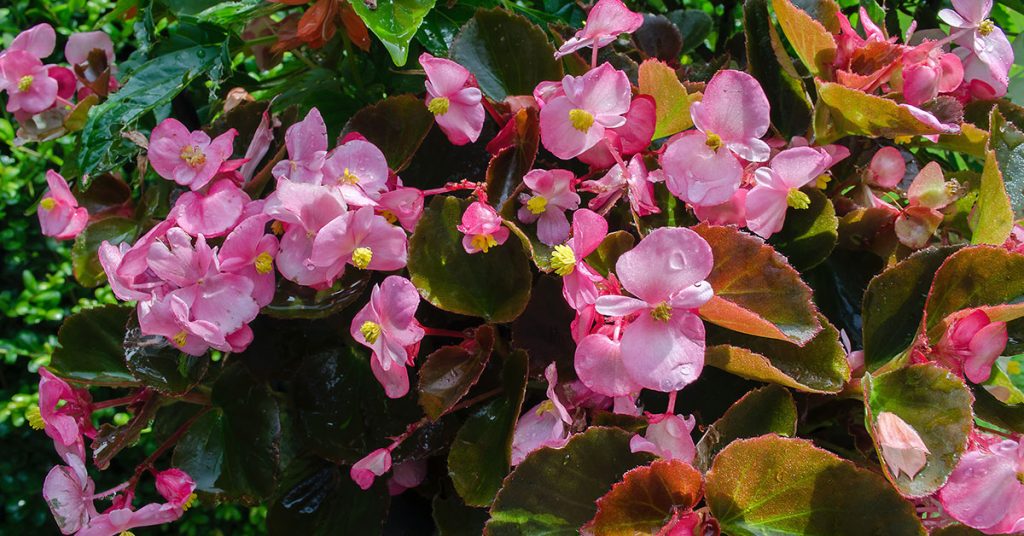
One of my favorite begonias dazzled me with its ruffled double blooms—but the bees weren’t impressed. Double-flowered Begonia × semperflorens-cultorum may look like fluffy pom-poms, but breeders bred away the stamens and nectaries, leaving nothing for pollinators to collect.
Begonias hail from tropical regions of Central and South America, where they coexist with hummingbirds and bees that depend on their simple, nectar-rich blossoms. If you adore begonias, opt for single-flower types (Begonia grandis) that showcase the reproductive parts, ensuring a welcome snack for your pollinator pals!
Mass-Planted Petunia Beds
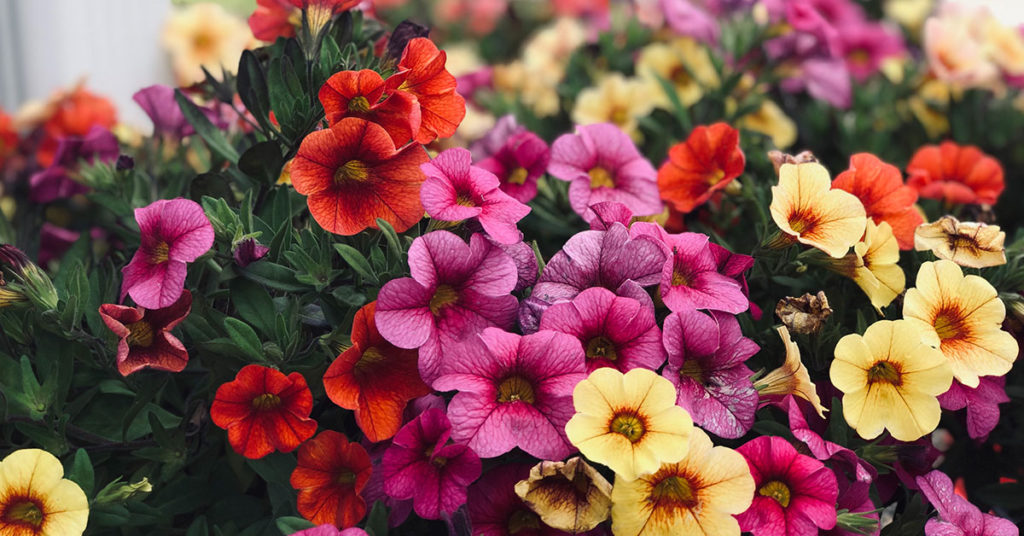
A sea of brightly hued petunias can be a dramatic focal point, but when hundreds of identical blooms open simultaneously, it creates a monoculture buffet that’s nutritionally imbalanced. I’ve noticed that even the most eager bumblebees visit only a handful of petunias before moving on in search of more diverse options—sound familiar?
Petunia hybrida, native to South America, produces some nectar but lacks the pollen variety and bloom timing that benefit different pollinator species. Instead of wall-to-wall petunias, interplant with salvias, penstemons, and native asters to extend the flowering season and cater to a broader range of bees and butterflies!
Invasive Butterfly Bush (Buddleja davidii)
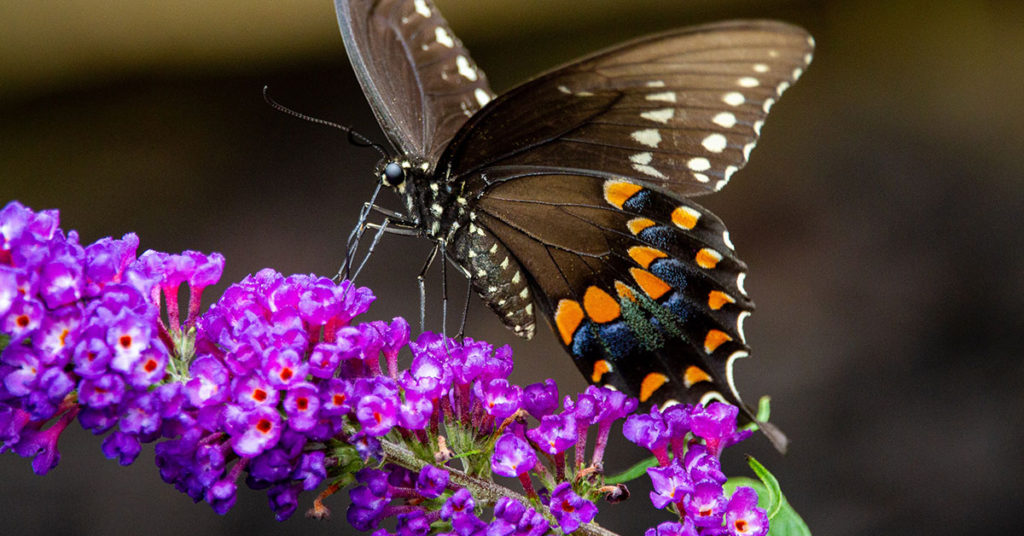
Butterfly bush is tempting—its name practically begs you to plant it! But Buddleja davidii, native to China, is listed as invasive in many states for outcompeting native milkweeds and goldenrods. I once planted a “pollinator magnet,” only to learn it was crowding out monarch larval food sources.
While butterflies do sip its nectar-laden panicles, the plant’s rampant spread can reduce overall habitat quality, forcing pollinators into monoculture corridors. A better bet is to choose native shrubs like New Jersey tea (Ceanothus americanus) or elderberry (Sambucus canadensis), which offer nectar and serve as host plants!
Scentless Oriental Lilies

Oriental lilies (Lilium spp.) are showstoppers, but many modern hybrids are bred for gigantic, highly colored blooms with little scent and minimal nectar. I’ve sniffed those giant petals only to find them empty inside—such a letdown for bees and moths that rely on fragrance cues to locate flowers at dusk.
True wild lilies native to North America and Asia often possess both scent and nectar. For a pollinator-friendly twist, try species lilies like L. michiganense or L. superbum, which retain their natural traits and actively contribute to local bee and butterfly diets!
Sterile Hydrangeas
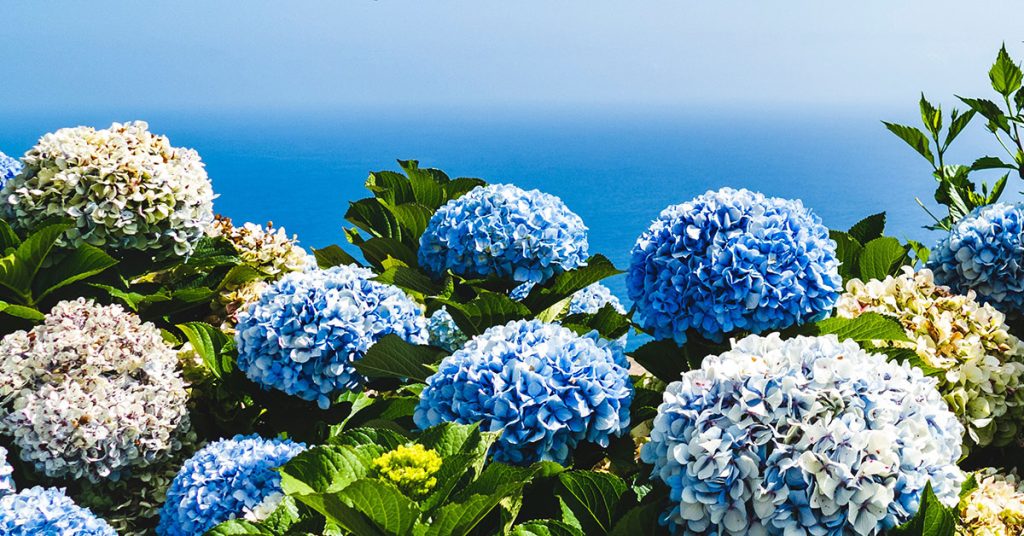
Hydrangea macrophylla is the darling of shaded borders, but garden varieties often feature mophead blooms that are entirely sterile. I planted hydrangeas under my oak trees and expected honeybees, but the sterile florets meant no pollen, no nectar, and no visits.
Native to Japan, Korea, and China, wild hydrangeas produce fertile, pollinator-friendly lacecap blossoms. Lacecap cultivars (Hydrangea serrata ‘Bluebird’) include both sterile show petals and fertile disk flowers teeming with nectar. Mixing these into your shade garden ensures you’re not just adding color but also nourishing pollinators!
Double-Flowered Peonies
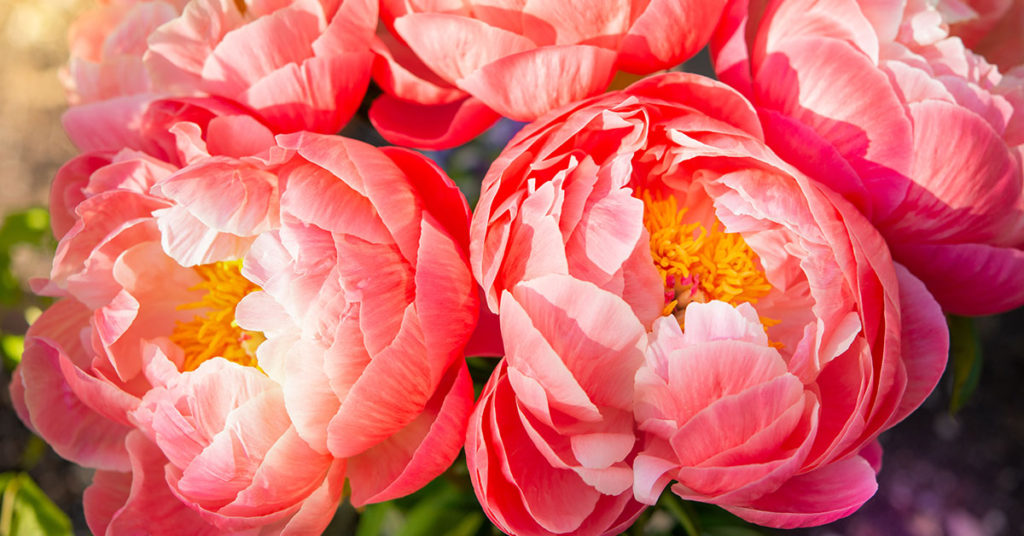
Peonies are a gardener’s delight with their lush, double blooms that unfold like pastel fireworks. But Paeonia lactiflora hybrids often envelop their stamens in layers of petals, hiding or eliminating pollen. I can’t tell you how many times I’ve poked around, hoping for a bee, only to realize there was nothing to harvest!
Traditional single-flower peonies and heirloom varieties native to Asia still retain their reproductive structures, offering pea-sized golden stamens packed with pollen. If you cherish peonies, seek out single or semi-double cultivars to ensure you’re supporting those early-spring mason bees in their nesting rush!