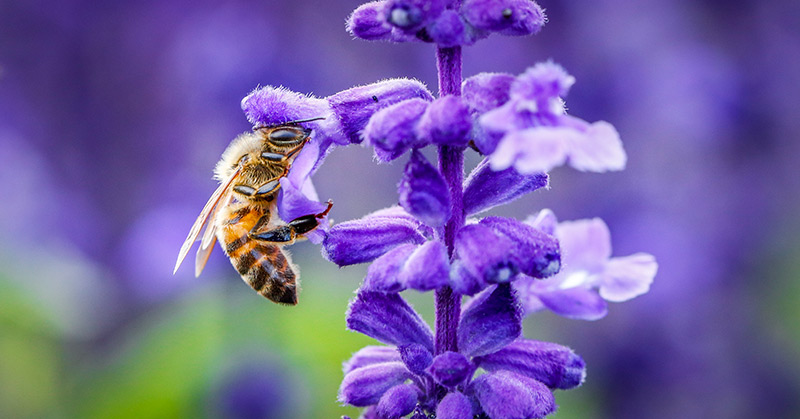

As the days shorten and the air gets crisp, many of us start preparing our gardens for winter. But while we’re tucking away our tools and tidying up flower beds, pollinators are also getting ready for the colder months ahead. Bees, butterflies, moths, and even certain beetles all have strategies for surviving winter, but they depend heavily on what we do now to ensure they make it through. I know how heartbreaking it is to see fewer pollinators in spring because they didn’t have the right shelter or food sources in fall. The good news? There’s plenty you can do to help!
Think of this season as a bridge between abundance and dormancy. Your garden can be a safe haven—one last fueling station before the frosts arrive. Some pollinators, like monarch butterflies, migrate great distances, while others, like native bumblebees, hunker down locally. Every flower you leave, every patch of undisturbed soil you protect, and every water source you maintain can make a difference. Let’s dive into some impactful and sometimes surprising ways to support them right now.
Leave Some Seed Heads Standing

It’s tempting to cut back all your perennials once they’ve finished blooming, but those dried seed heads are a treasure trove for pollinators. Many native bees, for example, will use the hollow stems to nest in over winter. Goldfinches, chickadees, and other seed-eating birds also rely on these plants for a late-season food source, which indirectly benefits pollinators in spring by keeping the ecosystem balanced. Plants like coneflowers (native to North America) and black-eyed Susans not only offer seeds but also serve as perching spots for resting insects.
Leaving seed heads standing also helps maintain microhabitats in your garden. The structure traps snow, which insulates the soil and protects overwintering pollinators hiding beneath. Plus, it’s visually stunning—frost-tipped seed heads can be as beautiful as summer blooms! These plants aren’t invasive, so you can safely encourage their natural reseeding without worrying about taking over the garden.
Provide a Water Source Until the First Frost
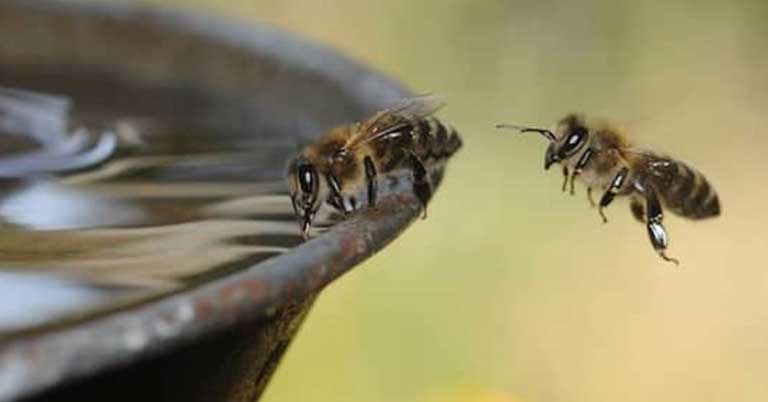
Even as the weather cools, pollinators still need water to survive. Bees use it to regulate hive temperature, and butterflies often seek out damp soil to gather essential minerals. A shallow dish filled with fresh water and a few flat stones for landing can be a lifesaver. Keep it in a sunny spot to delay freezing as long as possible, and clean it regularly to prevent disease spread.
If you can, create a small, permanent water feature like a shallow pond edge or birdbath with sloping sides. This not only benefits pollinators now but also ensures they have a ready resource come spring. Invasive plants should be avoided around water sources—stick to native wetland plants like blue flag iris or marsh marigold to provide cover and prevent unwanted species from spreading.
Plant Late-Blooming Flowers
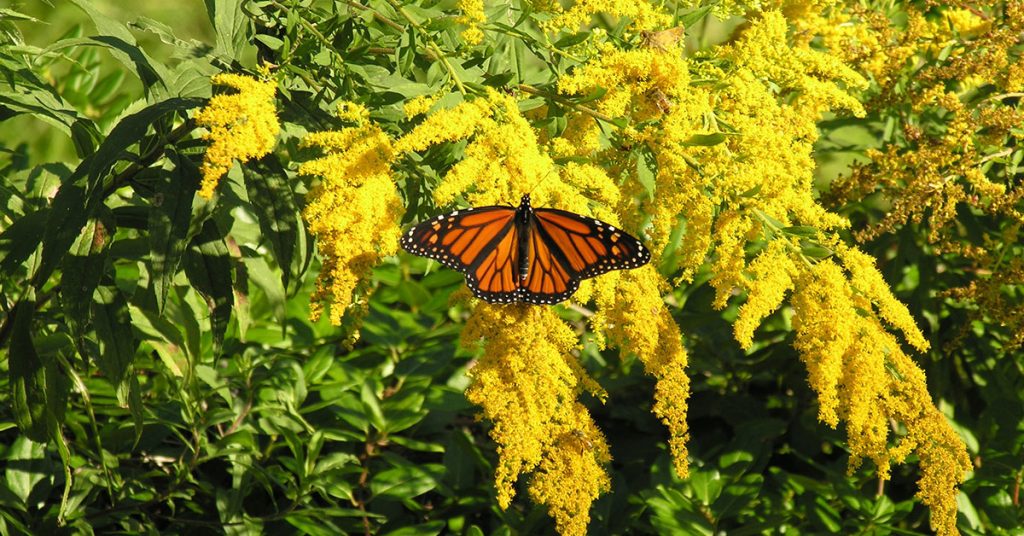
A garden that runs out of blooms in September can leave pollinators in trouble. Late-blooming plants like asters, goldenrod, and sedum provide critical nectar and pollen right up until frost. Goldenrod (native to much of North America) is often misunderstood as causing allergies, but it’s actually a pollinator powerhouse! It supports native bees, butterflies, and migrating insects when little else is available.
These flowers are also resilient to cooler nights, making them reliable late-season food sources. By choosing native varieties, you ensure that pollinators recognize and efficiently feed from them. Avoid invasive species like purple loosestrife, which can crowd out beneficial plants and disrupt local habitats.
Create a Brush Pile for Shelter

A simple pile of sticks, leaves, and logs can be a lifesaver for overwintering pollinators. Many native bees and beetles will tuck into the crevices, protected from wind and frost. Butterflies may also seek out these sheltered spots during cold snaps. The best part? You can build it with garden cleanup materials, turning what might be “waste” into a winter refuge.
Using native wood from your property is ideal, as it supports the fungi and microorganisms that are part of your local ecosystem. Just be mindful not to introduce invasive plant materials—some non-native species can sprout or spread even after being cut. Place your brush pile in a quiet, undisturbed corner of the garden where you can leave it untouched until spring.
Avoid Disturbing Leaf Litter

It’s easy to think of fallen leaves as mess, but for many pollinators, leaf litter is a blanket, nursery, and food pantry all in one. Luna moths, swallowtail butterflies, and various solitary bees overwinter in or under leaves. By raking them away too soon, we can accidentally remove or expose these delicate creatures to harsh conditions.
Instead of bagging them up, use leaves as mulch around perennials or let them accumulate under shrubs and trees. Native hardwood leaves like oak or maple are ideal because they break down at a rate that supports soil health without smothering plants. Plus, they return valuable nutrients to the soil while helping keep invasive weeds in check.
Install a Bee Hotel
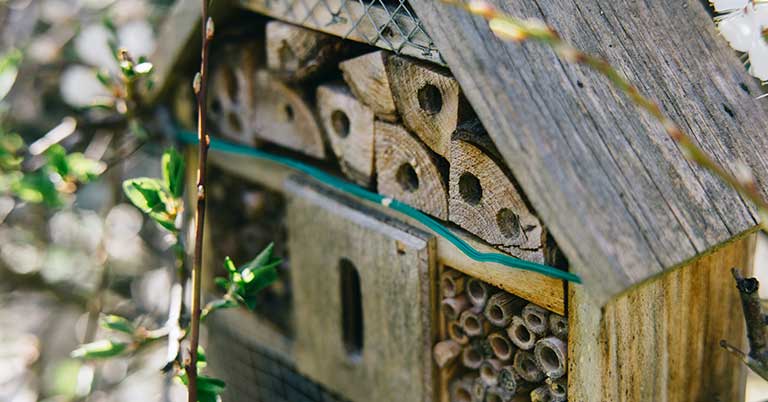
Bee hotels mimic the natural nesting sites of solitary bees, offering small tubes or holes where they can lay eggs before winter. These bees are some of the most efficient pollinators we have, and unlike honeybees, they don’t live in hives. Mason bees, native to North America, often seek out these artificial habitats when natural ones are scarce.
When installing a bee hotel, choose untreated wood and place it in a sunny, sheltered spot. Clean it annually to prevent disease, and avoid using bamboo from invasive sources. Pairing the bee hotel with nearby native plantings ensures that bees have easy access to food when they emerge in spring.
Let Some Soil Stay Bare

Many native ground-nesting bees, which make up the majority of bee species, need open soil to burrow into for winter. If every inch of your garden is mulched or covered in plants, these pollinators may struggle to find a home. By leaving small patches of bare ground—ideally in sunny, well-drained spots—you give them the perfect nesting site.
Native wildflowers often grow well near these open areas, creating a balanced habitat without disturbing the bees’ nesting needs. Be cautious not to introduce aggressive groundcovers that could crowd them out; invasive creeping species like goutweed can quickly take over and eliminate bare patches.
Keep Pesticides Out of the Garden
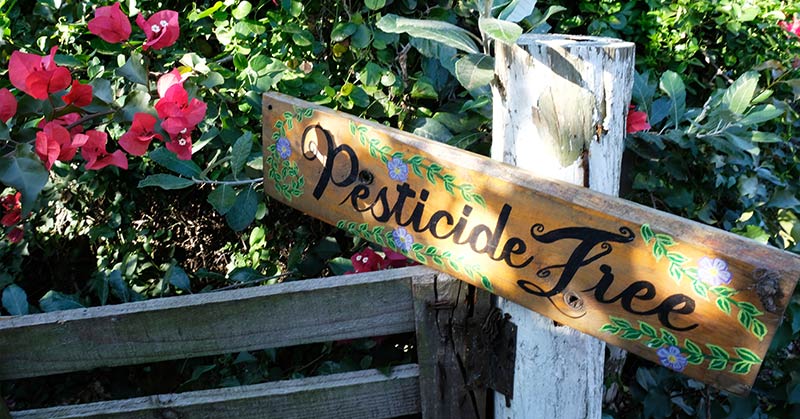
Even small doses of pesticides can harm pollinators, especially when they’re trying to build up reserves before winter. Systemic pesticides can linger in plants for months, meaning fall blooms could still be toxic. Choosing organic, pollinator-safe methods for pest control is one of the most impactful steps you can take.
Neem oil, insecticidal soap, and encouraging natural predators like ladybugs can help manage pests without harming bees and butterflies. It’s also worth planting companion plants that deter pests naturally—basil, marigolds, and native mints are great examples that won’t threaten pollinator health.
Offer Overripe Fruit
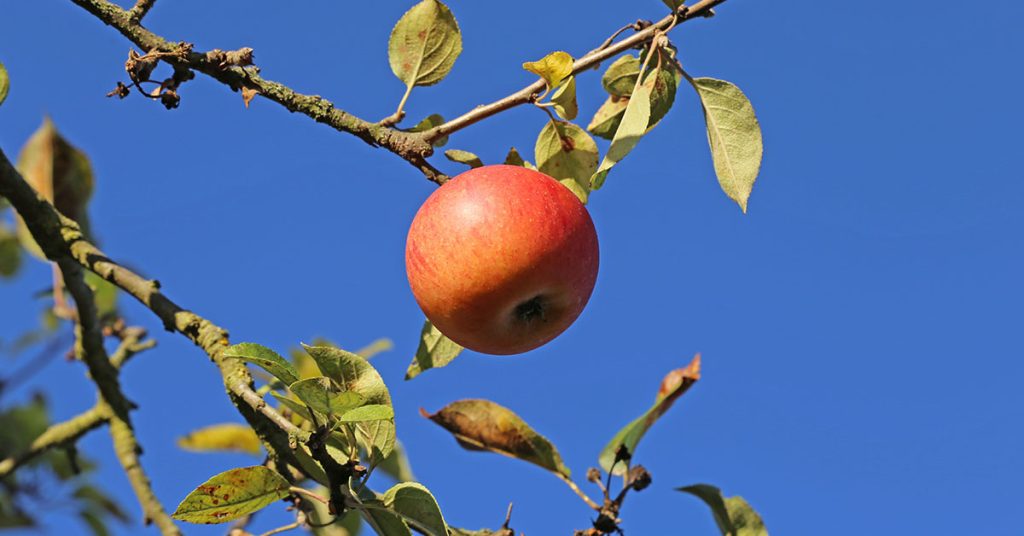
If you have fruit trees or berry bushes, leaving some overripe produce on the ground can be a sweet gift for pollinators. Butterflies, bees, and wasps will feed on the sugars, giving them an energy boost before colder weather. In late fall, this can be just as valuable as nectar-rich flowers.
Native fruiting plants like serviceberry or persimmon can serve double duty—feeding pollinators and birds alike. Just be sure to monitor for invasive fruiting plants, such as certain non-native honeysuckles, which can disrupt ecosystems despite their attractiveness to wildlife.
Provide Evergreen Shelter

Evergreen trees and shrubs aren’t just for winter landscaping—they offer year-round protection for pollinators and other beneficial insects. Dense foliage blocks wind, retains warmth, and provides hiding spots for bees, butterflies, and even moth cocoons. In regions with harsh winters, this kind of shelter can be the difference between survival and loss.
Choosing native evergreens like Eastern red cedar or American holly ensures you’re supporting local wildlife. Avoid invasive evergreens such as English ivy, which can overtake natural habitats and harm native species. A strategically placed evergreen can also create microclimates in your garden, benefiting both plants and pollinators in all seasons.