

There’s nothing more disheartening than seeing perfectly good potting soil go to waste after a season of gardening, only to have it discarded without a second thought. I know the feeling all too well – after spending hours nurturing your plants, it’s such a bummer when leftover soil is tossed aside instead of being put to good use! Fortunately, I’ve discovered plenty of creative and eco-friendly ways to repurpose old potting soil, saving you money and enhancing your garden’s overall health.
In this article, I’m excited to share 10 innovative ideas for reusing old potting soil. Whether you’re looking to boost soil fertility, create new growing mediums, or even attract beneficial critters to your garden, these tips offer practical solutions that keep your green space thriving with minimal extra effort. So, grab your gardening gloves and get ready to transform what many consider “waste” into a valuable resource for your outdoor oasis!
Establish a Vermicompost System

Old potting soil can be the perfect starting point for a vermicompost system that transforms organic waste into rich, nutrient-dense compost! By mixing your used soil with kitchen scraps and adding a few red wigglers, you create an ideal environment for these hardworking worms to break down materials and boost soil fertility. The process naturally encourages beneficial microorganisms to thrive, which in turn supports the overall health of your vegetable garden.
I’ve noticed that setting up a worm bin with old potting soil not only reduces waste but also attracts earthworms and other small critters that help aerate and enrich the soil. Their activity creates a living, breathing ecosystem right under your feet, making it a fun project for kids and adults alike. Embrace this sustainable practice and enjoy the lively, nutrient-rich compost that results – it’s a win for both your garden and the environment!
Create a Seedling Mix

Transforming old potting soil into a custom seedling mix is a fantastic way to give new plants a fresh start while reducing waste! By combining your used soil with fresh amendments like perlite, compost, or even coconut coir, you can create a balanced medium that supports seed germination and robust early growth. This method not only recycles materials but also allows you to tailor the mix to suit the specific needs of your favorite seedlings.
I’ve found that using a well-prepared seedling mix helps attract beneficial microbes and insects that encourage healthy root development. It’s a great opportunity to experiment and see firsthand how a little extra care in the early stages can lead to thriving, resilient plants. Whether you’re starting herbs, flowers, or vegetables, this approach offers an eco-friendly boost to your gardening success – and it’s a fun way to get creative with your resources!
Top-Dress Your Lawn

Old potting soil can be repurposed as a nutrient-rich top dressing for your lawn, helping to improve soil structure and moisture retention! Spreading a thin layer of the soil over your grass provides organic matter that gradually works its way into the turf, feeding the roots and promoting a healthier, greener lawn. I’ve seen remarkable improvements in both color and growth after incorporating this simple yet effective method into my lawn care routine.
Using old potting soil as top dressing also encourages beneficial soil organisms, which in turn support the grass’s natural defenses against pests and disease. It’s a low-cost, sustainable way to refresh tired lawns and reduce the need for chemical fertilizers. Plus, the added organic matter helps retain water during dry spells – a true bonus for any busy gardener looking to keep their outdoor space vibrant all season long!
Improve Container Gardening

Repurposing old potting soil is an excellent strategy for refreshing your container garden mix and giving your potted plants a second lease on life! Mixing the used soil with fresh components such as compost and perlite creates a renewed growing medium that retains moisture and delivers vital nutrients. I’ve found that this approach not only cuts down on waste but also results in healthier, more vigorous plants that continue to flourish in containers.
Your container garden can also benefit from the natural microbes and organic matter present in the reclaimed soil, which help break down nutrients and support root development. Plus, using a blend of old and new soil can create a balanced environment that attracts beneficial insects, making your pots mini-ecosystems where nature works its magic. It’s a satisfying way to recycle resources and keep your indoor or patio garden thriving without having to purchase all new materials!
Revitalize Garden Beds

Old potting soil can be a fantastic amendment for revitalizing tired garden beds, giving your vegetables and perennials an extra boost of fertility! By incorporating reclaimed soil into your existing garden beds, you’re adding organic matter that improves soil structure, drainage, and nutrient availability. I love how this simple step not only enhances the growth of your current plants but also prepares the bed for the next planting season.
When mixed with compost or other organic fertilizers, old potting soil helps create a rich, fertile environment that attracts beneficial earthworms and microbes. These tiny helpers work tirelessly to aerate the soil and break down organic matter, making nutrients more accessible to plant roots. It’s a sustainable method that turns what might seem like waste into a powerful tool for garden rejuvenation, ensuring your vegetable patch or flower bed remains productive and vibrant!
Use as Mulch

Old potting soil can be repurposed as an effective mulch that conserves moisture and suppresses weeds in your garden! When spread in a thin layer over your planting beds, it helps regulate soil temperature and reduces evaporation, ensuring your plants have consistent access to water. I’m always amazed at how a simple layer of reclaimed soil can protect your garden from the harsh effects of summer heat and keep weeds at bay.
In addition to its water-retaining properties, using old potting soil as mulch can also encourage beneficial insects and earthworms to take up residence in your garden. These creatures contribute to the natural breakdown of organic material, gradually releasing nutrients back into the soil. This low-maintenance approach to mulching not only recycles your spent soil but also creates a thriving, self-sustaining micro-ecosystem right in your garden beds!
Fill Garden Edges and Borders

Don’t let your old potting soil go to waste – use it to fill garden edges and borders for a natural, finished look! Adding a layer of reclaimed soil along pathways or around flower beds can help define spaces while providing a nutrient-rich base that encourages the growth of groundcover plants. I find that this technique not only improves the visual appeal of my garden but also supports a more balanced ecosystem by nurturing beneficial organisms along the edges.
The extra soil can also serve as a buffer zone, reducing erosion and helping retain moisture in areas that might otherwise dry out too quickly. As it breaks down over time, it continues to enrich the soil beneath, supporting the establishment of low-growing plants that may even attract small pollinators and nesting insects. It’s a practical and creative way to repurpose old potting soil while enhancing the overall structure and beauty of your landscape!
Reuse in Greenhouse and Indoor Gardening

Old potting soil isn’t just for outdoor use – it can be refreshed and repurposed for greenhouse or indoor gardening projects too! By mixing the reclaimed soil with fresh ingredients, you can create a custom blend that supports indoor plants and seasonal greenhouse crops. I’ve enjoyed experimenting with various ratios to achieve the perfect balance of moisture retention and drainage for my indoor garden setups, ensuring that every plant gets the nutrients it needs.
This method not only reduces waste but also helps establish a consistent, nurturing environment for your potted plants. With the addition of organic matter and beneficial microbes from the old soil, your indoor garden becomes a thriving micro-ecosystem that attracts tiny, helpful critters and supports robust growth. It’s a smart, sustainable way to recycle resources while continuing to cultivate beauty and life under any roof!
Build a Raised Garden Bed
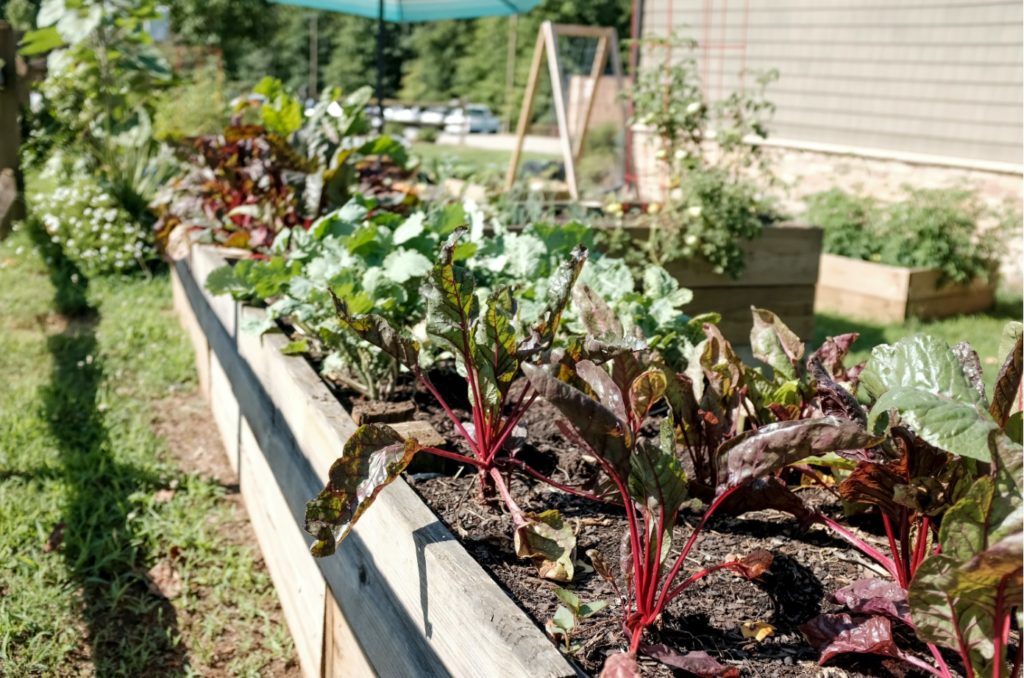
Transforming old potting soil into a key ingredient for building raised garden beds is a fantastic way to give it new life and improve your vegetable garden! Combining reclaimed soil with fresh compost and other amendments creates a nutrient-rich blend that fills your raised beds and supports healthy plant growth. I’ve found that this method not only saves on the cost of buying new soil but also boosts the overall productivity of my garden by ensuring a well-balanced medium for roots to thrive.
Using old potting soil in raised beds also helps in managing drainage and moisture levels, which is especially important for vegetables. The enriched soil attracts beneficial organisms, from earthworms to microbes, that work together to improve fertility and structure. It’s a practical solution that recycles resources and sets the stage for a vibrant, sustainable garden where every crop can flourish with natural support!
Erosion Control and Landscaping

Old potting soil can be repurposed as a useful tool in erosion control and landscaping projects around your property! When mixed with other materials such as mulch or compost, it can help stabilize slopes and prevent soil loss in areas prone to erosion. I love the idea of using reclaimed soil to create natural terraces or to fill in depressions in the landscape, thereby enhancing both functionality and visual appeal.
This method also supports the establishment of groundcover plants that help anchor the soil while attracting beneficial insects and small wildlife. As the soil gradually breaks down, it releases organic matter that further enriches the area and encourages a healthy, self-sustaining ecosystem. By incorporating old potting soil into your landscaping projects, you not only recycle a valuable resource but also contribute to a more resilient and beautiful outdoor environment!
Create a Custom Potting Mix
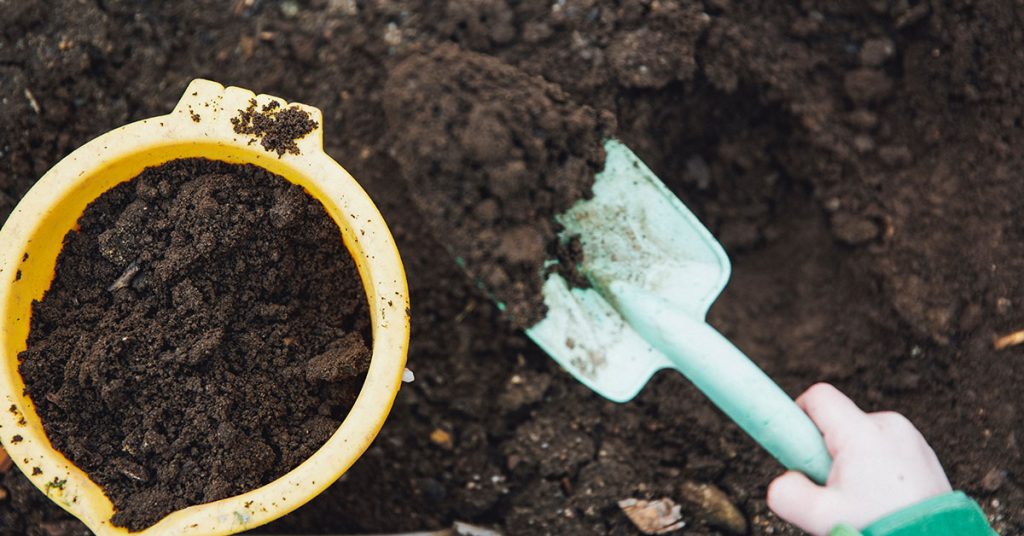
Finally, one of the most rewarding ways to reuse old potting soil is to blend it into a custom potting mix tailored for your specific gardening needs! By combining reclaimed soil with fresh amendments like perlite, vermiculite, and compost, you can create a balanced medium that supports a wide range of plants. I’ve experimented with different recipes over the years, finding that this method not only extends the life of old soil but also gives me complete control over the growing conditions for my favorite flowers and vegetables.
This custom mix is particularly useful for container gardening, where a nutrient-rich, well-aerated soil is essential for plant health. The blend helps attract beneficial microbes and even encourages earthworms and other tiny critters to take up residence, further enhancing soil fertility. It’s an eco-friendly, budget-conscious way to turn what might be considered “spent” soil into a powerhouse of nutrients – a true testament to the ingenuity and sustainability of creative gardening!