

Balancing a beautifully lit garden with the well-being of local wildlife can feel like walking a tightrope! I know how frustrating it is to see moths circling your fixtures all night or to hear frogs go silent under harsh glare. With a few thoughtful tweaks, you can still enjoy enchanting evening illumination without turning your yard into a wildlife no-fly zone.
In this article, I’m sharing ten practical strategies—randomized to keep you on your toes—for using garden lights responsibly. From choosing the right color temperature to creating dark corridors and even planting native refuges, each tip delves into wildlife behaviors (nesting sites, foraging patterns) and offers detailed guidance. Let’s light up your garden the eco-friendly way!
Select Narrow-Band Spectrum Lights
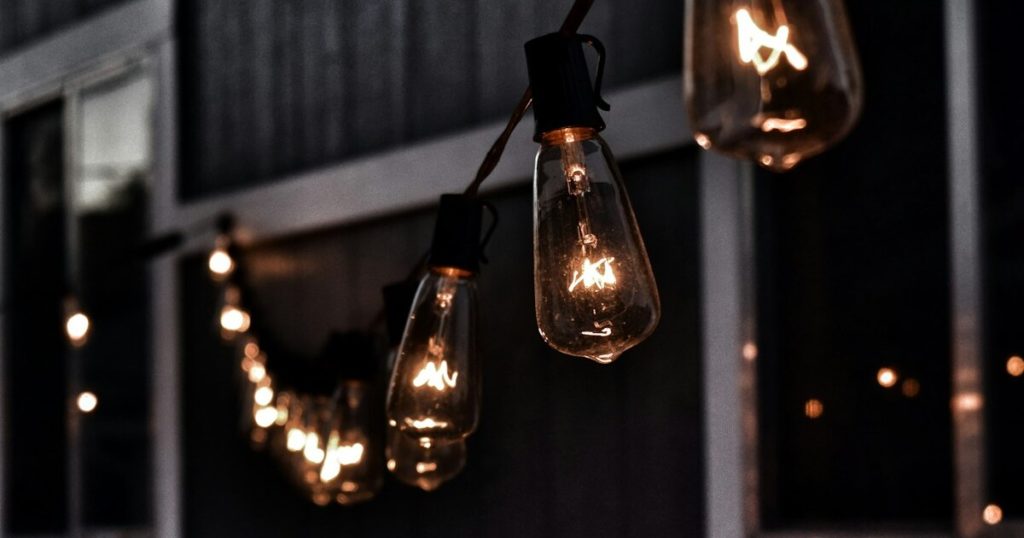
Certain wavelengths—especially around 590 nm (amber)—are far less attractive to nocturnal insects like moths and beetles. By choosing narrow-band LED fixtures tuned to these wavelengths, you dramatically reduce insect draw, which in turn keeps bats and night-feeding birds from congregating under your lights and exhausting themselves!
These amber-tinted LEDs mimic the long-wave light of natural dusk, interfering minimally with insect navigation. Many native pollinators rely on UV and blue spectra to locate flowers at night; narrow-band lights leave them free to forage and return safely to nests in nearby hedgerows (often planted with non-invasive, region-appropriate shrubs like red twig dogwood or elderberry).
Use Motion Sensors and Timers to Limit Exposure

Leaving lights on all night creates constant glare that can disrupt amphibians’ breeding calls and nocturnal mammal routes. Installing motion-activated fixtures ensures illumination only when needed—each activation gives you safety and avoids disorienting wildlife for prolonged periods!
Timers set to switch off after peak evening use (say, 10 PM) further protect creatures that begin their nightly activities later. Frogs nesting near the pond will croak uninterrupted, and hedgehogs can roam for insects without stumbling into a wall of light—helping preserve natural foraging and nesting behaviors.
Use Smart Controls and Dimming Options

Dimmable lights or smart-home integrations let you tailor brightness throughout the evening. I program mine to run at 100% from dusk until two hours after sundown, then dim to 10–20% until midnight, and finally switch off by 2 AM. This gradual reduction aligns with nocturnal wildlife activity peaks!
Many bird species migrate at night and rely on natural dark intervals to navigate by starlight. A timed dim-down reduces the risk of collision or prolonged attraction. Plus, a soft glow during late-night hours maintains just enough path visibility without overwhelming ground-dwelling pollinators or turtles crossing driveways.
Position Lights Low and Close to Pathways

Mounting lights close to ground level and angling them downward focuses illumination where people walk, rather than flooding the canopy. This tactic limits skyglow and overhead glare, preserving the natural darkness that many owl and bat species need for hunting!
Ground-level fixtures also reduce light spill onto neighboring habitats—lawns, wood edges, and ponds—where amphibians and insects nest. In my own garden, low bollards guided evening guests while leaving ferns and wild violets untouched in shadowed pockets, creating safe daytime and nighttime refuges.
Opt for Warm-Spectrum (Amber) Lighting

Warm-spectrum bulbs (2,200–2,700 K) mimic firelight and early twilight, producing less blue and UV content. This reduces attraction for flying insects—moths, gnats, midges—so predators like bats don’t over-hunt near your porch light!
Native nocturnal pollinators, like some hawkmoth species, are especially sensitive to blue light, which can scramble their flower-finding abilities. By choosing amber tones, you maintain a cozy ambiance without interfering with pollination patterns in your butterfly bush or native summersweet plantings.
Provide Alternative Habitat Away from Light Sources

Create dark refuges by planting a small thicket of native, non-invasive shrubs—such as Southern wax myrtle or American beautyberry—in a corner of your yard. This undisturbed patch becomes a safe nesting and foraging site for wildlife away from illuminated areas!
These native species offer berries, blossoms, and branch structure that birds and insects rely on, and by situating them beyond the reach of your garden lights, you ensure creatures have a true “night off.” I love watching fireflies flash in my unlit brush pile, knowing they’re undisturbed by the glow from my patio spotlights.
Maintain Dark Corridors and Refugia

Even with strategic lighting, continuous hedgerows or fence-line plantings serve as natural pathways for small mammals and amphibians. Ensure at least one unlit corridor runs along property edges, connecting to larger green spaces so frogs, opossums, and hedgehogs can travel safely!
This mimics habitat corridors in the wild—woodland edges and streambanks that animals use to migrate and find mates. By preserving these dark lanes, you support nesting behaviors and reduce stress on species forced to detour around bright spots in the night.
Avoid Blue-Rich and Broad-Spectrum White Lighting

Cool white LEDs and metal-halide lamps emit across the blue and UV spectrum, acting like beacons for insects. Those insects then congregate under the lights, drawing predators and disrupting natural population dynamics. Instead, steer clear of bulbs above 3,000 K!
Broad-spectrum lights can also impact plant photoperiodism—some ornamental bulbs and perennials may break dormancy too soon under heavy blue light. Choosing narrower, warmer spectrums keeps your tulips and evening primrose on track, without confusing local wildlife’s seasonal instincts.
Choose LED Over Other Bulbs to Reduce UV Emissions

Incandescent and halogen bulbs flood the area with UV and infrared radiation, attracting far more insects than LEDs. Modern LEDs emit negligible UV, making them a kinder choice for nighttime gardens!
LEDs also run cooler—reducing heat stress on nearby plantings and preventing nocturnal pollinators from overheating when they rest on warm fixtures. This small change in bulb technology can dramatically lower your garden’s ecological footprint.
Implement Directional, Shielded Fixtures

Full cutoff or shielded fixtures prevent light from spilling upward or horizontally into surrounding habitats. By pointing light only where it’s needed—paths, seating areas, specimen plants—you minimize intrusion into bird nesting zones and frog ponds!
Shielded designs also cut glare, improving human nighttime visibility without blinding wildlife. I’ve found that installing a simple hooded spotlight near my rose arch lets me admire blooms at dusk, while the rest of the garden stays cloaked in natural darkness, preserving nesting sites for ground bees and toads.