
As a devoted gardener who has spent countless hours tending to every corner of my outdoor space, I know firsthand the joy that comes from creating a thriving, sustainable ecosystem right in your backyard. Transforming your yard into an ecological oasis isn’t just about planting a few flowers—it’s about designing a vibrant habitat that attracts beneficial insects, nurtures wildlife, and supports natural growth cycles. I understand how frustrating it can be when conventional landscaping leaves your garden feeling sterile and disconnected from nature, so I’m excited to share practical, hands-on strategies to help you cultivate a lively, eco-friendly retreat!
In this guide, I’ll walk you through 10 actionable tips drawn from my own experiences and extensive research, each designed to make your yard a haven for biodiversity. From embracing native flora to installing water features and building wildlife nesting areas, these ideas are perfect for gardeners eager to foster a harmonious relationship with nature. Whether you’re a seasoned green thumb or just starting out, these insights will empower you to turn your yard into a sanctuary that bursts with life and energy—while keeping things fun and sustainable!
Build a Bee and Butterfly Garden

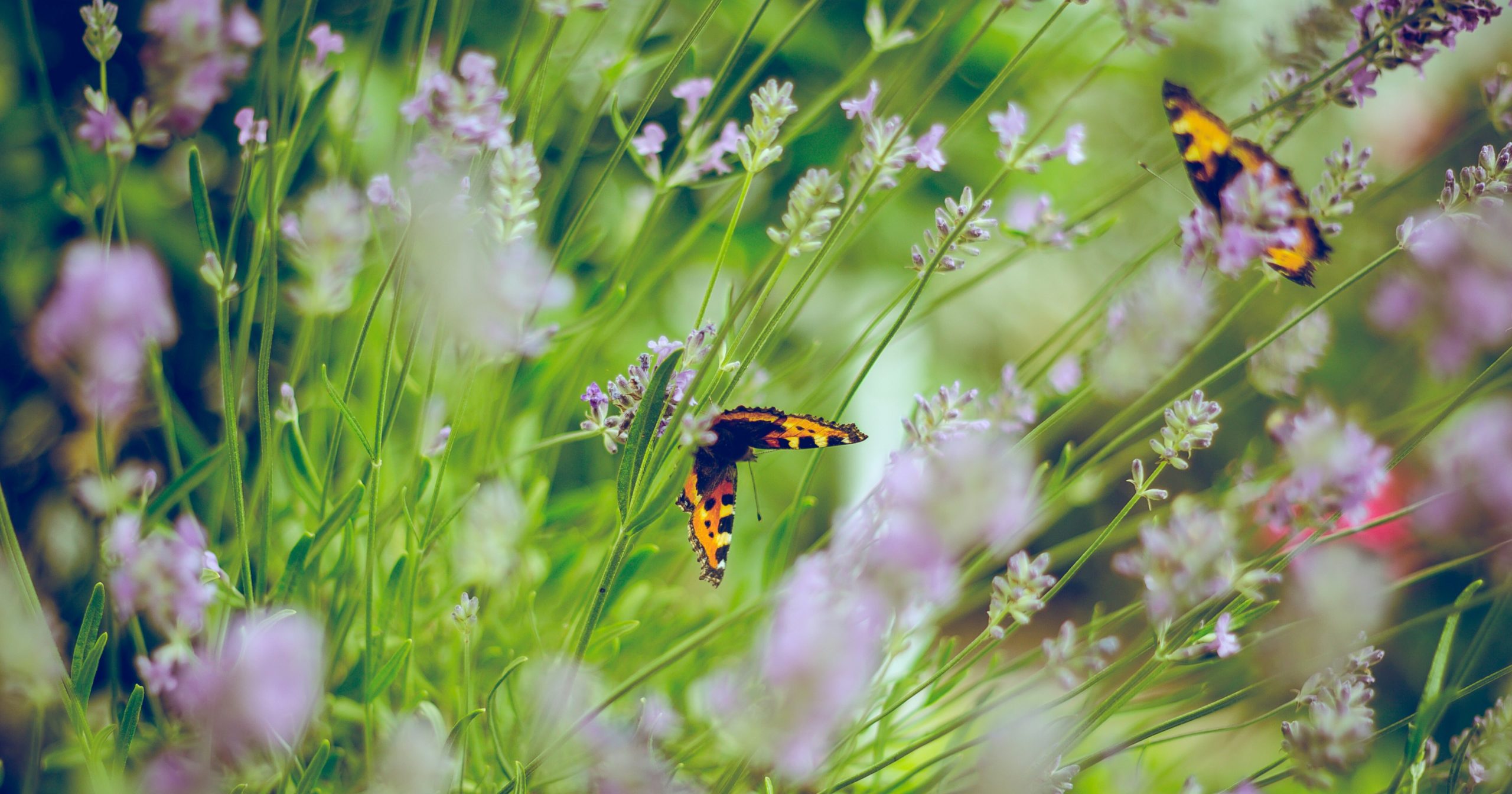
One of the most effective ways to breathe life into your yard is by creating a dedicated bee and butterfly garden. Select a sunny spot where you can plant an array of nectar-rich annuals and perennials that attract these vital pollinators. Native species like coneflowers, black-eyed Susans, and butterfly bushes are excellent choices because they provide abundant nectar and pollen, encouraging bees and butterflies to visit and even nest. I’ve seen how these plants create natural microhabitats, with their open blossoms acting as tiny landing pads for pollinators!
This approach not only boosts your garden’s beauty but also strengthens the local ecosystem by supporting the natural behaviors of bees and butterflies. Their presence helps improve plant reproduction and overall garden health, creating a self-sustaining cycle of growth and pollination. By providing a variety of blooming plants that stagger their flowering times, you ensure that these beneficial insects have a continuous source of food, making your garden a buzzing, vibrant oasis of life!
Embrace Native Plants

Native plants are the cornerstone of any ecological oasis because they are perfectly adapted to your local climate, soil, and weather patterns. By incorporating species native to your region, you not only reduce maintenance and water usage but also create a familiar habitat for local wildlife. These plants often exhibit unique behaviors such as forming natural clusters or “nests” that invite beneficial insects and even small birds, enhancing the overall biodiversity of your yard. For instance, native wildflowers like milkweed and goldenrod have evolved alongside local pollinators, ensuring a harmonious relationship that benefits both.
Using native plants also minimizes the risk of invasive species taking over your garden. They tend to require fewer chemical inputs, which means a healthier environment for both flora and fauna. This strategy creates a balanced ecosystem that naturally resists pests and diseases. The result is a garden that not only thrives with minimal intervention but also supports the intrinsic beauty and resilience of your local landscape—a true ecological gem!
Create Wildlife Nesting Sites
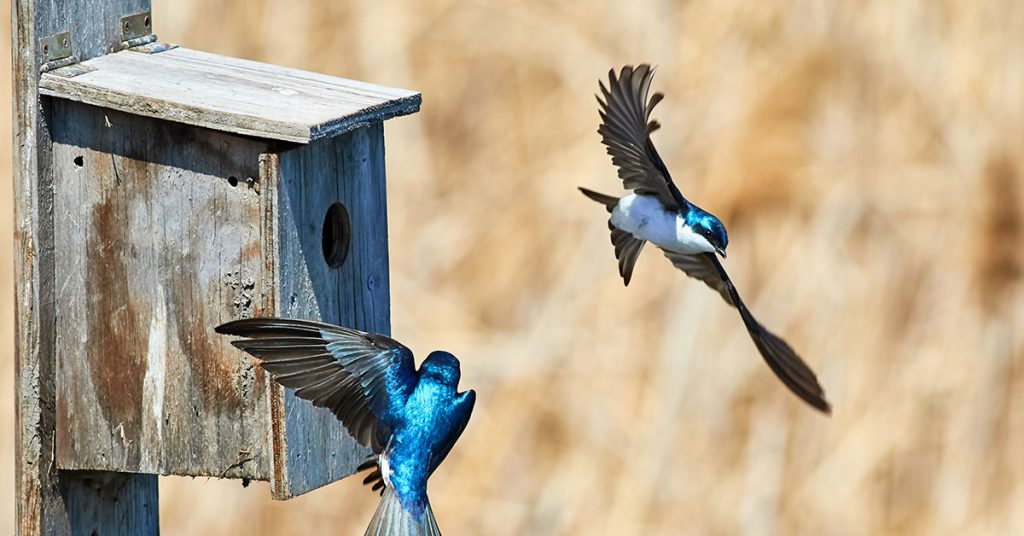
Enhancing your yard with dedicated wildlife nesting sites is a hands-on way to invite a variety of creatures into your ecosystem. Consider installing birdhouses, bat boxes, and bee hotels in strategic, sheltered locations around your yard. These structures offer secure spots where birds, bats, and solitary bees can raise their young and build colonies. I’ve found that even a small wooden bee hotel can transform a quiet corner of your garden into a bustling hub of pollinator activity, with insects seeking out safe, cozy spots to nest and forage.
In addition to manufactured structures, you can also create natural nesting sites by leaving areas of your yard undisturbed. For example, a small patch of bare soil or a stack of logs can serve as a perfect nest for ground-nesting bees or other insects. This blend of man-made and natural habitats enriches the biodiversity of your space, allowing native species to flourish. By providing secure nesting areas, you contribute to the stability and growth of your local ecosystem, ensuring that every living creature has a place to call home!
Install a Water Feature
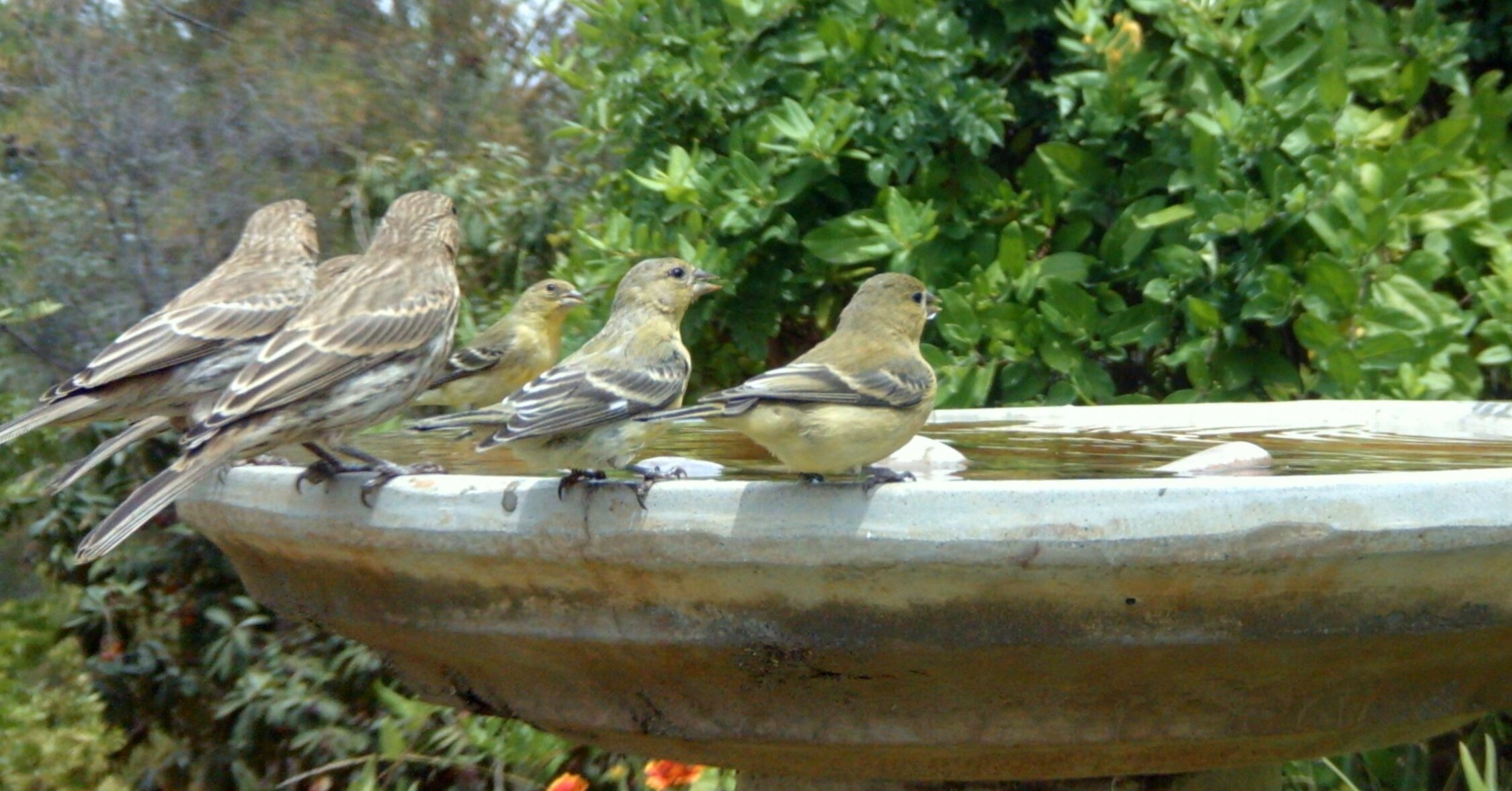
A small water feature can be a transformative addition to your yard, offering a vital resource for both wildlife and beneficial insects. Whether it’s a simple birdbath, a shallow pond, or even a DIY water garden, the presence of water is essential for attracting birds, bees, and butterflies. I love watching how a well-placed water feature creates a microclimate that not only cools the surrounding area but also becomes a natural gathering spot for a variety of creatures seeking hydration and a place to bathe.
Beyond its aesthetic appeal, a water feature can encourage natural behaviors like drinking, bathing, and even nesting in some bird species. To ensure safety and prevent stagnation, maintain shallow water levels with pebbles or floating objects that allow insects and small birds to perch easily. With minimal upkeep, your water feature becomes a focal point that nurtures life and adds dynamic movement to your ecological oasis, making your yard a vibrant hub of natural activity!
Reduce Your Lawn Area

Reducing the size of your traditional lawn can be a game-changer for transforming your yard into an ecological haven. Lawns, while aesthetically pleasing to some, often require significant water, fertilizers, and pesticides, which can disrupt local ecosystems and deter wildlife. By replacing portions of your lawn with native plants, wildflowers, or ground covers, you create a diverse landscape that attracts beneficial insects, bees, and even small birds. I’ve seen how a reduced lawn area can turn an over-manicured yard into a lively, self-sustaining garden that’s teeming with life!
This shift not only conserves water and reduces chemical inputs but also promotes soil health and biodiversity. Natural ground covers, for example, create dense mats that serve as both a protective layer for the soil and a habitat for tiny creatures. By strategically reducing lawn space, you allow more room for plants that require less maintenance and contribute more actively to the local ecosystem. It’s an approach that transforms your yard into a dynamic, eco-friendly environment where every square foot works towards sustainability!
Practice Organic Gardening
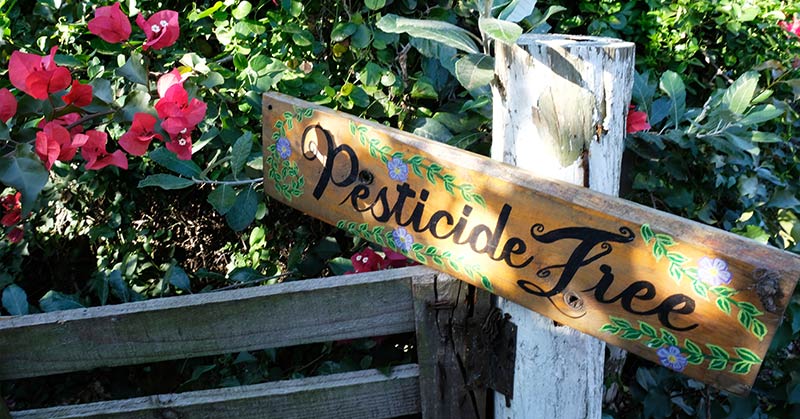
Adopting organic gardening methods is one of the most effective ways to nurture an ecological oasis in your yard. Steering clear of synthetic pesticides and fertilizers not only protects beneficial insects but also enhances soil fertility through natural processes. I’ve learned that using organic compost and natural pest control methods—like introducing predatory insects—creates a resilient garden ecosystem that works in harmony with nature. Organic practices support a balanced environment where plants, insects, and microorganisms coexist beneficially, each contributing to the overall health of your garden.
Organic gardening also minimizes the risk of chemical runoff, which can harm local waterways and the wildlife that depend on them. By choosing organic solutions, you promote sustainable growth and encourage the natural behaviors of your garden’s inhabitants, such as bees and butterflies visiting blossoms for nectar. This eco-friendly approach ensures that your garden remains a safe and nurturing space for all forms of life, transforming it into a true ecological sanctuary that you can be proud of!
Compost and Build Healthy Soil

Healthy soil is the foundation of any thriving ecological oasis, and composting is an excellent way to enrich your garden’s earth naturally. By recycling kitchen scraps, garden waste, and other organic materials, you create a nutrient-rich compost that feeds your plants and promotes robust growth. I always find it incredibly rewarding to see how a well-maintained compost heap not only reduces waste but also transforms your soil into a living, breathing ecosystem teeming with beneficial microbes. These microorganisms help break down organic matter and release essential nutrients, creating a fertile environment that supports diverse plant life.
Rich, organic soil attracts a wide variety of beneficial insects and earthworms, which further enhance soil health by aerating and mixing the layers. The natural nesting behaviors of these organisms contribute to a balanced ecosystem that boosts plant vitality and resilience against pests. By investing time in composting, you’re not only saving money on commercial fertilizers but also setting the stage for a sustainable, high-performing garden that continuously supports life in all its forms!
Incorporate Fruit Trees and Edible Landscapes

Turning part of your yard into an edible landscape is a creative and practical step towards building an ecological oasis. Incorporating fruit trees and edible shrubs not only provides a source of fresh, homegrown produce but also attracts a variety of pollinators and beneficial insects. Native fruit trees, such as apple or pear varieties that have adapted well to your region, can become the centerpiece of your garden, offering shade, beauty, and a natural nesting space for birds. I find it incredibly fulfilling to watch the seasonal transformation as blossoms turn into succulent fruits, attracting bees and butterflies along the way!
An edible landscape creates a dynamic and interactive environment where every plant plays a role in the ecosystem. The flowering cycles of fruit trees offer vital nectar sources during key periods, while the fallen fruit provides food for ground-dwelling wildlife. This multi-functional approach not only enhances your garden’s productivity but also establishes a sustainable, self-replenishing system that supports both human and animal life. By integrating edible elements into your design, you cultivate a garden that nourishes the body, the soul, and the environment!
Plant Groundcover and Wildflowers

Replacing conventional turf with groundcover and wildflowers is a transformative strategy that turns your yard into a mosaic of natural beauty and ecological function. Groundcover plants, such as creeping thyme or clover, are not only low-maintenance but also excellent at preventing soil erosion and providing habitat for beneficial insects. Wildflowers, particularly native varieties, add bursts of color and create natural nesting sites that attract bees, butterflies, and other pollinators. I love the way these low-growing plants weave together, forming a living carpet that breathes life and vibrancy into every corner of the yard!
This shift from a manicured lawn to a diverse, flowering groundcover enhances biodiversity while reducing water consumption and chemical use. Many wildflowers are adapted to local conditions and require minimal care, making them a sustainable alternative to traditional grass. The natural behavior of these plants, from seed dispersal to seasonal blooming, ensures a continuous cycle of growth that enriches the soil and supports a dynamic ecosystem. Embracing groundcovers and wildflowers transforms your yard into a resilient, eco-friendly haven that thrives with minimal intervention!
Harvest Rainwater for Sustainability

Installing a rainwater harvesting system is a practical and eco-friendly solution that contributes significantly to turning your yard into an ecological oasis. Capturing rainwater not only conserves a precious resource but also provides your garden with naturally soft water that is free from chemicals. I’ve seen firsthand how a simple rain barrel or more advanced rainwater collection system can reduce your dependency on municipal water while giving your plants a nourishing, organic boost. This sustainable practice supports the natural water cycle and minimizes runoff, protecting your soil and local waterways!
Rainwater is especially beneficial for native plants, which have evolved to thrive on the natural rhythms of rainfall in their region. By using harvested rainwater, you mimic the conditions of a natural ecosystem, encouraging plants to exhibit their full, vibrant behaviors—from abundant blooming to strong root development. Installing a rainwater system is not only a cost-effective strategy but also a testament to your commitment to sustainable gardening. It’s a straightforward, impactful step that contributes to a greener future, ensuring your yard remains a thriving ecological sanctuary for generations to come!