

Late August can feel like the garden’s final sprint before cooler days arrive—heat still lingers, soil feels tired, and pests are on the prowl. I know how frustrating it is when your tomatoes start slowing down just as you crave that last ripe bite! By focusing on soil health now, you’ll give your plants the nutrition and structure they need to keep producing well into autumn’s golden glow.
Over the years, I’ve rescued countless wilted beans and spindly peppers by treating my beds to a late-summer soil tune-up: testing pH, enriching with compost, inviting beneficial insects, and more. Let’s dive into ten actionable strategies—each packed with detail, origin stories, and ecological benefits—to supercharge your soil for an extended harvest!
Test and Adjust Soil pH

First things first: grab a reliable soil-test kit and check your bed’s pH. Most vegetables thrive in a slightly acidic to neutral range (6.0–7.0). If your soil skews below 6.0, sprinkle garden lime (crushed limestone from native outcrops) to gently raise pH; if it drifts above 7.5, work in elemental sulfur or peat moss (peat bogs are fragile ecosystems, so source responsibly!). Precise adjustment prevents nutrient lock-up and encourages robust root development.
Balancing pH also benefits soil life: earthworms wriggle more actively in neutral soils, creating aeration channels, and solitary mining bees often nest in the loose, crumbly earth. I always love seeing those tiny tunnelers at work as soon as I break ground!
Incorporate Well-Rotted Compost

Work in a generous two- to three-inch layer of mature compost—crafted from kitchen scraps and yard waste—into the top six inches of soil. Compost, rich in humus, slowly releases nitrogen, phosphorus, and potassium, improving soil structure and moisture retention. Your late-season squash and beans will thank you with bountiful blooms and pods!
Compost also jumpstarts microbial life: springtails, beneficial nematodes, and predatory mites surge in numbers, breaking down organic matter and preying on harmful pests. By enriching your soil now, you’re nurturing a living community that supports plant health year-round.
Sow Cover Crops for Living Mulch
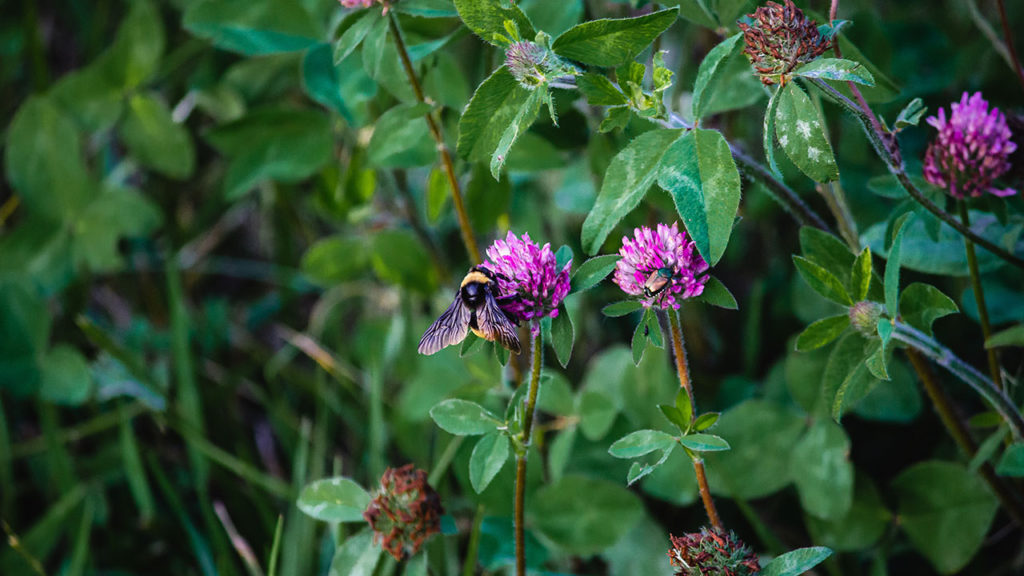
Planting a quick-growing cover crop—such as buckwheat (native to Asia) or crimson clover (Trifolium incarnatum, native to Europe)—fills empty beds, suppresses weeds, and protects against erosion. Buckwheat flowers in just six weeks, providing nectar for late-season bees, while crimson clover fixes atmospheric nitrogen for next spring’s veggies. Neither tends to become invasive, making them ideal “green manure.”
Once frost approaches, chop and lightly till cover crops into the soil. Their decomposing roots and foliage boost organic matter, improving drainage and tilth. Plus, overwintering pollinators often find shelter among dying clover stems—nature’s bonus habitat!
Add Organic Mulches
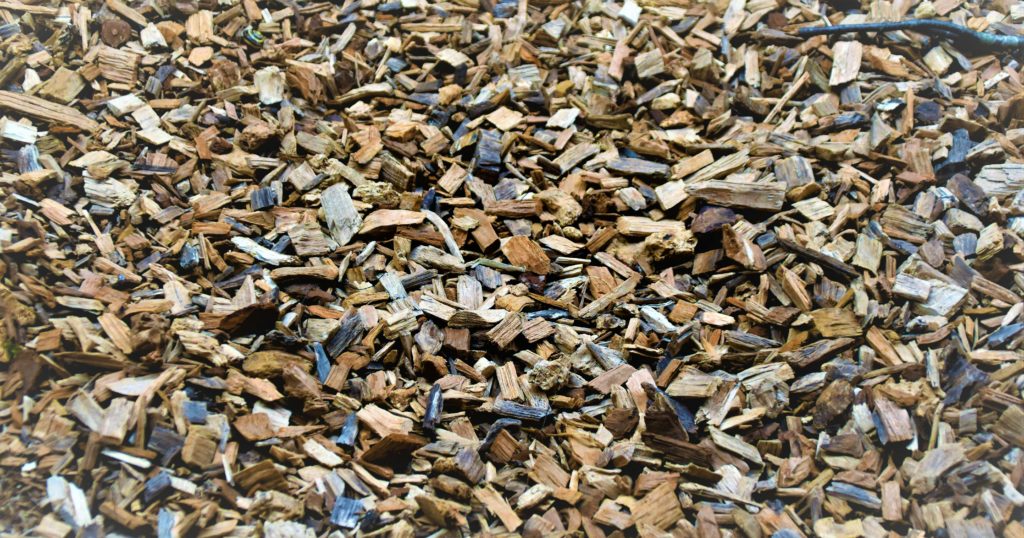
Top your beds with a two-inch layer of shredded leaves, straw, or wood chips (sustainably sourced, non-invasive species). Organic mulches moderate soil temperature, conserve moisture during late-summer heat, and gradually break down into nourishing humus. I adore the finished look mulch gives my borders while giving plant roots a cozy blanket!
Under the mulch layer, ground-beetles and solitary bees find safe winter quarters. Those beetles emerge in spring to feast on cutworms and slugs, so you’re not just beautifying beds—you’re building essential habitat for beneficial garden allies.
Rotate Crops and Amend Beds

If space allows, plan autumn plantings in areas where heavy feeders—tomatoes, squash, peppers—grew this summer. Then amend those depleted beds with compost and a layer of aged manure to restore nutrients. In their place, sow cool-season greens in healthier soil. Rotating prevents soil-borne diseases and disrupts pest life cycles!
This simple shift also benefits nesting insects: beds newly enriched host ground-nesting bees more readily, while vacated summer plots can be mulched or planted with cover crops to rebuild soil life without interruption.
Install or Adjust Drip Irrigation
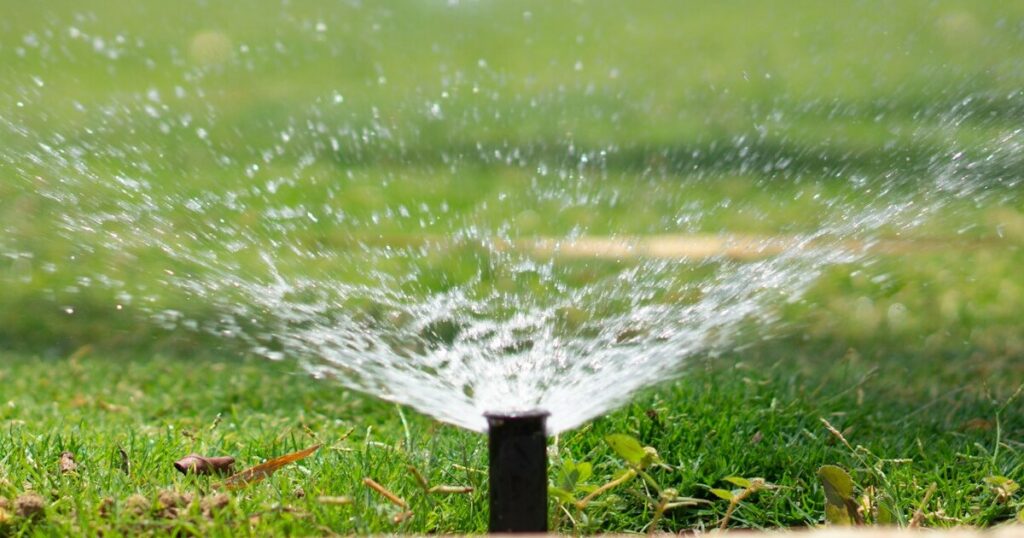
Late summer heat stresses roots, yet overhead watering can encourage fungal diseases. Installing drip irrigation or soaker hoses ensures deep, efficient watering directly to the root zone while keeping foliage dry. If you already have drip lines, adjust emitters now to deliver longer, slower soaks—encouraging roots to delve deeper into the soil.
Well-hydrated soil holds warmth and nutrients better, buffering roots against sudden cool nights. I’ve seen beans flourish with just an hour of early-morning drip watering instead of half-hearted sprinkling!
Introduce Beneficial Nematodes and Insects

Beneficial nematodes (Steinernema spp.) can be applied in August to suppress soil-dwelling pests like grubs and vine borers. Simply drench beds per product instructions. Meanwhile, encourage predatory insects—lacewings, ladybugs, and parasitic wasps—by planting insectary strips of alyssum or buckwheat near beds. They’ll feed on nectar and lay eggs on pest hosts!
As these biological control agents establish, you’ll notice fewer root-eating grubs and caterpillars. I once found a flowering alyssum patch teeming with lacewing larvae—nature’s little vacuum cleaners at work!
Apply Slow-Release Organic Fertilizers
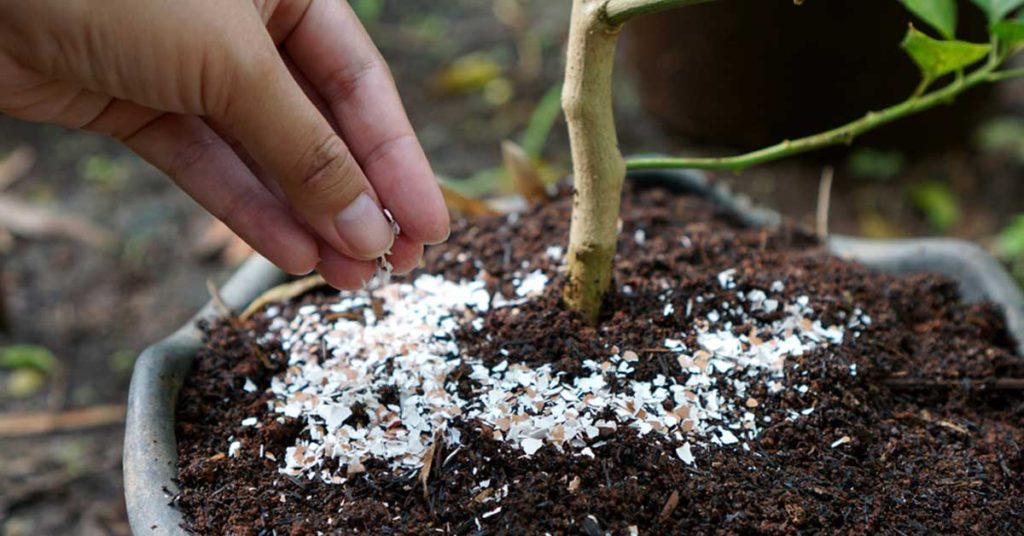
Blend in a slow-release organic fertilizer—such as bone meal (phosphorus source) or kelp meal (micronutrients from seaweed native to coastal zones)—to sustain nutrient availability through cooler months. Unlike quick-release synthetics, organic granules nourish soil microbes and won’t burn roots.
These amendments support fall-fruiting crops—like kale and broccoli—and keep blooms going on late-season marigolds (Tagetes spp., native to Mexico and Central America). Bees still forage these flowers, extending pollination into autumn.
Create In-Ground Water-Harvesting Trenches

Dig shallow trenches or basins along contours to capture rainwater and runoff. Backfill with wood chips and compost to create earthboxes that release moisture slowly into surrounding soil. This technique, inspired by traditional swales in arid regions, reduces irrigation needs and prevents erosion during heavy late-summer storms!
These trenches also become humid microhabitats, attracting moisture-loving insects like predatory ground beetles and providing small amphibians a refuge. It’s a multifunctional strategy that conserves water and enhances biodiversity.
Remove Debris and Solarize Soil
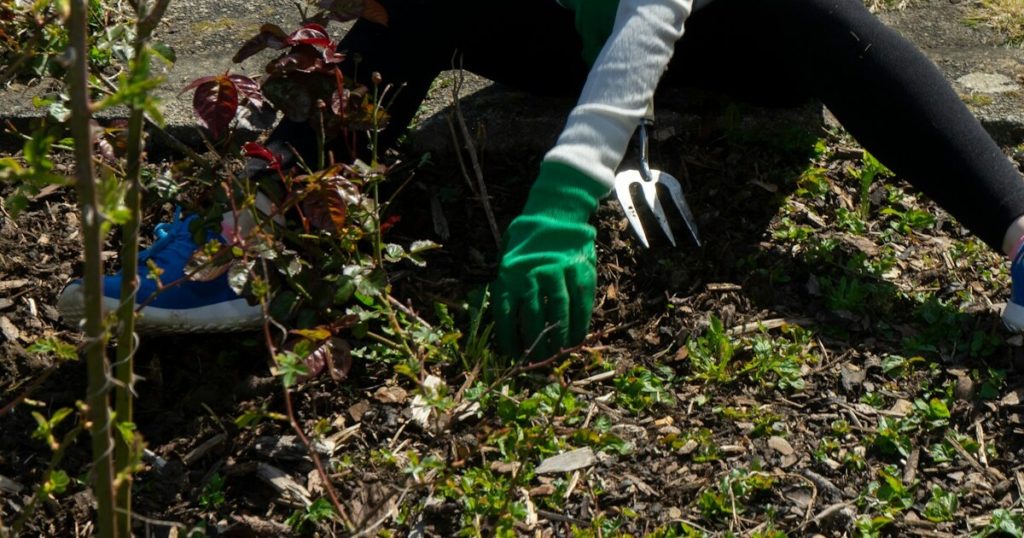
Clear out spent vines, weeds, and plant debris that can harbor pests and diseases. Then, on a sunny spot, lay clear plastic sheeting tight to the soil and anchor edges. Solarize for 4–6 weeks—solar heat will suppress weed seeds, soil pathogens, and nematodes without chemicals!
While solarizing, the warm, moist environment attracts ground-nesting bees seeking sunny nesting sites. After removing plastic, leave a small patch bare for them, then reseed with cover crops or mulch the rest. You’ll emerge with cleaner, pathogen-reduced soil and happy pollinators ready for next year’s bounty!