

One of my favorite houseplants, the classic pothos (Epipremnum aureum), can transform a dull corner into a lush cascade of green—when it’s bushy and full! It’s such a bummer when your pothos looks sparse, with long bare stems and only a few leaves clustered at the tips. I know how frustrating it is to water, fertilize, and give it light—only to see leggy vines that refuse to branch out.
Originally native to the Solomon Islands, pothos thrives indoors almost anywhere, and while it can naturalize in tropical gardens, it’s not considered aggressively invasive in most climates. In this article, we’ll explore ten practical strategies—ranging from light management to propagation tricks—to encourage your pothos to branch out, fill in empty spots, and develop a dense, vibrant canopy. Let’s dive in and turn those floppy vines into a living wall of lush foliage!
Propagate and Densely Replant Cuttings

Nothing jump-starts a sparse pothos like taking multiple stem cuttings and creating a tighter cluster of plants. Snip 4–6-inch segments, ensuring each cutting has two or three leaves and an aerial root node. Place these in water or moist soil; once roots reach a couple of inches, plant them close together in the same pot or surrounding pots to form a fuller mass of vines.
By crowding new plants slightly, you create more growing tips that subsequently split into additional branches—one cutting quickly becomes several offsetting shoots. I love seeing how a single pot of clustered cuttings can fill out within weeks, and the interwoven vines also help stabilize each other, making the overall display appear even more luxuriant!
Provide Bright, Indirect Light

While pothos tolerates low light, it won’t branch vigorously without bright, filtered sun. Position your plant near an east- or north-facing window, or a few feet back from a south- or west-facing window behind sheer curtains. This encourages robust leaf production and new lateral shoots rather than long, sparse internodes.
Too little light leads to long spaced-out nodes with few leaves—a recipe for anemic vines. Conversely, too much direct sun can scorch leaves. I once moved a struggling pothos closer to a bright window (but out of the midday glare), and within a month, the new growth was so dense it hid the old, bare canes entirely!
Repot When Root-Bound Into a Slightly Larger Container

Crowded roots can stunt top growth and reduce branching. If you notice roots circling the pot or growing out of drainage holes, it’s time to repot. Choose a container 1–2 inches larger in diameter—big enough to provide fresh soil and room to expand, but not so large that moisture lingers and causes rot.
During repotting, gently tease apart dense root masses to encourage outward growth. This tactic not only prevents root crowding but also stimulates new leaf nodes at the soil line. I know how discouraging it is when your plant acts dormant despite proper care; a timely repot can feel like pressing ‘reset,’ sparking a wave of fresh, bushy growth!
Pinch Back and Prune Regularly

Pruning is the secret weapon for fuller pothos. Snip stems just above a leaf node every 6–8 inches to encourage two new shoots to emerge from the node. Over time, this repeated pinching transforms a leggy vine into a branching juggernaut of greenery.
Don’t be shy about removing older, yellowing leaves and bare sections—cut them back to healthy growth. One of my favorite practices is a midseason “haircut,” where I harvest cuttings for propagation while simultaneously shaping the plant. It’s immensely satisfying to see the canopy fill in with fresh, vibrant foliage!
Fertilize Strategically
A balanced, water-soluble houseplant fertilizer (20-20-20 N-P-K) fed at half strength every 4–6 weeks during the growing season keeps your pothos fueled for branching. Nitrogen promotes lush leaf growth, while phosphorus supports strong root development, which in turn allows the plant to push out new shoots.
I’ve learned that skipping feedings for too many months often results in thin, stringy growth that resists pruning. Conversely, over-fertilizing can scorch roots and stunt the plant. By finding that sweet spot—regular, mild feedings—you’ll see more vigorous leaf-to-node ratios and plenty of new vines unfurling!
Use a Moss Pole or Support

Although pothos naturally trails, providing a moss pole or trellis encourages aerial roots to attach and vines to climb. Climbing triggers the plant’s innate habit of producing larger leaves and more side shoots—transforming sparse hanging stems into a dense vertical display.
When vines ascend, they also produce additional nodes along their length, each a potential branching point. I once wrapped new growth around a short bamboo stake, and within weeks, the vines thickened dramatically, sending out lateral shoots that created a verdant, pillar-like column of foliage!
Rotate the Plant for Even Canopy
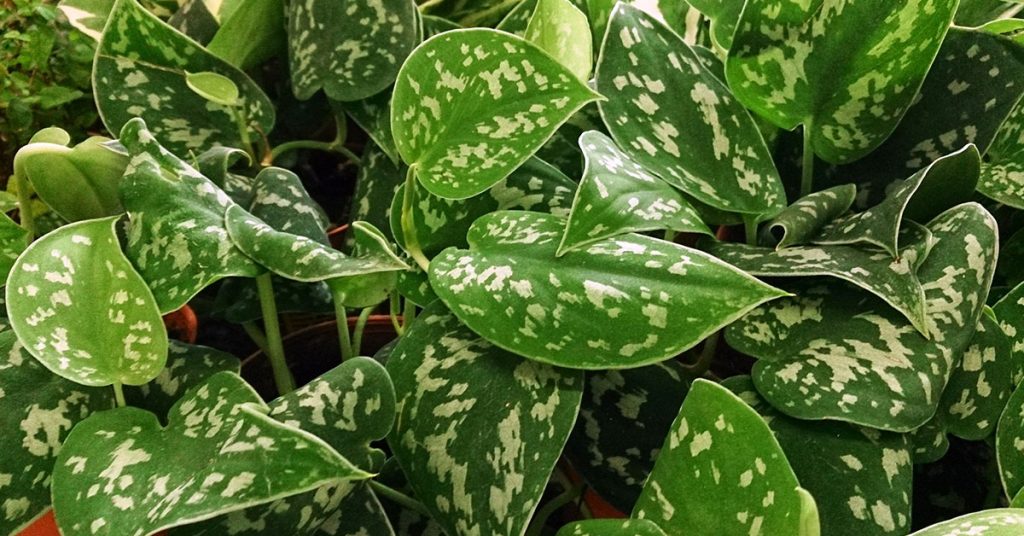
Plants tend to grow toward light, leaving one side fuller than the other. Rotate your pothos by a quarter turn every week to ensure each side receives equal light exposure. This simple habit prevents a lopsided silhouette and encourages uniform branching around the entire plant.
I know how disheartening it is to have one side looking sparse and the other bursting with leaves! By rotating, you coax the less vigorous sides to step up, resulting in a symmetrical, bushy appearance that looks great from every angle in your living space.
Maintain Optimal Humidity and Temperature

Pothos thrives in humidity levels above 40% and temperatures between 65–85°F. When the air is too dry, new leaves unfurl slowly, and branching slows down. Use a pebble tray, humidifier, or group it with other plants to raise local humidity, especially in winter when indoor air can be arid.
Warmth also drives growth—cold drafts or night temperatures below 60°F will put your pothos into conservation mode, halting new shoots. One winter, I moved my plant away from a chilly window and saw budding vines double in length within a few weeks! Stable, cozy conditions are key to encouraging that lush, full canopy.
Root Prune or Thin Roots During Repotting

Beyond simply moving to a bigger pot, trimming back thick root balls can stimulate fresh root growth. At repotting time, nip away up to one-third of the old roots, focusing on any mats or circling sections. Healthy roots then colonize the new soil more vigorously, supporting increased top growth and branching.
This practice mimics the natural root turnover pothos would experience in the wild, where roots repeatedly die back and regenerate. If your plant has plateaued despite care, a careful root prune can shock it—gently—into producing a slew of new growth that fills out the pot beautifully!
Choose a High-Quality, Airy Potting Mix

Dense soils can suffocate roots and slow overall growth. A peat-based mix with added perlite or orchid bark ensures excellent drainage and aeration, allowing roots to spread and absorb nutrients effectively. Good airflow in the root zone correlates with more vigorous shoot development above.
I once switched a struggling pothos from a heavy, moisture-retentive potting soil to a light, chunky mix and watched it send out double the number of new vines in the following month! For any gardener who’s been frustrated by sluggish houseplants, upgrading the media can be a surprisingly powerful step toward a fuller, bushier plant.