

Gardening is a delightful adventure where every step leads to unexpected discoveries and heartwarming successes! As a passionate gardener, I’ve spent countless hours tinkering with soil, observing its subtle transformations, and embracing the natural magic that fuels a flourishing vegetable patch. In this article, I’m excited to share 10 innovative methods to enhance your garden soil, each offering unique benefits—from attracting beneficial critters to creating an environment where vegetables can truly thrive. I know how challenging it can be to combat pests and poor soil conditions, and I’m here to provide tips that bring both joy and productivity to your gardening experience.
By incorporating these techniques, you not only boost your garden’s fertility but also create a vibrant ecosystem that supports native life and sometimes even invites helpful nesting behavior among insects and soil organisms. Each method has its own fascinating backstory, from ancient practices to modern innovations, and I’m thrilled to reveal the details about their origins and potential invasive tendencies. Let’s embark on this lively exploration and transform your garden soil into a powerhouse of productivity and natural beauty!
Use Cover Crops
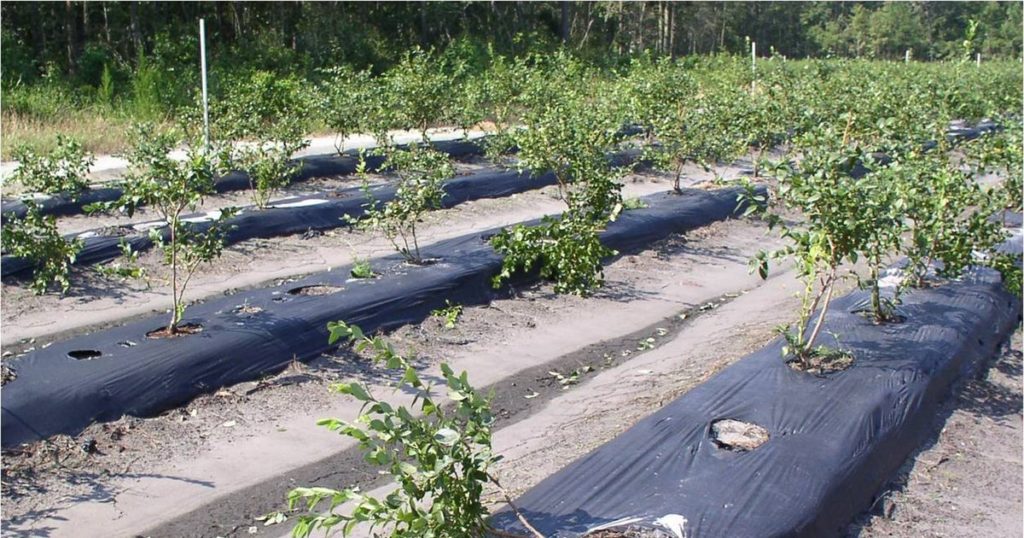
Cover crops are my secret weapon for nourishing the soil during off-seasons, providing a living mulch that both protects and enriches the ground. I enjoy sowing cover crops like clover or rye because they naturally enrich the soil with nitrogen and organic matter, while also serving as a refuge for beneficial insects that might even nest among their dense foliage. Many of these cover crops hail from regions far beyond our gardens, and though some varieties can display invasive traits in the right conditions, managed planting keeps them a genuine boon for soil fertility!
Planting cover crops not only prevents erosion but also breaks pest cycles, offering a dual benefit that I’ve come to appreciate deeply. Their vigorous growth can transform fallow fields into thriving ecosystems, where native pollinators find safe havens and beneficial organisms contribute to a balanced environment. The dynamic interplay between plant roots and soil microbes is truly a sight to behold, and every time I see these crops flourishing, I’m reminded of nature’s incredible resilience!
Incorporate Compost

There’s an undeniable magic in turning kitchen scraps and garden waste into rich, dark compost that breathes new life into tired soil. I relish the process of building my own compost pile, where each layer of decomposing matter contributes to a nutrient-rich foundation that supports vigorous vegetable growth. Compost not only improves soil texture and water retention but also attracts beneficial microbes and earthworms that happily nest and multiply, transforming your garden into a bustling mini-ecosystem!
The practice of composting has roots in ancient agricultural traditions, and its principles are celebrated in nearly every corner of the world. While compost itself isn’t a plant, it embodies the spirit of natural recycling, drawing on organic materials from native vegetation and even encouraging the growth of local soil communities. Every handful of compost feels like a gift from nature, helping to offset the challenges of modern gardening and ensuring a sustainable, thriving garden bed!
Use Biochar

Biochar is a fascinating soil amendment that has captured my interest with its ability to enhance water retention and microbial activity. This ancient practice, inspired by naturally occurring charred soils in regions affected by wildfires, transforms organic matter into a long-lasting soil booster. Although biochar isn’t a plant, its benefits mimic those of native soils that have adapted to periodic burns, and its porous structure creates a hospitable environment for beneficial organisms!
Incorporating biochar into your vegetable garden can lead to improved soil structure and a more stable nutrient balance, while subtly curbing invasive tendencies by promoting a healthier microbial community. I’ve found that mixing biochar with compost yields a dynamic combination that supports both plant roots and the nesting of soil dwellers. This age-old wisdom, paired with modern innovation, makes biochar an exciting option for any gardener aiming to create a robust and resilient garden ecosystem!
Soil Testing and Amendment

Starting with a clear understanding of your soil’s current state is essential for any successful garden. Conducting a soil test unveils the mysteries of pH levels, nutrient deficiencies, and organic content, allowing you to tailor your amendments precisely to your garden’s needs. I remember feeling like a detective as I uncovered clues about my soil’s hidden qualities—it was an eye-opening experience that paved the way for smarter, targeted improvements. Although soil testing isn’t a plant-based practice, it borrows from agricultural science that’s been honed over generations across native regions!
Armed with these insights, you can confidently add amendments such as lime, sulfur, or organic matter to create the ideal growing environment for your vegetables. This process is akin to creating a bespoke recipe for success, ensuring that every nutrient is perfectly balanced. As you make these adjustments, you might even observe beneficial soil organisms taking notice, ready to nest and proliferate in an enriched habitat. It’s a process of transformation that fills me with optimism every time I see my garden respond with robust growth!
Introduce Bone Meal
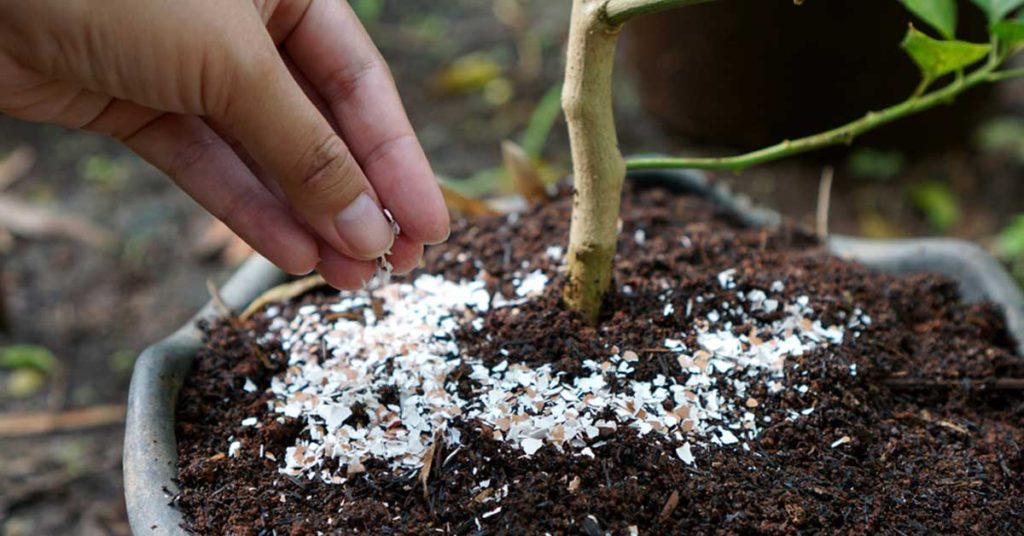
Bone meal is an enduring source of phosphorus and calcium, vital for strong root development and overall plant health. Derived from finely ground animal bones, this nutrient-rich amendment carries with it a legacy of traditional farming practices that have been cherished by gardeners for centuries. I always approach bone meal with a sense of respect for its origins, noting that while it is not a plant, its natural production process is rooted in the organic cycles of native ecosystems. It’s important to use bone meal judiciously, as excessive application could lead to overly aggressive nutrient imbalances!
When applied in moderation, bone meal offers a slow-release supply of nutrients that gently nourishes the soil over time. I’ve noticed that vegetables develop stronger, more resilient roots when this amendment is included in the soil mix. The historical significance and natural derivation of bone meal lend a timeless quality to its benefits, making it a cherished addition in my garden. Watching my plants thrive after its application is a reminder of the harmonious interplay between age-old wisdom and modern gardening practices!
Add Green Manure
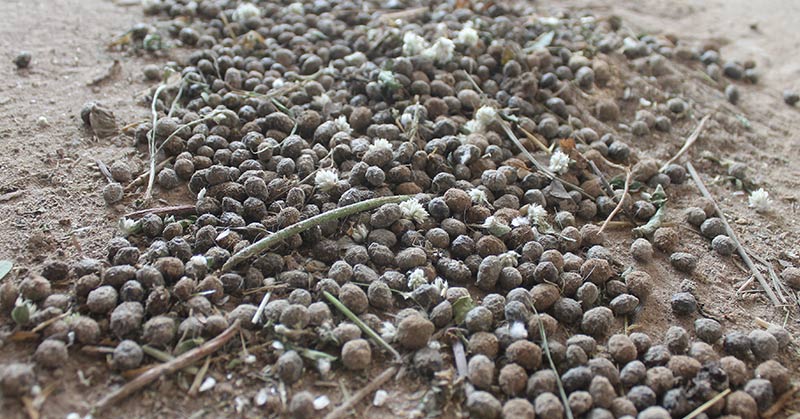
Green manure crops are one of my absolute favorites for naturally boosting soil fertility. By planting species such as buckwheat or field peas, you can quickly add organic matter and nitrogen to your soil while creating a temporary habitat that attracts beneficial soil creatures. These plants, though not native to every region, have been embraced worldwide for their capacity to enrich the ground; however, some varieties may become invasive if not managed carefully. I always appreciate the vibrant energy they bring to a garden, as they flourish and then are tilled back into the soil to complete their life cycle!
The practice of using green manure is akin to inviting nature’s own recycling team into your garden. Once tilled into the soil, these plants break down and release nutrients at a steady pace, inviting microorganisms and earthworms to nest and work their magic. This method not only enhances soil structure but also helps maintain a sustainable nutrient cycle throughout the growing season. Embracing green manure has become a joyful ritual in my gardening routine, one that consistently results in healthier, more dynamic vegetable beds!
Apply Mulch
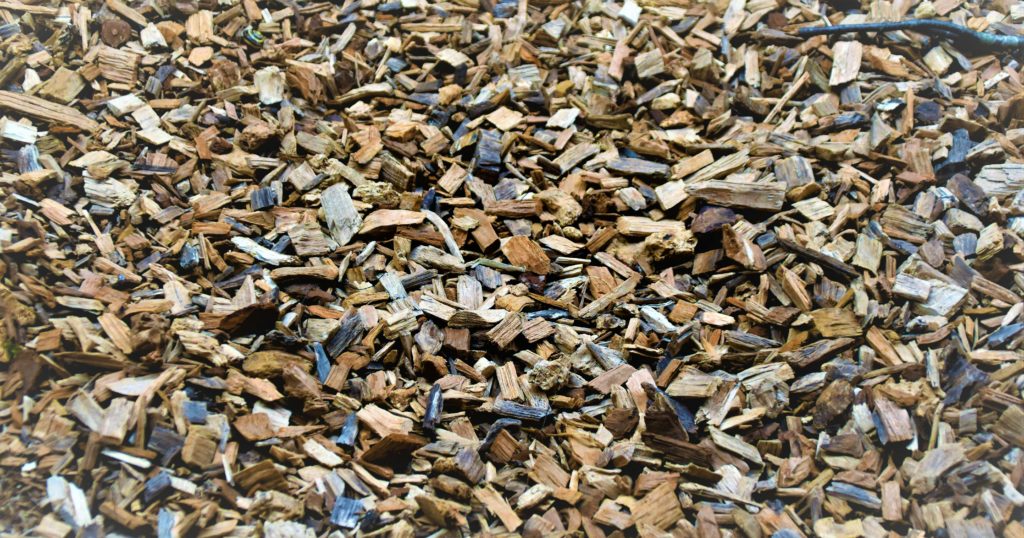
Mulching is an age-old technique that never fails to impress me with its multitude of benefits for the vegetable garden. A generous layer of organic mulch acts as a protective blanket, regulating soil temperature, conserving moisture, and gradually releasing nutrients into the earth. I find it incredibly satisfying to spread mulch over my garden beds, knowing that it not only suppresses weeds but also provides nesting spots for beneficial insects that thrive in decomposing organic matter. While mulch isn’t a plant, its origin often traces back to native vegetation that can occasionally exhibit invasive properties if not sourced sustainably!
The use of mulch creates a microenvironment that mimics the natural forest floor, replete with layers of decaying material that feed the soil over time. I’ve observed that this method encourages a diverse community of soil organisms, from earthworms to small insects, which work together to maintain a balanced ecosystem. Every time I see my garden flourishing under a blanket of mulch, I’m reminded of the delicate balance between nature and nurture—a harmony that brings both beauty and bounty to my vegetable patch!
Build Raised Beds
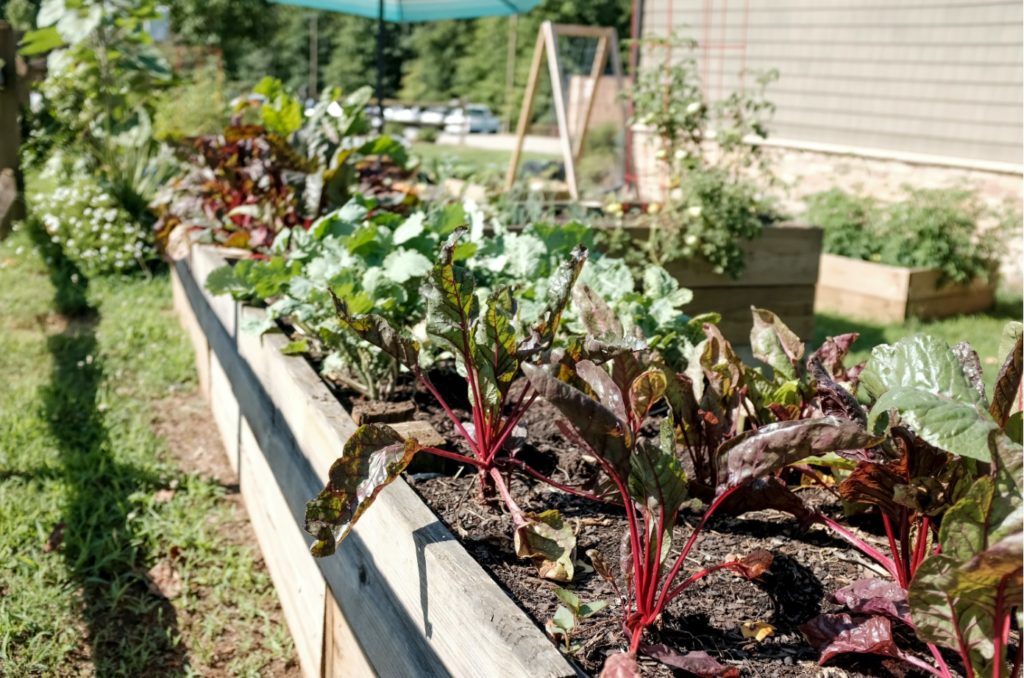
Constructing raised beds has revolutionized the way I manage my garden, offering unparalleled control over soil quality and drainage. Raised beds allow you to tailor your soil mix from the ground up, creating an optimal environment for vegetable growth that mirrors natural mounds found in many native landscapes. I take great pride in building these structures by hand, knowing that each bed is a carefully designed haven where beneficial insects and earthworms eagerly nest and work to improve soil fertility. The act of constructing raised beds is both an art and a science—a testament to the blend of innovation and tradition in gardening!
In addition to improved soil control, raised beds offer the benefit of reducing soil-borne diseases and limiting the encroachment of invasive species. Their elevated nature provides a barrier against excess moisture and pests, while fostering an inviting setting for native flora to intermingle with cultivated vegetables. I always find a sense of accomplishment watching my raised beds transform into lush, productive landscapes that yield bountiful harvests season after season. It’s a gratifying experience that reinforces my belief in the power of well-managed soil and creative garden design!
Use Crop Rotation
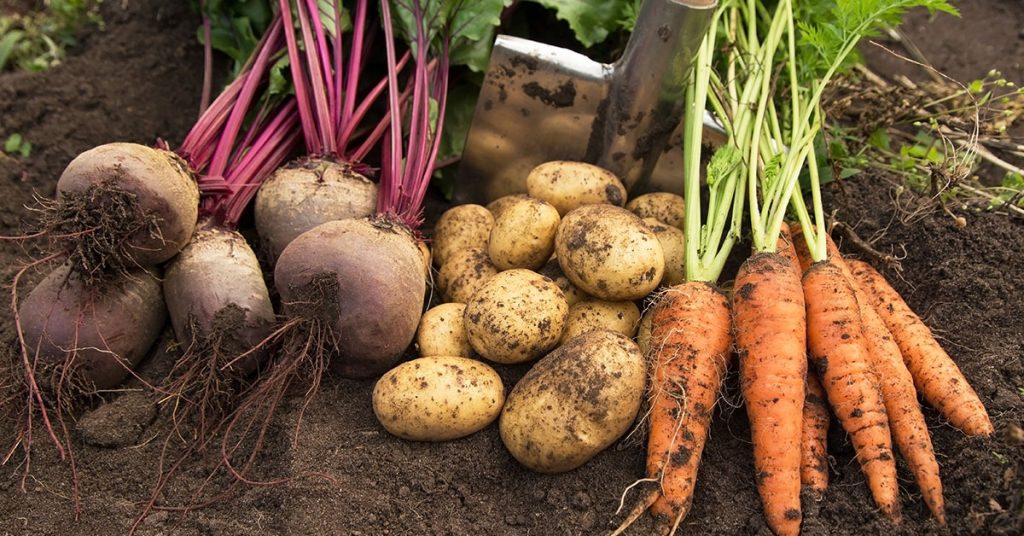
Embracing crop rotation has been a game changer in maintaining soil health and preventing the build-up of pests in my garden. By rotating vegetables from different families, you ensure that nutrients are replenished and that the soil isn’t overburdened by a single type of plant. This method, steeped in tradition and supported by modern research, mirrors the natural cycles seen in native ecosystems, where a variety of plants flourish in succession. Although crop rotation itself is a strategy rather than a plant, it plays a critical role in managing invasive tendencies by disrupting pest life cycles and encouraging diverse, beneficial soil communities!
Every cycle of crop rotation invites a fresh burst of life into the garden, promoting the nesting and proliferation of soil organisms that contribute to nutrient cycling. I find it incredibly rewarding to see how different vegetables perform when given the chance to grow in revitalized soil—each rotation brings its own surprises and benefits. This strategy not only boosts productivity but also creates a dynamic and resilient ecosystem, making every gardening season an exciting new chapter in your vegetable-growing journey!
Add Worm Castings

Incorporating worm castings into your garden soil is like inviting a team of natural soil engineers to work their magic. These nutrient-rich castings, produced by the humble earthworm, are renowned for their ability to improve soil structure and enhance microbial activity. I love adding worm castings because they not only deliver essential nutrients but also help create a hospitable environment for beneficial critters to nest and thrive. Worms, native to countless regions, play a pivotal role in recycling organic matter, although in some environments, their prolific nature can be seen as invasive if not balanced properly!
The benefits of worm castings extend far beyond mere fertilization—they enhance soil aeration and water retention, fostering a robust ecosystem where vegetables can flourish. I’ve witnessed firsthand how even a modest application of these castings can transform a tired garden bed into a vibrant, living mosaic of soil life. The interplay between earthworms, soil microbes, and plant roots is a fascinating demonstration of nature’s intricate balance, one that never ceases to inspire and delight me as I work in my garden!