

As an enthusiastic gardener who cherishes every moment spent among vibrant blooms, I’m thrilled to share with you ten expert strategies for cultivating award-winning roses in your garden this year! I understand the passion and occasional frustrations that come with nurturing these majestic flowers—from the early morning care routines to the late-evening pest patrols—and I’m here to guide you through detailed, practical methods backed by years of hands-on experience and natural observation.
Throughout my gardening adventures, I’ve discovered that roses not only charm with their brilliant colors and enchanting aromas but also serve as a magnet for beneficial insects, providing shelter for nesting bees and butterflies! Whether you’re a seasoned gardener or just starting out, these in-depth tips will help you create an ecosystem where every rose thrives, reflecting its origins from sunlit regions in Asia and Europe while remaining a well-managed, non-invasive centerpiece in your garden.
Watering Wisely: The Art of Hydration
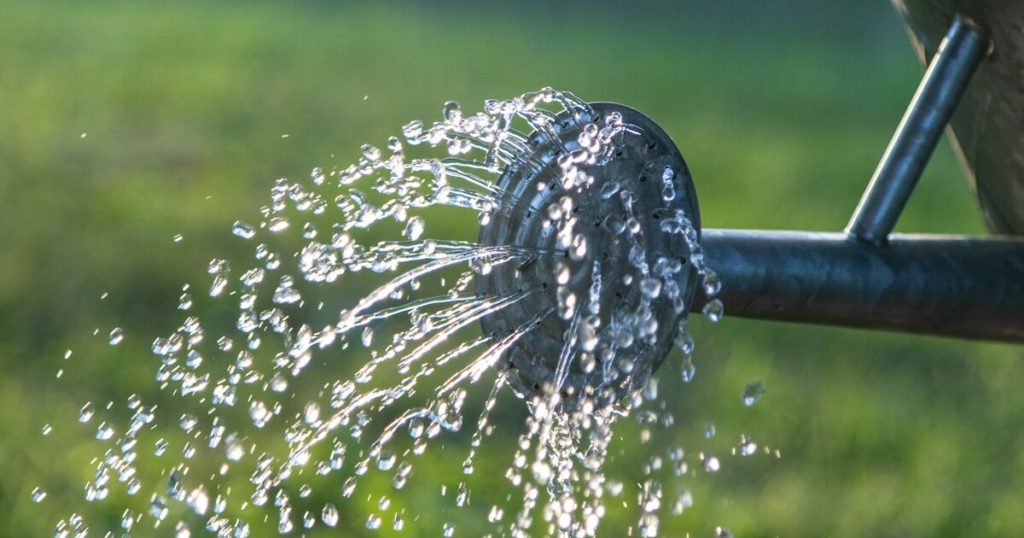
Striking the perfect balance with water is essential for nurturing your roses to their full potential! I’ve learned the importance of a deep, thorough watering technique that mimics the natural rainfall of their native habitats in parts of Europe and Asia. Even though roses are not classified as invasive, overwatering can lead to root rot and fungal diseases that can spread quickly if not managed properly. By hydrating deeply and less frequently, you encourage robust root development and healthier plants overall.
One of my favorite practices is to use drip irrigation or soaker hoses to ensure water reaches the roots without wetting the foliage excessively—this minimizes the risk of disease while attracting a host of beneficial insects! It’s such a satisfying moment when I see the garden respond with vibrant blooms and an abundance of visiting pollinators that love to sip the nectar; these practices truly transform the garden into a thriving, lively habitat.
Companion Planting: Enhancing Your Rose Garden
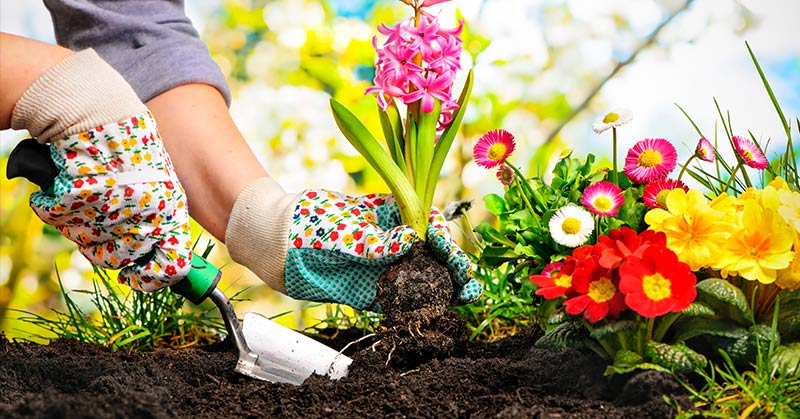
I’m always excited to introduce companion planting into my rose garden as a natural way to boost plant health and deter pests! Incorporating plants like marigolds, lavender, or garlic not only adorns your garden with complementary colors and fragrances but also creates a natural defensive barrier against common pests. Roses, native to diverse regions in Asia and Europe, have traditionally been nurtured in gardens alongside companion plants, a method that helps to maximize their potential while keeping invasive tendencies in check.
In my own experience, the synergy between these plants is simply magical—companion planting encourages beneficial insects to take up residence, contributing to a self-sustaining ecosystem where pests are naturally deterred. There’s nothing quite like watching a ladybug or a tiny bee make its home among the foliage, knowing that the garden is thriving and well-protected against disease! This approach not only enriches the soil but adds a layer of beauty and balance to the overall design.
Mulching: Conserving Moisture and Soil Health
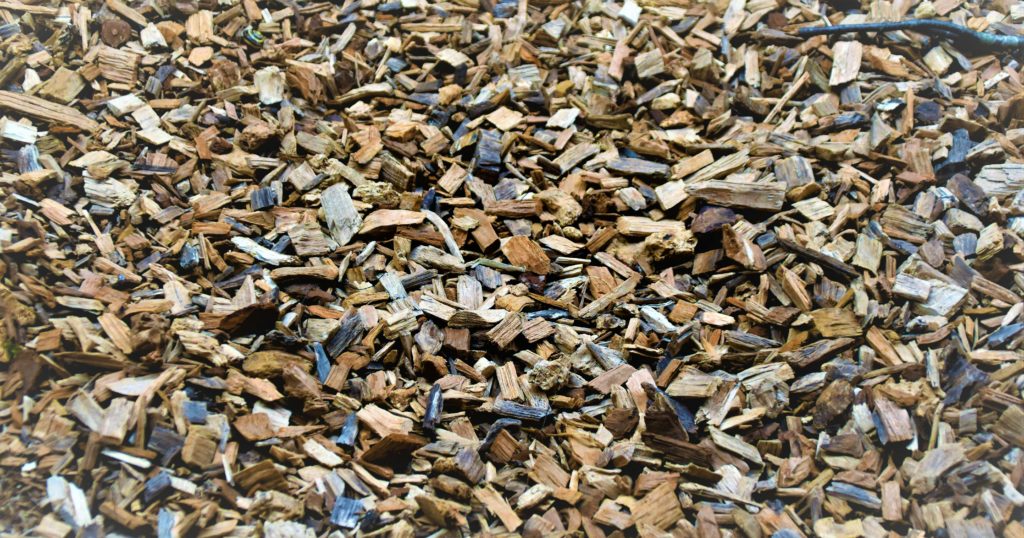
Using mulch in your rose garden is a time-tested technique that I have found incredibly effective in conserving moisture and promoting soil fertility! A generous layer of organic mulch, such as shredded bark or composted leaves, reflects the natural debris found in the native habitats of many rose species in Asia and Europe. While roses are generally well-behaved in terms of spreading, they can sometimes develop an invasive appearance if their growth isn’t properly maintained—mulch helps to both moderate soil temperature and suppress competing weeds.
I take great joy in applying a thick mulch layer after my weekly garden routine, knowing that it not only locks in moisture but also enriches the soil with organic matter that feeds the roots. It creates an inviting environment for earthworms and other beneficial organisms that further break down nutrients into a form that roses can easily absorb. This simple step is a cornerstone of my gardening routine, ensuring that every bloom reaches its full, radiant potential!
Sunlight Selection: Maximizing Natural Light

Choosing the right spot with ample sunlight is one of the most critical factors for a flourishing rose garden, and it’s always thrilling to witness the transformation that occurs under perfect light conditions! In my garden, I make sure that my roses receive at least six hours of direct sunlight each day—a necessity that stems from their evolutionary origins in sun-drenched regions of Asia and Europe. Although these classic blooms are not regarded as invasive, their vigorous growth under full sun means that they require carefully chosen locations to thrive without encroaching on neighboring plants.
When I strategically position my rose beds in sunlit corners of the garden, I also see an increase in delightful interactions with nature—beneficial insects are naturally attracted to the warm, radiant light, resulting in a dynamic and bustling ecosystem! It’s such a gratifying experience to monitor the natural interplay of sunlight, water, and blooming flowers, each element contributing to an environment that mirrors the native charm of these magnificent roses.
Organic Pest Control Strategies

Managing pests organically is a subject near and dear to my heart, particularly because I’ve seen how chemical interventions can sometimes disrupt a garden’s natural balance! Instead of reaching for synthetic pesticides, I embrace natural remedies like neem oil sprays, insecticidal soaps, and encouraging beneficial insects such as ladybugs and lacewings to take up residence. While native rose varieties hailing from Asia and Europe are admired for their delicate charm, they can sometimes attract pests if not properly cared for—and it’s such a bummer when these unwelcome guests compromise your hard work!
I’ve learned that creating an environment where natural predators thrive is key to maintaining a robust, healthy garden! Every time I see a ladybug scuttling across a dew-kissed petal, I’m reminded that nature has its own efficient ways to combat infestations. These organic methods not only safeguard the roses but also ensure that the garden remains a haven for diverse, beneficial creatures—a true testament to sustainable gardening practices!
Soil Preparation and pH Balance

The foundation of any award-winning rose garden is an impeccably prepared soil, and adjusting the pH balance is a step I never skip! In my experience, roses perform best in soil that mimics their native conditions, typically found in the well-drained, slightly acidic soils of parts of Europe and Asia. Even though roses aren’t generally invasive, improper soil conditions can lead to nutrient imbalances that exacerbate overgrowth or weaken the plants over time. I always begin by testing the soil and amending it with organic matter, ensuring that the pH ranges between 6.0 and 6.5—the sweet spot for these delicate blooms!
I love the process of tilling and mixing in compost to create a rich, nutrient-dense bed for my roses. Knowing that the soil is well-prepared gives me immense confidence as I water, fertilize, and nurture these majestic plants. It’s not just about feeding the roses; it’s about crafting an environment that mirrors the rich biodiversity of their native habitats, ensuring each bloom is as radiant and resilient as nature intended!
Fertilizing for Vibrant Blooms
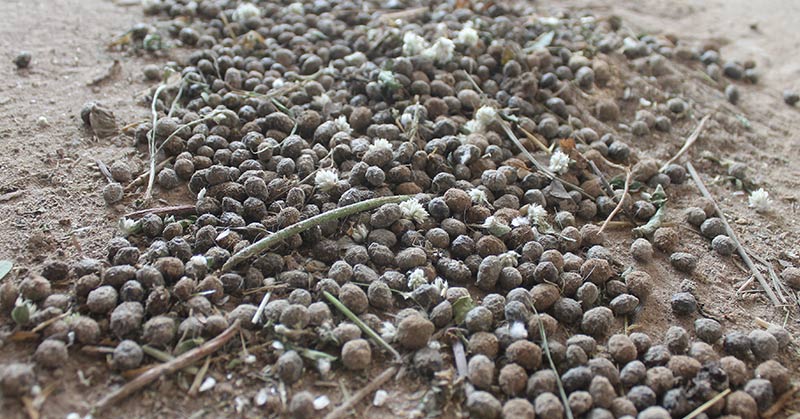
There’s an undeniable thrill in watching your roses burst into color after a careful and consistent fertilizing routine! I always recommend using organic compost along with well-balanced fertilizers to deliver the essential nutrients that these beautiful blooms require. Originating from the sunlit regions of Asia and Europe, roses have flourished for centuries under similar nutrient-rich conditions, and while they are not typically invasive, over-fertilization can lead to unchecked growth if not managed correctly. A steady regimen ensures that they remain the crown jewels of your garden without overwhelming the surrounding flora.
In my own garden, I find that slow-release fertilizers are key to maintaining an even and sustainable growth pattern. This approach not only feeds the roots gradually but also enhances bloom intensity, drawing in a host of pollinators like bees and butterflies that further animate the garden. Each feeding is a celebration of nature’s cycle, where every blossom becomes a testament to the harmonious balance between careful human stewardship and the inherent beauty of roses!
Pruning and Deadheading for Continuous Growth

Regular pruning is a practice that I hold dear, as it’s essential for encouraging new growth and maintaining the garden’s overall health! Pruning, especially when done correctly, mimics the natural process of shedding and renewal that occurs in wild rose species native to parts of Europe and Asia. While roses have a reputation for vigorous growth, consistent pruning prevents them from becoming unruly or overbearing—a concern even if they aren’t technically classified as invasive. I always make sure to remove dead or overgrown branches to allow light and air to reach every part of the plant.
Deadheading, the art of removing spent blooms, is another technique that I love employing to encourage a continuous display of color! It’s such a rewarding experience to witness a garden transform as tired flowers give way to fresh, budding blooms. This method not only enhances the aesthetic appeal of the roses but also promotes a healthier plant structure, ensuring that each branch receives the nutrients it needs to flourish. Every snip feels like a step toward a more vibrant and dynamic garden that is as captivating as it is well cared for.
Creating a Bloom-Friendly Environment with Good Air Circulation
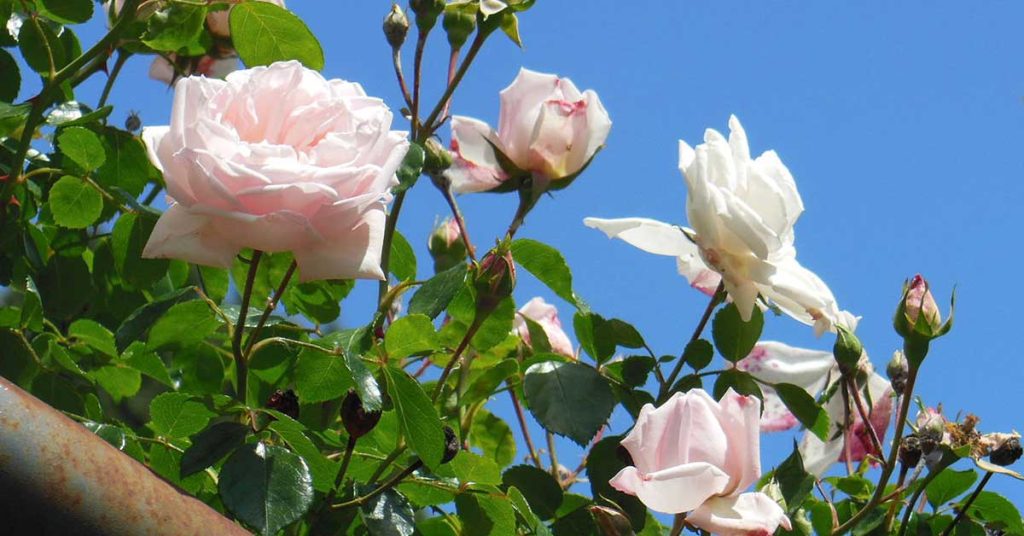
Good air circulation is the unsung hero of a thriving rose garden, and I can’t stress enough how much of a difference it makes! I’ve noticed that arranging my rose bushes with enough space between them prevents the build-up of moisture and minimizes the risk of fungal infections—a common issue even among non-invasive varieties. This spacing strategy not only respects the plant’s natural growth patterns, which hail from the open, breezy environments of Asia and Europe, but it also creates a setting that encourages beneficial insects to visit and inhabit the space.
There’s something incredibly fulfilling about watching your carefully spaced roses sway gently in a crisp breeze, creating a natural dance of petals and light! I always take pride in my garden layout, knowing that every gap is intentional and designed to foster a healthy, balanced ecosystem. It’s truly a joy to see how the simple act of ensuring good air flow can result in cleaner foliage, fewer diseases, and an overall more vibrant display of nature’s finest artistry!
Seasonal Maintenance and Planting Strategies
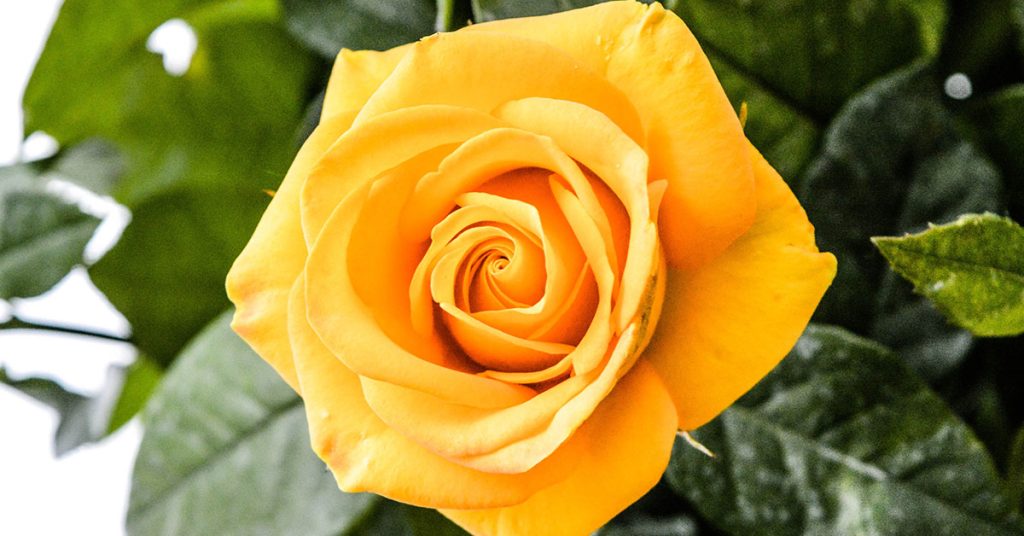
One of the most exciting aspects of rose gardening is planning for each season, ensuring that your plants receive the right care at every stage of their growth cycle! I always tailor my maintenance routines to the seasonal rhythms of nature—reflecting practices that have been followed for generations in the native regions of Europe and Asia. Though roses aren’t typically invasive, seasonal attention is vital to prevent any one plant from overwhelming its neighbors and to mitigate the effects of winter chill or summer heat. I find that seasonal maintenance not only protects the blooms but also rejuvenates the garden for the year to come.
Every season brings its own set of challenges and rewards—a truth I’ve come to embrace wholeheartedly in my gardening practice! Whether it’s planning a timely planting schedule in the spring, ensuring proper watering during the scorching summer months, or preparing for a defensive winter strategy, the commitment to seasonal adjustments makes all the difference. It fills me with joy to see my garden transform with the changing seasons, each bloom a living testimony to the care and strategy invested throughout the year!