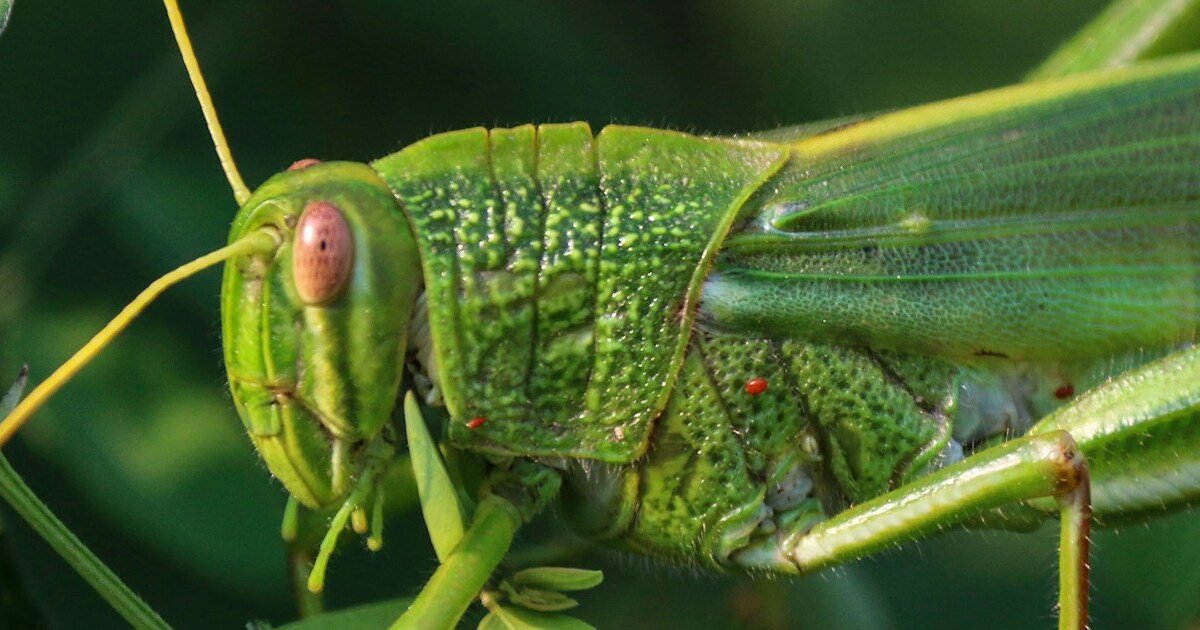

It’s such a bummer when grasshoppers descend on your carefully tended veggies and ornamentals, chomping foliage into skeletons and turning your bright blooms into bare stalks. These voracious leaf-eaters, native to grasslands worldwide (with common species like the migratory locust Locusta migratoria and the differential grasshopper Melanoplus differentialis in North America), can lay hundreds of eggs in your soil and hatch waves of nymphs that keep coming all summer long. I know how frustrating it is to wake up to shattered cabbage leaves or snap peas stripped bare—so let’s explore ten thorough methods to reclaim your garden!
From encouraging natural predators to deploying simple barriers, each strategy below dives into grasshopper biology, behavior, and how you can use cultural, biological, and physical controls to stay one step ahead. I’ll share personal tips—“One of my favorite predator attractors is…”—and empathize with challenges like keeping covers on uneven beds or dealing with persistent egg pods. Let’s jump into our randomized lineup of solutions, so you can enjoy pest-free harvests and flourishing blooms again!
Encourage Beneficial Predators

One of my favorite predator attractors is a shallow, water-filled bird bath surrounded by low shrubs—birds like larks, swallows, and chickadees relish grasshoppers, swooping in to pluck nymphs right off leaves! By planting native shrubs such as serviceberry (Amelanchier alnifolia), you create nesting and perching sites that keep hungry backyard bird populations close to your vulnerable seedlings.
Ground beetles and spiders also feast on young grasshoppers. Leaving small sections of undisturbed leaf litter or brush piles offers them shelter and encourages their residency. While serviceberry isn’t invasive, ensure brush piles are rotated seasonally to prevent accidental hiding spots for pests like slugs or voles!
Use Floating Row Covers
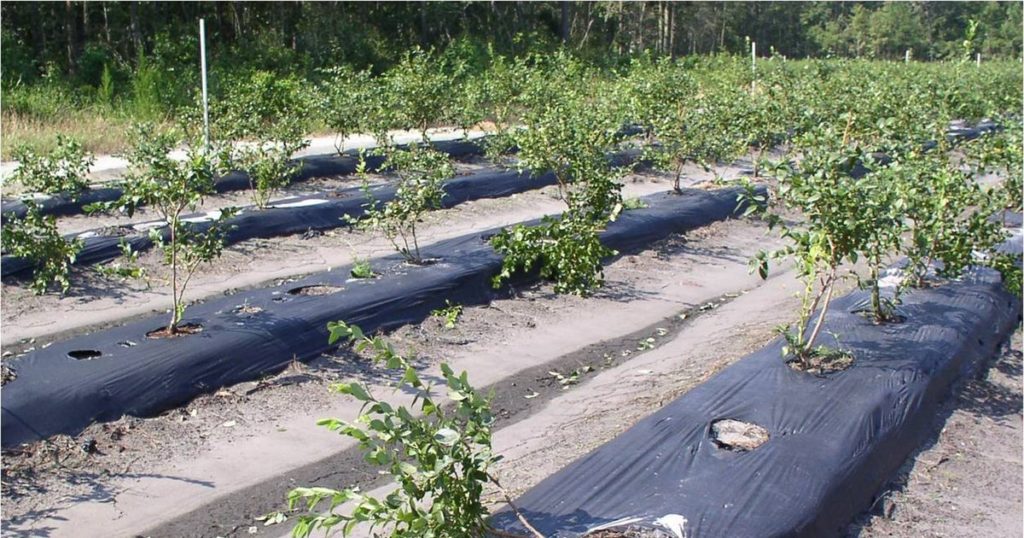
Lightweight floating row covers are a physical barrier that blocks grasshoppers from laying eggs on your plants and feeding on tender shoots. Secure the edges with soil or landscape staples to prevent nymphs from sneaking underneath. I recall saving an entire bed of lettuce simply by draping it under fabric before a known grasshopper hatch window!
These covers also create a mini-greenhouse effect, boosting early-season growth. Just remember to remove or vent covers when plants begin to flower to allow pollinators—like bees—to do their job. Most row cover fabrics are UV-stabilized and not considered invasive or environmentally harmful when used properly.
Practice Regular Soil Cultivation

Grasshoppers lay eggs in the top two inches of loose soil, preferring sunny, undisturbed ground. By lightly cultivating beds in early spring and late fall—either with a broadfork or gentle hoe—you disrupt egg pods and expose them to drying air and predators. In my own garden, a simple fall till has cut spring hatchling numbers by nearly half!
Be cautious not to over-till, which can damage soil structure and beneficial earthworms. A balanced approach—rotating shallow cultivation with no-till mulch layers—keeps your soil healthy and grasshopper egg survival low. This cultural control aligns with organic practices and avoids introducing chemicals.
Deploy Reflective Mulches
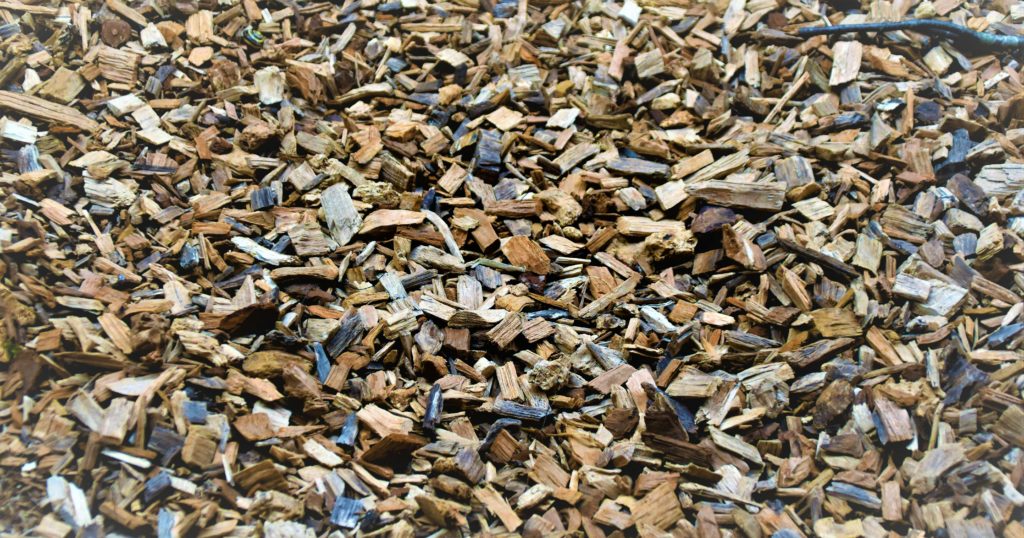
Silver or reflective mulches confuse grasshoppers by dazzling their compound eyes and deterring feeding. Spread a reflective plastic or aluminized mulch around seedlings; the glare keeps grasshoppers from landing and munching. One summer, alternating reflective strips between tomato rows cut my cucumber damage dramatically!
Reflective mulches also warm the soil, aiding early crop growth, but be mindful in very hot climates where heat buildup can stress plants. Lightweight reflective fabrics offer similar benefits without the risk of overheating, and both options are reusable from season to season when cleaned and stored properly.
Plant Trap Crops

Sacrificial “trap crops” lure grasshoppers away from prized vegetables. Tender plants like millet (Pennisetum glaucum) or alfalfa (Medicago sativa)—both noninvasive when managed—are highly palatable and can be interplanted at your garden’s edge. As grasshoppers congregate there, you can then hand-pick or vacuum them off before they spread.
This strategy mimics natural feeding behaviors on grassland weeds, concentrating pests in a controllable zone. I once saved a field of beans by planting a narrow millet border; when I saw the millet stems stripped bare, I knew exactly where to focus my removal efforts!
Introduce Biological Controls
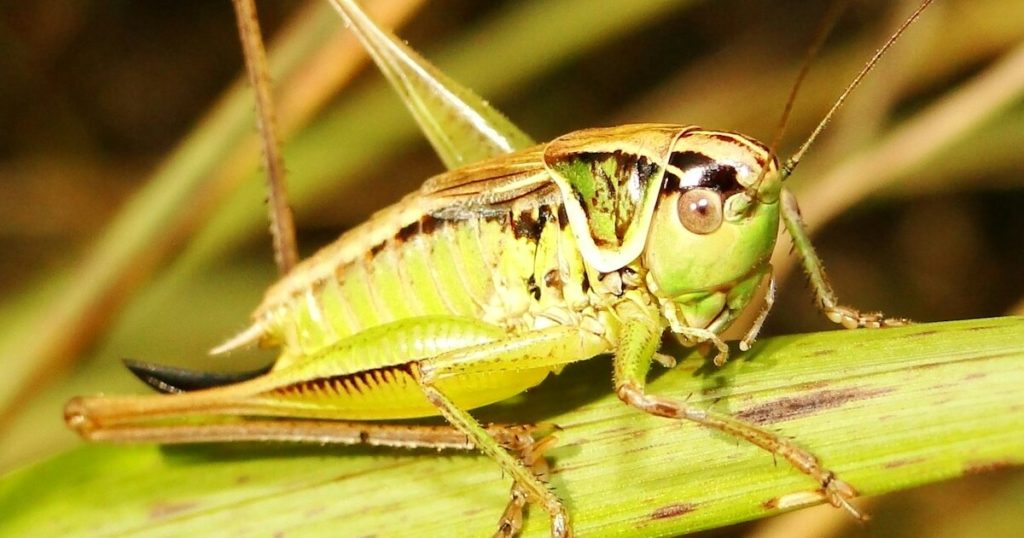
Nosema locustae, a naturally occurring protozoan, infects grasshoppers and reduces their appetite and breeding success. Apply powdered bait according to label instructions at the garden perimeter; nymphs feed on it and carry the infection back to egg-laying sites. Over time, your garden’s grasshopper pressure diminishes without harming bees or other wildlife.
Similarly, entomopathogenic fungi like Metarhizium anisopliae can be sprayed on foliage; when grasshoppers contact the spores, infection follows. These biopesticides are not invasive—they’re widely used in integrated pest management—and they break down naturally, leaving no harmful residues.
Encourage Praying Mantises
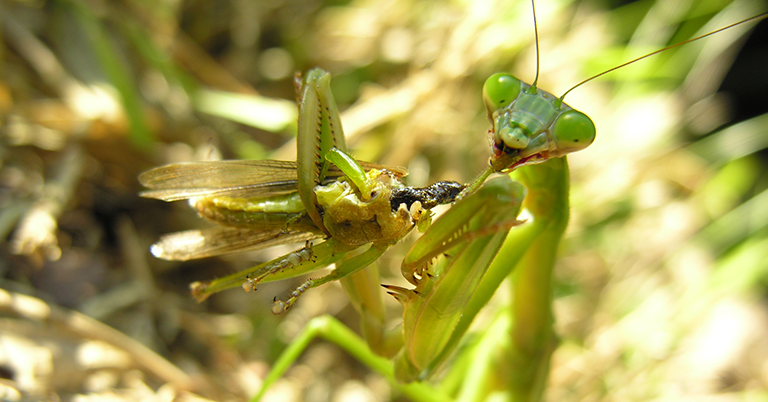
Praying mantises are formidable grasshopper predators, capable of snatching nymphs and adults with lightning-fast strikes. You can buy mantis egg cases (ootheca) from reputable suppliers—preferably native species like the Carolina mantis—and place them on sturdy shrubs or bamboo stakes in late autumn. Once hatched, the nymphs disperse and join your garden’s pest patrol!
Mantises require varied plant heights to perch and hunt. I like planting native goldenrod (Solidago spp.) in my insectary beds to provide vertical structure. Since goldenrod can spread by rhizomes, I choose clump-forming cultivars to keep invasiveness in check!
Apply Diatomaceous Earth
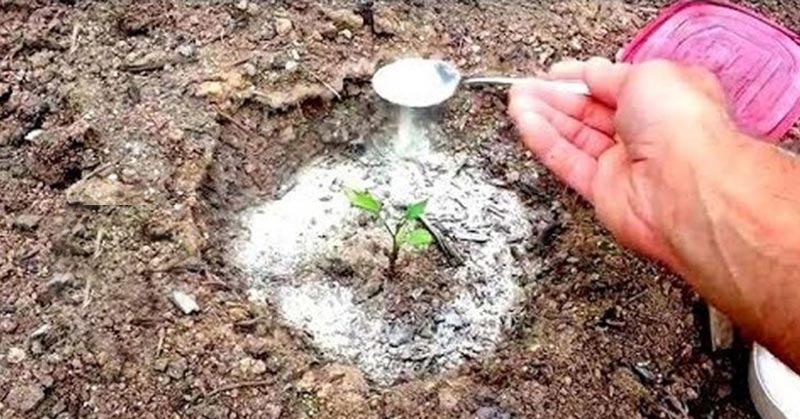
Food-grade diatomaceous earth (DE) is a fine, abrasive powder made from fossilized algae that damages grasshopper exoskeletons, causing dehydration. Lightly dust soil and lower foliage on dry days—DE clings best when humidity is low. I’ve seen impressive drops in nymph numbers after two applications early in the season!
DE is non-toxic to mammals and birds, but avoid inhaling the dust. It remains effective until washed away by rain, so reapply after heavy showers. Because it’s a natural sedimentary mineral, DE isn’t considered invasive, and it helps maintain an organic garden ethos.
Use Neem-Based Sprays

Neem oil, derived from the seeds of the neem tree (Azadirachta indica) native to India, disrupts grasshopper feeding and hormone regulation. Spray young plants and trap-crop areas every 7–10 days, covering both upper and lower leaf surfaces. The bitter taste deters grasshoppers, and sublethal doses reduce egg viability over time.
While neem can affect non-target insects in high concentrations, careful spot application and evening sprays minimize harm to pollinators. Neem trees are not invasive in temperate zones, and their seed oil is biodegradable, making neem a sustainable tool in your integrated approach.
Hand-Picking and Vacuuming
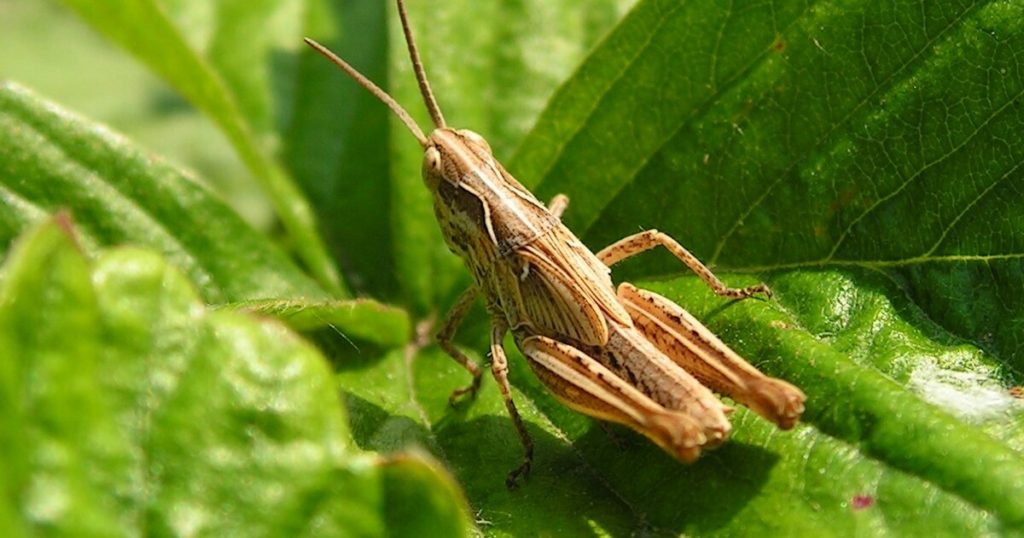
For smaller gardens, nothing beats the simple satisfaction of hand-picking grasshoppers at dusk or dawn, when they’re sluggish. Wear gloves, and drop them into a bucket of soapy water. Alternatively, use a battery-powered garden vacuum to suck up both nymphs and adults in one quick pass—I find this method surprisingly effective on young plants!
Consistency is key: a nightly sweep for a week or two can drastically reduce populations. While time-consuming, these manual methods require no chemicals and give you instant feedback on your grasshopper hotspots. It’s my go-to tactic when plants are small and infestations manageable!