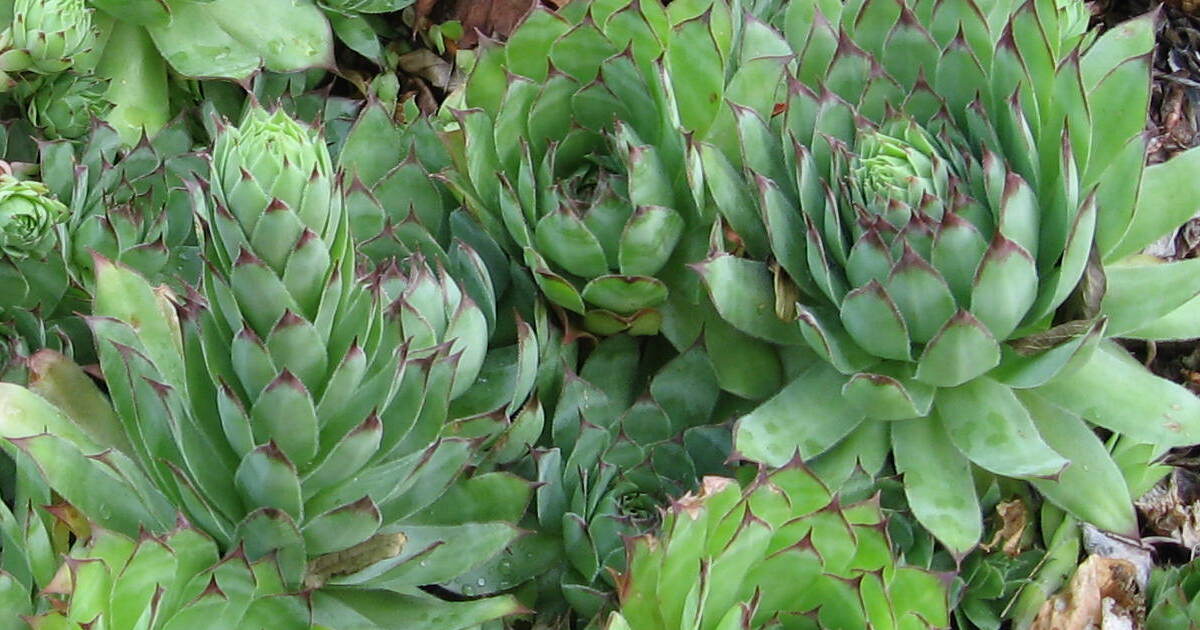

There’s something so satisfying about watching your Sempervivum “Chicks and Hens” colony expand, tiny rosettes popping up around the mother plant! If you’ve ever stared at a solitary hen wishing for a bustling family, you’re not alone. Optimizing conditions for pup production is all about mimicking their native alpine habitats—rocky soils, plenty of sun, and just the right amount of stress to inspire those offsets.
I know how frustrating it can feel when years pass and you still only have one or two chicks to show for your efforts. Don’t worry! With a few strategic tweaks—like adjusting light levels, soil mixtures, and division timing—you’ll soon be counting dozens of plump little rosettes. Let’s jump into ten practical ways to encourage your Sempervivum to multiply like wildfire!
Encourage Seasonal Temperature Fluctuations

Sempervivums hail from the high-altitude regions of Europe, where they endure hot summers and freezing winters. That dramatic shift signals them to reproduce prolifically. If you keep your succulents indoors year-round, they may never get the cold trigger to pup. I learned this the hard way when indoor hens sat idle until I moved them outside for winter!
Allow your pots to experience real winter chill—down to about 20°F (–6°C) if they’re hardy varieties—then bring them back into warmer spring conditions. This cycle mimics natural alpine swings and supercharges pup production as the plants prepare for growth.
Use a Gritty, Fast-Draining Mix
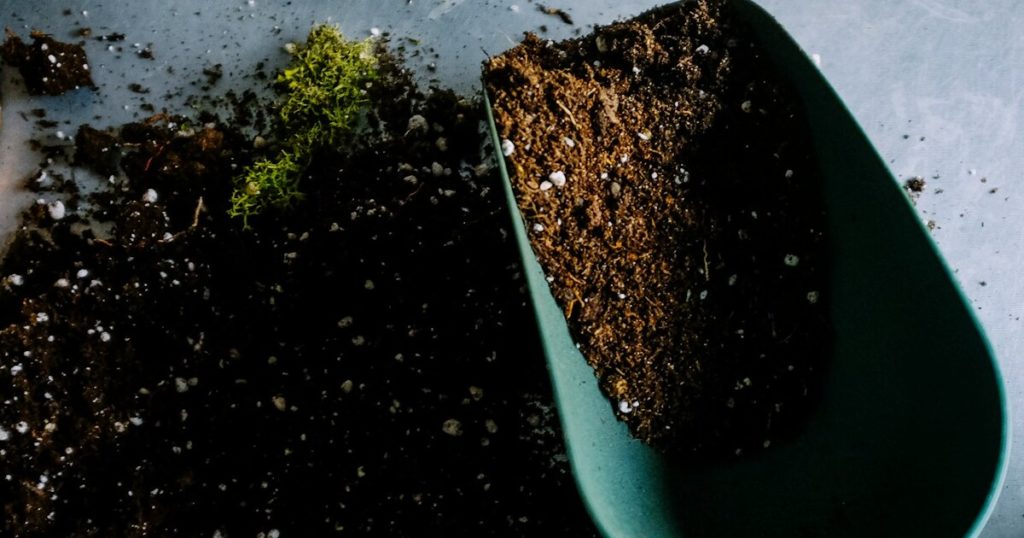
Nothing hinders offset growth like soggy roots. Chicks and Hens thrive in gritty substrates that mimic mountain scree—think two parts coarse sand or gravel to one part potting mix. This blend ensures water whisks through quickly, preventing rot and giving roots the air they crave.
I switched from a standard succulent mix to a custom rocky blend and was amazed at how many new chicks appeared within a single season! When soil dries rapidly after watering, mother rosettes feel secure enough to dedicate energy to producing healthy offsets.
Provide Full Sun

These succulent gems crave at least six hours of direct sunlight daily. Under-shaded hens stay compact but rarely pup, while sun-bathed rosettes push out offsets eagerly. I experimented with dappled shade and only saw a handful of chicks—moving my trays to a bright south-facing ledge changed the game!
Be mindful of midday intensity, though. In extremely hot climates, a touch of afternoon shade prevents leaf scorch. Balanced light encourages both vibrant coloration and robust pup production.
Avoid Overwatering

Overly wet conditions send Sempervivum into survival mode, focusing on fleshy leaf growth instead of offsets. The classic soak-and-dry approach works best: water thoroughly, then let the soil dry completely before the next drink. Erratic moisture is a surefire way to stall pup formation.
I used to stick to strict weekly watering and saw almost no chicks. Once I switched to checking soil dryness and watering only when bone-dry, tiny rosettes burst forth everywhere. Trust their drought tolerance—it’s the key to offset proliferation!
Divide and Replant Mature Hens
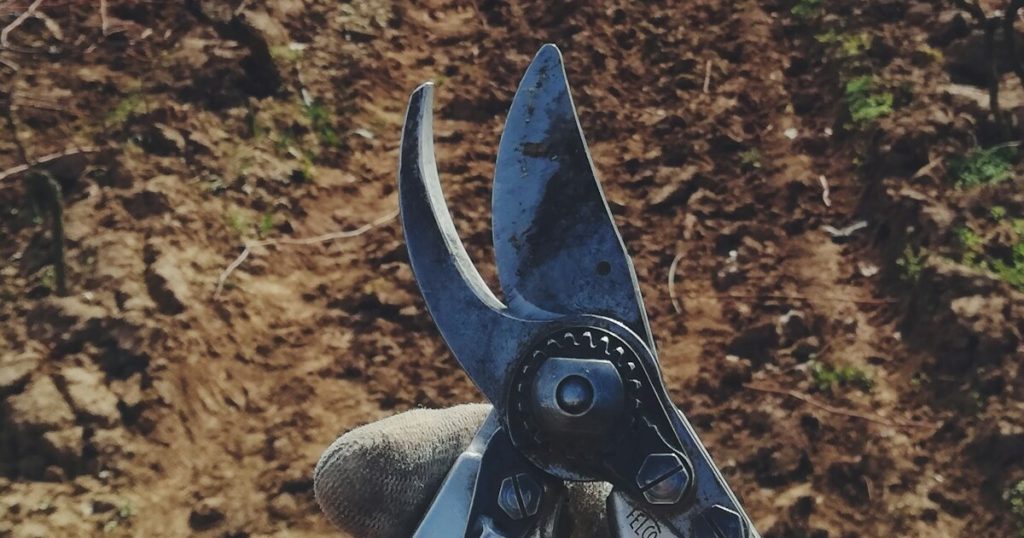
When hens become overcrowded, they may stop producing pups. Every couple of years, gently lift the cluster, separate older rosettes, and replant them with fresh soil. This division jump-starts both the original hens and the newcomers to produce pups in search of space.
One spring, I divided a dense mound and ended up with three vigorous clumps, each sending out half a dozen pups within months. Regular division ensures each hen has room to flower and multiply without competing for resources.
Remove Dead Leaves Regularly

Old, withered leaves at the base can trap moisture and harbor pests that stress your hens. Cleaning these away not only improves airflow but also signals the plant that it’s in a healthy environment, primed for propagation. I always take a moment after watering to clear debris—my offset count has never been higher!
A tidy rosette looks fresher, breathes easier, and devotes less energy to defense. With fewer hiding spots for fungus gnats or scale insects, mother plants stay vigorous and free to churn out those pups you’ve been dreaming of!
Provide Occasional Light Feeding

While alpine succulents aren’t heavy feeders, a mild boost in spring with a half-strength, balanced fertilizer can promote overall vigor—and with it, offset production. Too much fertilizer, however, tips the scale toward lush leaves at the expense of pups. I sprinkle a quarter-strength succulent formula once in early spring and again midsummer, and it’s always enough to coax extra rosettes.
Think of feeding as a gentle nudge rather than a feast. The right balance keeps hens healthy and ready to propagate without growing lax or soft.
Position on Shallow Trays or Rock Gardens

Sempervivum pups root most readily when they have contact with a shallow, gritty base. Using a flat tray or embedding hens in rock-filled crevices encourages pups to settle quickly. I built a small rock garden in a sunny corner, and my hens spilled over the edges with offsets within weeks!
This setup mimics cliff ledges where these succulents naturally expand. The pups reach out, touch the gravel, and form new roots—no extra potting needed!
Mimic Mild Root Crowding

A little pressure from neighboring roots can trigger hens to reproduce. Plant several rosettes close together (but not overlapping) in early spring; as they expand and crowd one another, they’ll produce pups to find new space. I once arranged three hens in a 6-inch pot and was rewarded with clusters of chicks sprouting from every crevice!
Just avoid extreme overcrowding that leads to stress or disease. Gentle competition spurs offset growth without suffocating the plants.
Ensure Good Air Circulation

Stagnant air fosters fungal issues that sap a plant’s vigor and halt pup production. Place your hens where a light breeze can flow—on a windowsill near an open window or in a breezy part of your patio. Removing dead foliage, as mentioned earlier, further improves circulation around emerging pups.
I moved my indoor trays to a screened porch and found my chicks more plentiful and less prone to rot. Fresh air keeps both mother rosettes and pups healthy, encouraging a thriving, multiplying colony!