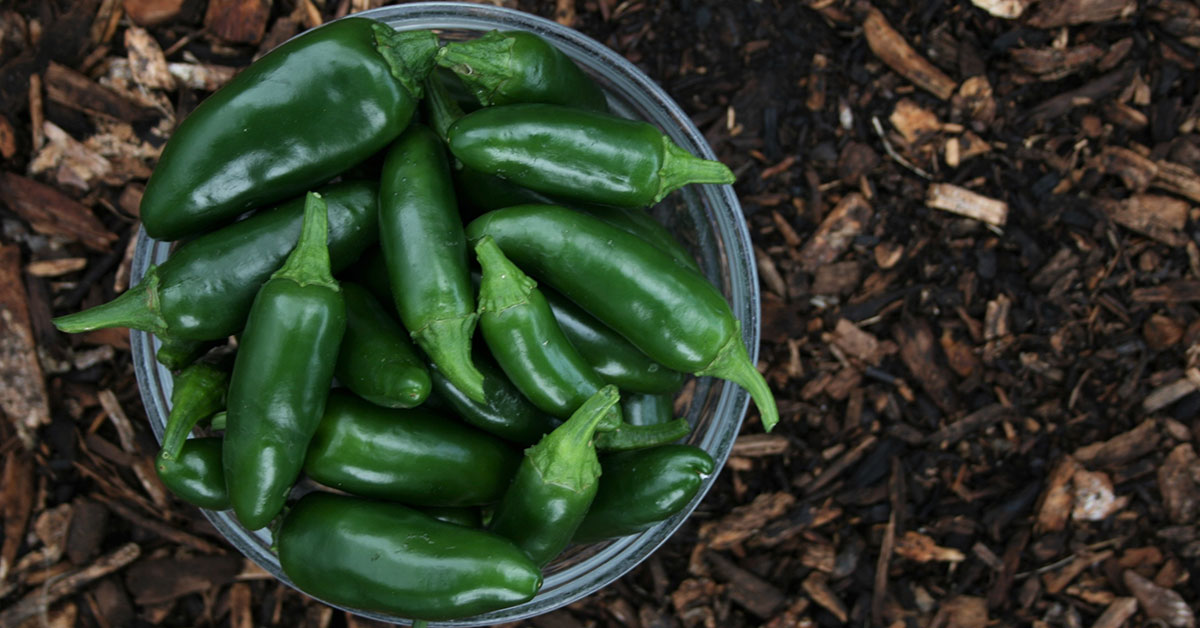

Growing jalapeños can feel like a rollercoaster—one week your plants are laden with plump green pods, and the next you’re wondering why your harvest has flatlined. I know how frustrating it is to water diligently, feed carefully, and still end up with only a handful of peppers! With a few targeted techniques, you can transform your patch into a prolific producer that rivals any farmer’s market stall.
Whether you’re cultivating the classic Mexican-native Capsicum annuum or one of its many high-yield hybrids, jalapeños are non-invasive but eager to flourish under the right conditions. From soil preparation and timing to pollinator strategies and pest defenses, these ten methods will help you coax every last pepper from your garden. Let’s dive in and get you harvesting bushels of heat!
Start Seeds Indoors Early
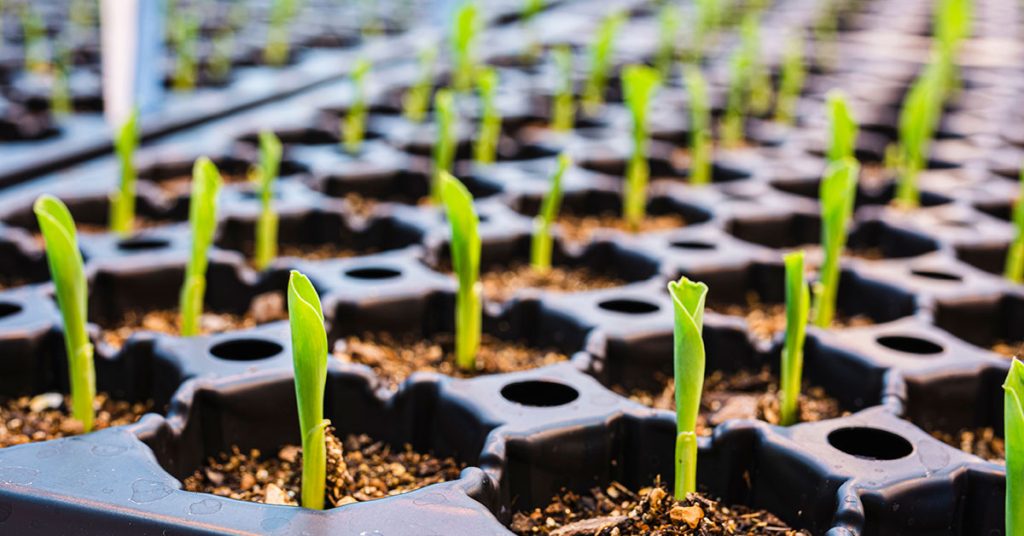
Beginning jalapeño seeds indoors 8–10 weeks before the last frost gives your plants a crucial head start on the growing season. Fill seed trays with a sterile, well-draining mix and maintain bottom heat around 75–85°F. Within 7–14 days, sprouting seedlings will emerge; once they bear true leaves, pot them up individually to strengthen roots and stems.
As you nurture these young plants, you might notice beneficial predatory mites or tiny springtails nesting in the soil—nature’s little helpers that keep fungus gnats in check. By the time you harden off seedlings outdoors, they’ll be vigorous enough to fend for themselves and ready to set abundant fruit.
Provide Consistent, Deep Watering
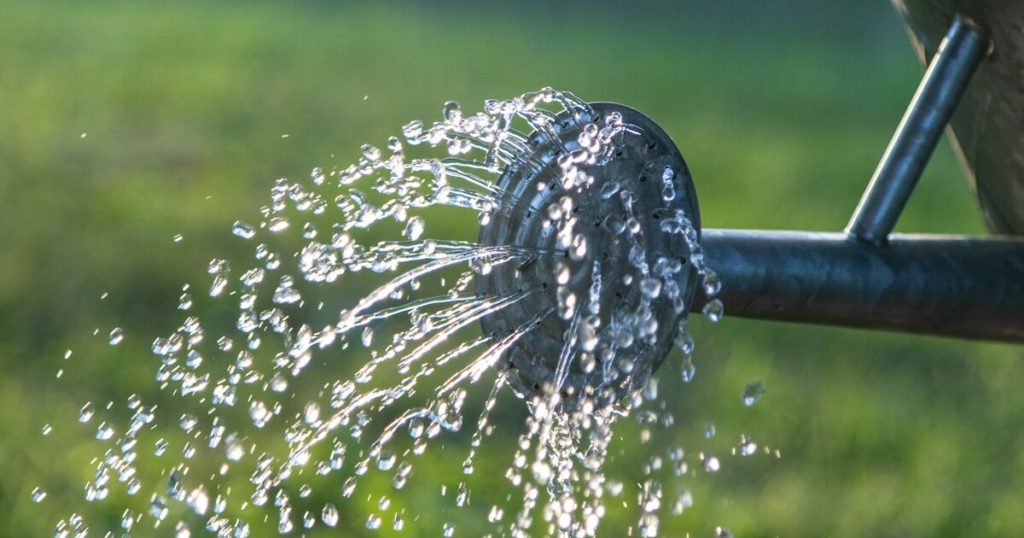
Jalapeños thrive when soil moisture is steady—neither bone dry nor waterlogged. Use drip irrigation or soaker hoses to deliver about 1–2 inches of water per week, deeply soaking the root zone. This encourages roots to grow downward, improving drought resilience and overall plant vigor.
I always mulch around my pepper beds with straw or shredded leaves to lock in moisture and create nesting pockets for ground beetles. These predators patrol the mulch layer, hunting slugs and snails that might otherwise nibble on tender seedlings.
Feed for Fruit, Not Foliage
While nitrogen-rich fertilizers promote leafy growth, jalapeños need a shift toward phosphorus and potassium once they flower. Side-dress with a balanced 5-10-10 organic fertilizer or apply compost tea monthly to bolster blossom-to-fruit conversion and support cell-wall strength in developing pods.
One season, I switched to a bloom-boost regimen mid-June, and within weeks my plants bloomed with renewed vigor. Even better, hummingbird moths began visiting those fresh flowers—nesting nearby in hollow stems—and pollinated far more blossoms than before!
Ensure Full Sun Exposure

Jalapeños demand at least six to eight hours of direct sunlight daily. Position your garden where morning rays hit early and afternoon light pours on until dusk. Bright sun intensifies capsaicin production, giving you spicier, more robust pods as rewards for their photosynthetic feast.
When sun scorches run high, I sometimes set up a lightweight shade cloth during the hottest hours to prevent leaf scorch. That filtered light keeps plants happy, and the dappled shade attracts small solitary bees to nest in the warmed soil—and pollinate even on hot afternoons!
Optimize Spacing and Airflow

Crowded jalapeño rows can harbor fungal diseases and stifle growth. Follow spacing guidelines—about 18–24 inches between plants—to allow air circulation and easy access for harvesting. Open canopies also make it simpler to spot caterpillars or aphid colonies before they become problems.
With ample airflow, you’ll notice fewer mildew outbreaks and more ladybird beetles settling in. These colorful predators often nest in lower foliage, hunting unsuspecting pests and ensuring your blooms turn into fruit rather than leaf-eating havoc.
Prune and Pinch for Bushier Plants
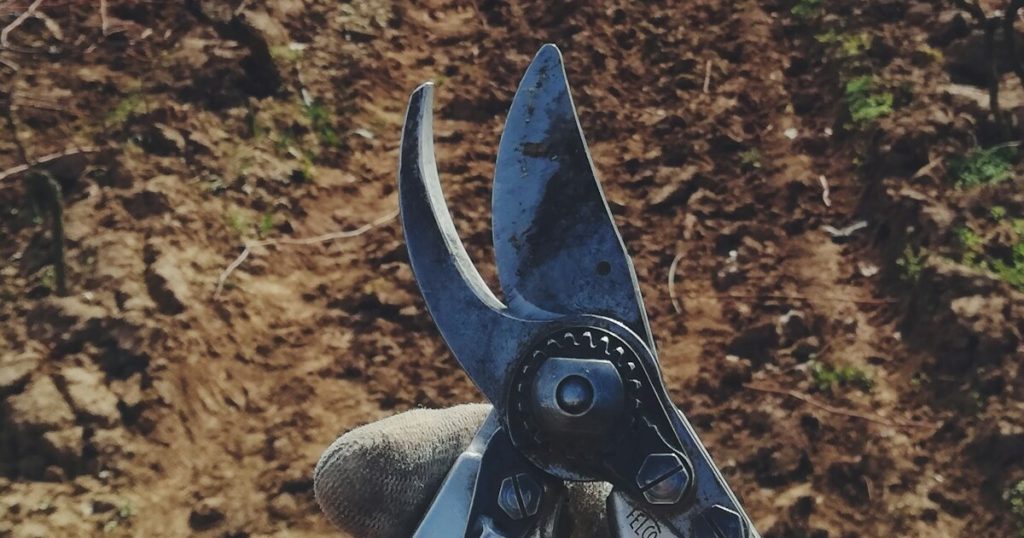
Pinching off the primary growing tip when plants reach 10–12 inches tall stimulates lateral branching, doubling or tripling flowering sites. Later, remove any non-productive suckers at branch junctions to focus energy on fruit-bearing stems. This yields a denser, more fruitful canopy ideal for big harvests.
I’m always amazed how quickly a pinched jalapeño bush fills out! And those extra branches become cozy real estate for parasitic wasps, which lay eggs in hornworm caterpillars—nature’s own biological control emerging right in your garden.
Succession Planting for Continuous Yield

To avoid a single glut followed by drought, sow new jalapeño seeds or transplant fresh seedlings every three to four weeks until midsummer. This staggered approach ensures mature plants are always setting peppers as older ones taper off, smoothing out the harvest curve.
When I practice succession planting, I also mix in quick-maturing cherry tomatoes and marigolds—these companions draw hoverflies that nest in mulch crevices, helping pollinate young flowers and keep aphids under control across all plantings.
Use Reflective or Light-Colored Mulch
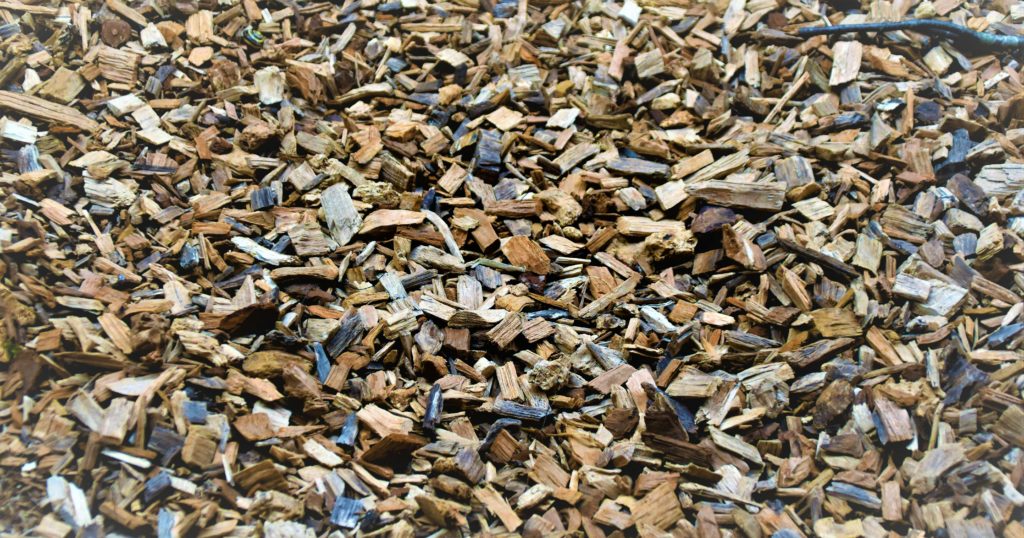
Reflective mulches—white plastic or light stones—bounce sunlight up into lower foliage, improving photosynthesis and fruit set on shaded branches. They also deter flea beetles and aphids seeking dark refuge, while conserving soil moisture beneath the pepper canopy.
One year, installing white mulch transformed pepper yields overnight. I watched more blossoms set into pods, and even the occasional ground-nesting bee used the bright ground cover to navigate back to its burrow.
Keep Pests in Check Naturally
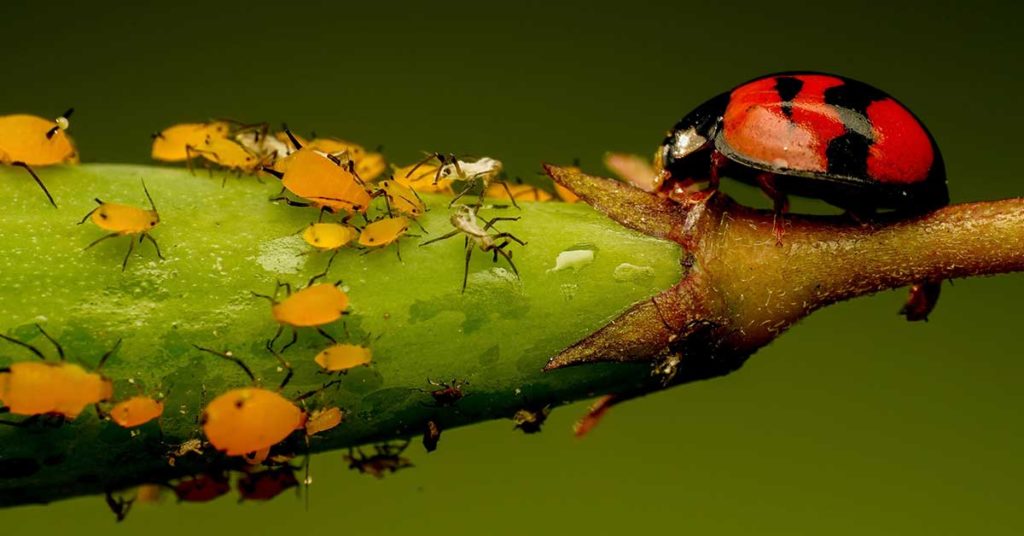
Jalapeños can attract aphids, spider mites, and pepper maggots. Practice weekly inspections, knocking off pests with a strong spray of water or applying insecticidal soap. Introduce beneficial nematodes to comb soil for maggot larvae, and plant alyssum or dill nearby to lure lacewings and predatory wasps.
I once saved my entire crop from an aphid invasion simply by releasing a few lacewing larvae—I still spot their shimmering cocoons attached to stems, proof that fostering natural enemies is the tastiest pest control around!
Provide Strong Vertical Support

Heavy fruit clusters can bend or break pepper stems, especially after rain. Drive sturdy stakes or install mini-trellises at planting time, and secure branches with soft ties as they grow. Maintaining upright canopies ensures even sun exposure and reduces disease risk from damp, ground-contact foliage.
I love seeing rows of well-supported jalapeños standing tall like vibrant sentinels. Plus, the open structure lets hummingbirds flit between blooms—nesting in nearby shrubs—adding charm and boosting pollination in equal measure!