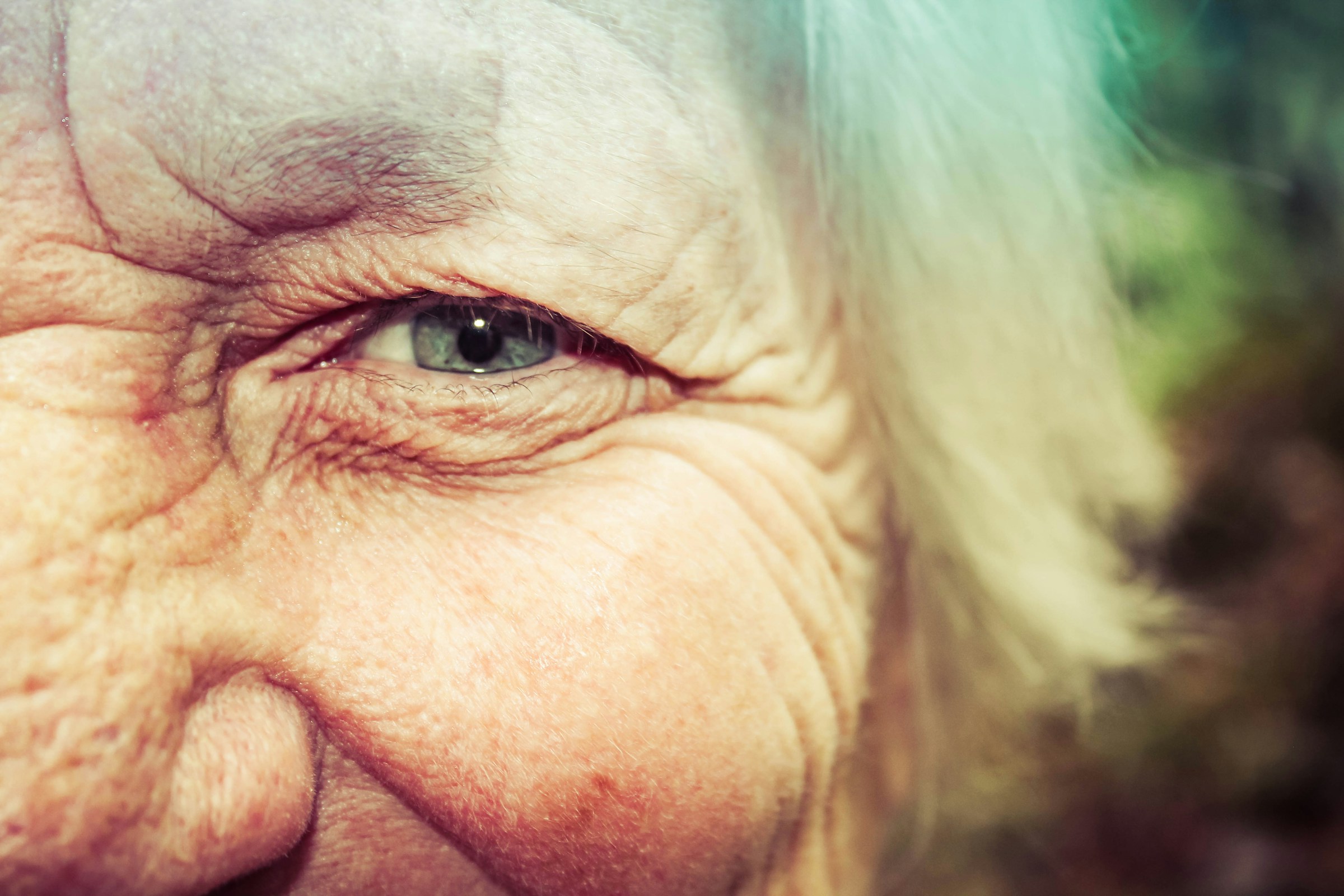

Turning 50 is often when people first notice that their eyes just aren’t performing the way they used to. Reading menus in dim light becomes a small frustration. Night driving feels less certain. Most of these shifts are normal, gradual, and manageable with the right prescription or a bit more light.
The trouble is that some vision changes look deceptively ordinary at first glance, when they’re actually signaling something that needs medical attention right away. Knowing the difference between what’s expected and what’s urgent could, in some cases, determine whether you keep your sight. Here are the seven changes ophthalmologists consistently flag as ones not to dismiss.
1. A Sudden Surge of Floaters or Flashes of Light
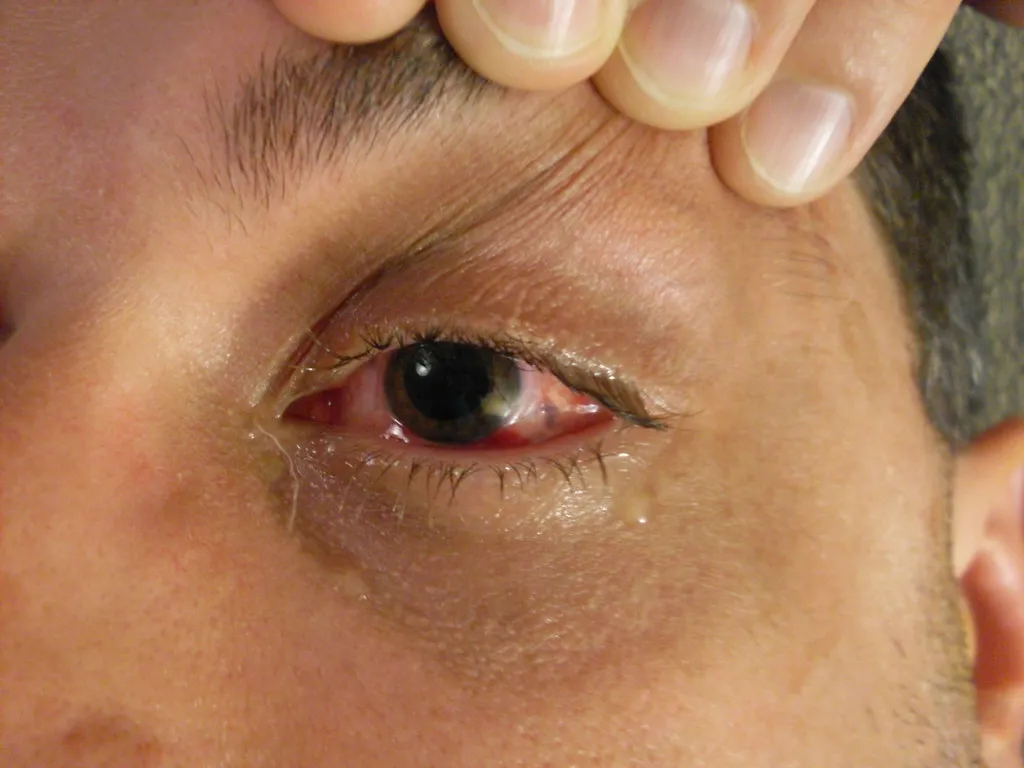
Floaters, the tiny blobs you see drifting across your field of vision, are common, especially in people over 50. A handful of long-standing floaters is usually harmless. What changes the calculus entirely is the word “sudden.” A shower of many new floaters, new flashes of light, or a shadow or curtain across your vision can mean a retinal tear or detachment, a true emergency.
The most common cause of new floaters is posterior vitreous detachment, or PVD, which has a prevalence of roughly a quarter of adults aged 50 to 59 and rises to nearly nine in ten of those over 80 years old. However, around 10 to 30 percent of individuals who present to an eye care professional with acute symptoms have a full-thickness tear or hole in the retina, a complication of PVD that can lead to retinal detachment and permanent visual loss in a third to nearly half of cases if left untreated.
Only a dilated eye exam can distinguish a harmless PVD from a retinal tear, so any sudden new symptom is worth a prompt call to your eye doctor.
2. Straight Lines That Start Looking Wavy or Distorted
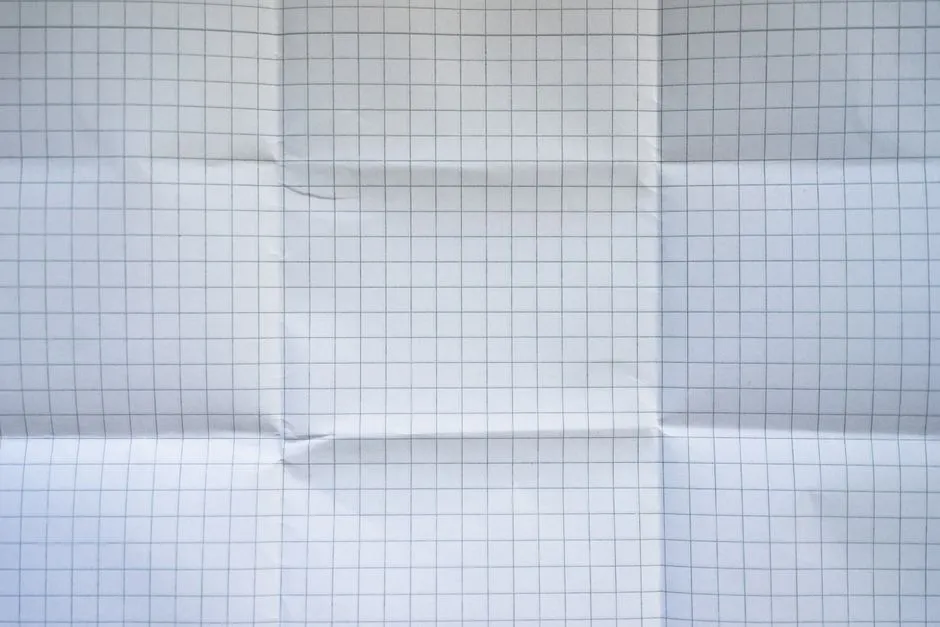
If lines on your phone, a calendar, or blinds suddenly look wavy, this could be a red flag for wet age-related macular degeneration, which causes abnormal blood vessels to grow under the retina. Age-related macular degeneration is a leading cause of vision loss in people over 50. What makes it particularly sneaky is its early silence.
In its early stages, AMD often doesn’t present obvious symptoms, making it easy to overlook changes in your vision for some time. Straight lines might appear bent or distorted, and you may notice a gradual haziness in the center of your sight. This hazy area can expand over time, leading to blank spots in your vision. Ophthalmologists often recommend a simple home tool called the Amsler grid, a grid of straight lines you check daily, precisely because this symptom can creep up so gradually.
3. A Dark or Blurry Spot in the Center of Your Vision
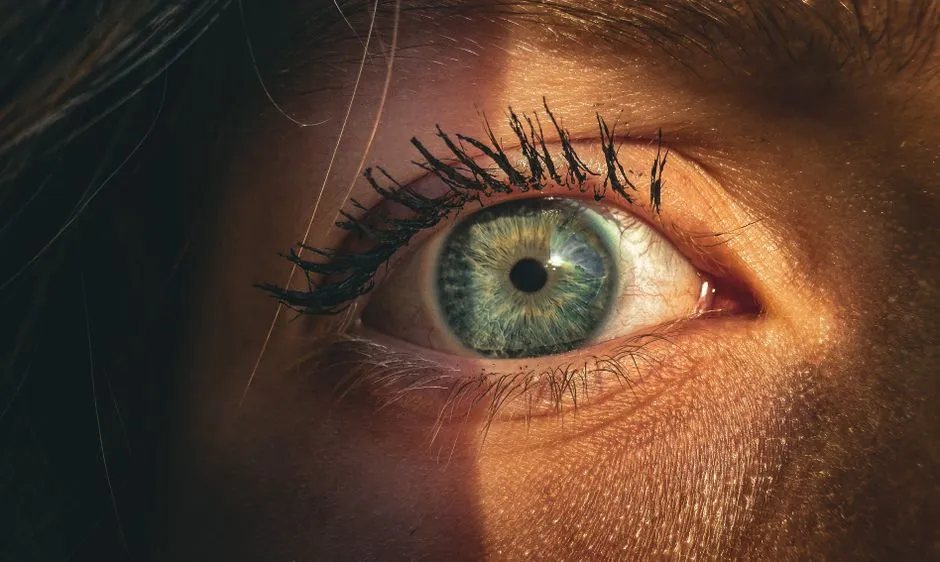
This can start subtly, like a smudge or shadow that doesn’t go away. It might indicate damage to the macula, the part of the eye responsible for sharp central vision, and should be evaluated immediately. Macular degeneration and diabetic retinopathy are associated with central vision loss or blind spots in the visual field.
Age-related macular degeneration is the leading cause of blindness in those over 60, while diabetic retinopathy is the leading cause of blindness in those between 20 and 74. Vision loss from macular degeneration and diabetic eye disease can be prevented when identified and treated early, but these conditions cannot be cured and a late diagnosis can result in permanent vision loss. This is one symptom where waiting a few days to see if it improves on its own is simply not worth the risk.
4. A Shadow or Curtain Drifting Across Your Visual Field

A shadow or curtain across part of your vision, especially your peripheral vision, is a sign of several serious conditions, including retinal detachment, impending stroke stemming from a blockage in the main artery in the neck, a viral retinal infection, or a blocked blood vessel in the eye. Do not wait to have this evaluated because time is an important factor with any of these emergencies.
Retinal detachment has an annual incidence of roughly 12 per 100,000 people globally, with peak occurrence in adults between ages 50 and 70. Without prompt treatment and reattachment, this could lead to permanent damage and vision loss. Delays in treatment can lead to further separation of the retinal tissue, which may reduce the likelihood of restoring vision completely. Speed of response genuinely matters here, not just in hours but in minutes.
5. Sudden Blurry Vision in One or Both Eyes
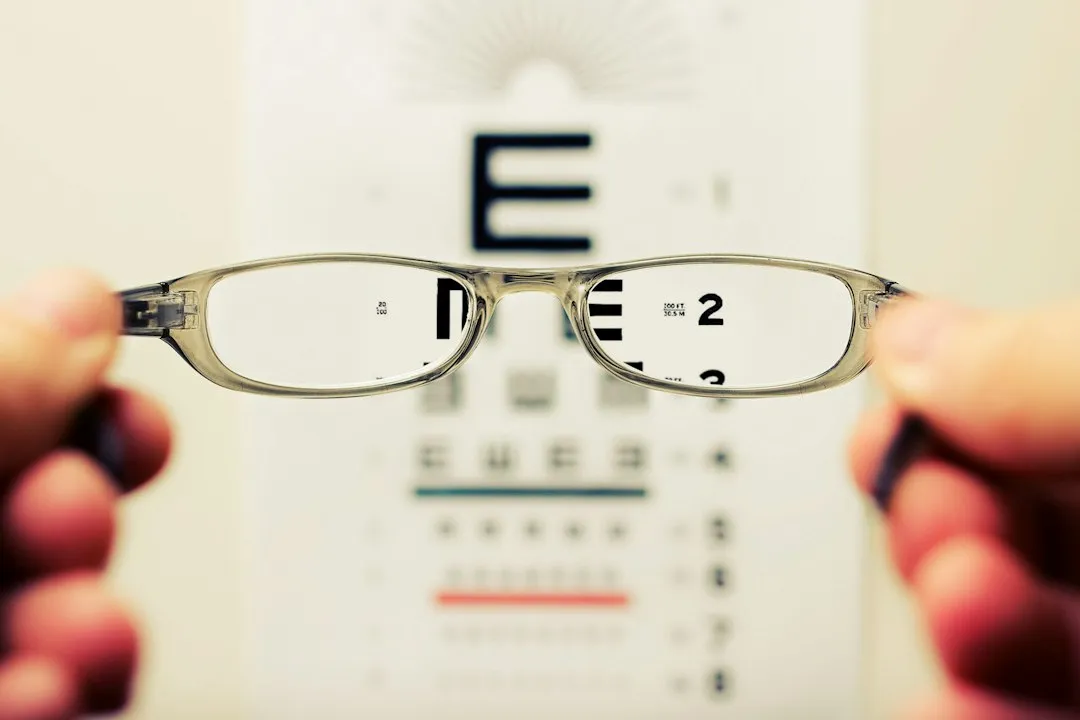
If your vision becomes blurry out of nowhere, whether in one eye or both, it could be a sign of something serious like a retinal problem, a stroke, or even wet age-related macular degeneration. Frequent changes in how clearly you can see may also be a sign of diabetes or hypertension, since these chronic conditions can damage the tiny blood vessels in the retina, the light-sensitive layer at the back of the eye.
The National Eye Institute warns that major blurring or sudden vision changes are not normal. This is a signal the body is sending for a reason, and it’s important to resist the temptation to attribute it to screen fatigue or a bad night’s sleep. The National Institute on Aging reports that for sudden vision loss, many new floaters, flashes, eye pain, double vision, or large amounts of redness and swelling, you should seek medical care right away.
6. New Double Vision
New double vision can indicate a stroke or another nerve problem, and these are emergency medical conditions requiring immediate care the day it occurs. Double vision, or diplopia, is not a symptom that should be treated as something that will simply go away on its own. It can originate from problems with the eye muscles, the nerves controlling them, or the brain itself.
When it appears suddenly in an adult over 50, neurological causes take priority until ruled out. Vision and eye health screenings and comprehensive eye exams for older individuals are recommended every one to two years to reduce the risk for permanent vision loss. That said, new double vision warrants same-day medical evaluation rather than a scheduled appointment weeks away. The distinction between a nerve issue, a vascular event, and a muscle problem can only be made with proper clinical assessment.
7. Increasing Glare, Halos Around Lights, or Fading Colors
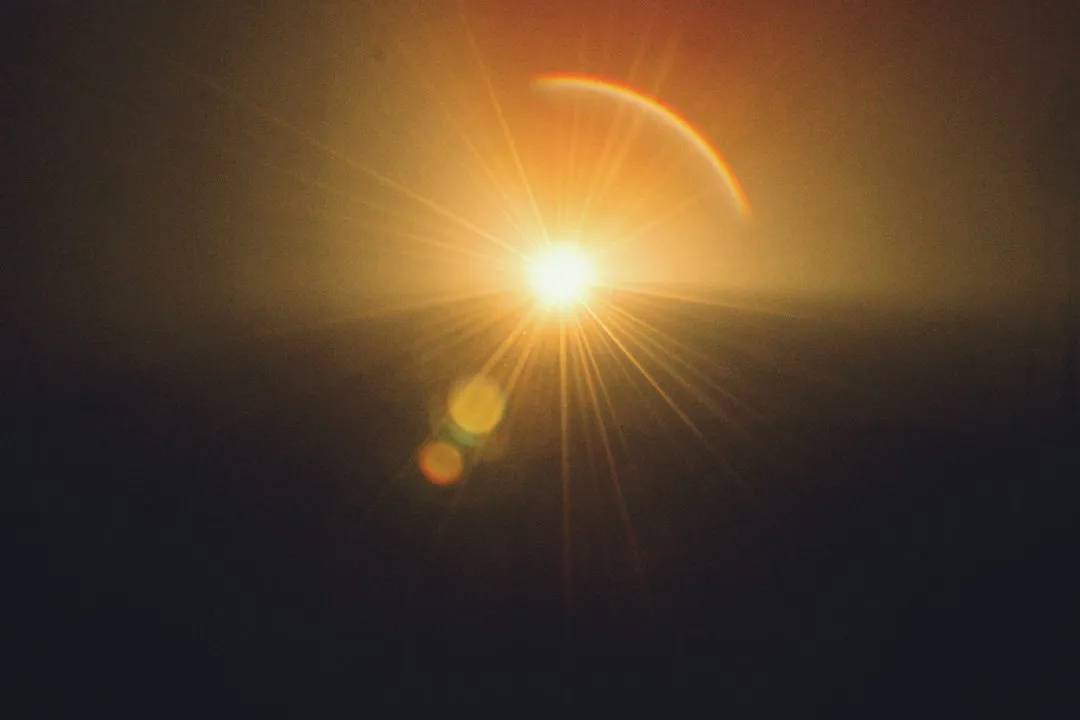
Needing brighter light to read and having a harder time seeing at night are common with age. However, glare, halos around headlights, and poor night vision may be early signs of cataracts, so mention these signs at your next eye exam. Colors may also appear to be less vivid, and nighttime driving becomes an issue because of high-beam glare.
About 24 to 36 percent of people between ages 65 and 74 have cataracts, climbing to around half in those 75 to 84 and over 64 percent in those 85 and older. Cataracts are highly treatable when caught and addressed appropriately, with surgery offering excellent outcomes for most patients. Refractive error and cataracts can be treated and fully corrected in most cases, which is precisely why getting evaluated sooner rather than later makes such a practical difference to quality of life.
8. Peripheral Vision That Seems to Be Quietly Shrinking
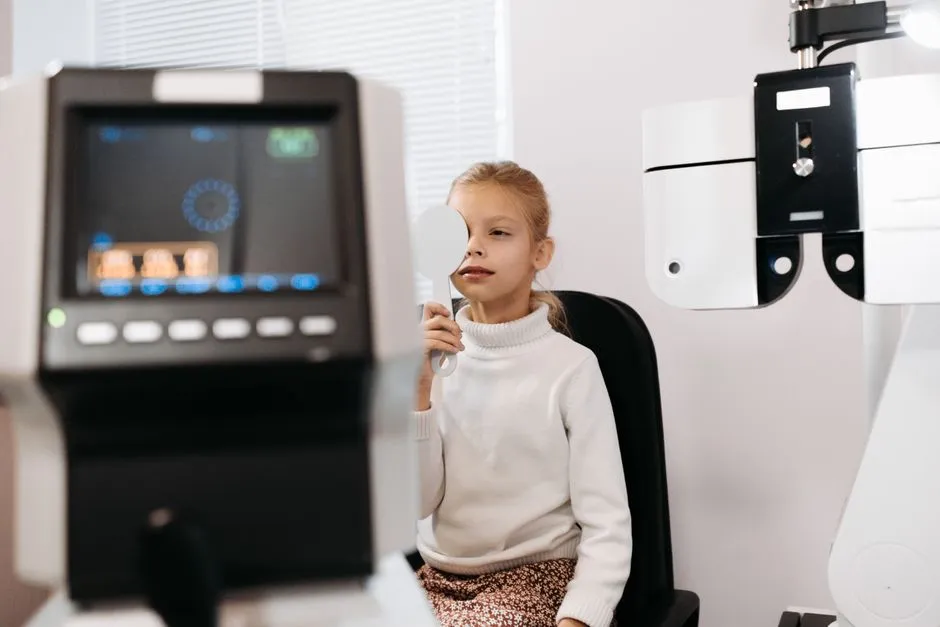
Glaucoma is another ocular disease that becomes more common in older adults, with prevalence ranging from 4 to 8 percent for adults aged 65 to 75, and 7 to 12 percent for those over 80. It is the leading cause of irreversible blindness and typically has an insidious onset over many years where the patient has no perception of their reducing vision.
This is what makes glaucoma so particularly dangerous. People lose the edges of their vision so slowly, and so symmetrically between both eyes, that the brain compensates without complaint. By the time it becomes noticeable in daily life, significant nerve damage has often already occurred. Glaucoma risk roughly doubles between ages 65 and 80, affecting up to about 10 percent of the oldest age group. Regular pressure checks and optic nerve evaluations are the main safeguard against this quiet thief of sight.
9. Fluctuating Vision That Changes Day to Day
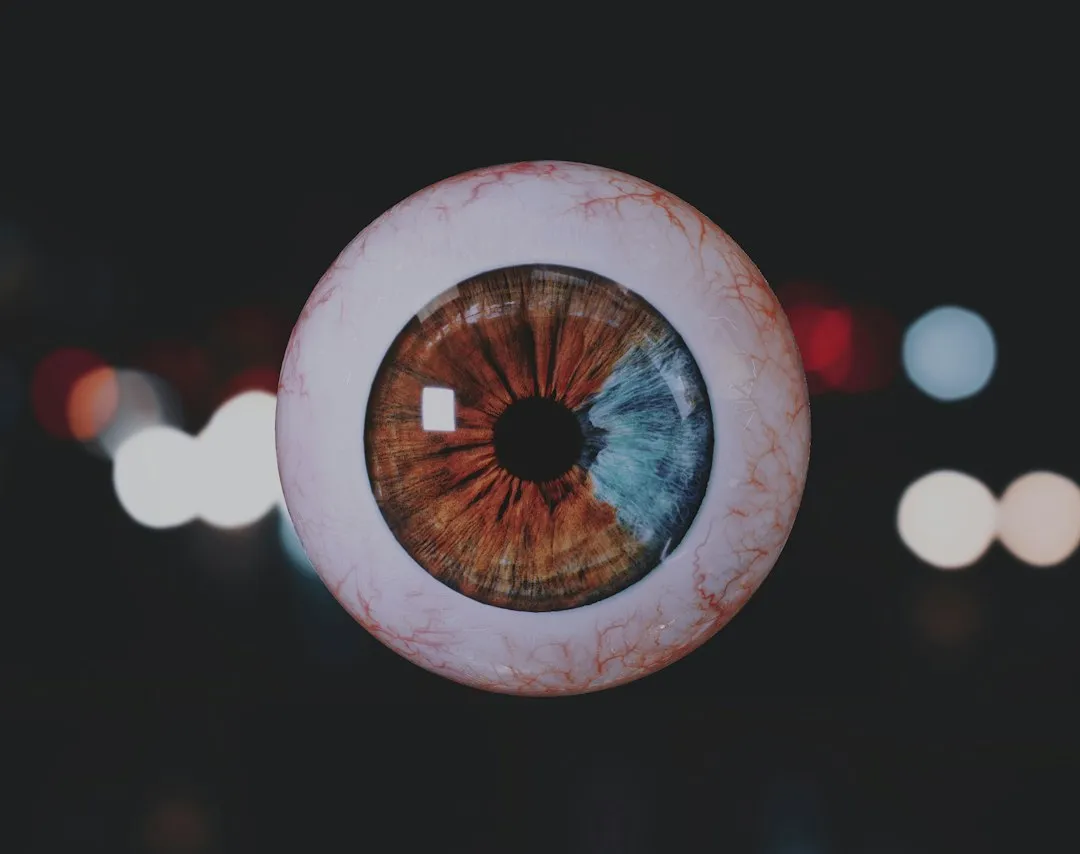
Frequent changes in how clearly you can see may be a sign of diabetes or hypertension. These chronic conditions can damage the tiny blood vessels in the retina, the light-sensitive layer at the back of the eye, and this vision loss can sometimes be permanent. Vision that seems sharper in the morning and blurry by afternoon, or that varies noticeably from one day to the next, is the kind of pattern worth noting and reporting.
As we age, tear production often slows down, and changes in the quality of tears can also occur. This leads to dry eye syndrome, a condition that causes redness, irritation, fluctuating blurry vision, and a gritty or burning sensation in the eyes. Dry eye can mimic more serious conditions, which is one more reason why a proper diagnosis matters. Fluctuating vision tied to a systemic health condition is a very different conversation than one triggered by tear film instability.
10. Eye Pain Combined with Redness and Vision Disturbance
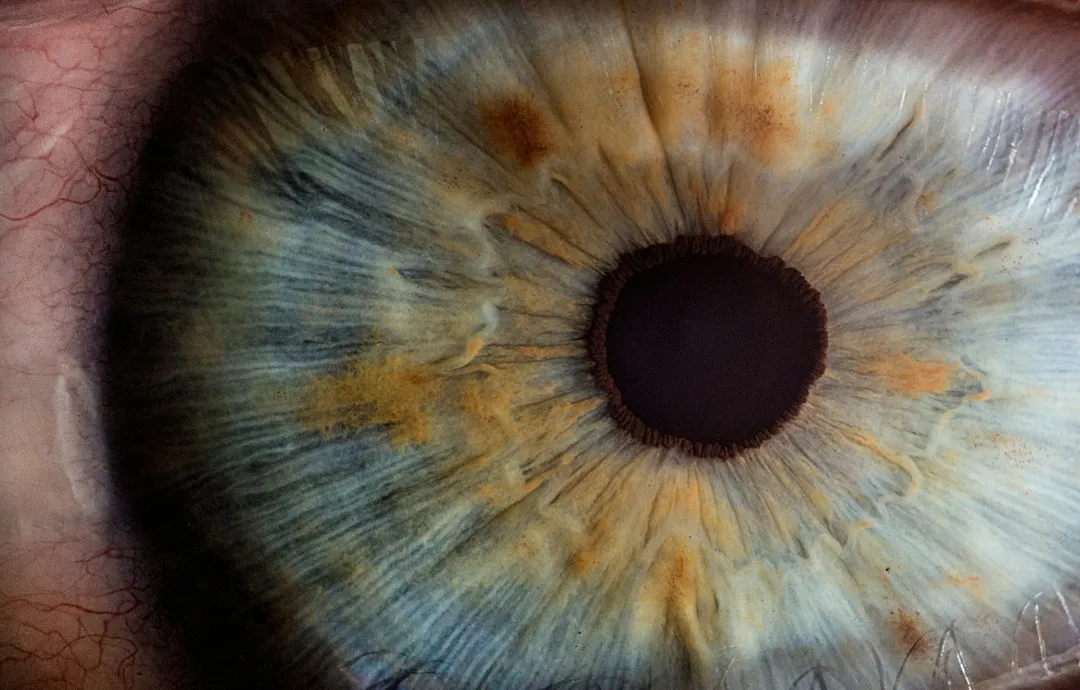
Eye pain paired with redness and any change in vision is a combination that eye doctors treat as urgent. Acute angle-closure glaucoma, for instance, can produce sharp eye pain, nausea, and a sudden blurring of vision with halos around lights, and it demands same-day emergency treatment to prevent permanent damage. There is an increased risk of conditions like cataracts and glaucoma as we age, and some eye diseases present very subtly which may in turn delay diagnosis.
The National Institute on Aging recommends yearly dilated eye exams for people over 50 to catch any concerning vision problems while they are still in an early and treatable stage. Pain in or around the eye should never be rationalized away as a headache or sinus pressure without an evaluation. Combined with visual symptoms, it represents one of the clearer signals that something structurally significant may be happening inside the eye.
The Takeaway: Routine Exams Are Not Optional After 50
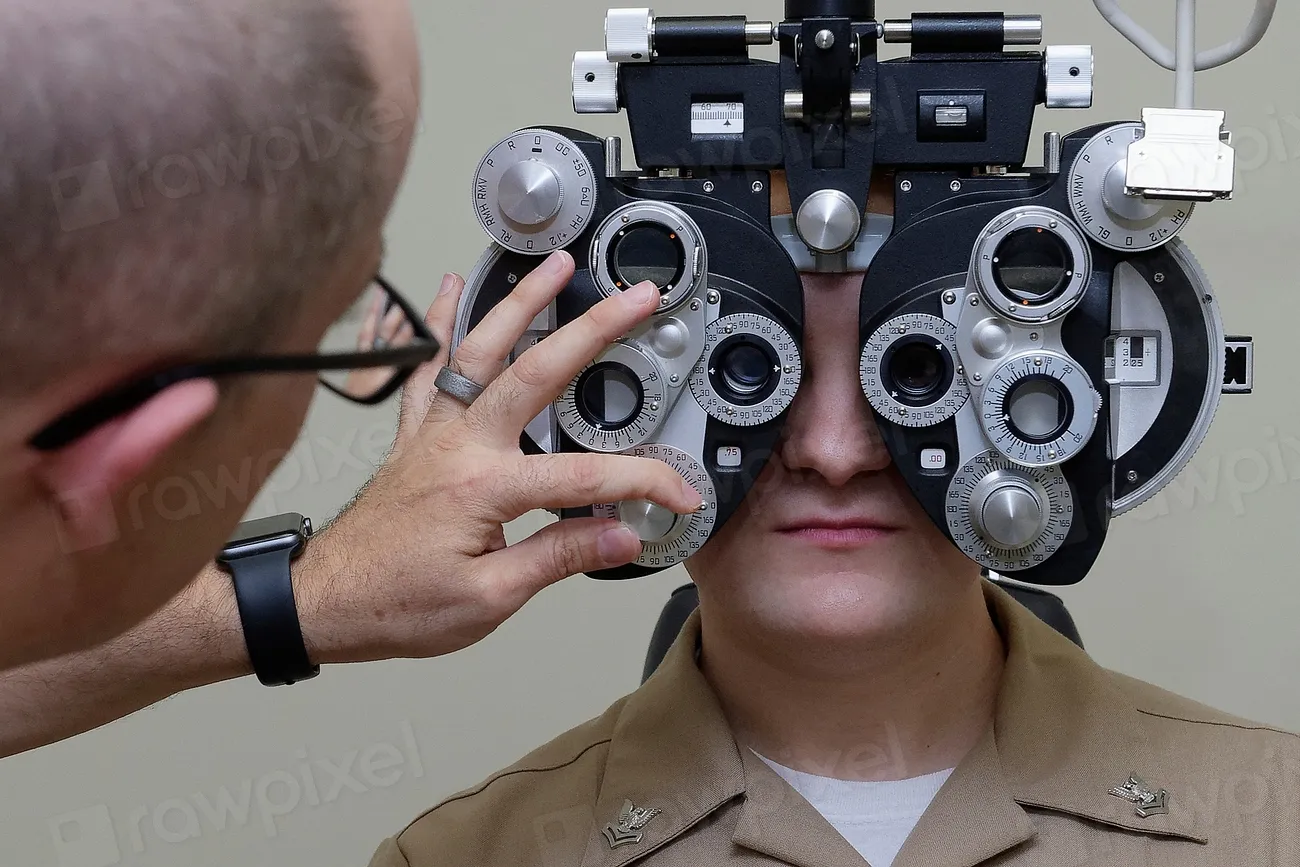
Vision loss is not synonymous with aging, but the risk for vision impairment increases with age. By 2050, there will be an estimated 1.28 billion older people worldwide living with avoidable vision impairment. That word “avoidable” carries a lot of weight. The conditions described above are, in many cases, either fully treatable or significantly manageable when identified early enough.
Many vision issues can be detected at an early stage. Years of healthy eye function are supported through regular exams, a healthy lifestyle, and timely treatment. A trusted eye doctor can often see changes which may not yet be affecting your daily vision. The seven changes covered here are not meant to cause alarm, but to sharpen awareness.
The eyes change after 50. That’s simply the reality. The part that’s within your control is whether those changes get monitored regularly and acted on promptly when something unusual appears.
AI Disclaimer: This article was created with the assistance of AI tools and reviewed by a human editor.