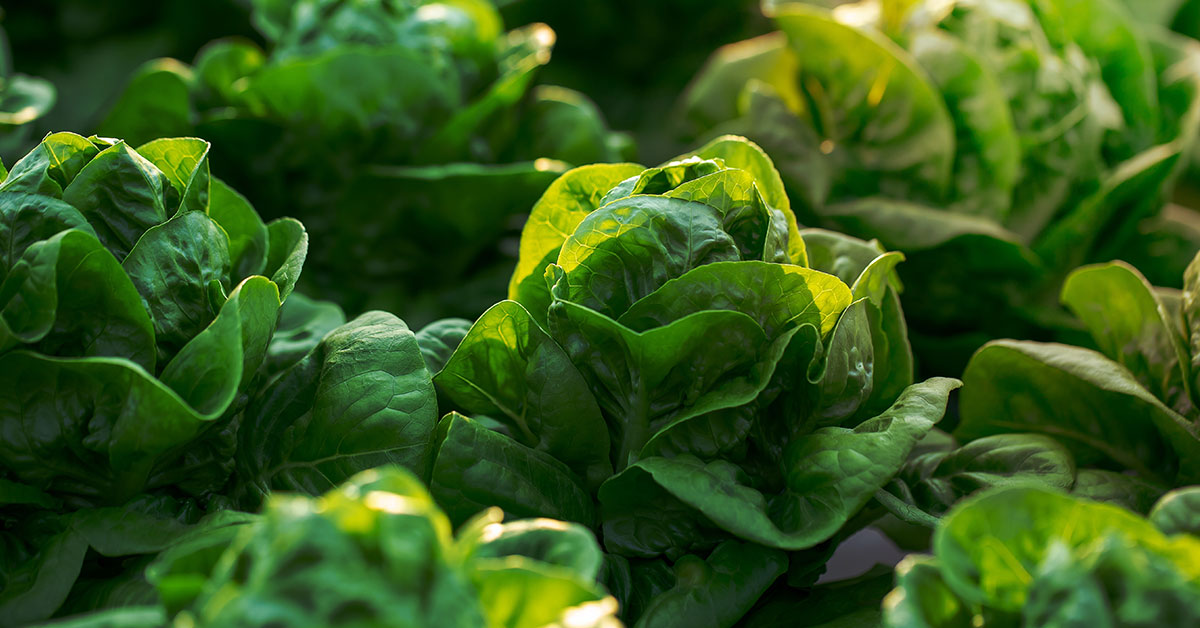

July might seem like the height of summer, but it’s also a fantastic time to plant vegetables for a bountiful fall harvest! Whether you’ve just cleared out an early summer crop or are looking to extend your gardening season, there are plenty of delicious and hardy vegetables that thrive when planted in mid-summer. As a passionate gardener, I’m always excited to share tips on how to make the most of your garden space and timing.
In this article, I’ll guide you through 10 vegetables that are perfect to plant in July for a fall harvest. These vegetables are not only easy to grow but will also add a fresh, homegrown touch to your autumn meals. Let’s dive into these wonderful plants and discover how you can enjoy a thriving garden well into the cooler months!
Kale
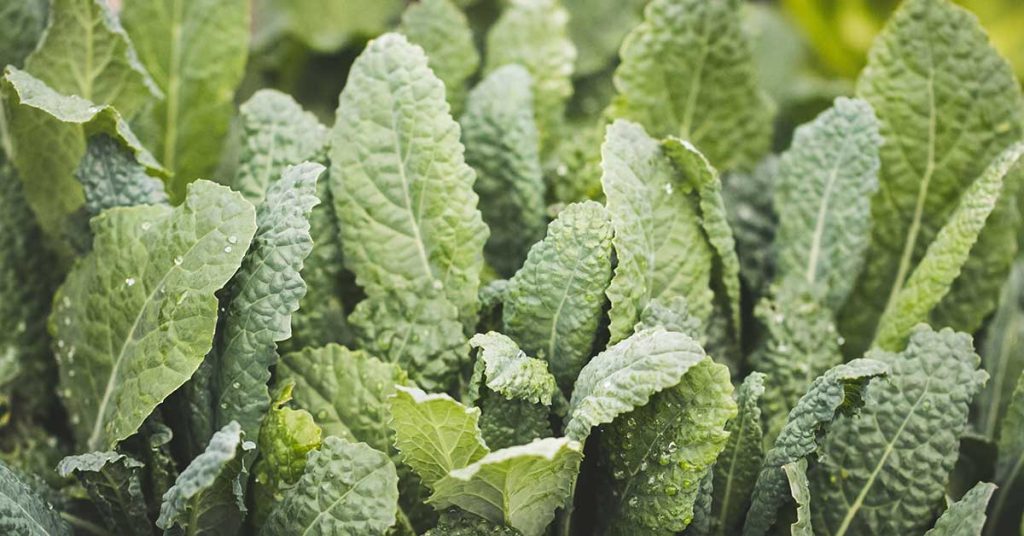
Kale is one of my favorite vegetables to plant in July. It thrives in cooler weather, making it perfect for a fall harvest. Kale is a hardy plant that can even withstand frost, which often enhances its flavor, making the leaves sweeter and more tender.
To plant kale, choose a sunny spot in your garden with well-drained soil. Sow the seeds about 1/2 inch deep and keep the soil consistently moist until the seeds germinate. Once the seedlings are established, thin them to about 12 inches apart. You can expect to start harvesting kale leaves about 60 days after planting. Enjoy the nutritious and versatile leaves in salads, soups, or as crispy kale chips!
Carrots
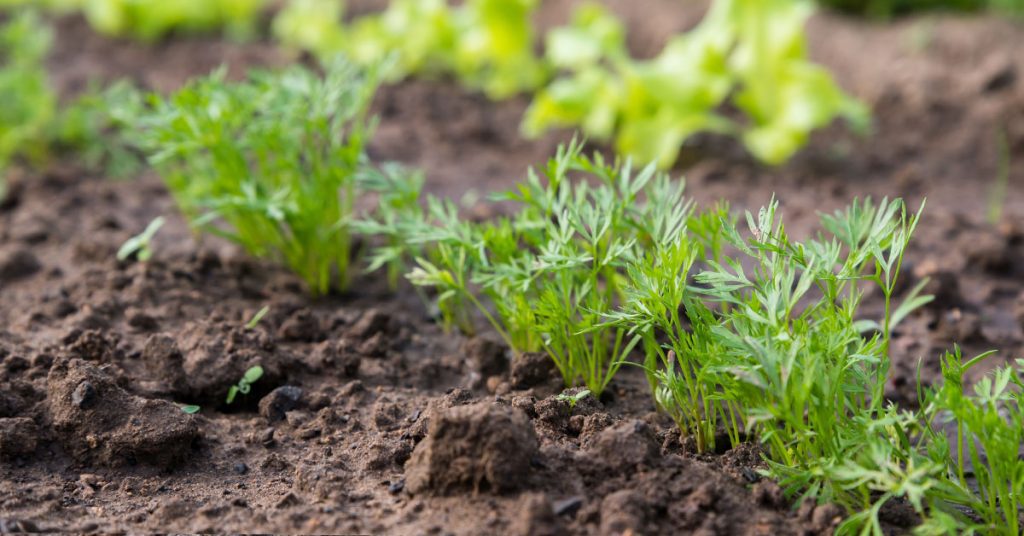
Carrots are another excellent choice for a July planting. They thrive in the cooler temperatures of fall and develop a sweeter flavor as the weather cools. Carrots are root vegetables that require loose, well-drained soil to grow properly.
To plant carrots, sow the seeds directly in the garden about 1/4 inch deep and keep the soil consistently moist until they germinate. Thin the seedlings to about 2 inches apart to give them room to grow. Carrots typically take about 70 to 80 days to mature, so you can expect to start harvesting them in late fall. Fresh, homegrown carrots are perfect for snacking, roasting, and adding to stews!
Beets
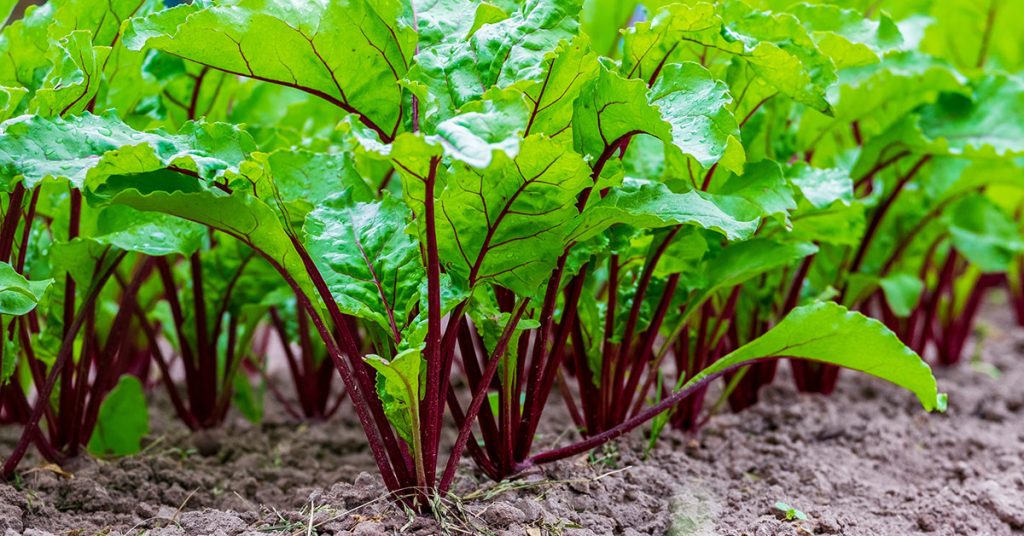
Beets are a fantastic vegetable to plant in July for a fall harvest. Both the roots and greens are edible and packed with nutrients. Beets prefer cooler weather and develop their best flavor and color as the temperatures drop.
To plant beets, sow the seeds directly in the garden about 1/2 inch deep and keep the soil consistently moist until they germinate. Thin the seedlings to about 3 inches apart to allow the roots to develop fully. Beets typically mature in about 55 to 70 days, making them ready for harvest in the fall. Enjoy the sweet, earthy flavor of roasted beets or use the greens in salads and sautés!
Broccoli
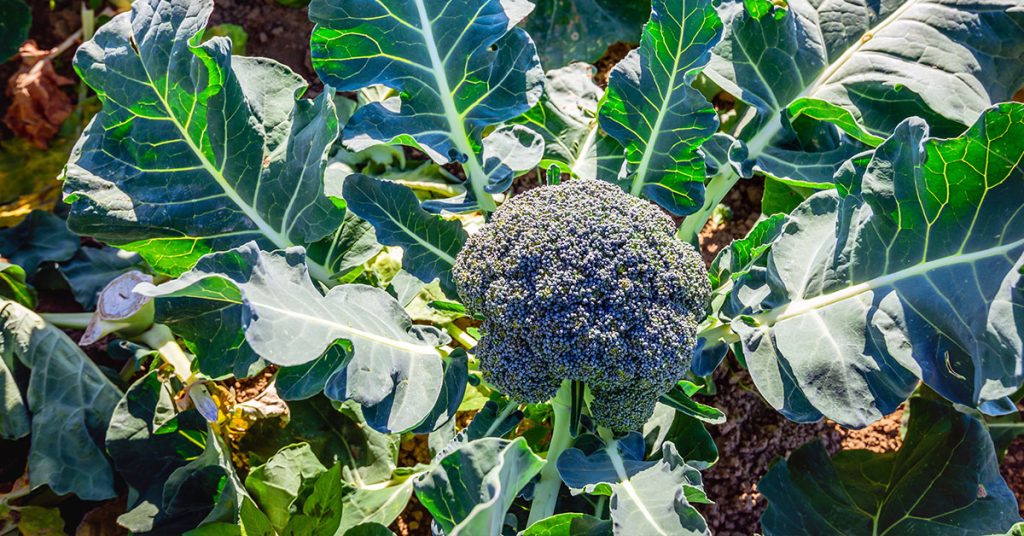
Broccoli is a cool-season crop that thrives when planted in July for a fall harvest. It’s a nutritious vegetable that’s perfect for adding to a variety of dishes. Broccoli prefers cooler temperatures and can even withstand light frosts.
To plant broccoli, start seeds indoors in early July and transplant the seedlings to the garden about 4 to 6 weeks later. Alternatively, you can sow seeds directly in the garden. Space the plants about 18 inches apart in well-drained soil and provide plenty of sunlight. Broccoli typically takes about 70 to 100 days to mature, so you can expect to start harvesting in late fall. Enjoy fresh broccoli in stir-fries, steamed, or raw in salads!
Spinach
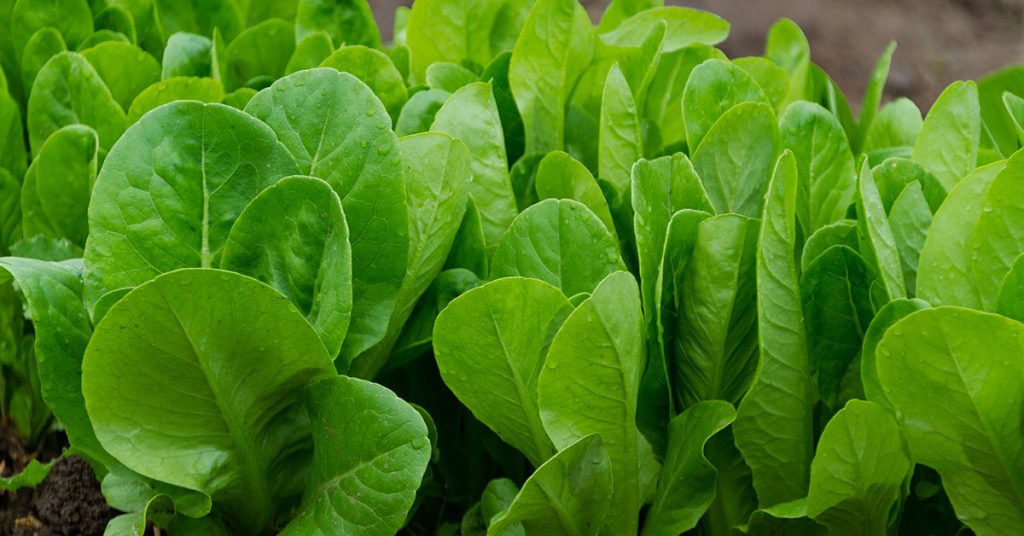
Spinach is a quick-growing leafy green that thrives in cooler weather, making it an excellent choice for a July planting. It’s packed with nutrients and is incredibly versatile in the kitchen. Spinach can tolerate light frost, which often improves its flavor.
To plant spinach, sow the seeds directly in the garden about 1/2 inch deep and keep the soil consistently moist until they germinate. Space the plants about 3 inches apart for baby spinach or 6 inches apart for larger leaves. Spinach typically takes about 40 to 50 days to mature, so you can start harvesting the leaves in early fall. Use fresh spinach in salads, sautés, or as a nutrient-packed addition to smoothies!
Turnips
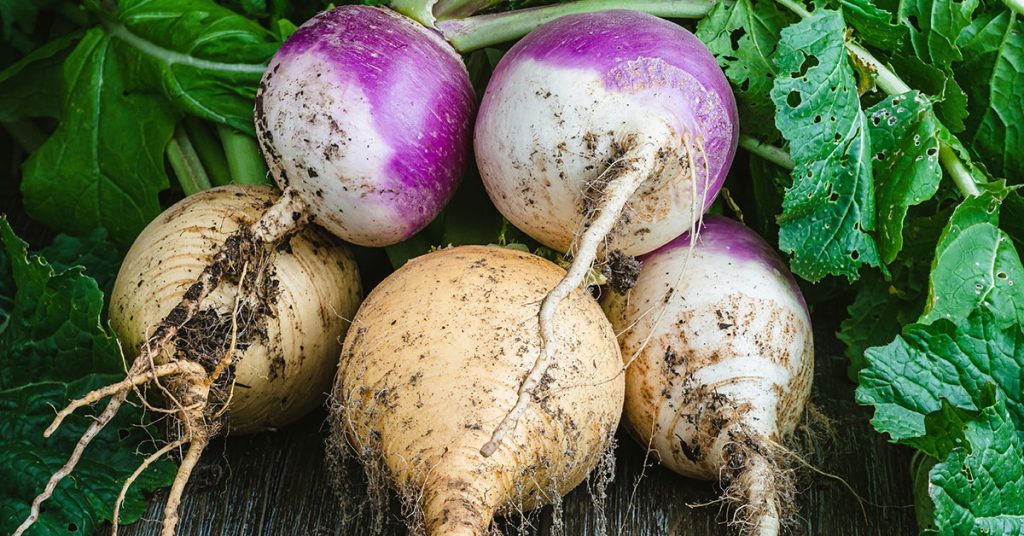
Turnips are a cool-season root vegetable that grows quickly and is perfect for a fall harvest. Both the roots and greens are edible, providing a versatile addition to your garden. Turnips thrive in cooler temperatures and develop a sweeter flavor after a light frost.
To plant turnips, sow the seeds directly in the garden about 1/2 inch deep and keep the soil consistently moist until they germinate. Thin the seedlings to about 4 inches apart to give the roots room to grow. Turnips typically take about 50 to 60 days to mature, so you can start harvesting them in the fall. Enjoy roasted turnips or use the greens in sautés and soups!
Radishes
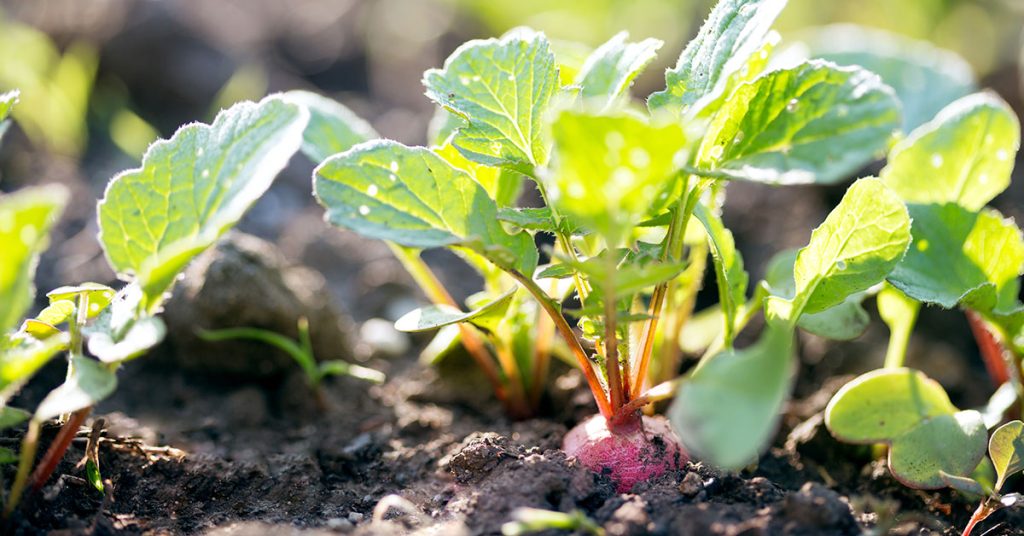
Radishes are one of the fastest-growing vegetables, making them an ideal choice for a July planting. They thrive in cooler weather and can be harvested in just a few weeks. Radishes come in various shapes and colors, adding a crunchy and colorful element to your salads.
To plant radishes, sow the seeds directly in the garden about 1/2 inch deep and keep the soil consistently moist until they germinate. Thin the seedlings to about 2 inches apart to allow the roots to develop properly. Radishes typically mature in about 25 to 30 days, so you can start harvesting them in late summer to early fall. Enjoy fresh radishes in salads, as a crunchy snack, or pickled!
Peas

Peas are a cool-season crop that can be planted in July for a fall harvest. They are sweet, tender, and can be enjoyed fresh, cooked, or even frozen for later use. Peas thrive in cooler temperatures and can withstand light frost, making them perfect for fall gardening.
To plant peas, sow the seeds directly in the garden about 1 inch deep and space them about 2 inches apart. Provide support with trellises or stakes to help the vines grow upright. Peas typically take about 60 to 70 days to mature, so you can start harvesting in the fall. Freshly harvested peas are delicious in salads, stir-fries, or as a healthy snack!
Swiss Chard
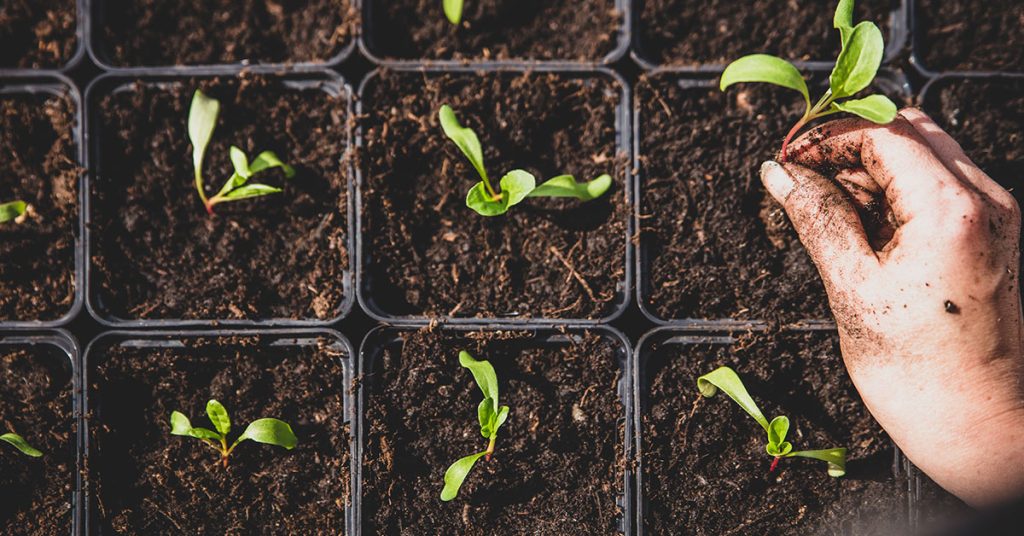
Swiss chard is a hardy leafy green that grows well in cooler weather, making it an excellent choice for a July planting. It’s a versatile vegetable that can be used in salads, sautés, and soups. Swiss chard is also known for its colorful stems, adding a vibrant touch to your garden.
To plant Swiss chard, sow the seeds directly in the garden about 1/2 inch deep and keep the soil consistently moist until they germinate. Thin the seedlings to about 6 inches apart to allow the plants to grow fully. Swiss chard typically takes about 50 to 60 days to mature, so you can start harvesting the leaves in the fall. Enjoy the tender, nutrient-packed leaves in a variety of dishes!
Lettuce
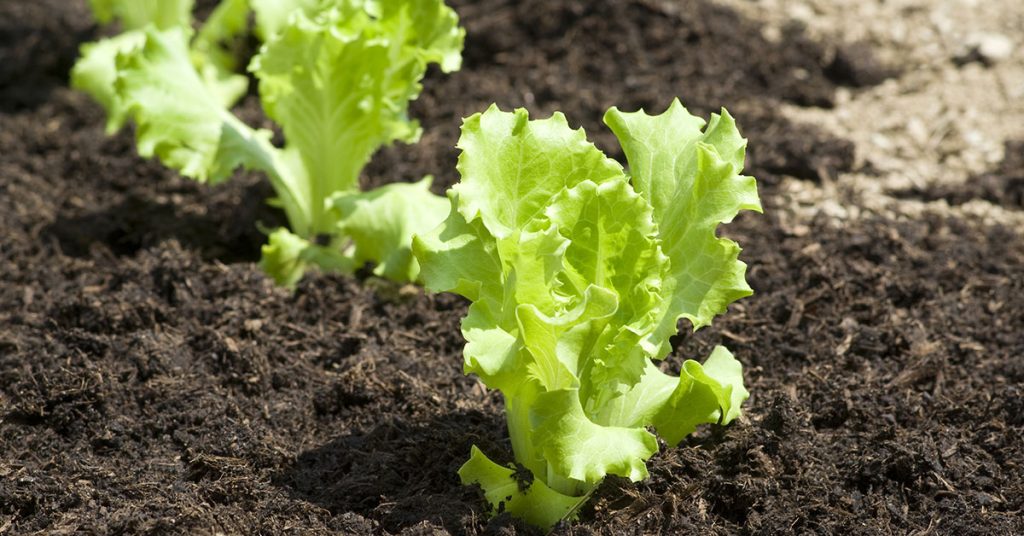
Lettuce is a quick-growing leafy green that thrives in cooler weather, making it perfect for a fall harvest. There are many varieties to choose from, including leaf, romaine, and butterhead, each offering different textures and flavors. Lettuce can be harvested multiple times throughout the growing season.
To plant lettuce, sow the seeds directly in the garden about 1/4 inch deep and keep the soil consistently moist until they germinate. Thin the seedlings to about 6 inches apart to allow the plants to grow fully. Lettuce typically takes about 45 to 60 days to mature, so you can start harvesting in the fall. Enjoy fresh lettuce in salads, sandwiches, or as a garnish!
Planting vegetables in July for a fall harvest is a great way to extend your gardening season and enjoy fresh produce well into the cooler months. With these ten easy-to-grow vegetables, you can look forward to a bountiful and delicious fall harvest.