
As the crisp days of autumn arrive and the first whispers of frost start making their way into the forecast, many gardeners start thinking about how to make their hard work last well beyond the growing season. It’s one of the most satisfying parts of gardening—knowing that even when the garden beds are tucked under a blanket of snow, your pantry, cellar, or crisper drawer still holds the fruits (or in this case, vegetables) of your labor. Properly chosen and stored, some vegetables can last for months, carrying you through winter meals with homegrown goodness that tastes leagues better than anything shipped across the country.
Of course, success isn’t just about picking the right vegetables—it’s about knowing their origins, how they behave in storage, and any quirks they may have. Some vegetables are naturally built for longevity thanks to thick skins or dense flesh, while others require special storage environments to keep them fresh. A few even have histories tied to centuries of winter preservation, long before refrigeration. Whether you’re tucking them into a root cellar, a dark cupboard, or the corner of your garage, these vegetables can make your cold-weather kitchen sing.
Winter Squash
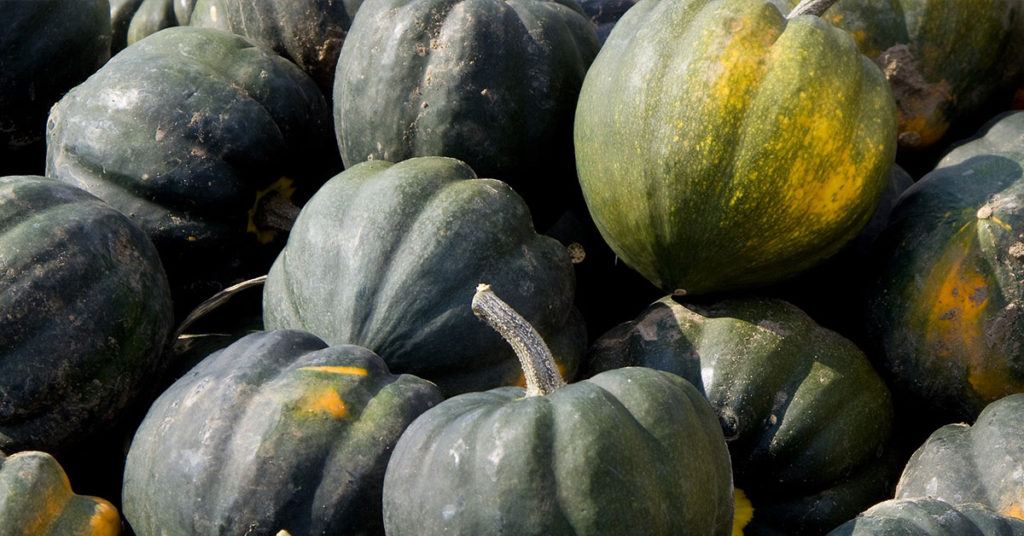
Winter squash, such as butternut, acorn, and kabocha, hail from the Americas, where Indigenous peoples cultivated them for their long storage life and nutrient-rich flesh. Their thick, hard rinds are natural armor against moisture loss and pests, allowing them to last for months in a cool, dry place. The trick is to cure them after harvest—leaving them in a warm, airy spot for a week or two—so the skins harden further. This step can mean the difference between a squash that lasts a month and one that keeps well into spring.
They aren’t invasive in most climates, but in warm regions, their seeds can sprout readily if left in compost piles. In storage, they don’t attract pests like pollinators or birds, but mice will happily nibble them if given a chance. Indoors, I like keeping a few on the counter as décor until I’m ready to roast them—their vibrant skins add a cozy autumn feel to the kitchen.
Cabbage
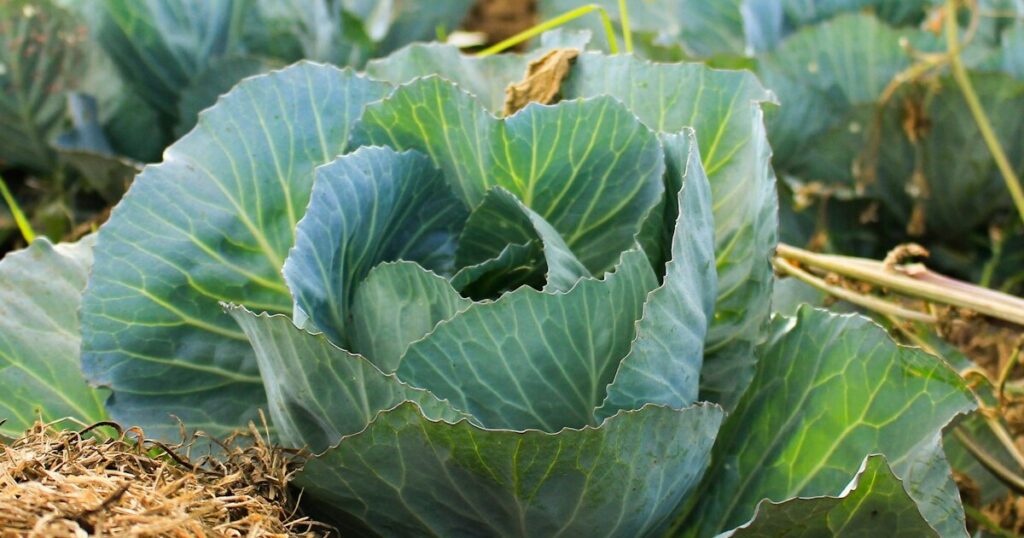
Cabbage is a cool-season crop native to Europe, and it has been a staple for fall and winter storage for centuries. Its tightly wrapped leaves protect the tender inner layers, allowing it to last for weeks or even months in a cold, humid environment. In a root cellar, it can keep until spring, and with minimal care, it will still be crisp enough for coleslaw or stir-fry.
Cabbage can be invasive in a loose sense—its seeds can persist in the soil and sprout the following year if left to bolt. Outdoors, its flowers attract pollinators like bees, though it’s usually harvested long before blooming. Indoors, it’s best kept wrapped to retain humidity and avoid that unmistakable cabbage aroma from spreading too far!
Onions
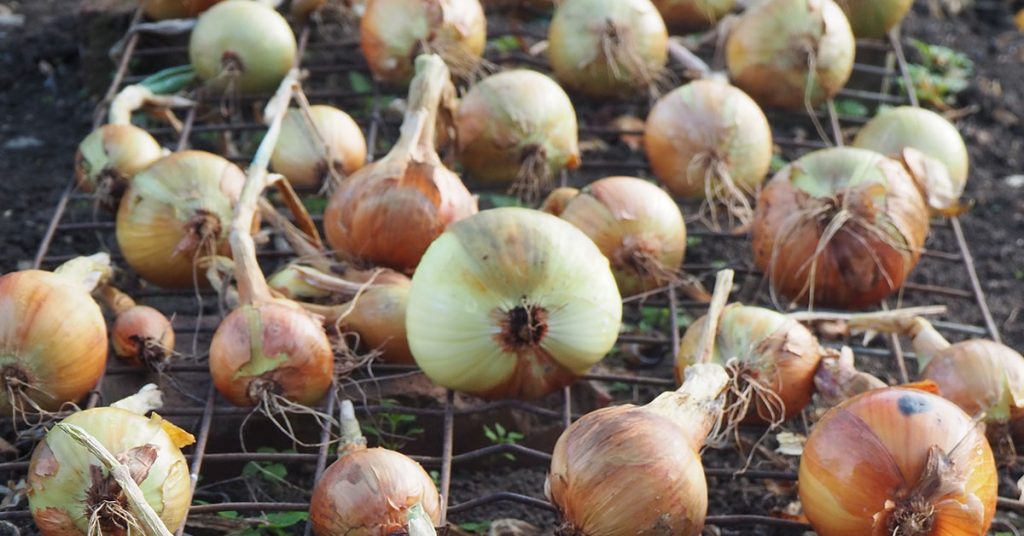
Onions originated in Central Asia and have been grown worldwide for thousands of years. Their papery skins and low moisture content make them one of the easiest vegetables to store for months, provided they’re kept in a cool, dry, and well-ventilated place. Hanging them in mesh bags or braiding their stems is a time-honored storage method that works beautifully.
They’re not considered invasive, but onions will reseed themselves if left to flower outdoors. Those blooms are a magnet for pollinators, especially beneficial wasps. Indoors, stored onions won’t attract much wildlife, but keep them away from potatoes—both will spoil faster when stored together due to moisture and gas release.
Carrots

Carrots, native to Persia (modern-day Iran and Afghanistan), are root vegetables with a sweet, earthy flavor that intensifies during storage. When kept in damp sand or sawdust in a cool environment, they can last for months without losing texture. Harvest them before the ground freezes and store them unwashed to help retain their natural protective coating.
They’re not invasive, though wild carrot (Queen Anne’s lace) can spread aggressively in some areas. In the garden, carrot flowers are an excellent resource for pollinators, attracting hoverflies, lacewings, and bees. Indoors, they simply sit patiently until you’re ready to add them to soups, stews, or roasted trays of winter vegetables.
Potatoes

Potatoes are native to the Andes Mountains and have been a cornerstone of food storage for centuries. When kept in a dark, cool, and humid place, they can last well into the winter, sometimes longer. Light exposure will cause them to sprout and turn green, so covering or storing them in opaque containers is key.
Potatoes aren’t invasive in most areas, but if you’ve ever had a forgotten spud sprout in the back of a cupboard, you know they can be persistent! Outdoors, their flowers attract bees, but in storage, it’s all about preventing rot and sprouting. A basement or root cellar is perfect, but even an unheated closet can work if conditions are right.
Garlic
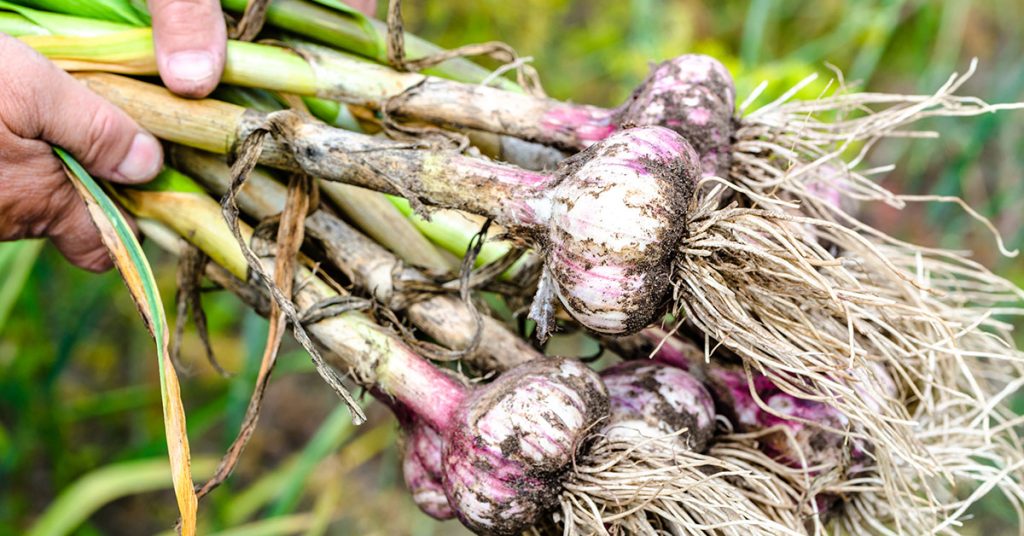
Garlic, thought to have originated in Central Asia, is another all-star storage crop. After curing for a few weeks in a warm, airy spot, it can last for months in a cool, dry location. Softneck varieties tend to store longer than hardneck types, sometimes lasting until the next harvest season.
It’s not invasive in most gardens, though volunteer garlic can pop up from missed bulbs. While pollinators don’t typically visit garlic, the scapes produced by hardneck varieties can draw in beneficial insects. Indoors, garlic is one of those pantry staples I’m never without—it’s a flavor powerhouse in nearly every savory dish.
Beets
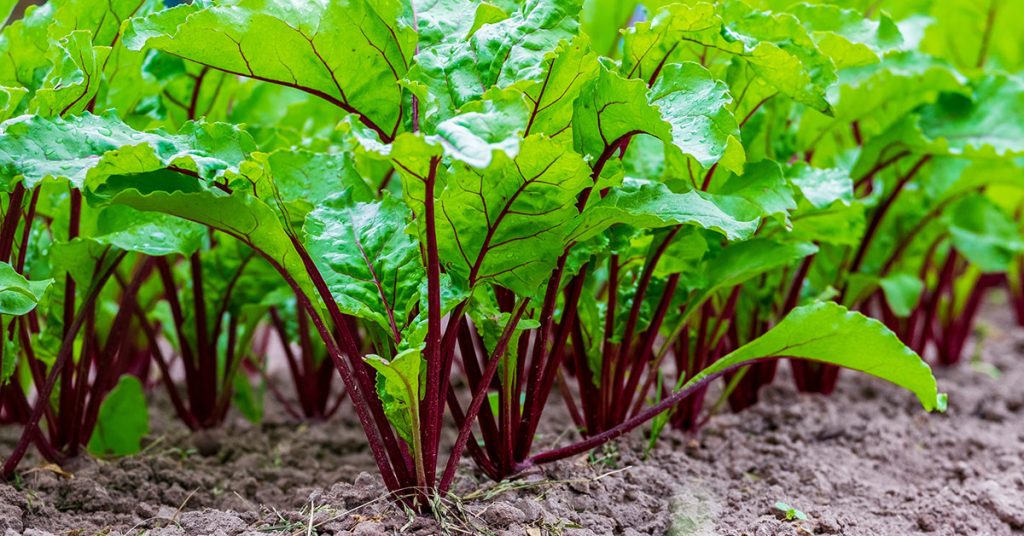
Beets, native to the Mediterranean region, store exceptionally well when kept cool and moist. Much like carrots, they can be stored in damp sand, sawdust, or even in perforated plastic bags in the fridge. Their earthy sweetness actually improves with storage as natural sugars develop.
Beets aren’t invasive, but they can reseed in mild climates. Outdoors, their flowers (if allowed to bloom) attract pollinators like bees and butterflies. Indoors, they’re low-maintenance—just be sure to trim the greens before storing, as they can draw moisture away from the roots.
Turnips
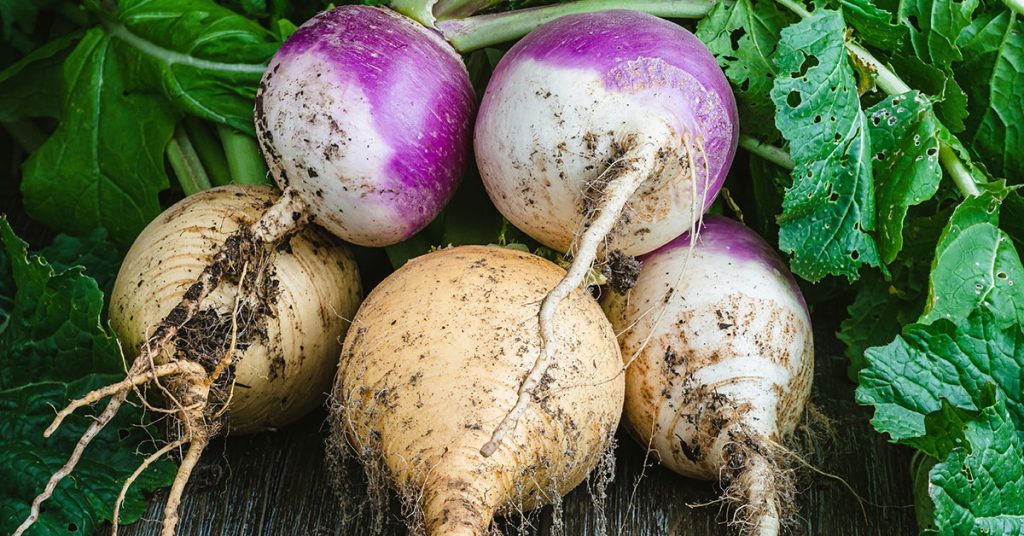
Turnips, also from the Mediterranean, are hardy root vegetables that can be stored for months under the right conditions. They prefer cool, moist environments and, like beets, do best when the greens are removed before storage. Their flavor mellows with time, making them excellent for winter soups and roasts.
Turnips aren’t typically invasive, though wild relatives can be aggressive in some areas. In bloom, turnip flowers are highly attractive to pollinators. In storage, they just need protection from drying out or freezing, and they’ll keep you well-fed deep into winter.
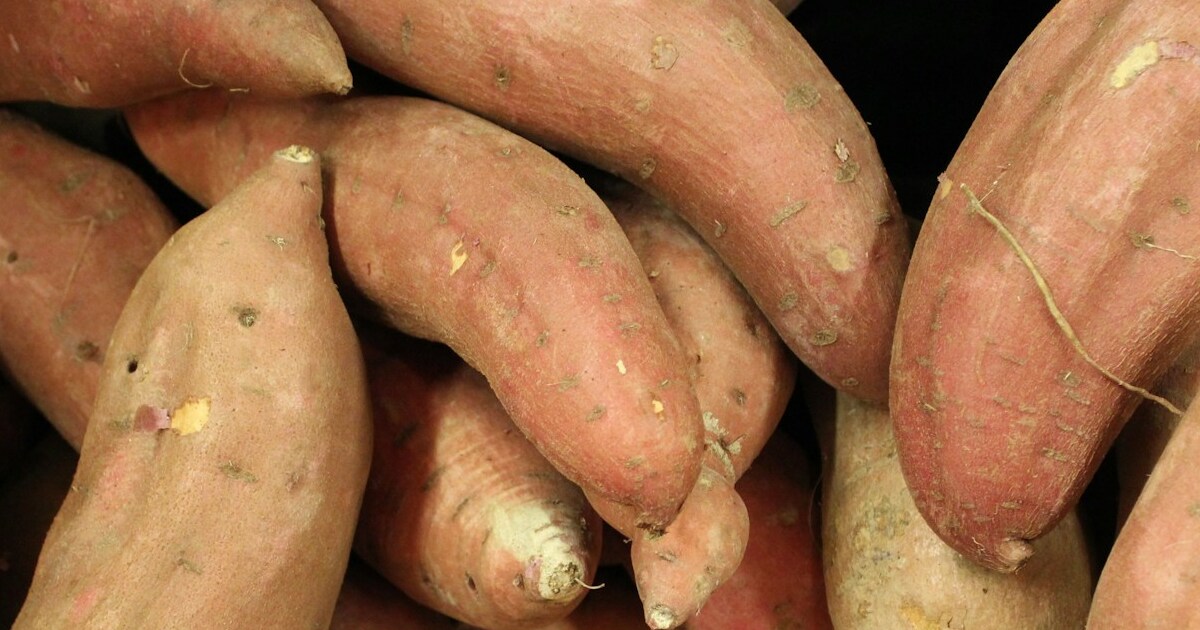
Sweet Potatoes
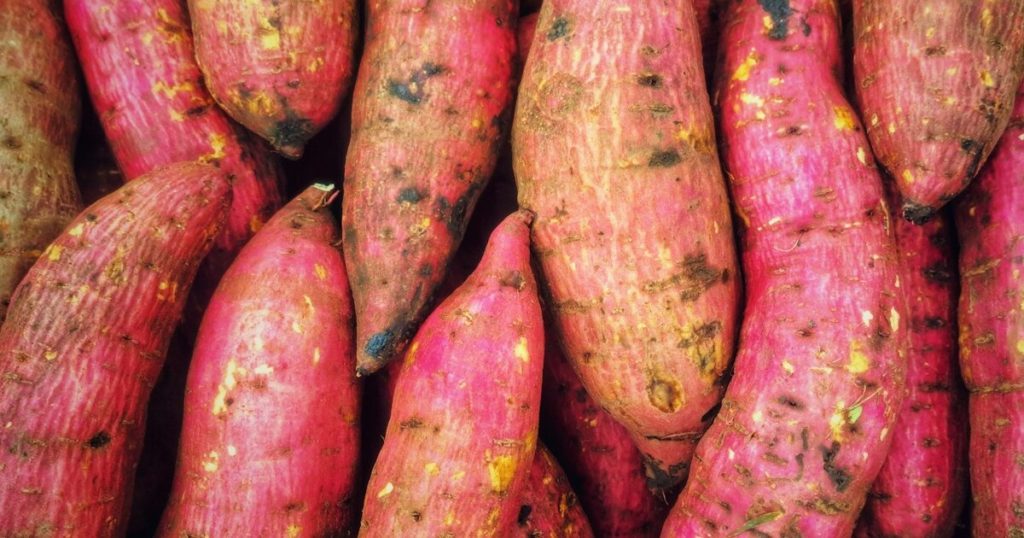
Sweet potatoes are native to Central and South America and need a bit of extra care to store well. Curing them for about 10 days in a warm, humid environment allows their skins to toughen and their flavor to sweeten. Once cured, they can last for several months in a cool, dry space.
They’re not invasive in most climates, though they can spread vigorously in frost-free areas. Outdoors, sweet potato blooms are a lovely surprise for pollinators, but indoors, it’s all about keeping them dry and away from cold temperatures, which can damage their texture.
Parsnips
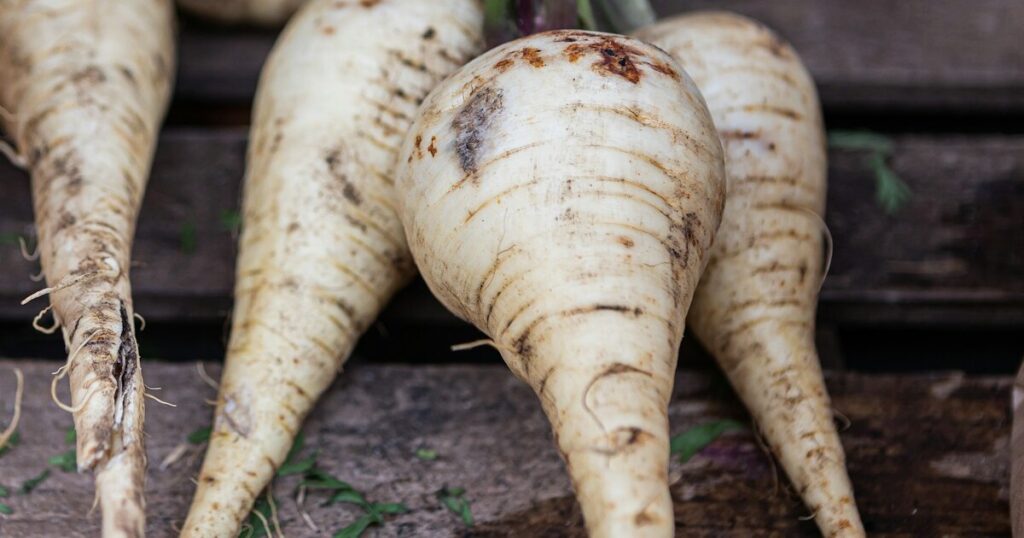
Parsnips, native to Eurasia, are underrated storage champions. They can be left in the ground through mild winters or stored like carrots in damp sand or sawdust. Their flavor actually improves after exposure to frost, developing a nutty sweetness that’s perfect for hearty winter meals.
They’re not invasive in most places, but like carrots, wild parsnips can be aggressive. Outdoors, their flowers attract a variety of beneficial insects, including predatory wasps. Indoors, they’re content to wait patiently in storage until you’re ready for them in roasts or stews.