
As an enthusiastic gardener always on the lookout for new indoor adventures, I’m thrilled to share my insights into growing vegetables right in the comfort of your home! Indoor gardening has opened up a world of possibilities, allowing even those with limited outdoor space to enjoy the beauty and bounty of fresh produce. I’ve experienced the joy of nurturing these plants from seed to harvest, and I’m excited to help you avoid the pitfalls while embracing the magic of indoor cultivation. Whether you’re a seasoned green thumb or just starting out, these vegetables will not only brighten your home but also invite beneficial insects and create microhabitats that mimic nature’s own nurturing systems!
I understand how frustrating it can be when indoor plants don’t thrive as expected—especially after investing so much time and care. It’s such a bummer when pests sneak in or when your once-promising seedling fails to grow, but trust me, these 10 vegetables are a delightful exception! In the following sections, I’ll share detailed tips about each plant, including their native origins and whether they carry any invasive tendencies, all while providing personal anecdotes and fun insights that will empower you to bring a little piece of nature indoors.
Cherry Tomatoes
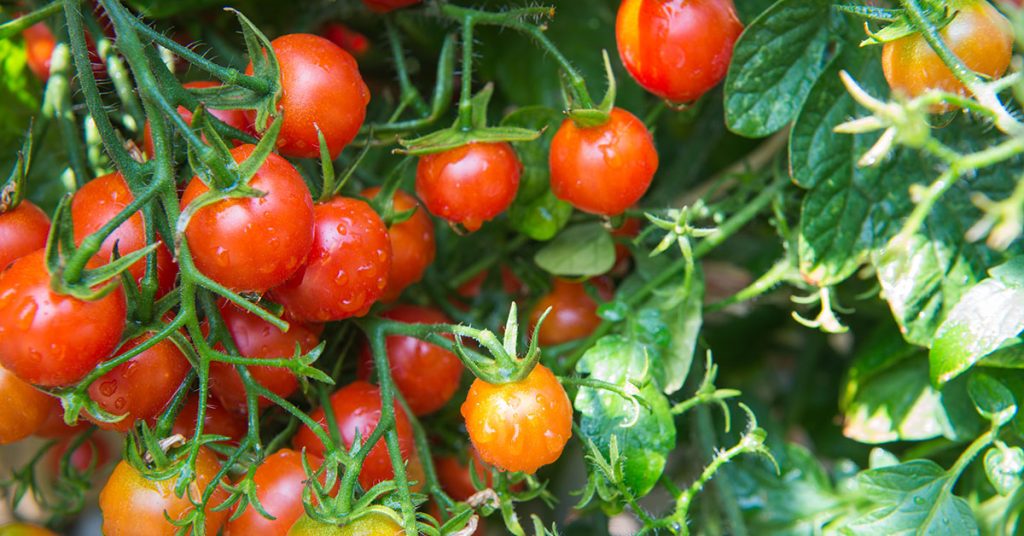
Cherry tomatoes are a little burst of sunshine in any indoor garden! Native to South America, these sweet, bite-sized gems have made their way into kitchens all over the world. Although they’re not considered invasive, their vigorous growth habit means you must provide them with ample light and support to thrive indoors. I’ve found that placing them near a sunny window or using grow lights helps mimic their natural habitat and encourages robust flowering and fruiting, while their compact size makes them perfect for container gardening.
I always get a thrill watching my cherry tomato plants as they develop tiny clusters of bright, flavorful tomatoes. Their energetic growth attracts pollinators in outdoor gardens, but indoors they seem to create a micro-ecosystem where beneficial insects can occasionally find shelter on a sunny sill! Each time I harvest a tomato, it’s a reminder of the rewarding cycle of indoor gardening—one that brings both beauty and delicious, fresh produce into my daily life.
Radishes

Radishes, native to regions across Europe and Asia, are delightfully crisp and quick-growing, making them an ideal choice for indoor cultivation! Their rapid life cycle means you can enjoy a harvest in just a few weeks, which is especially gratifying when indoor gardening can sometimes feel like a waiting game. While radishes aren’t known for being invasive, their fast growth does create a mini ecosystem that occasionally attracts small beneficial insects seeking temporary nesting spots amidst the lush, leafy greens.
I’ve always appreciated how radishes add a burst of color and a peppery flavor to my indoor salad mixes. Growing them in small containers on my kitchen counter has become one of my favorite gardening projects, as their vibrant red or white bulbs contrast beautifully with the greenery of their leaves. Their ease of growth and the fun, almost playful way they sprout and mature remind me that sometimes the simplest plants offer the greatest rewards—and a delicious crunch to boot!
Carrots

Carrots, with their origins in Europe and southwestern Asia, are an unexpected but surprisingly easy indoor vegetable! Although growing full-sized carrots indoors can be challenging, I’ve had great success with miniature or baby carrot varieties that are well-suited to container gardening. Carrots are not known to be invasive, but they do require a deep, loose potting mix to develop those tender, crunchy roots while still offering an environment that attracts beneficial soil organisms—even if it’s on a small scale indoors.
Watching carrots grow in a confined space is a fascinating process, almost like witnessing nature’s own hidden work ethic. I remember the excitement of pulling out a small batch of baby carrots from my indoor garden—they were tender, sweet, and full of life! Their gentle green tops also add a touch of natural elegance to any windowsill, and knowing that these humble roots have such a storied history makes each harvest feel like a small victory in reconnecting with the earth.
Dwarf Cucumbers
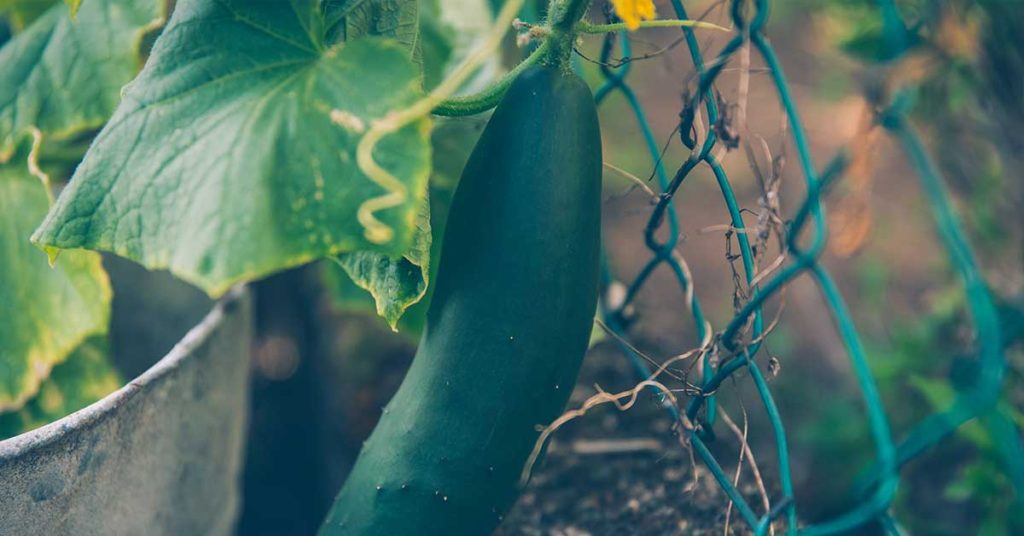
Dwarf cucumbers, hailing from South Asia, offer a refreshing crunch and a delightful burst of summer indoors! Unlike their sprawling outdoor relatives, these compact varieties have been bred specifically for container growing, making them an ideal choice for urban gardeners. While cucumbers in the wild can sometimes be aggressive climbers, dwarf varieties are generally well-behaved indoors, and they rarely become invasive when grown in pots. Their climbing nature means you can train them on small trellises, creating a verdant, living wall that also invites tiny beneficial insects seeking the shelter of their leafy vines.
In my own indoor garden, the excitement of watching dwarf cucumbers wind their way up a mini trellis is unmatched. They produce charming, cucumber blossoms that occasionally attract pollinators—even indoors—adding to the natural harmony of my space. The process of caring for these plants is both fun and rewarding, as each new tendril feels like a tiny testament to the resilience of nature. It’s a vibrant reminder that with the right care and environment, even a modest indoor space can burst with life and flavor!
Kale
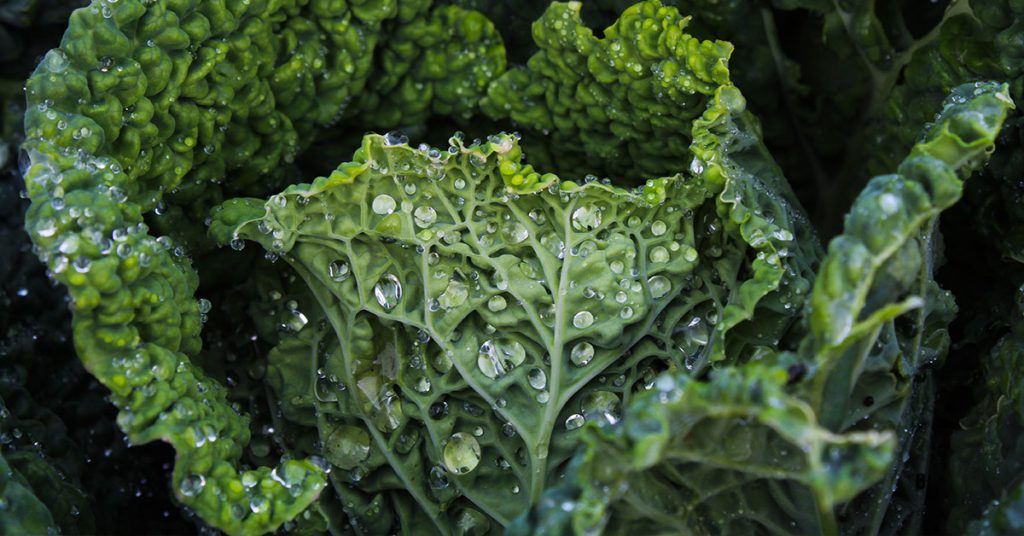
Kale, a member of the brassica family native to the eastern Mediterranean and Asia Minor, is a powerhouse of nutrients and surprisingly easy to grow indoors! Known for its hardy nature and cool-weather resilience, kale thrives in a container with ample light and regular watering. Though not invasive in an indoor setting, kale’s robust leaves can sometimes invite a host of beneficial insects that appreciate its natural form and even use the spaces between its leaves for nesting on warm days. I’ve found that its striking, deep-green foliage adds both a nutritional boost and an aesthetic appeal to any indoor garden.
I’ve often marveled at how kale manages to flourish in even the smallest of spaces. Every time I harvest a few leaves, it’s a delightful reminder of nature’s generosity and the joy of home gardening. Its crisp texture and slightly peppery taste bring a new dimension to my salads and smoothies, while its resilience keeps the indoor garden vibrant. Even on days when indoor gardening seems challenging, kale stands as a testament to the fact that a little care and the right conditions can yield spectacular, leafy rewards!
Spinach
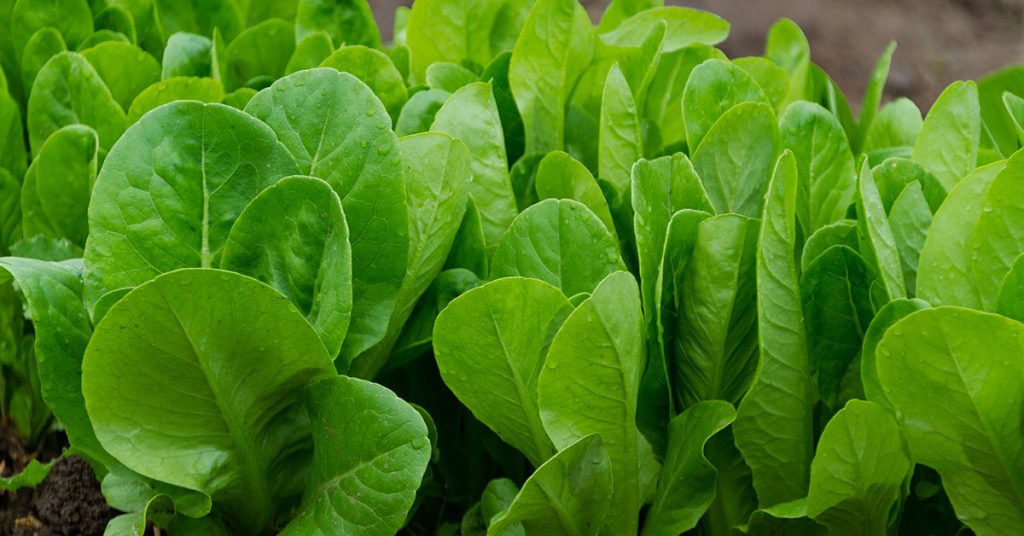
Spinach, originally native to Persia and now beloved worldwide, is a nutrient-packed vegetable that’s a breeze to grow indoors! Its tender leaves thrive in cooler indoor environments, making spinach a fantastic choice for windowsills or small garden setups. Spinach is not typically considered invasive, and its fast, spreading growth can create a lush, inviting carpet of green that attracts beneficial insects—sometimes even offering tiny nesting spots in the crinkly folds of its leaves. I’ve discovered that a steady supply of spinach not only enriches my meals but also transforms my indoor space into a refreshing green retreat.
Every time I tend to my spinach, I’m reminded of the sheer delight of watching new leaves unfurl like little flags of freshness. The cool, crisp texture of the leaves and their subtle earthy flavor make them an indispensable part of my indoor garden. And while they might not boast the dramatic flair of larger vegetables, spinach offers a quiet, consistent charm that keeps me motivated even on days when indoor gardening feels a bit challenging. It’s a testament to how even the simplest plants can bring an abundance of life and vitality to your home!
Bell Peppers
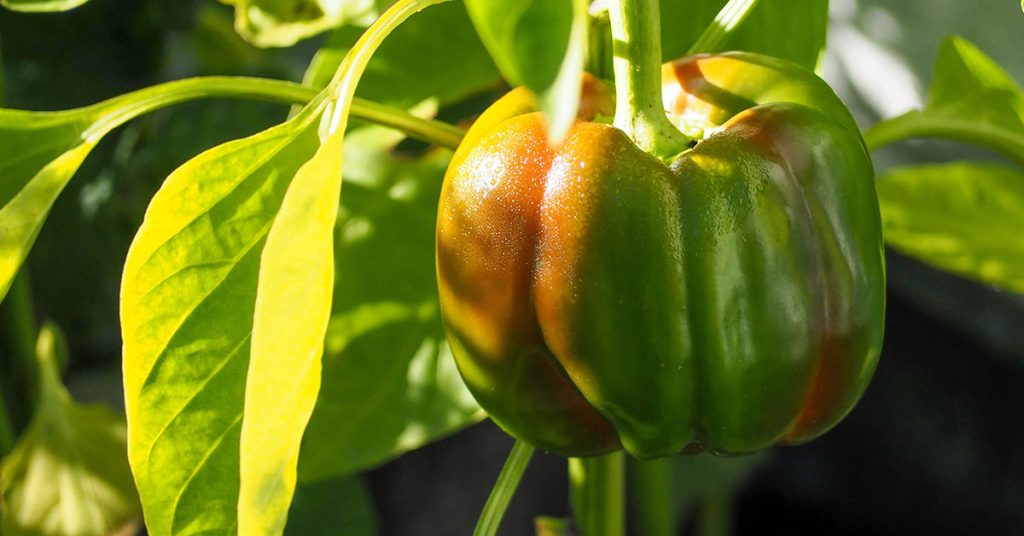
Bell peppers, native to Central and South America, are a colorful and surprisingly easy addition to an indoor garden! Their bright, glossy fruits not only add a splash of color to your space but also pack a sweet, crunchy flavor that makes them a kitchen favorite. In their natural habitat, bell peppers grow on sprawling vines that rarely become invasive, and indoors they tend to be just as manageable. I’ve found that placing them in a sunny spot and ensuring a steady temperature helps mimic their warm, tropical origins, while their foliage sometimes provides cozy hideaways for tiny beneficial critters!
It’s truly exciting to see a bell pepper plant thrive indoors, as it reminds me that with a little care, even plants from faraway lands can become part of your everyday life. Their blossoms are a delightful precursor to the fruit, and each new pepper seems to brighten not only my countertop but also my mood! Caring for bell peppers indoors has taught me the value of patience and precision, as even slight adjustments in water and light can make all the difference in nurturing these vibrant plants. They’re a celebration of nature’s diversity, right in the heart of your home!
Lettuce
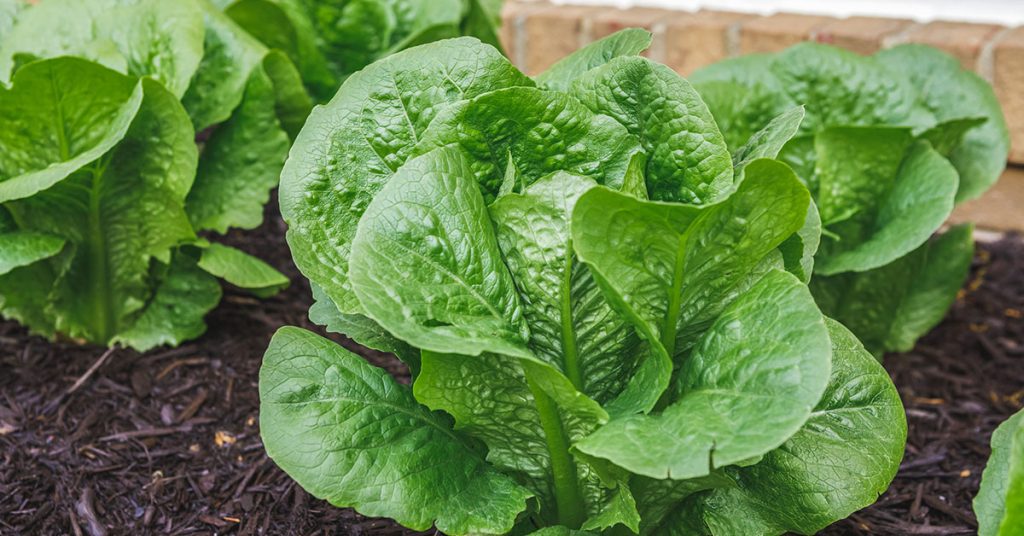
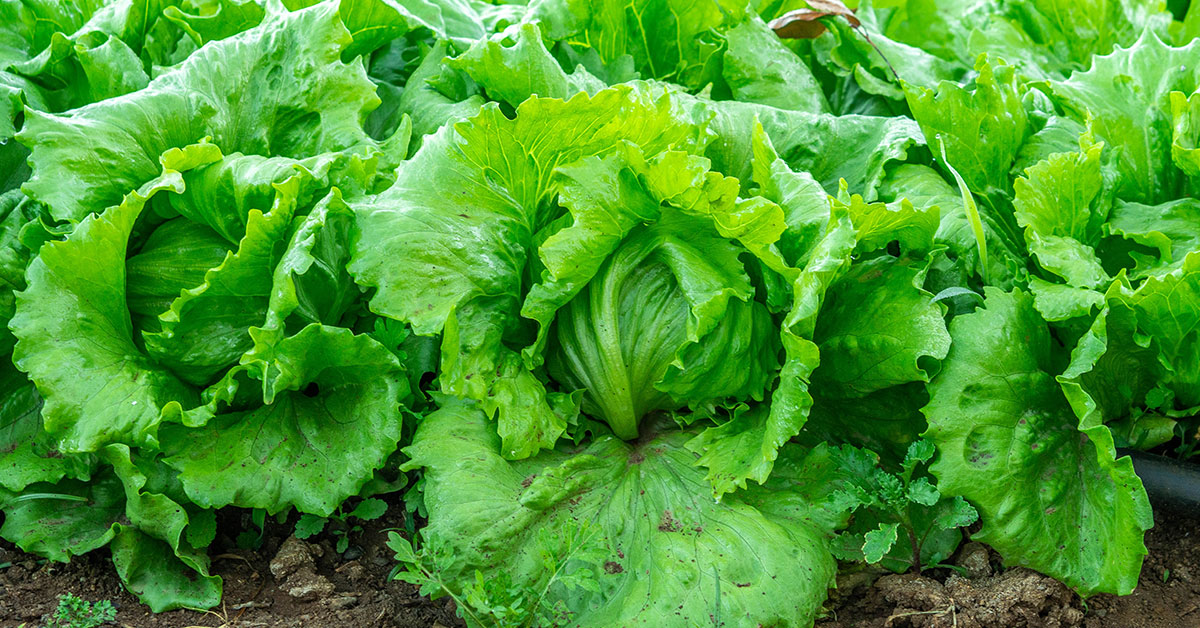
Lettuce, with its origins in the Mediterranean region, is a crisp and refreshing vegetable that lends itself wonderfully to indoor gardening! Its tender leaves flourish in cooler indoor environments and, when given the right balance of light and moisture, develop a satisfying crunch that’s perfect for salads. While lettuce is not invasive, its rapid growth in a confined space can create a lush, green patch that attracts beneficial insects eager to take advantage of the microclimate. I’ve often been charmed by the way its soft, verdant leaves seem to welcome life, even on a small kitchen windowsill!
There’s a unique joy in harvesting your own indoor lettuce—a process that’s as therapeutic as it is delicious! Each time I pluck a few leaves, I’m reminded of the vibrant cycle of growth that connects me with nature, even when I’m indoors. The simplicity and versatility of lettuce make it an ideal project for gardeners who may be battling the challenges of limited outdoor space. With every crisp bite, it’s clear that nurturing lettuce indoors isn’t just about producing food—it’s about creating a living, breathing piece of nature that brightens your day!
Green Onions
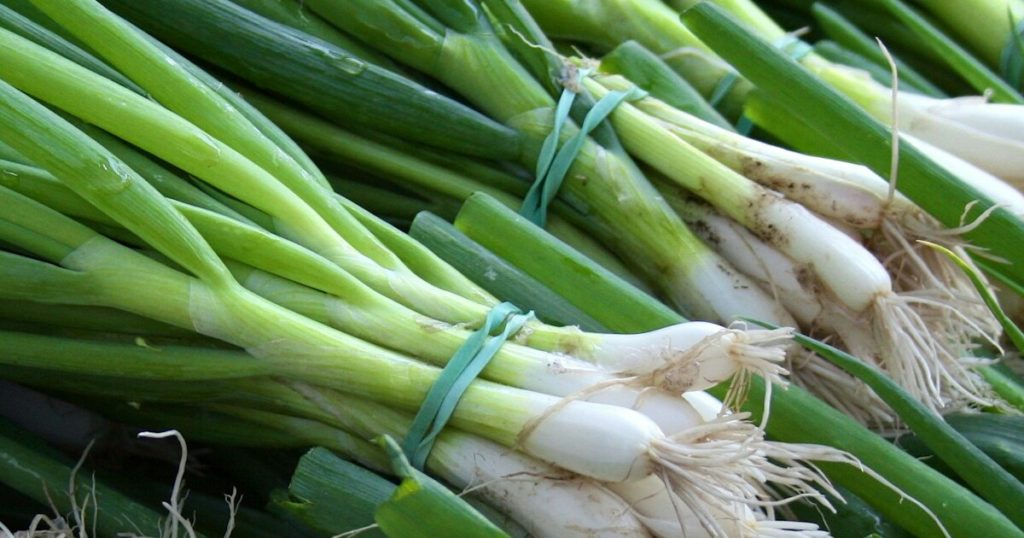
Green onions, also known as scallions, are a marvelous indoor vegetable that bring both flavor and visual appeal to your space! Native to Asia, these slender, versatile greens are renowned for their rapid regrowth and ease of cultivation. They don’t tend to be invasive, which makes them perfect for container gardening, and their delicate shoots create a natural charm that sometimes attracts tiny beneficial insects looking for a cozy spot to nest. I’ve often enjoyed the satisfying experience of snipping off a few leaves and watching them quickly regrow, adding an element of self-sustainability to my kitchen garden.
There’s something incredibly gratifying about the simplicity of growing green onions indoors. Their subtle, fresh aroma enhances any dish, while the ease of care means even novice gardeners can enjoy the rewards without fuss. Every time I see those vibrant green shoots sprouting up in a small glass of water on my countertop, I’m reminded of the magic that happens when nature and nurture meet. It’s a gentle, ongoing celebration of growth that keeps your indoor space lively and deliciously fragrant!
Microgreens

Microgreens are the little powerhouses of the vegetable world and are astonishingly easy to grow indoors! These tiny, nutrient-packed greens can include varieties like pea shoots, broccoli, or sunflower, each with a distinct flavor profile and a rich native history from various parts of the world. While microgreens are not invasive due to their small scale and short growth cycle, their rapid sprouting creates a miniature ecosystem that attracts beneficial microfauna, and sometimes even tiny insects that enjoy the sheltered, moist environment. I’ve found that growing microgreens is not only incredibly satisfying but also a fun way to add a burst of color and flavor to any dish!
The joy of harvesting microgreens is truly unmatched—each handful feels like a fresh, flavorful celebration of nature’s bounty! I love the way they transform a simple tray of seeds into a vibrant garden in just days, and how they bring a subtle, yet distinct taste that elevates my meals. Their quick turnaround time makes them an excellent choice for busy gardeners who want immediate results, and the process itself is a gentle reminder of how small things can grow into something truly magnificent. With microgreens, every little sprout is a delightful peek into the wonders of indoor gardening!