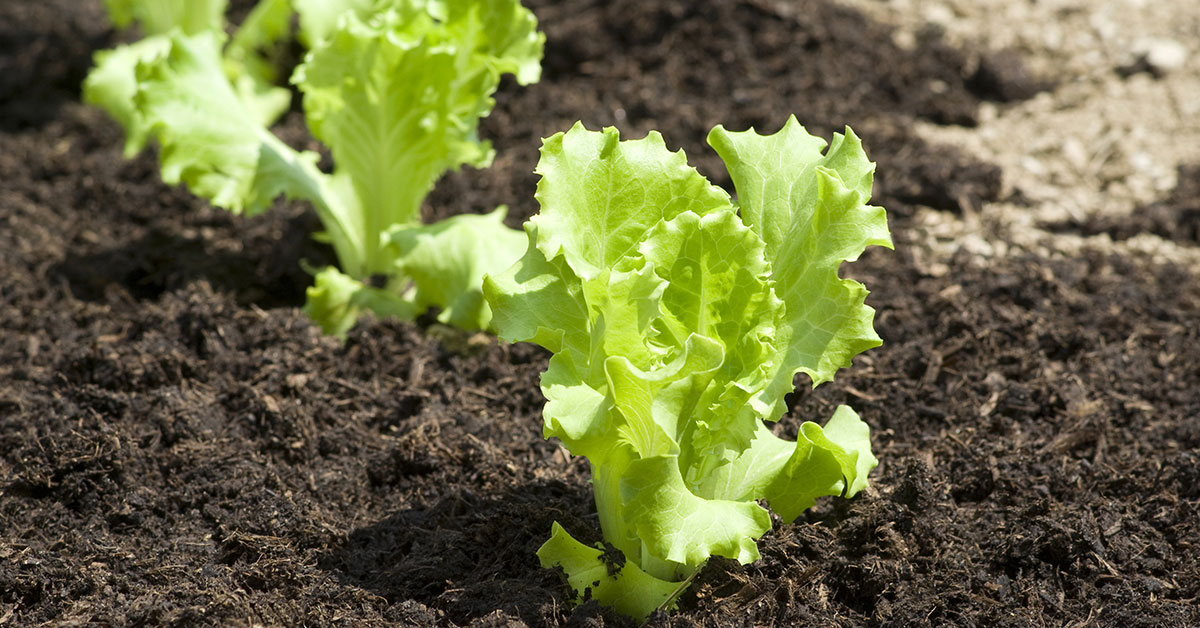

June is an exciting month for gardeners as it marks the beginning of the summer harvest season. After months of planting and nurturing, it’s finally time to enjoy the fruits (and vegetables) of your labor. There’s nothing quite like stepping into your garden and picking fresh, homegrown produce to enjoy in your meals. Whether you’re an experienced gardener or just starting, knowing which vegetables are ready for harvest in June can help you make the most of your garden.
In this article, I’ll share ten vegetables that are typically ready for harvest in June. I’ll provide tips on how to harvest them and keep them producing throughout the season. There’s nothing more satisfying than harvesting your own vegetables, and with these tips, you’ll ensure a bountiful and continuous supply. Let’s dive into these June harvest stars and see how you can enjoy them to the fullest!
Radishes
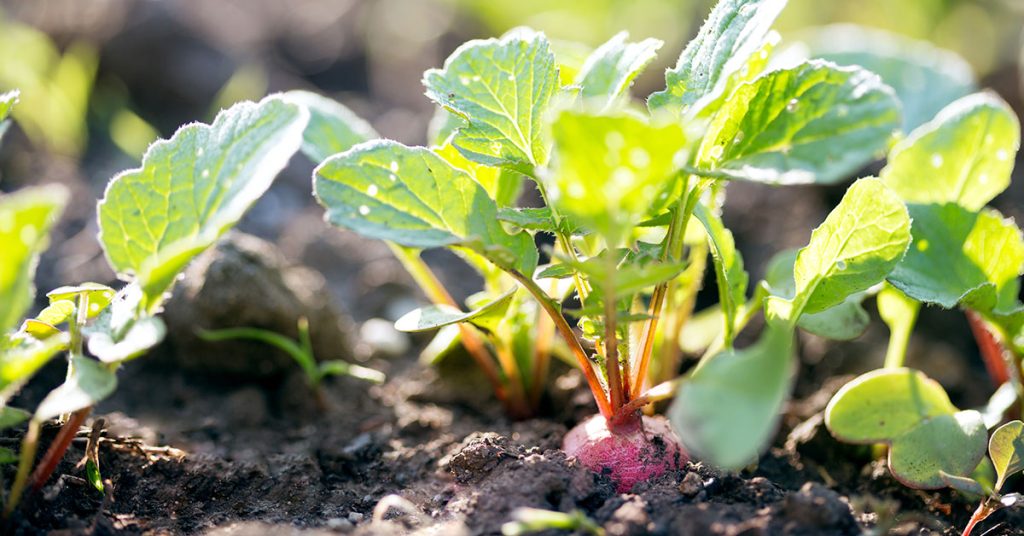
Radishes are one of the quickest vegetables to mature, often ready to harvest just 3 to 4 weeks after planting. They are perfect for early summer salads and add a delightful crunch with a peppery kick. To harvest radishes, gently pull them from the soil when the roots are about 1 inch in diameter. If you leave them in the ground too long, they can become woody and bitter.
To keep radishes producing, sow seeds every two weeks throughout the summer. This succession planting will ensure a continuous harvest. Radishes thrive in well-drained soil and full sun but can tolerate partial shade. Water consistently to keep the soil moist, which will help produce tender and flavorful roots.
Lettuce
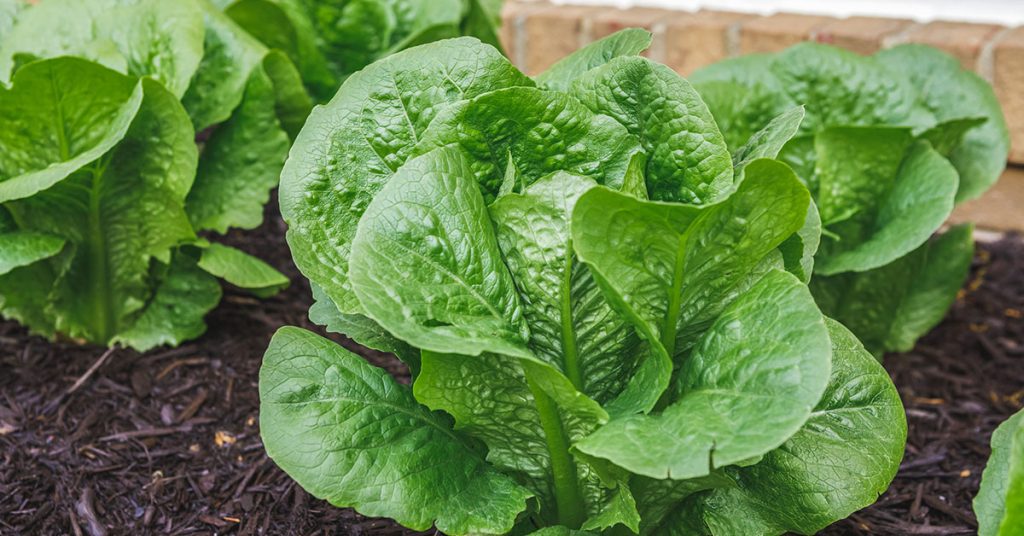
Lettuce is another vegetable that’s ready for harvest in June. Depending on the variety, you can start picking leaves within 30 to 45 days of planting. To harvest lettuce, you can either pick the outer leaves as needed or cut the entire plant about an inch above the soil. This cut-and-come-again method allows the plant to regrow and provide multiple harvests.
To keep lettuce producing, plant seeds every few weeks to ensure a steady supply. Lettuce prefers cooler weather, so plant it in partial shade during the hot summer months to prevent bolting. Regular watering is essential to keep the leaves tender and crisp. With proper care, you can enjoy fresh lettuce all season long!
Spinach
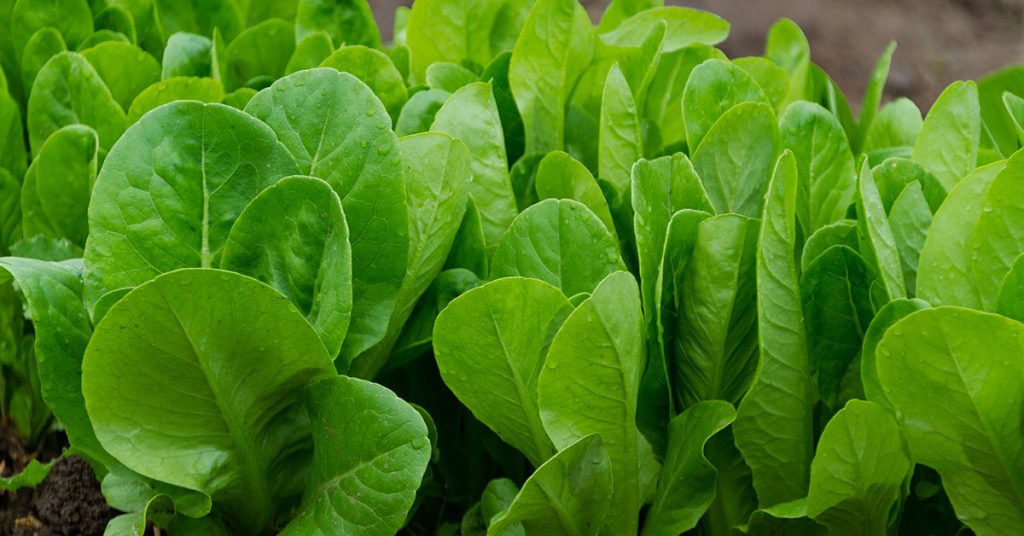
Spinach is a nutrient-dense leafy green that’s ready for harvest in June. It matures quickly, usually within 4 to 6 weeks. To harvest spinach, pick the outer leaves first, allowing the inner leaves to continue growing. You can also cut the entire plant about an inch above the soil to encourage regrowth.
To keep spinach producing, sow seeds every few weeks. Spinach thrives in cooler weather, so provide some shade during the hot summer months to prevent bolting. Regular watering is crucial to keep the leaves tender and flavorful. Spinach is a versatile green that can be used in salads, smoothies, and cooked dishes, making it a must-have in your garden.
Green Beans
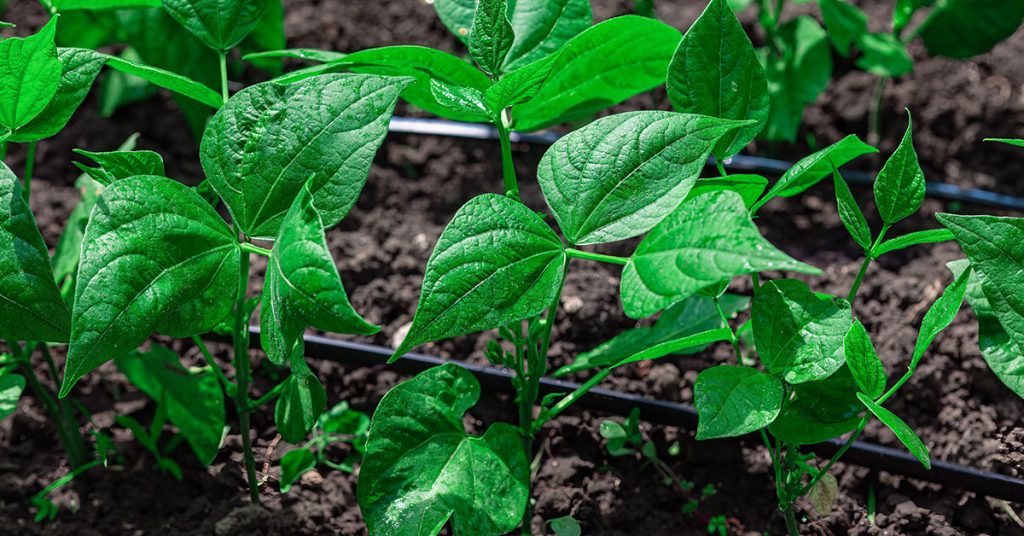
Green beans are a delightful and productive vegetable that’s ready for harvest in June. Bush beans mature quickly, often within 50 to 60 days, while pole beans take a bit longer. To harvest green beans, pick them when they are about 4 to 6 inches long and still tender. Regular picking encourages the plants to produce more beans.
To keep green beans producing, plant seeds every few weeks and ensure they receive plenty of sunlight. Water regularly to keep the soil consistently moist, but avoid getting the foliage wet to prevent disease. Green beans are perfect for fresh eating, canning, and freezing, making them a versatile addition to your garden.
Peas
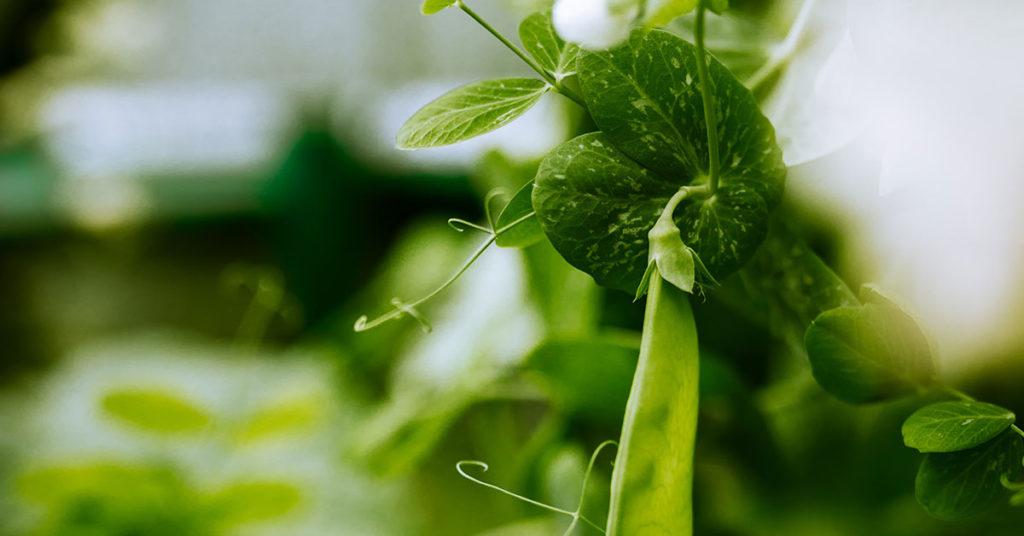
Peas are another cool-season crop that’s ready for harvest in June. Garden peas, snap peas, and snow peas all mature within 60 to 70 days. To harvest peas, pick them when the pods are full and the peas inside are fully developed. For snap and snow peas, harvest when the pods are still tender and before the seeds inside fully mature.
To keep peas producing, plant seeds every few weeks and provide support for the climbing varieties. Peas prefer cooler weather and can benefit from some shade during hot summer days. Regular watering is essential to keep the plants healthy and productive. Peas are delicious fresh, in salads, or cooked in various dishes.
Zucchini
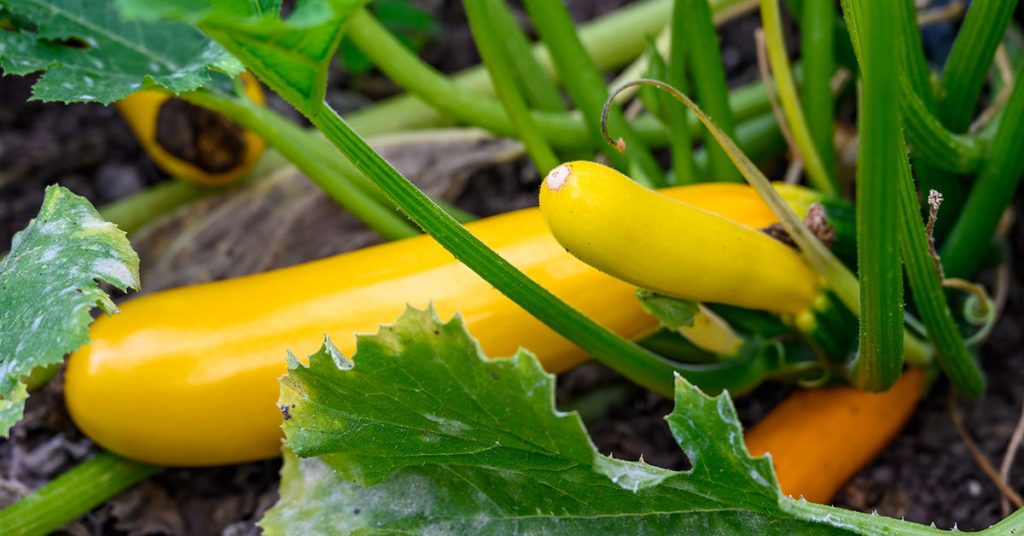
Zucchini is a prolific vegetable that starts producing in June and continues throughout the summer. You can begin harvesting zucchini when the fruits are about 6 to 8 inches long for the best flavor and texture. Regular harvesting encourages the plant to produce more fruit.
To keep zucchini producing, plant seeds in well-drained soil with plenty of sunlight. Water consistently to keep the soil moist and mulch around the plants to retain moisture and suppress weeds. Zucchini plants are known for their rapid growth and abundant yields, so be prepared for a bountiful harvest!
Carrots
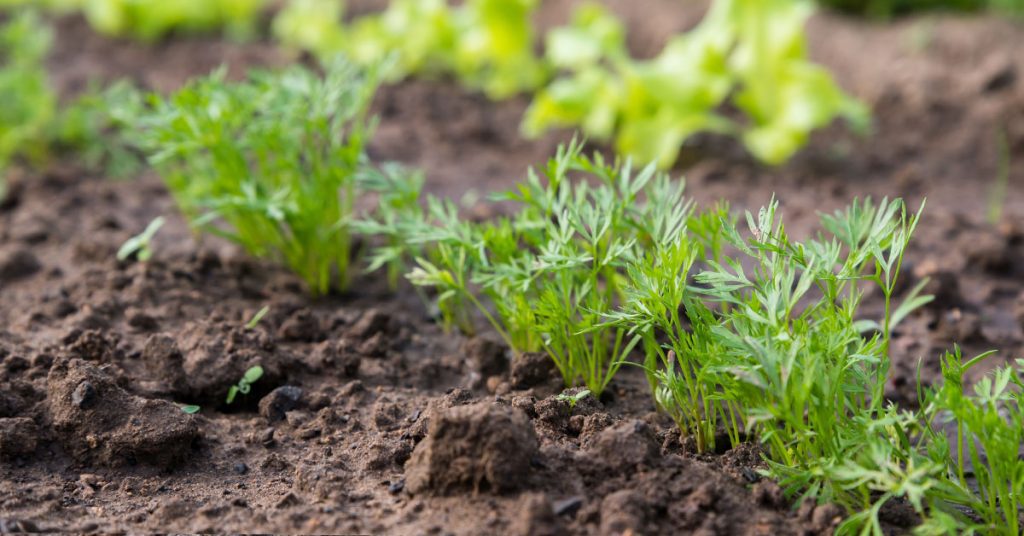
Carrots are a root vegetable that’s ready for harvest in June, especially if planted early in the spring. They take about 70 to 80 days to mature. To harvest carrots, gently pull them from the soil when they reach the desired size, usually about 1/2 to 1 inch in diameter.
To keep carrots producing, plant seeds every few weeks. Carrots prefer well-drained, sandy soil and full sun. Regular watering is essential to prevent the roots from becoming tough and bitter. Carrots are perfect for snacking, salads, and cooking, making them a versatile and healthy addition to your garden.
Beets
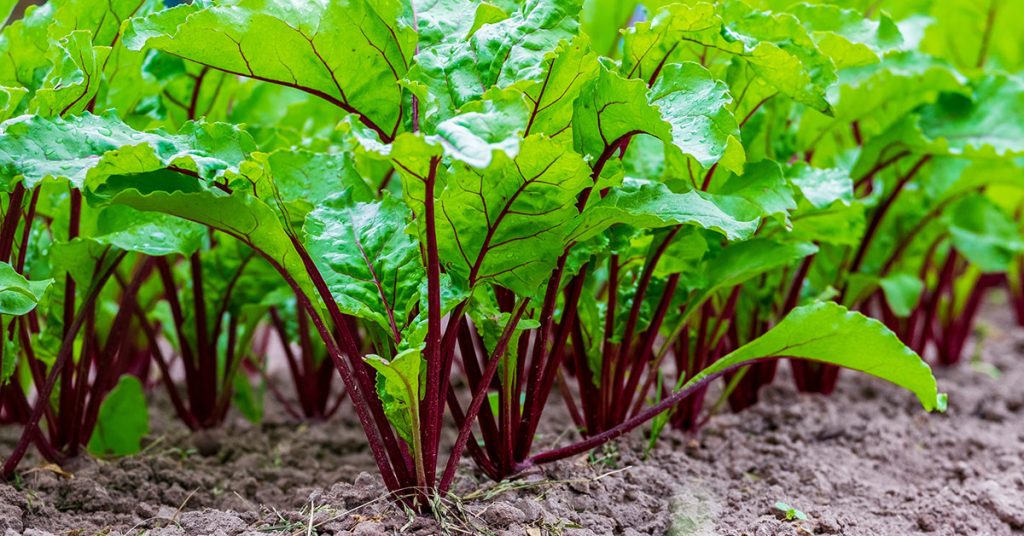
Beets are a nutritious and versatile vegetable that’s ready for harvest in June. They mature in about 50 to 70 days. To harvest beets, gently pull them from the soil when the roots are about 1 to 3 inches in diameter. You can also harvest the leaves for salads and cooking.
To keep beets producing, plant seeds every few weeks. Beets prefer well-drained soil and full sun to partial shade. Regular watering is essential to keep the roots tender and flavorful. Beets are great for roasting, pickling, and adding to salads, making them a valuable addition to your garden.
Swiss Chard
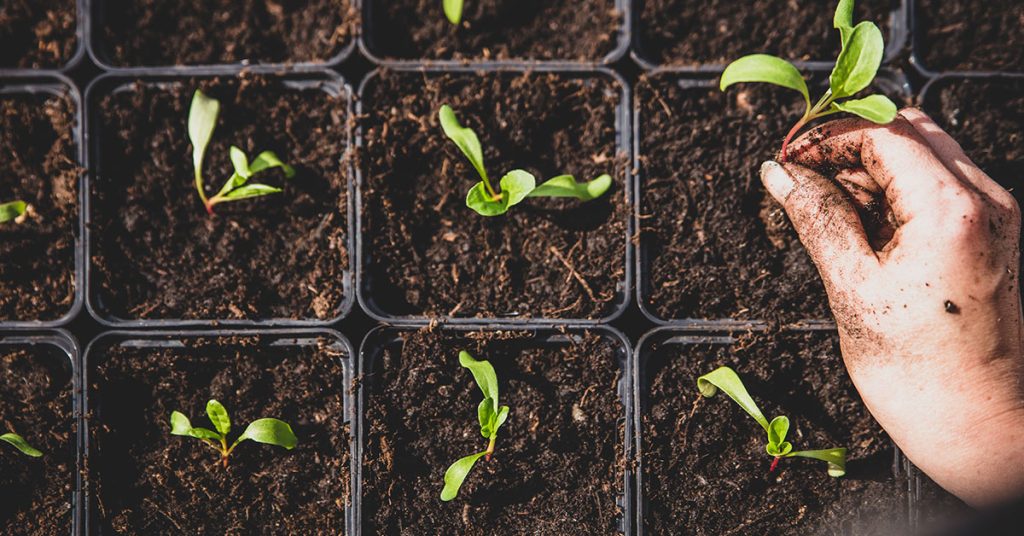
Swiss chard is a hardy leafy green that’s ready for harvest in June. It matures in about 50 to 60 days. To harvest Swiss chard, pick the outer leaves first, allowing the inner leaves to continue growing. This cut-and-come-again method encourages continuous production.
To keep Swiss chard producing, plant seeds every few weeks and ensure they receive plenty of sunlight. Water regularly to keep the soil moist and mulch around the plants to retain moisture. Swiss chard is versatile and can be used in salads, soups, and sautéed dishes, adding a nutritious and colorful element to your meals.
Cucumbers
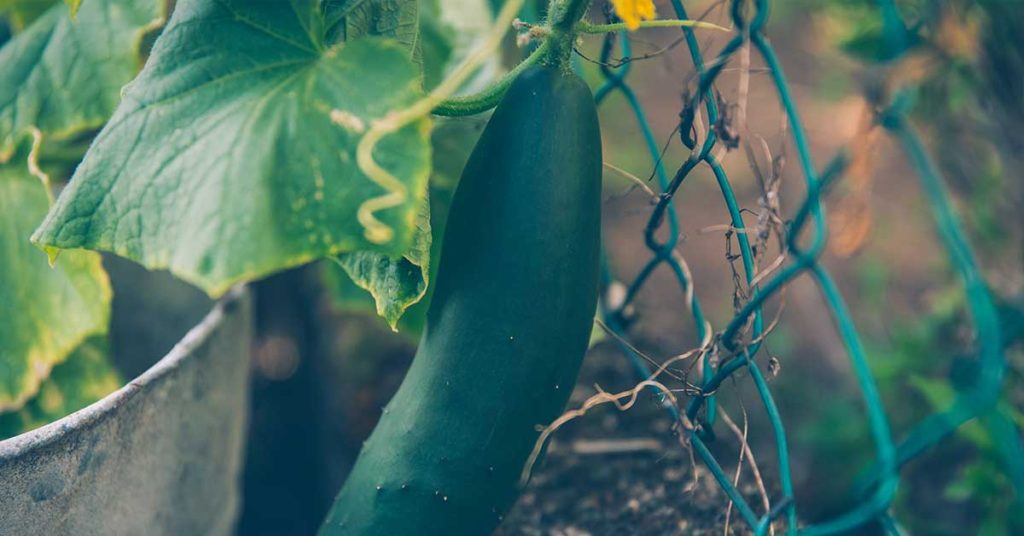
Cucumbers are a refreshing and productive vegetable that’s ready for harvest in June. They mature in about 50 to 70 days. To harvest cucumbers, pick them when they are about 6 to 8 inches long for slicing varieties or 2 to 4 inches long for pickling varieties. Regular harvesting encourages the plant to produce more fruit.
To keep cucumbers producing, plant seeds in well-drained soil with plenty of sunlight. Water consistently to keep the soil moist and mulch around the plants to retain moisture and suppress weeds. Cucumbers are perfect for salads, sandwiches, and pickling, making them a versatile addition to your garden.
June is a fantastic time to enjoy the fruits of your gardening efforts. By knowing which vegetables are ready for harvest and how to keep them producing, you can enjoy a bountiful and continuous supply of fresh, homegrown produce throughout the summer.