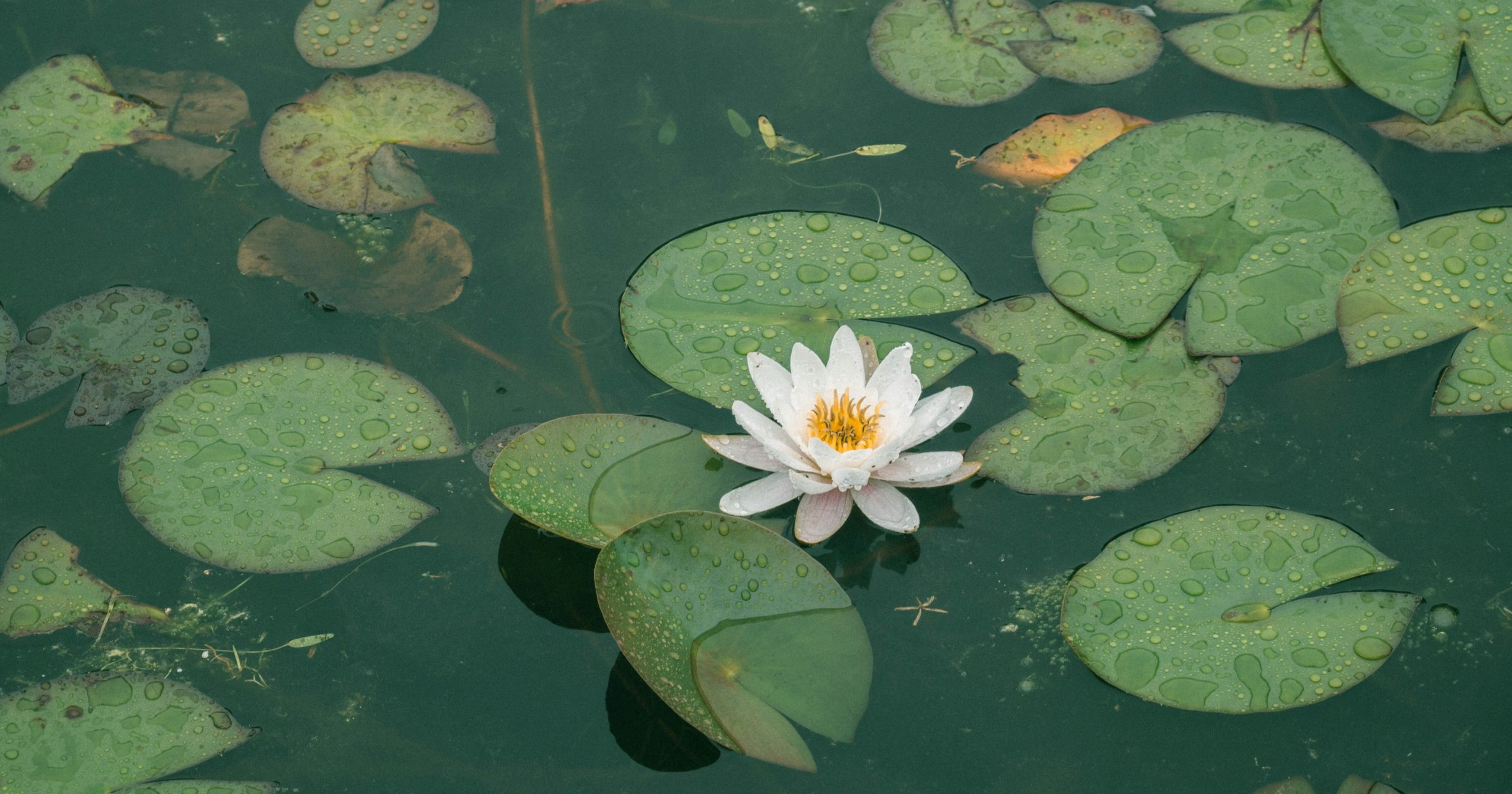

There’s something magical about a garden pond in the fall—the way the surface reflects golden leaves, the quiet hum of late-season insects, and the darting movements of fish as they sense the season shifting. But while autumn ponds can be breathtaking, they also require special care to keep them healthy through the colder months. I know how disappointing it can be to step outside in spring and find murky water, unhealthy plants, or worse, sick fish simply because the pond wasn’t prepped in time. A little effort now can save you a lot of trouble later and make sure your pond emerges in the spring just as beautiful as it is now.
Whether your pond is a small backyard water feature or a sprawling koi habitat, preparing it for fall is about more than just cleaning—it’s about protecting the plants, wildlife, and ecosystem it supports. Water lilies, marginal plants, frogs, and dragonflies all depend on a stable environment to survive the winter. Even pollinators benefit from late-blooming aquatic plants! With the right steps, you can create a safe and thriving habitat that weathers the cold and bursts back to life when warm weather returns.
Skim Away Fallen Leaves Regularly
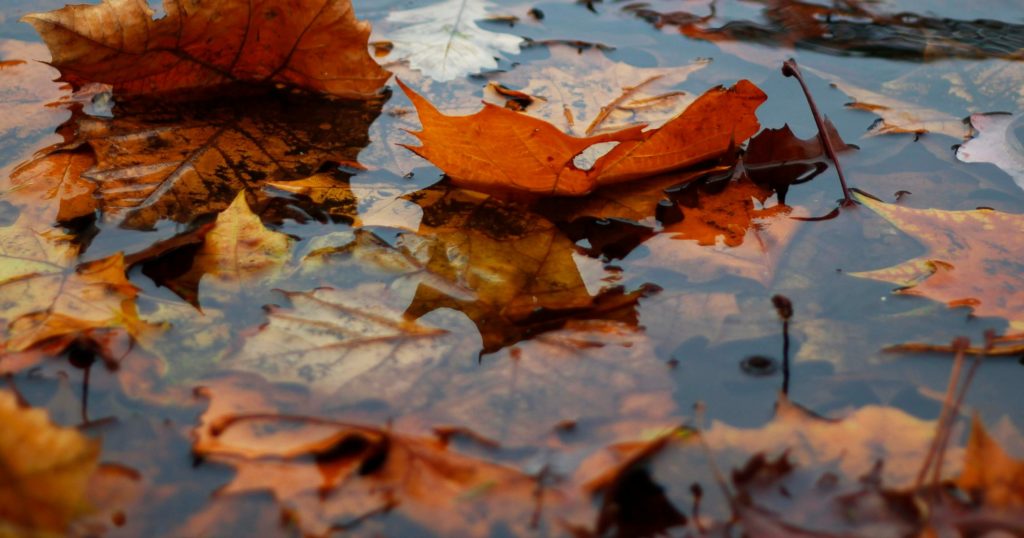
One of the simplest but most important tasks is keeping leaves out of the pond. Decaying leaves release tannins and gases that can upset the water’s balance and harm fish or plant life. In autumn, when leaves drop quickly, it’s easy for them to build up and sink to the bottom, creating sludge that’s a headache to clean in spring.
A long-handled net is your best friend here, allowing you to scoop leaves daily or every few days. I’ve found that even ponds surrounded by evergreens can still collect debris from wind-blown leaves, so no pond is truly exempt from this task. Removing them promptly helps maintain clear water and a healthier environment for fish and aquatic insects.
Install a Pond Net Before Peak Leaf Drop

For ponds surrounded by trees, adding a pond net is a game-changer. This barrier catches falling leaves before they hit the water, making cleanup far easier. The best time to install it is just before peak leaf fall, so you’re ahead of the seasonal mess. Secure it tightly at the edges to prevent gaps where leaves could sneak through.
Choose a fine mesh that won’t trap small frogs or dragonflies, and make sure to remove the net after most leaves have fallen to avoid sagging or damage. By preventing excess organic matter from entering the pond, you also reduce the risk of algae blooms when temperatures warm up again.
Prune Back Dying Aquatic Plants
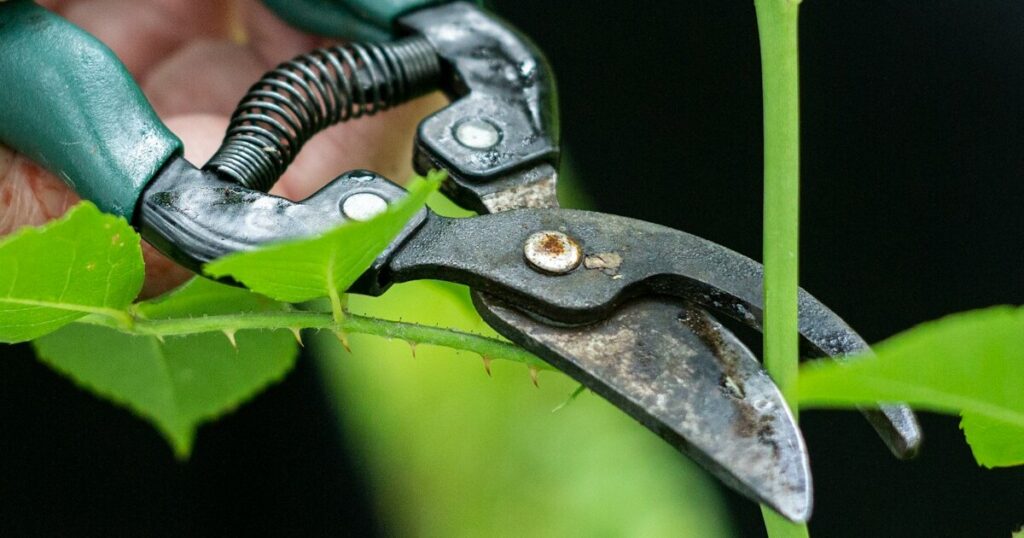
Aquatic plants, like hardy water lilies and cattails, often start to die back in fall. If these plants aren’t trimmed, their decaying material will contribute to poor water quality. Cut back yellowing foliage to just above the crown for submerged plants or to a few inches above the waterline for marginals.
Many aquatic plants, such as pickerelweed and arrowhead (both native to North America), can overwinter in the pond if properly maintained. Keeping them tidy not only benefits water clarity but also helps maintain a habitat for overwintering insects and small pond creatures without inviting rot.
Relocate Tender Plants Indoors
Some aquatic plants, especially tropical varieties like water hyacinth or water lettuce, won’t survive cold temperatures. Before the first frost, remove them from the pond and move them to indoor containers with good lighting. These floating plants, native to warmer regions, can be beautiful but are considered invasive in many areas—never release them into natural waterways.
If you want to keep them, overwintering indoors is the safest option. This way, you can reintroduce them in spring without risking ecological harm or having to buy new plants every year.
Clean the Pond Bottom
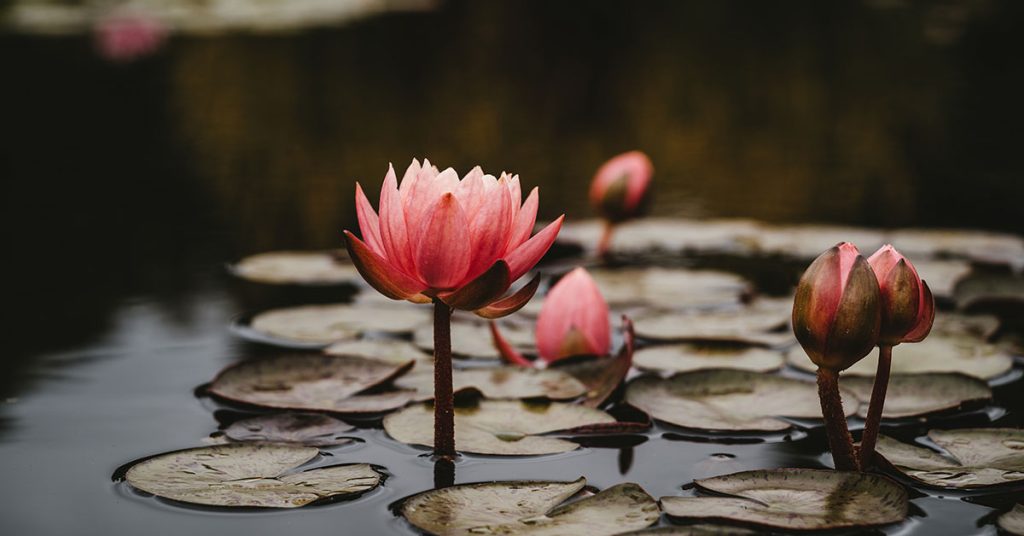
Sludge buildup at the bottom of the pond can harbor harmful bacteria and release gases during winter ice cover. In early to mid-fall, use a pond vacuum or carefully net out debris before water temperatures drop too low. The goal isn’t to strip the pond entirely—some organic material provides shelter for beneficial microorganisms—but to remove excess muck.
This cleaning also gives you a chance to check for any damage to liners or rocks that should be fixed before freezing weather sets in. Healthy, oxygen-rich water benefits everything from fish to frogs to dragonfly larvae, all of which need a stable environment through winter.
Adjust Fish Feeding Habits

As water temperatures drop, fish metabolism slows. Continuing to feed them high-protein summer food can lead to digestive issues. Switch to a wheat germ-based formula that’s easier to digest in cooler water, and reduce feeding frequency as temperatures near 50°F (10°C).
Overfeeding in fall can also lead to uneaten food decaying in the water, increasing ammonia levels and polluting the pond. Keeping their diet appropriate ensures fish go into winter healthy and less stressed, ready to thrive in spring.
Maintain Proper Aeration

Even as plants slow their growth, oxygen levels in the pond are important. In fall, cooler water holds oxygen better, but if you have fish or a lot of organic matter, aeration is still essential. Use an air pump or fountain to keep water circulating and prevent stagnant areas.
Aeration also helps maintain open water in winter, which is crucial for allowing harmful gases to escape if your pond ices over. This simple step can mean the difference between fish survival and loss during a hard freeze.
Protect Pond Wildlife

Your pond is part of a larger ecosystem, and many creatures rely on it through fall and winter. Frogs, toads, and even certain insects may overwinter in the mud at the bottom or in surrounding vegetation. Avoid deep cleanings that disturb these animals late in the season.
Leaving some plant cover at the edges can provide shelter while still keeping the pond tidy. If you’re lucky enough to have dragonfly larvae or native snails, you’ll be helping sustain beneficial species that keep pond pests in check.
Check and Service Equipment
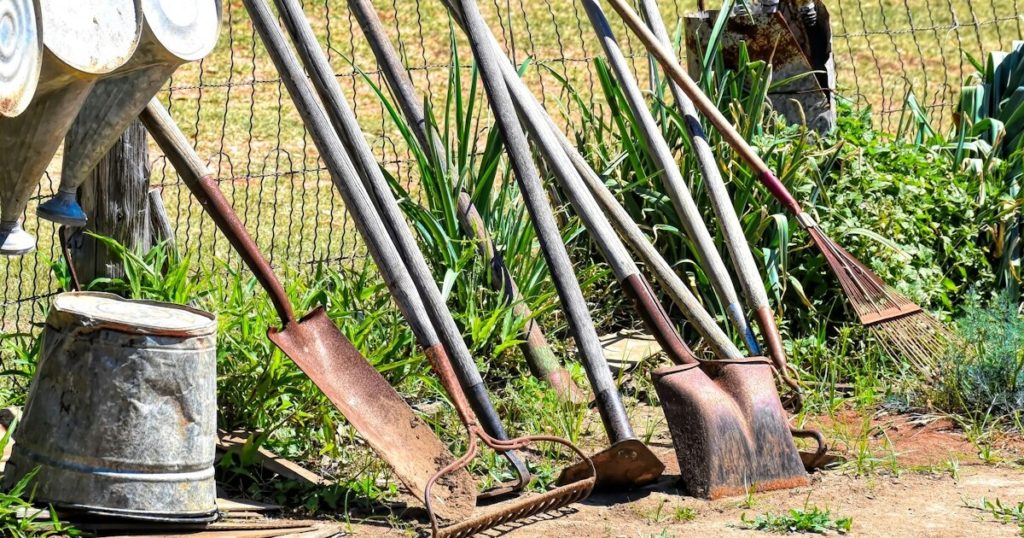
Before winter, inspect pumps, filters, and heaters for wear and tear. Clean filters thoroughly and decide whether to leave equipment running or store it indoors, depending on your pond setup and climate. Removing and storing certain items can prolong their lifespan and make spring startup easier.
If you plan to leave pumps running, make sure they’re positioned to prevent freezing damage. This is also the perfect time to replace worn tubing or upgrade parts so you’re ready for the next season.
Balance the Water Chemistry
A quick water test in fall can reveal imbalances before they become bigger problems over winter. Check pH, ammonia, and nitrate levels, and make adjustments as needed with pond-safe treatments. Balanced water helps protect both plants and animals during the dormant season.
In ponds with fish, good water quality heading into winter reduces stress and disease risk when they’re at their most vulnerable. Even if your pond is mostly ornamental, clean, balanced water means a healthier, more vibrant ecosystem when everything wakes up in spring.