

Starting a lawn from seed can feel like embarking on an epic adventure—there’s that thrill of watching tiny green shoots emerge from bare earth! It’s such a bummer when seedlings fail to thrive after all your careful work, but with the right approach, you’ll be rewarded with a lush carpet of grass that feels as good underfoot as it looks. In this guide, we’ll walk through ten essential tips to set your lawn up for success, from soil preparation to first mowing.
Each tip dives deep into practical steps and the science behind them—plus a closer look at how grass interacts with wildlife, from ground-nesting insects to baby birds learning to hop among the blades. I’m excited to share these insights as a fellow gardener who’s celebrated every tiny sprout and weathered every patchy setback. Let’s get sowing!
Sow at the Right Time of Year

Timing makes all the difference when starting grass from seed. For cool-season grasses—like Kentucky bluegrass or tall fescue (both native to Eurasia and now widespread)—aim for early fall or mid-spring when soil temperatures hover between 50°F and 65°F. In these windows, seedlings avoid summer heat stress and winter freeze, giving roots time to establish. I recall planting ryegrass in September and seeing thick, carpet-like coverage by late October—it felt like magic!
Warm-season varieties—such as bermudagrass (originally from Africa) or zoysiagrass (native to Asia)—thrive when soil temps climb above 65°F, so late spring to early summer is ideal. Planting at the wrong time can leave seedlings vulnerable to drought, frost, or disease, and that’s when patchy failures happen. Align your sowing date with your grass type, and you’ll set the stage for strong, resilient turf.
Ensure Excellent Seed-to-Soil Contact

Seeds need intimate contact with soil to absorb moisture and anchor roots. After broadcasting seed, gently rake the surface so seeds nestle into the top ¼-inch of soil. Then roll the area with a lawn roller or tamp lightly with a board. I once skipped this step and ended up with seedlings floating on loose thatch—lesson learned the hard way!
Good contact also deters pests: exposed seeds attract birds and ants, while buried seeds are snug in the earth. When grass seedlings emerge, their tender roots already grip the soil, reducing wash-outs during heavy rain. Plus, close contact speeds germination, so you’ll enjoy that verdant glow sooner.
Test and Amend Your Soil First

Before sowing, perform a soil test to check pH and nutrient levels—most grasses prefer a pH between 6.0 and 7.0. If your soil is too acidic, applying lime raises pH; too alkaline, a bit of sulfur helps. Nutrient imbalances stunt seedling growth, leading to weak roots and yellowing blades. I tested my silty clay soil and discovered it needed magnesium and phosphorus adjustments—once corrected, my new grass shoots were noticeably sturdier!
Amending soil also encourages beneficial organisms. Earthworms, originally from European forests, thrive in well-balanced soils and create tunnels that improve drainage and root aeration. When you correct pH and nutrient levels, you’re not just feeding grass—you’re nurturing an entire underground ecosystem that supports healthy turf growth.
Protect Seeds from Birds and Pests

Bare, freshly seeded lawns are a paradise for hungry birds and foraging insects. To safeguard seeds, cover the area with a thin layer of straw or opt for biodegradable seed mats. I’ve found that placing bird netting or floating row covers right after sowing keeps feathered friends at bay until seedlings take root!
Small mammals like mice and insects such as ants also relish untreated seed, so monitoring for tunneling or raiding is key. By limiting access, you ensure that more seed germinates into grass rather than fueling local wildlife. Once seedlings reach about two inches tall, they’re tougher to uproot—your early protection pays off in a fuller lawn.
Prepare a Smooth, Firm Seedbed
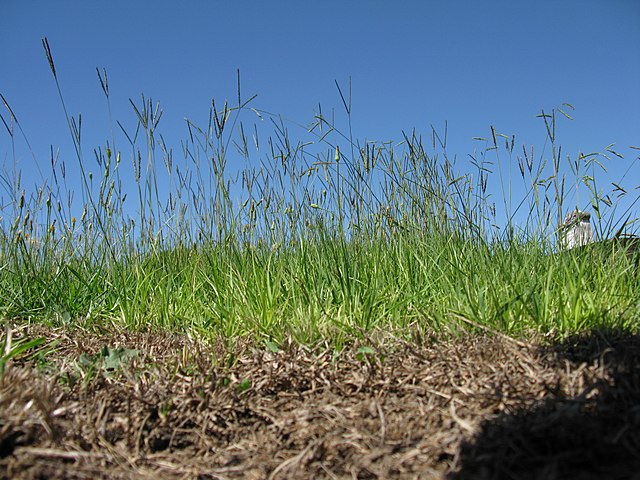
A level, fine-textured seedbed encourages uniform germination and makes mowing easier later. Start by removing rocks, roots, and debris, then use a rototiller or garden fork to loosen soil to a depth of three to four inches. Rake to break up clods and create a flat surface. I once tried seeding over an uneven bed, and my lawn turned into a bumpy patchwork—so I never skip this step now!
Firm the surface by gently walking over the area or using a roller; firm soil prevents seeds from sinking too deep, where they may starve or rot. A well-prepared seedbed also discourages erosion and compaction, giving emerging roots plenty of space to grow and anchor firmly.
Apply a Starter Fertilizer

A balanced starter fertilizer—higher in phosphorus to support root development—gives seedlings a nutrient boost during their most vulnerable stage. Look for an N-P-K ratio around 10-20-10, and apply at the recommended rate immediately after sowing. I’ve watched new grass shoots spring up faster when fed properly, like they’re getting a first-class ticket to growth!
Starter fertilizers also stimulate soil microbes that help convert organic matter into plant-available nutrients. These microbes, including beneficial bacteria and fungi, form a living support network for grass roots. Just be careful not to over-fertilize, which can burn delicate seedlings or encourage excessive top-heavy growth.
Mulch Lightly to Retain Moisture
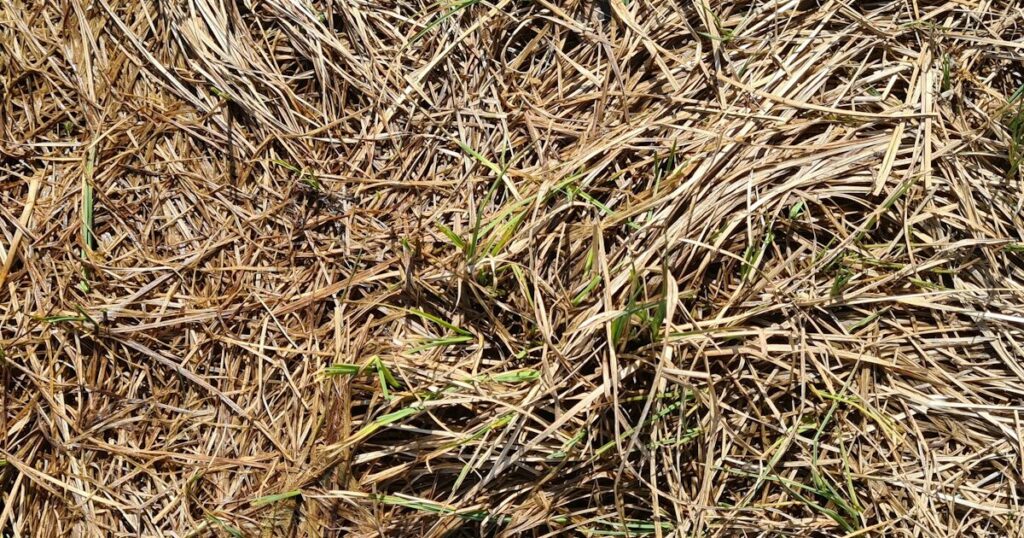
Covering your seeded area with a thin mulch—such as straw, grass clippings, or shredded leaves—helps retain soil moisture and regulate temperature. Aim for a layer that’s just thick enough to shade the seeds but thin enough to let light through. I’ve found that organic mulch not only keeps the soil damp but also slowly breaks down, adding organic matter to the seedbed!
Mulch also reduces soil crusting during heavy rains, preventing seedlings from struggling through hardened surfaces. Those tiny grass shoots need consistent moisture and soft soil—mulch keeps conditions just right. Plus, mulch can deter weeds, giving your new grass a head start without extra weeding chores.
Water with a Careful Schedule
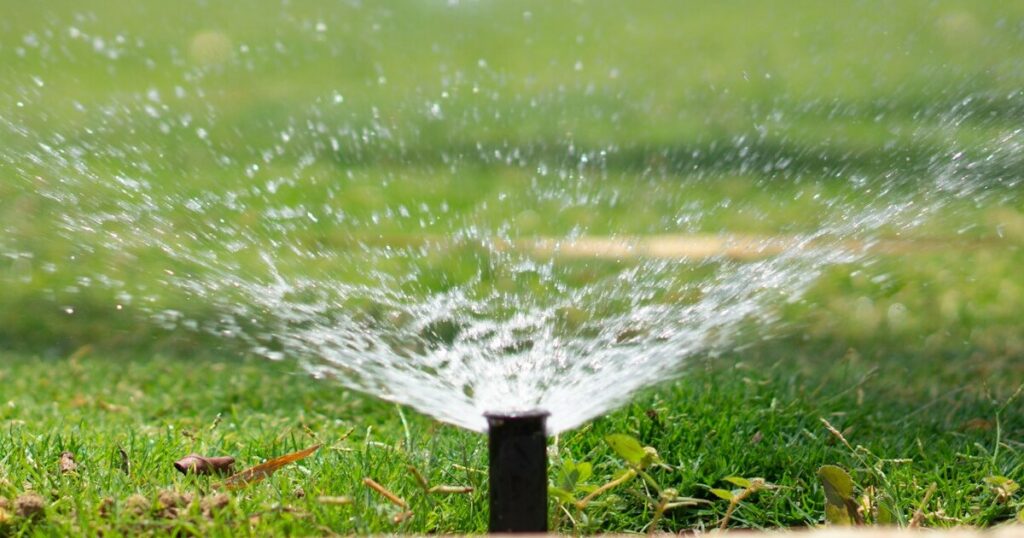
New grass seedlings demand moisture but can drown if overwatered. Mist or lightly sprinkle twice daily—morning and late afternoon—to keep the top inch of soil consistently damp. As seedlings establish (around three weeks in), gradually shift to deeper, less frequent waterings. One summer I stuck to a strict misting schedule, and my lawn looked like a green velvet carpet in no time!
Avoid watering in the evening, which can promote fungal issues. Early morning is best: water so blades dry before the heat of the day, reducing disease risk. Deep watering later on encourages roots to reach downward, building drought resilience for your young lawn.
Sow at the Recommended Rate

Applying too little seed leaves gaps, while too much leads to overcrowding, weak roots, and disease susceptibility. Always follow the seed bag’s recommended rate—typically 3–6 pounds per 1,000 square feet for cool-season mixes, and slightly less for warm-season blends. I once doubled my seed rate in hopes of faster coverage, only to find seedlings battling for space and nutrients!
Proper seeding rate ensures each grass plant has room to expand, access light, and capture resources. It also balances canopy density, preventing thatch buildup when too many blades die back at once. A well-spaced lawn looks uniform and thrives without constant thinning or patching.
Select the Right Grass Species
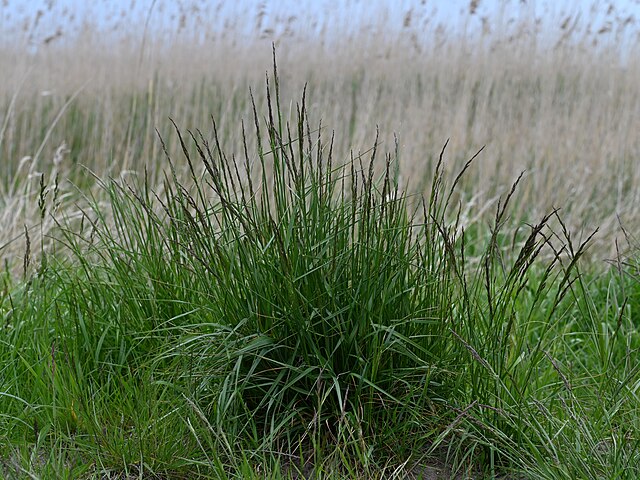
Choosing a grass type suited to your climate, soil, and sunlight is foundational. Cool-season grasses like tall fescue handle shade and cooler temperatures, while warm-season grasses such as bermuda are sun-loving and drought-tolerant. I’ve experimented with hybrid bluegrass blends in partial-shade areas and found they kept green—when single-species lawns faded under tree canopies!
Consider disease resistance and maintenance needs too. Some cultivars resist fungal diseases common in humid zones, while others tolerate foot traffic exceptionally well. Picking the right grass upfront saves headaches later—no one wants to re-seed a patchy lawn every year!
Monitor and Thin Weeds Early
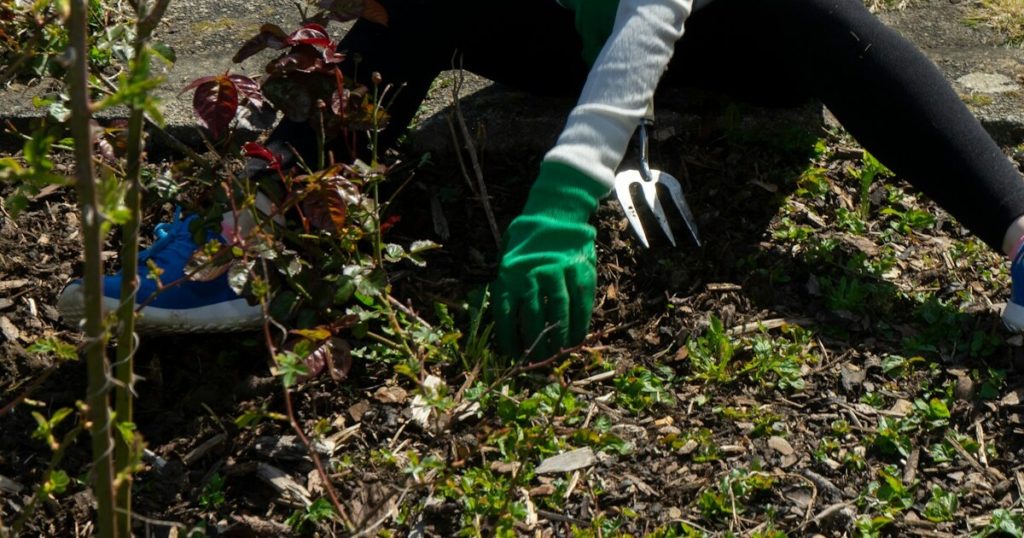
Weeds can outcompete tender grass seedlings for light, water, and nutrients. Keep an eye out for fast-growing invaders like crabgrass or chickweed, and remove them by hand while they’re small. I once lost an entire row of seedlings to creeping charlie before I noticed—hand-pulling early on prevented a repeat disaster!
Avoid harsh herbicides on new lawns; instead, rely on manual control and ensure your grass stands a fighting chance with proper care. A thick, healthy stand of grass naturally crowds out many weeds, so your early focus on cultivation pays dividends in reduced weeding down the road.
Mow Gently for the First Cut

Wait until seedlings reach at least 3 inches tall before the inaugural mow, then set the blade high (around 3 inches) and trim only the top third of blade length. Using a sharp blade ensures clean cuts that won’t shred delicate leaves. My first mow of baby grass felt like a graduation ceremony—two inches off, but the lawn looked dignified and established afterward!
Clean cuts heal faster, minimizing stress and reducing entry points for disease. Gentle mowing also encourages tillering, where each grass crown produces side shoots, resulting in a denser, more resilient turf. After that first careful trim, you’ll see runners and clumps fill in, turning your seeded lawn into a verdant wonder.