

Orchids are the divas of the plant world—elegant, exotic, and sometimes mysterious in their needs! Native to tropical and subtropical regions across Asia, the Americas, and parts of Africa, these epiphytic wonders evolved to cling to tree bark, gathering moisture and nutrients from rain, mist, and decaying leaves. In some regions—like parts of Florida and Hawaii—escaped orchids can become invasive, scrambling over native vegetation. Understanding their natural habits is the first step to recreating a slice of rainforest in your home or greenhouse.
I know how it feels when your prized Phalaenopsis or Cattleya balks at flowering or drops leaves unexpectedly—it’s such a bummer after you’ve fussed over every detail! Below are ten essential tips, in randomized order, to help you mimic an orchid’s native environment and keep your plants thriving. From humidity hacks that coax those stunning blooms to repotting techniques that respect their delicate roots, let’s dive in and give your orchids the royal treatment they deserve!
Monitor Humidity Levels

Orchids crave humidity around 50–70%, mirroring the moist air of their native rainforests. If your indoor air dips too dry—especially during winter heating—you’ll see brown leaf tips and shriveled pseudobulbs. That’s a red flag that your orchid is gasping for moisture!
Invest in a humidity tray or group orchids closely to create a microclimate, and mist the air (not the leaves) mid-morning. One of my favorite tricks is to place a shallow dish of water with pebbles beneath the pot—evaporation gently raises humidity without drenching roots. Watch how happy your new shoots look when moisture levels rise!
Choose the Right Potting Medium
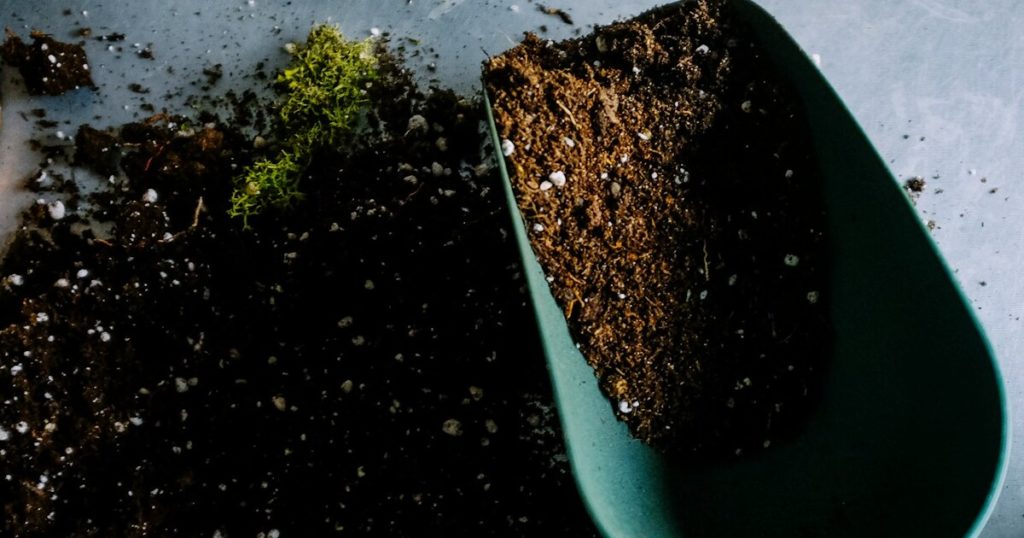
Unlike African violets or ferns, most orchids are not soil dwellers—they’re epiphytes. In nature, their roots wrap around tree limbs, clinging to bark and absorbing organic debris. Using standard potting soil will suffocate those roots and invite rot.
Opt for a chunky orchid mix of bark chips, sphagnum moss, and charcoal to provide aeration and drainage. I once rescued a languishing Phalaenopsis by repotting into fresh bark, and its roots unfurled with vigor! Healthy roots mean more blooms and fewer yellowing leaves.
Provide Bright, Indirect Light

Many orchids—like Phalaenopsis—thrive in filtered light, similar to the dappled sunshine beneath a rainforest canopy. Direct midday sun through a south-facing window can scorch leaves, while a dark corner won’t trigger flowering.
Aim for east- or west-facing windows with sheer curtains, or place grow lights about 12–18 inches above plants for 12–14 hours daily. I empathize with apartment gardeners who lack ideal windows—LED orchid lights have saved more than one bloom cycle for me!
Water Correctly and Consistently

Overwatering is the top orchid killer—roots meant to dry between rains drown in constantly wet media. Conversely, letting the mix go bone-dry stresses your plant and can cause leaf drop. In the wild, rain falls in pulses, followed by drying breezes.
Water thoroughly—ideally by submerging the pot in water for a few minutes—then allow excess to drain completely. Aim for a watering schedule of once a week in cool months and twice a week in warmer, drier periods. I know how tempting it is to check soil every day—but erring on the side of dryness prevents root rot and keeps roots plump and healthy!
Feed with Balanced Orchid Fertilizer

Orchids benefit from a weak, balanced fertilizer—typically labeled 20-20-20—applied at quarter to half strength every two weeks during the growing season. Too much nitrogen can produce leafy growth with few blooms, while phosphorus deficiency leads to weak flower spikes.
Flush the potting medium with plain water monthly to prevent salt buildup, which can scorch roots. I once saw a stunning Cymbidium sulk under salt stress—after a thorough rinse and gentle feeding, it rewarded me with a spectacular flower spike!
Encourage Proper Air Circulation

In their native habitats, orchids enjoy gentle breezes that carry moisture away from leaves and reduce fungal pressures. Stagnant indoor air can lead to black rot or powdery mildew, especially on Cattleya and Dendrobium varieties.
Position a small fan on a low setting to move air around—but avoid direct blasts that dry leaves prematurely. I’ve noticed that a light draft around my orchid bench keeps pests like scale and mealybugs at bay and makes blooms last longer!
Repot When Necessary

Most orchids need repotting every 1–2 years, when the bark medium breaks down and compacts. Compacted media holds too much water and suffocates roots. Invasive orchids in the wild will continuously seek fresh crevices; potted orchids likewise need fresh “bark homes.”
Repot after flowering, trimming away dead roots with sterile scissors and placing the plant slightly above the top of the new mix to prevent crown rot. I once delayed repotting for three years—and the plant sulked until I refreshed its home. A happy repot equals a happy bloom!
Provide Night–Day Temperature Differences
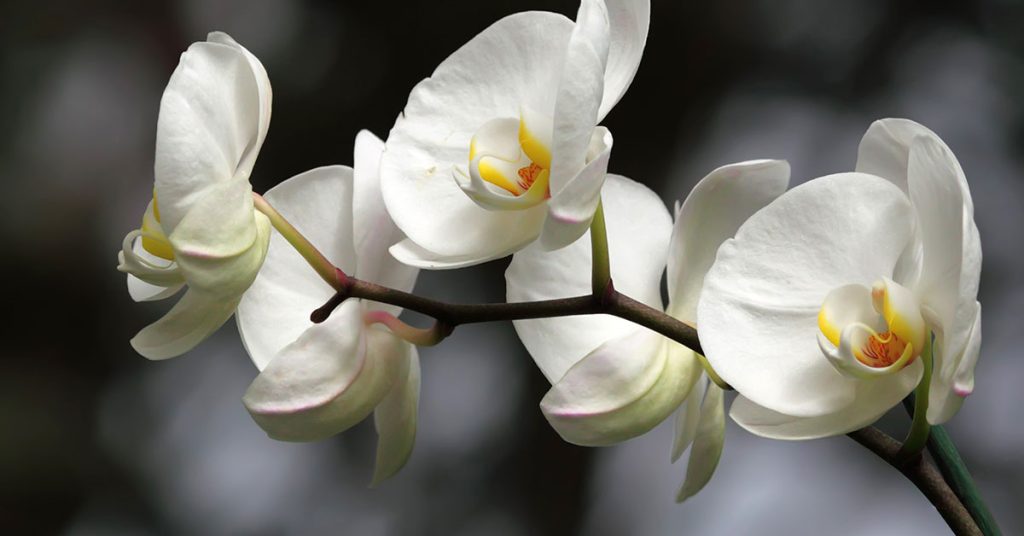
Many orchids—including Phalaenopsis and Paphiopedilum—require a 10–15°F drop in nighttime temperatures to trigger bud formation. In their native cloud forests, days are warm and nights cool, a signal to the plant that it’s time to bloom.
If your home stays uniformly warm, consider placing orchids in a cooler room at night or opening a window (if temperatures allow). I’ve timed my best Cymbidium blooms by deliberately lowering night temps—proof that a little chill can spark spectacular flower spikes!
Prune Spent Flower Spikes
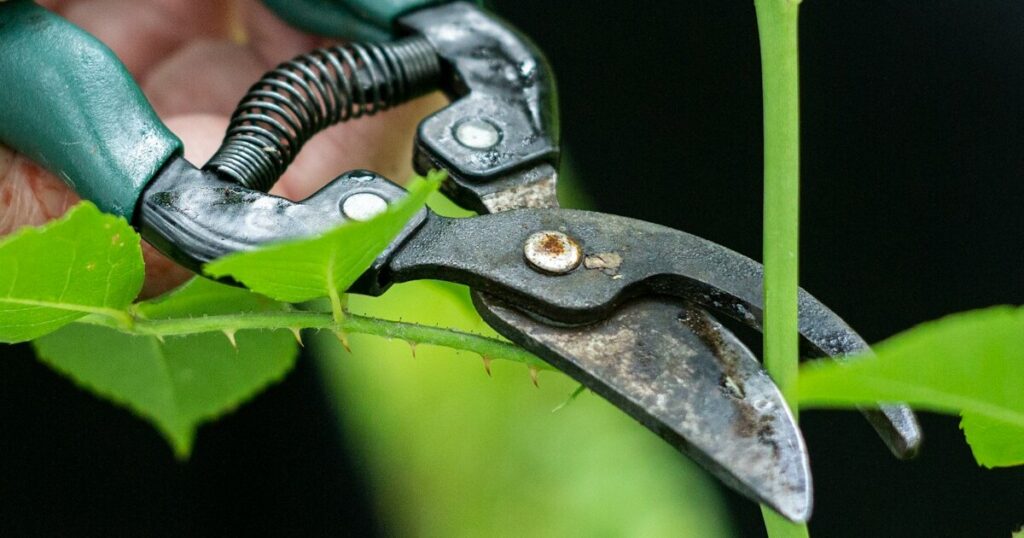
After an orchid finishes blooming, cutting back the flower spike can either encourage a second bloom (in Phalaenopsis) or direct energy to root and leaf growth (in Cattleya). Cutting too low—near the base—on a Phalaenopsis can prevent a rebloom on that spike.
For Phalaenopsis, cut just above the third node to possibly coax a new branch of blooms; for most other genera, trim the spike to the base. I know it’s hard to snip those elegant stems, but removing spent spikes tidies the plant and prepares it for its next show!
Watch for Pests and Diseases

Orchids can attract mealybugs, scale, spider mites, and fungal infections, especially in humid conditions. Invasive in tropical regions, some orchid species even harbor hidden pests in their pseudobulbs—so vigilance is key!
Inspect new arrivals and established plants weekly, checking leaf undersides and pseudobulb crevices. Wipe pests away with cotton swabs dipped in isopropyl alcohol and treat fungal spots with a fungicide labeled for orchids. After battling a mealybug siege on my Cattleya, I can’t overstate the relief of seeing clean, shiny leaves again!