

Gardening through a blistering heatwave can feel like fighting a losing battle—your once-vibrant blooms droop, tender seedlings shrivel, and even the hardiest perennials look parched. I know how discouraging it is to walk outside and see brown patches where lush greenery once thrived. But take heart! With a little strategic TLC, you can nurse your garden back to life and set the stage for an even more resilient, flourishing landscape.
One of my favorite recovery mantras is: “Don’t panic—assess and address.” First, give yourself a moment to evaluate which areas suffered most, then tackle the damage methodically. Whether you’re battling baked soil or sun-scorched foliage, these ten in-depth tips will guide you through every step of the revival process, from rebuilding your soil’s health to selecting the right plants that will bounce back stronger than ever!
Monitor Pests and Disease Early

Heat-stressed plants are like athletes running a marathon—they’re more susceptible to injury. In the aftermath of intense heat, pests such as aphids and spider mites often take advantage of weakened foliage. Make it a habit to walk your garden daily, scanning under leaves and around stems. Early detection is key—treat infestations promptly with insecticidal soaps or neem oil, and remove any heavily infested debris immediately to prevent spread.
It’s such a bummer when a secondary problem sets you back after surviving the heat! By staying vigilant, you’ll not only protect struggling plants but also give beneficial insects—like ladybugs and lacewings—a better chance to nest in your garden. These allies are native to many regions and aren’t considered invasive, so you’re supporting local biodiversity while keeping pests at bay!
Prune and Remove Dead Growth
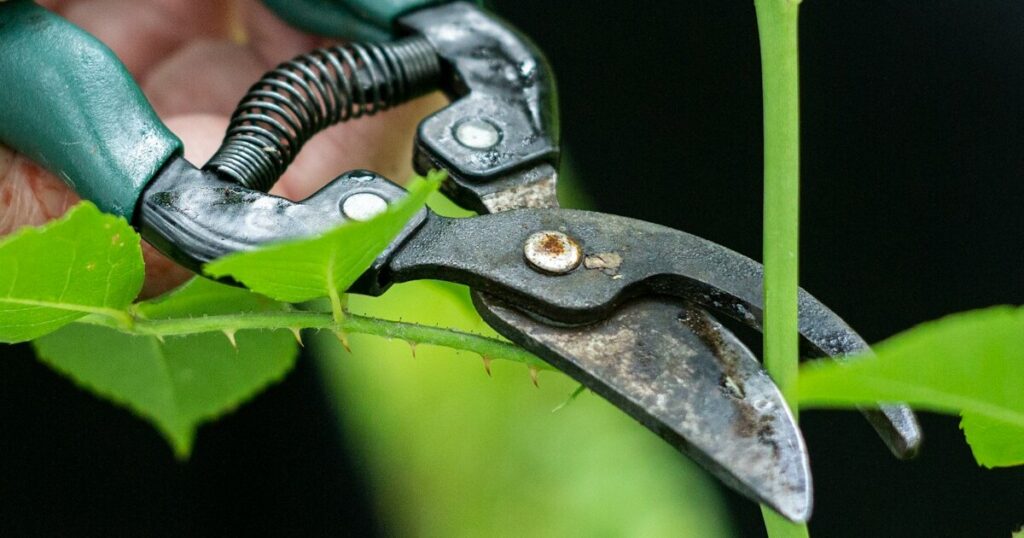
After the sun’s relentless assault, many plants develop brown, crispy leaves and dead branches. Carefully prune away all non-viable foliage, making clean cuts just above healthy buds or nodes. This helps redirect the plant’s limited energy into new growth rather than trying to sustain sun-killed tissue. I remember the relief I felt when I pruned back my hydrangeas last July—the fresh green shoots that emerged were nothing short of miraculous!
While pruning, be mindful of sanitation. Sterilize your shears between cuts to avoid the spread of disease—especially important for plants native to humid climates, which may be prone to fungal issues when stressed. And if you’re dealing with a species known to be invasive in your area, such as certain willow varieties, removing unhealthy material promptly reduces the chance of unwanted spread through cuttings or fallen branches.
Apply Organic Mulch
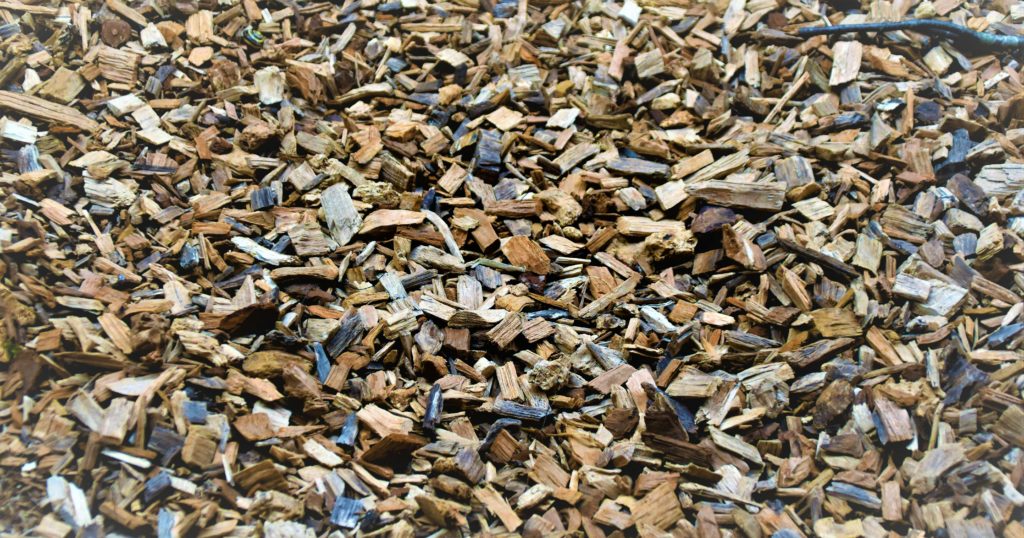
A generous layer of organic mulch—think shredded bark, straw, or leaf mold—works wonders to lock in soil moisture and insulate root systems from temperature extremes. Spread a two- to three-inch layer around the base of your plants, keeping it a few inches clear of stems to prevent rot. This simple step can transform scorched, dry soil into a cooler, water-retentive environment that plants love!
Mulch also attracts earthworms and beneficial microbes, critical players in rebuilding your soil’s health after heat damage. These little workers help aerate compacted earth and break down organic matter, improving structure and nutrient availability. Many of these organisms are native to your region and behave exactly as gardeners want—no invasiveness here, just a thriving underground community ready to support your garden’s comeback.
Deep Watering Techniques

Surface watering isn’t enough when the ground has baked under intense sun. Instead, water slowly and deeply—ideally early in the morning—using a soaker hose or drip irrigation system. This encourages roots to grow downward in search of moisture, strengthening the plant against future drought stress. One of my favorite techniques is to let a hose trickle at the base of shrubs for 20–30 minutes, ensuring moisture penetrates several inches deep!
Avoid overhead watering during the heat of the day, as wet foliage can lead to sunscald or fungal diseases. Deep, targeted hydration is more efficient and helps prevent water loss through evaporation. If you haven’t invested in a soaker hose yet, consider it—many are made from recycled materials and aren’t invasive to install or remove.
Replenish Soil Nutrients with Compost

Heatwaves can deplete essential nutrients as plants struggle to maintain cellular functions under stress. Topdress your beds with a layer of well-aged compost, gently working it into the top inch of soil. This nutrient-rich amendment releases a slow, steady feed of nitrogen, phosphorus, and potassium—exactly what recovering plants need. I always feel a surge of excitement watching new leaves unfurl after a compost boost!
Compost is teeming with beneficial bacteria and fungi native to healthy soils, which support nutrient uptake and disease resistance. Unlike some synthetic fertilizers that can leach into waterways, well-made compost poses no invasive threat—it’s a sustainable way to restore balance and vigor to your garden.
Introduce Heat-Tolerant Native Species

Once you’ve stabilized existing plants, consider adding or replacing with species naturally adapted to your climate’s extremes. Natives such as yarrow (Achillea millefolium) or purple coneflower (Echinacea purpurea) thrive in hot, dry conditions and often attract pollinators and nesting solitary bees! These plants have evolved local resilience and are not invasive, making them perfect cornerstones for a heat-hardy garden.
Plant them in clusters to create microclimates—groupings of similar water and light needs help maintain consistent soil moisture and improve overall survival. I love seeing hummingbirds flit around my yarrow in late summer; it’s such a rewarding sight after all the hard work of reviving a tired garden!
Shade and Shelter Strategies

Temporary shade can be a lifesaver for tender transplants or newly revived perennials. Use shade cloth, burlap screens, or even strategically placed umbrellas to diffuse the harsh midday sun. This buffer reduces transpiration stress and gives plants time to rebuild strength. I once rigged a simple bamboo frame covered with 50% shade cloth and was amazed at how quickly my lettuce and spinach perked up!
Shelter also benefits wildlife seeking respite—cardinals and finches often roost in the shaded canopy you create, offering delightful birdwatching opportunities while contributing droppings that enrich the soil. Just be cautious not to enclose air too tightly; good airflow prevents overheating and fungal issues.
Revive Soil Microbiome with Worm Castings

Worm castings are a powerhouse amendment, loaded with beneficial microorganisms that boost plant immunity and nutrient availability. Sprinkle a thin layer around your plants and gently water in. Within days, you’ll notice improved leaf turgor and a more vibrant green hue—signs that microbial partners are hard at work beneath the surface!
Compost worms are native to many garden soils, and introducing castings encourages local worm populations to colonize your beds. These helpful critters aren’t invasive; they aerate the earth and enhance organic matter breakdown, helping your garden recover structure and fertility after heat stress.
Gradual Acclimatization for Seedlings

If you’re starting fresh with seedlings, don’t rush them into full sun. Acclimatize new plants over a week by gradually increasing their exposure—start with morning sun only, then add afternoon light in gentle increments. This hardening-off process builds resilience in young plants’ cuticles, reducing shock and improving survival rates. I still remember the first time I forgot this step—my seedlings wilted in minutes!
Acclimatized transplants develop stronger root systems and tougher foliage, mimicking the gradual onset of natural weather patterns. By respecting their need for a slow introduction to harsh conditions, you give them the best chance at long-term success without any invasive shortcuts—just good, patient gardening.