

Planning ahead in August is the secret sauce to a bountiful fall vegetable harvest! As the summer heat begins to wane, your garden is telling you it’s time to shift gears. By taking a few simple steps now—like assessing your soil, selecting the right varieties, and laying out a clear schedule—you’ll be setting the stage for crisp, flavorful produce well into autumn. It’s such a bummer when a sudden frost or a pest outbreak derails all your hard work, so let’s nip those surprises in the bud!
I know how frustrating it is to scramble at the last minute, only to discover your spinach bolted or your kale got munched by caterpillars. That’s why I’m thrilled to share these ten planning tips, drawn from my own late-summer triumphs (and occasional mishaps!). From nurturing native pollinators to choosing varieties bred for cooler nights, each strategy will help you craft a resilient, thriving fall vegetable garden you’ll love tending.
Monitor Pests and Diseases and Plan Protective Measures
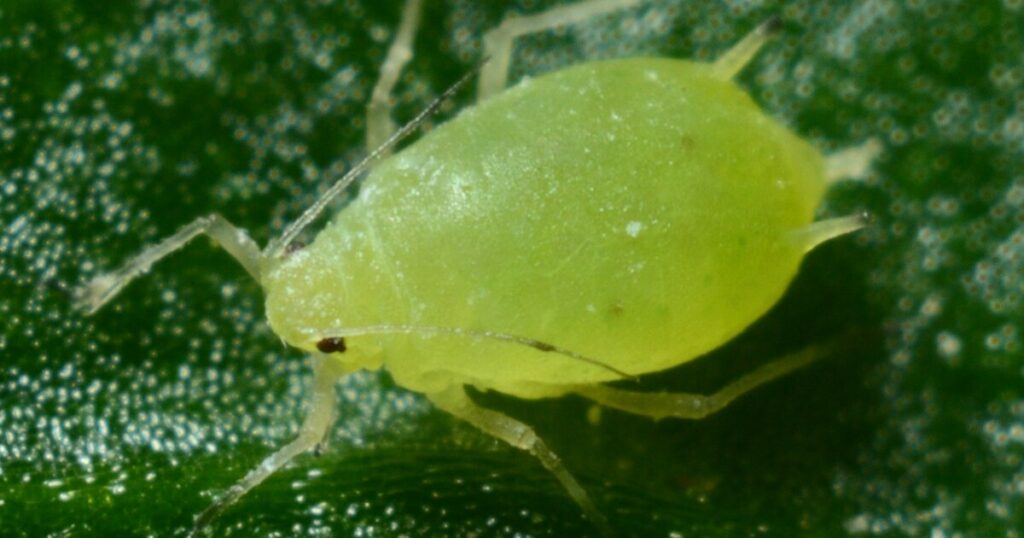
Even in fall, pests like cabbage loopers and aphids can wreak havoc on your tender vegetables. Scout your plants twice a week, checking the undersides of leaves and new growth. I often create simple homemade traps—like beer traps for slugs or sticky barriers at the base of stems—to catch invaders before they multiply. It’s so satisfying to see empty traps instead of chewed leaves! Plus, many beneficial insects such as lacewings and parasitic wasps will nest in the debris around these traps, ready to patrol your beds.
Consider lightweight row covers to shield young transplants from early frosts and insect pests. These covers also provide a nesting microclimate for solitary bees and other pollinators seeking shelter as temperatures drop. Just be sure to remove them on sunny days to let bumblebees and honeybees access any flowering cover crops or late-season blooms in your garden!
Test and Amend Your Soil for Optimal Growth

Your soil is home to countless organisms—from earthworms weaving tunnels to mycorrhizal fungi forming symbiotic relationships with plant roots. In August, grab a simple soil test kit to check pH and nutrient levels; many fall veggies prefer a slightly acidic to neutral pH (6.0–7.0). Knowing whether your soil is lacking phosphorus or rich in organic matter helps you tailor your amendments and boosts microbial activity that supports healthy plant development.
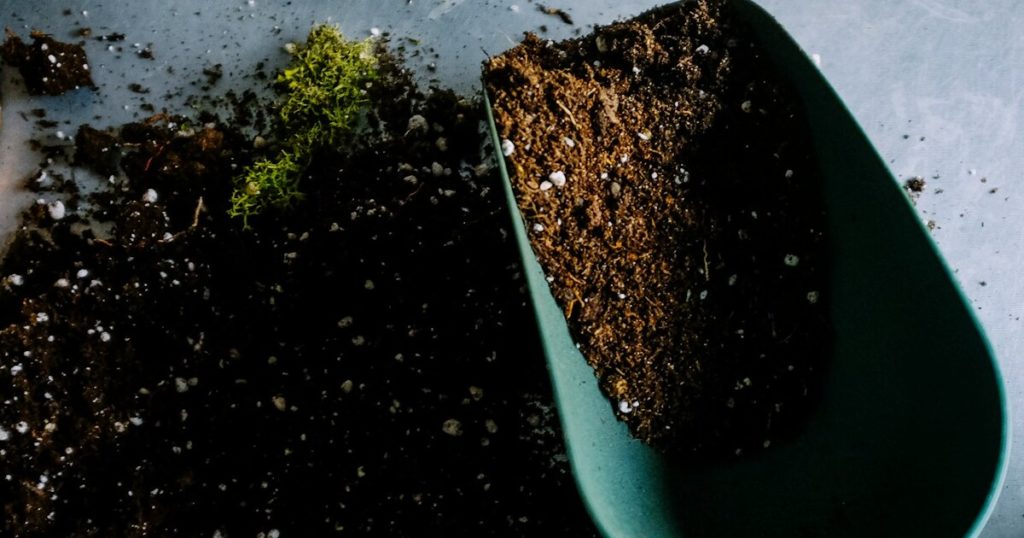
I always mix in well-aged compost or leaf mold to improve texture and water retention—especially important as daytime temperatures cool but nights remain warm. If your tests reveal low potassium, a light sprinkling of wood ash can help; just be cautious, as too much ash can push pH upward. For heavy clay soils, incorporating coarse sand or pumice breaks up compaction and encourages ground beetles to nest and feast on slugs when moisture arrives!
Implement Mulching to Regulate Temperature
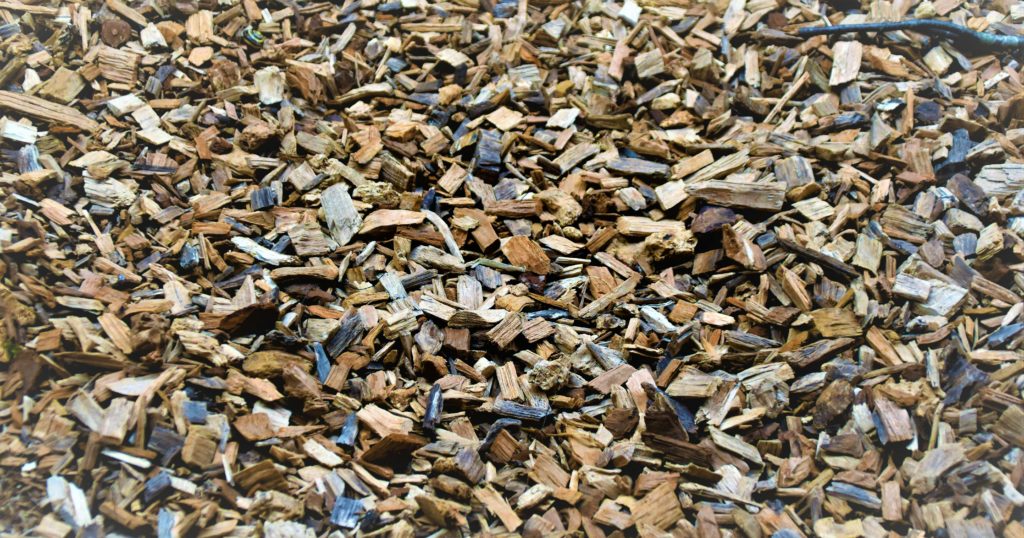
A generous layer of organic mulch—straw, shredded leaves, or grass clippings—acts like a cozy blanket, keeping soil temperatures stable and moisture levels consistent. As the nights cool off in September, mulch helps insulate roots from sudden dips, while in daytime warmth it prevents rapid drying. I always leave a 2–3 inch layer around seedlings but pull it back slightly from stems to prevent rot. Mulch also provides foraging material and nesting habitat for ground-dwelling pollinators like mining bees, which often overwinter in loose soils.
As the mulch breaks down, it feeds earthworms and other decomposers, enriching the soil over time. Just watch out for slugs—if you’ve had slug trouble, consider using more rigid mulches like chopped cornstalks that are less hospitable to them!
Start Seeds Indoors or in a Cold Frame
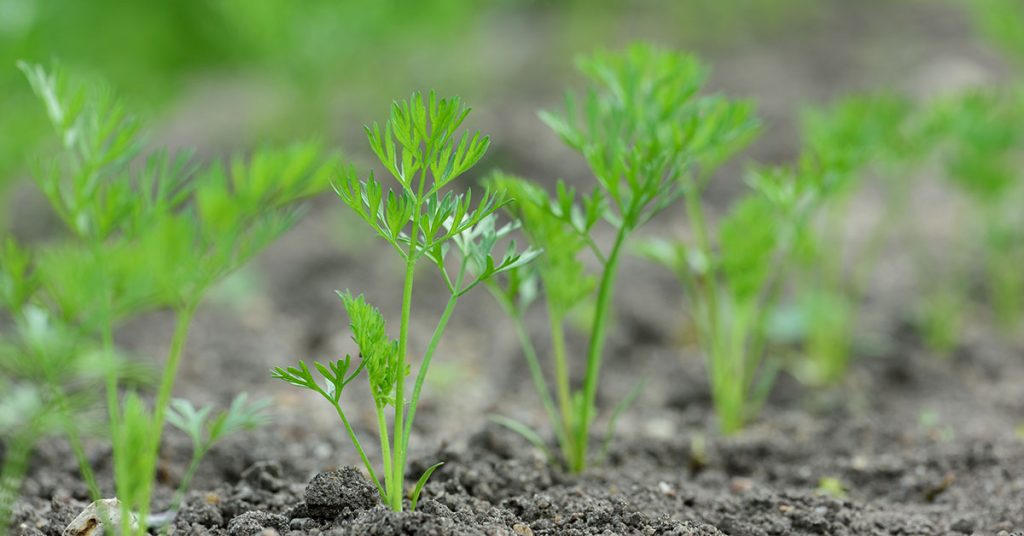
Getting a head start on fall crops indoors in August can mean the difference between a small patch of greens and a banquet! Vegetables like kale and collards germinate best at soil temperatures around 60–70°F, so starting them in a warm, protected environment ensures consistent sprouting. It’s such a thrill to watch those first true leaves unfurl! Plus, strong seedlings are less susceptible to fungal diseases once transplanted outdoors.
Using a cold frame or sheltered seed tray also provides nesting spots for solitary bees and other pollinators, who appreciate the gentle shelter as they forage nearby. Just remember to harden off your seedlings—gradually exposing them to outdoor temperatures over a week—to prevent transplant shock. If you’ve ever skipped that step, you know how heartbreaking it is to see limp greens on day two!
Choose Cold-Hardy Vegetable Varieties

Selecting varieties bred for cool-weather performance means your plants will handle crisp nights with gusto. Look for cultivars labeled “frost-tolerant” or “winter hardy.” For example, ‘Winterbor’ kale, descended from wild brassicas native to the Mediterranean, can survive light freezes and tastes even sweeter after a chill. It’s such a treat to harvest those tender leaves well into November!
Root vegetables like ‘Scarlet Nantes’ carrots (from the Caucasus region) and ‘Bull’s Blood’ beets (originating in the Mediterranean) have been selected for fall planting. Their sweet, fine roots develop robustly in cooling soil. Just note that some heirloom varieties might be slower to mature—read the seed packet closely to ensure they fit your schedule!
Use Cover Crops and Green Manures to Recharge Beds

Planting a quick-growing cover crop—like winter rye (Secale cereale, native to the Mediterranean)—in late August can protect bare soil from erosion, suppress weeds, and add organic matter when turned under in spring. As rye grows, it attracts beneficial insects such as ladybugs and lacewings, which nest within its dense stands. I love how the golden seed heads wave in the breeze while doing so much good underground!
If you prefer a flowering green manure, crimson clover (Trifolium incarnatum, from the Mediterranean basin) blooms prolifically, offering nectar to bumblebees before frost. Just watch its vigor—it can become invasive in mild winters, so mow it down before seed set. Once you cut it back and compost the biomass, your soil will be enriched with nitrogen, setting up a nutrient-rich bed for spring planting!
Plan Succession Planting for Continuous Harvests

One of the joys of a fall vegetable garden is staggered sowings that stretch your harvest over weeks or months. For instance, sow a second batch of spinach two weeks after the first to bridge the gap between early plantings bolting and cooler-season crops maturing. This keeps your kitchen stocked and prevents panic when one planting finishes sooner than expected!
Mapping out your succession schedule on a calendar prevents overcrowding and nutrient competition. Carrots (Daucus carota, native to Europe and southwestern Asia) sown in late August will mature just as kale plantings are hitting their stride. Remember to factor in days-to-maturity and your region’s average first-frost date—no one wants to pull half-grown roots because Jack Frost arrived early!
Adjust Irrigation and Drainage for Cooler Conditions
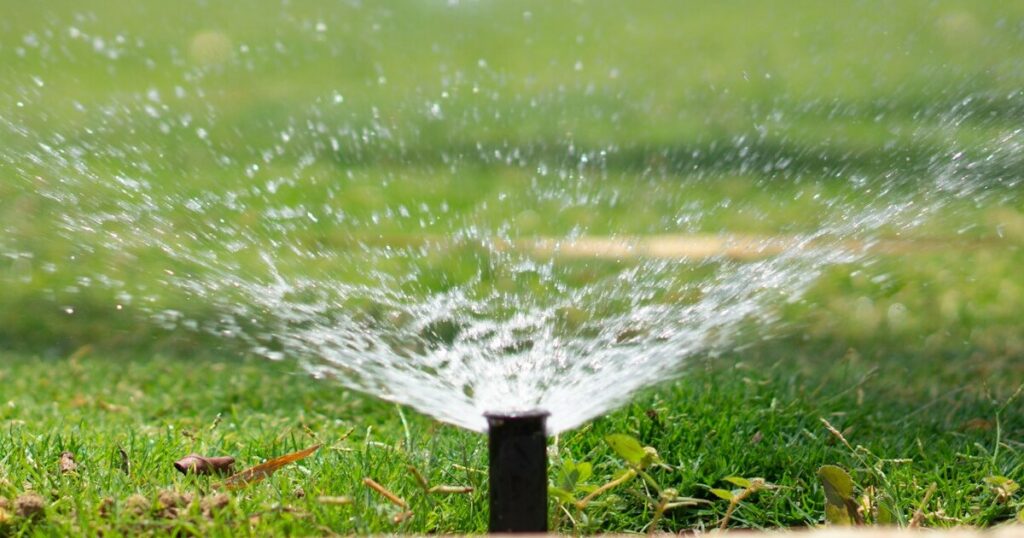
In August, your garden’s water needs start to shift: days may still be hot, but evenings cool off, reducing evaporation. Monitor soil moisture regularly—overwatering can lead to root rot in fall crops adapted to cooler climates. I switch to drip irrigation or soaker hoses with a timer, delivering deep, infrequent watering that encourages roots to grow downward and withstand cooler spells.
Assess drainage too: if you garden in heavy clay or raised beds, mixing in perlite or creating slight mounds helps excess water run off, preventing waterlogged conditions. Good drainage also means fewer spots of standing water where mosquitoes lay eggs, and fewer puddles that wash away topsoil and beneficial insect nests during autumn rains!
Rotate Crops to Maintain Soil Health
Rotating plant families prevents the buildup of pathogens and pest populations in your beds. If you grew brassicas in spring or early summer, follow up with legumes or leafy greens in your fall garden to interrupt disease cycles. For example, after harvesting kale, sow fall peas (Pisum sativum, native to the Mediterranean) to enrich the soil with nitrogen and draw in aphid-eating predators!
Keeping a garden journal helps you track which beds hosted which crops last year, so you don’t inadvertently replant the same family. This also highlights areas needing extra amendments—if root vegetables struggled in one bed due to compaction, you can focus soil improvement there before your next planting. It’s such a relief to know each inch of your garden is working optimally!