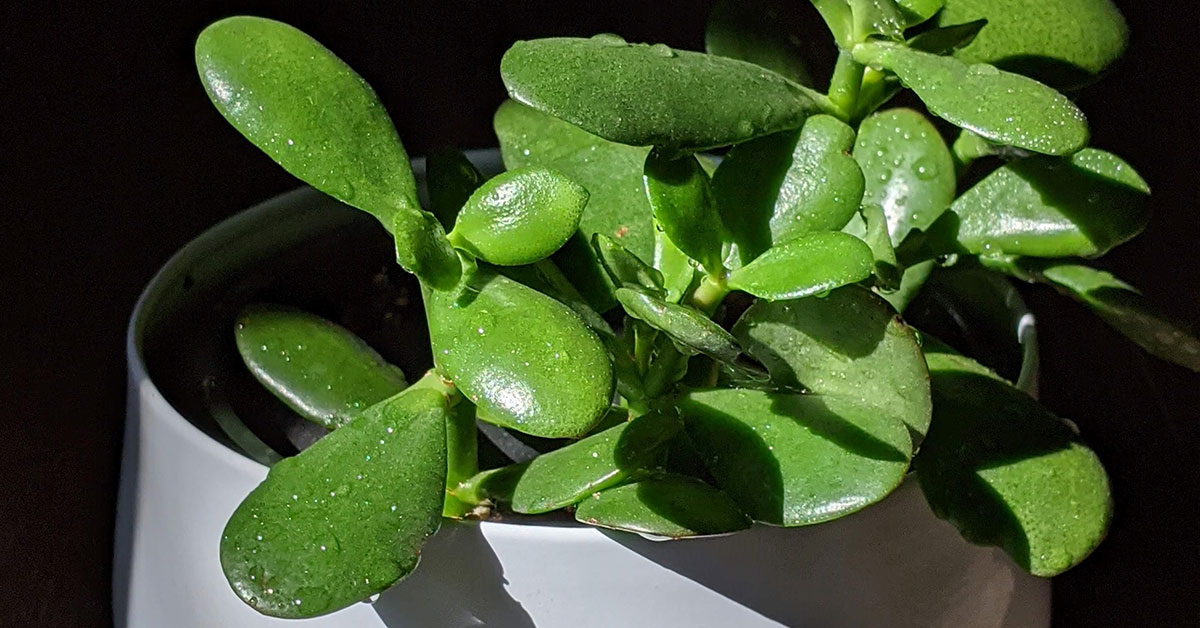

Jade plants (Crassula ovata), native to the arid savannas of South Africa and Mozambique, are cherished for their glossy, fleshy leaves and resilience. These succulents aren’t considered invasive in most home gardens, but they do require specific care to thrive and maintain their signature plump appearance. Whether brightening a sunny windowsill or forming the backbone of a succulent collection, jades reward attentive gardeners with years of lush growth and occasional clusters of delicate, star-shaped blossoms that hummingbirds and solitary bees just can’t resist!
I know how frustrating it can be to fuss over a jade—watering just once, only to find it shriveling, or leaving it in too much sun and watching its leaves scorch. With these ten tips—drawn from my own hands-on experiences and a few hiccups along the way—you’ll learn to balance light, soil, water, and even winter rest to keep your jade looking plump, vibrant, and ready to host tiny nesting pollinators in the cracks of its bark.
Ensure Bright, Indirect Light

Jade plants thrive when they receive six to eight hours of bright, indirect sunlight daily. Direct afternoon sun, especially through glass, can scorch their fleshy leaves, turning them reddish or causing permanent leaf damage. I once placed my jade on a south-facing balcony and returned to find half its leaves sunburned—definitely a lesson in light management!
Position your jade near an east- or west-facing window, where it enjoys morning sun and afternoon shade. The bright ambiance not only promotes vigorous leaf growth but also encourages those charming clusters of tiny white flowers that attract local solitary bees, which sometimes nest in the crevices of older branches.
Prune and Propagate to Encourage Bushiness
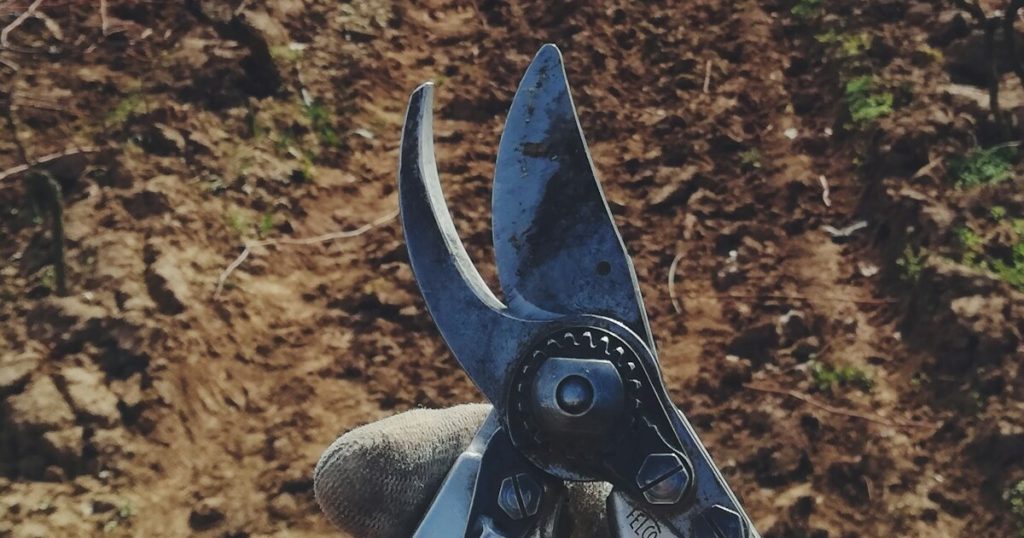
Left unpruned, jade plants can develop long, leggy stems that flop under their own weight. Regularly pinch or trim back stem tips just above a leaf node to stimulate branching. I learned this after my first jade grew several bare stalks with just a few leaves at the top—hardly the full, shrubby look I wanted!
Use the cuttings to propagate new plants: let the cut ends callus for a few days, then insert them into succulent potting mix. This not only gives you more jades to share but also mimics natural layering, providing extra habitat for tiny beneficial insects like ladybugs that help control scale and mealybugs.
Provide Proper Potting Mix

Jade plants require a well-draining soil blend to prevent root rot, their most common ailment. A mix of two parts cactus soil, one part perlite, and one part coarse sand recreates their native rocky substrate. I once used regular potting soil and watched my jade slump as roots suffocated in moisture-logged earth!
Good drainage also encourages bulbs and small ground bees to burrow around the container’s base, aerating the soil with their tunnels. Those little nests improve air exchange and help prevent soil compaction, ensuring your jade’s feeder roots stay healthy.
Water Sparingly and Correctly
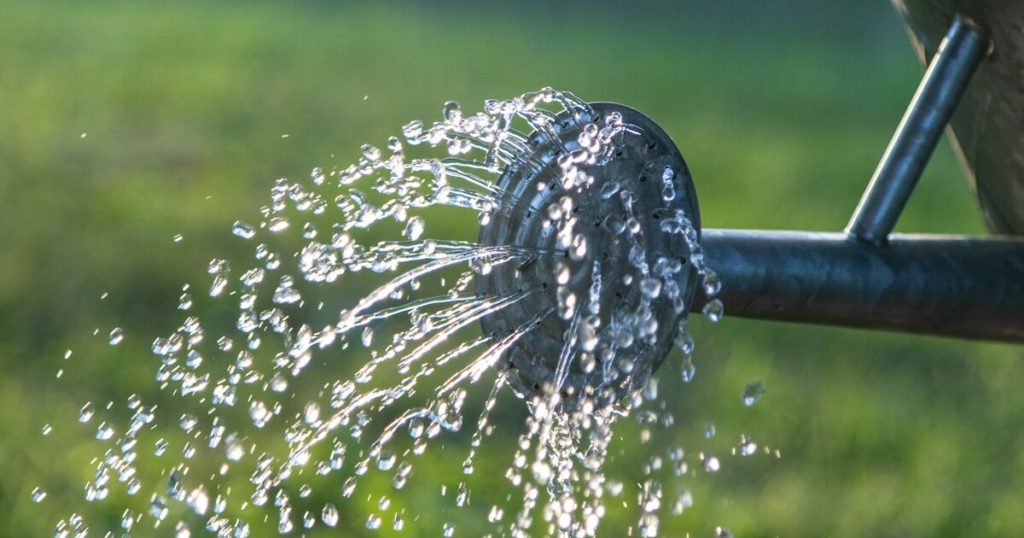
Overwatering is the quickest way to kill a jade plant. Allow the top two inches of soil to dry completely before giving a thorough soak, then let excess water drain away. I’ve been guilty of mistaking jade for thirst—only to discover wilted, dropping leaves the next day!
During winter dormancy, reduce watering to once every four to six weeks. This mimics their dry-season rest, helping induce flower bud formation and preventing fungal issues. Plus, drier soil discourages fungus gnats that might otherwise seek damp conditions for their larvae.
Monitor for Pests and Diseases

While hardy, jades can attract mealybugs, scale insects, and fungal leaf spots if stressed. Inspect your plant’s undersides and stem joints weekly, looking for cottony clusters or sticky residue. I once ignored a tiny mealybug colony, only to spend hours wiping off new infestations from every leaf!
Treat early with a cotton swab dipped in isopropyl alcohol or use neem oil sprays. Encouraging beneficial predators—like lacewings and ladybugs—by growing companion succulents such as echeveria nearby creates a balanced microhabitat that keeps pest populations in check.
Fertilize Lightly During Growing Season

Jade plants are light feeders; overfertilizing can lead to rapid, succulent-weak growth that’s prone to collapse. A half-strength, balanced 10-10-10 fertilizer applied once in spring and again midsummer is enough to support healthy foliage and blooming. I remember using full-strength feed and watching my jade’s stems stretch and crease under the weight of soft leaves!
The gentle boost encourages root development without encouraging excess moisture retention. Strong roots anchor the plant during bloom, supporting those fragrant white flowers that beckon local pollinators and even small hummingbirds looking for nesting materials among the bark.
Maintain Temperature and Humidity

Jades prefer daytime temperatures between 65–75°F (18–24°C) and nighttime lows no cooler than 50°F (10°C). Avoid cold drafts and sudden temperature swings that can shock the plant. I once moved my jade too close to a drafty window and woke up to drooping, chilled leaves!
Average home humidity is usually fine, but if your air is very dry, place the pot on a tray of pebbles with water—just ensure the pot base doesn’t sit submerged. This microenvironment provides moisture for beneficial mites and small pollinators without waterlogging roots.
Encourage Flowering with Cool, Dry Winter Rest
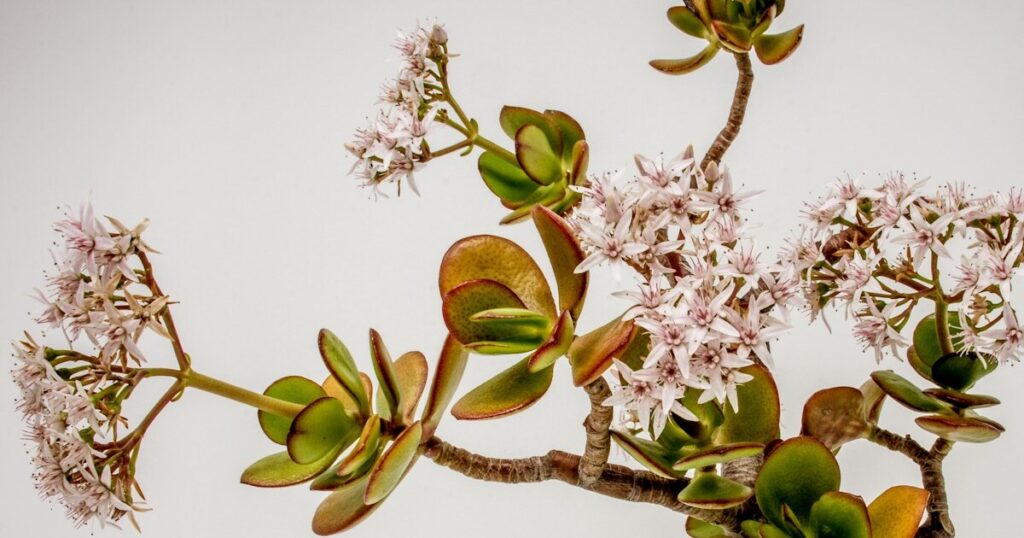
To coax jade plants into bloom, simulate a mild winter period: reduce watering and keep them in cooler (around 55°F/13°C), well-lit locations for six to eight weeks. I saw my first jade flower only after giving it that much-needed seasonal break!
Once buds appear, resume moderate watering and move the plant back into brighter warmth. The energy stored in its succulent leaves then flows into those star-shaped white blossoms, attracting solitary bees that may nest in nearby plant cavities and enrich your home’s pollinator network.
Repot When Pot-Bound

Jades enjoy snug roots but eventually become pot-bound, leading to stunted growth and shriveled leaves. Every two to three years, check for roots circling the pot’s interior or pushing soil up. I ignored these signs once and ended up with a top-heavy jade that toppled over!
Choose a container just one size larger, refresh the soil mix, and tease roots gently before replanting. This refresh revitalizes nutrient uptake and encourages new feeder roots to grow—perfect for sustaining plump leaves and supporting those precious winter bloom cycles.
Handle Succulent Nesters and Wildlife Interactions
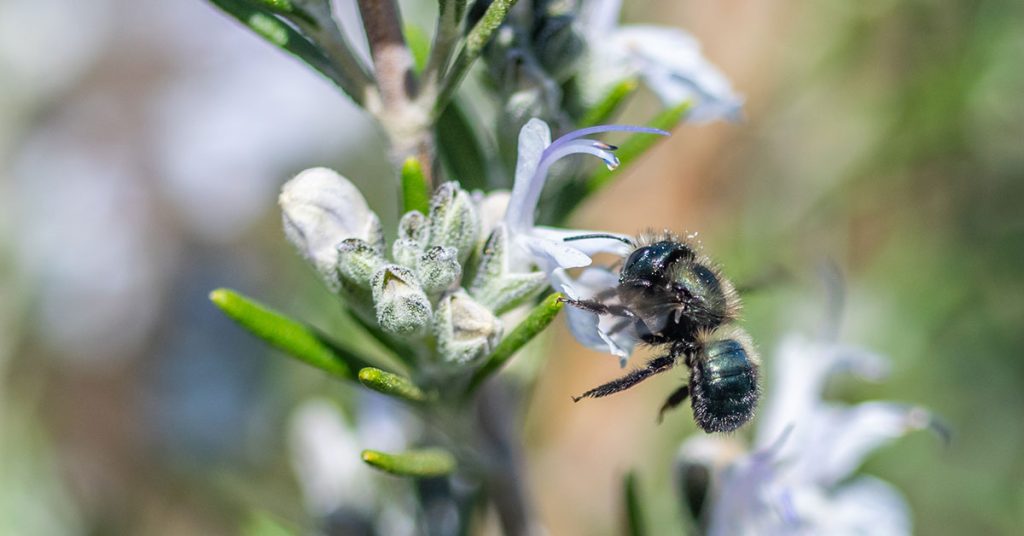
Believe it or not, jade plants occasionally host tiny wildlife residents: solitary bees may nest in potted crevices, and predatory beetles burrow around roots hunting pests. While it might feel strange at first, I found these miniature ecosystems fascinating and beneficial!
If nesting cavities appear, simply adjust watering to keep soil from washing away and avoid disturbing the area during nesting season. By welcoming these small allies, you foster natural pest control and create a living tableau that brings your jade plant—and your home—vibrant, dynamic life.