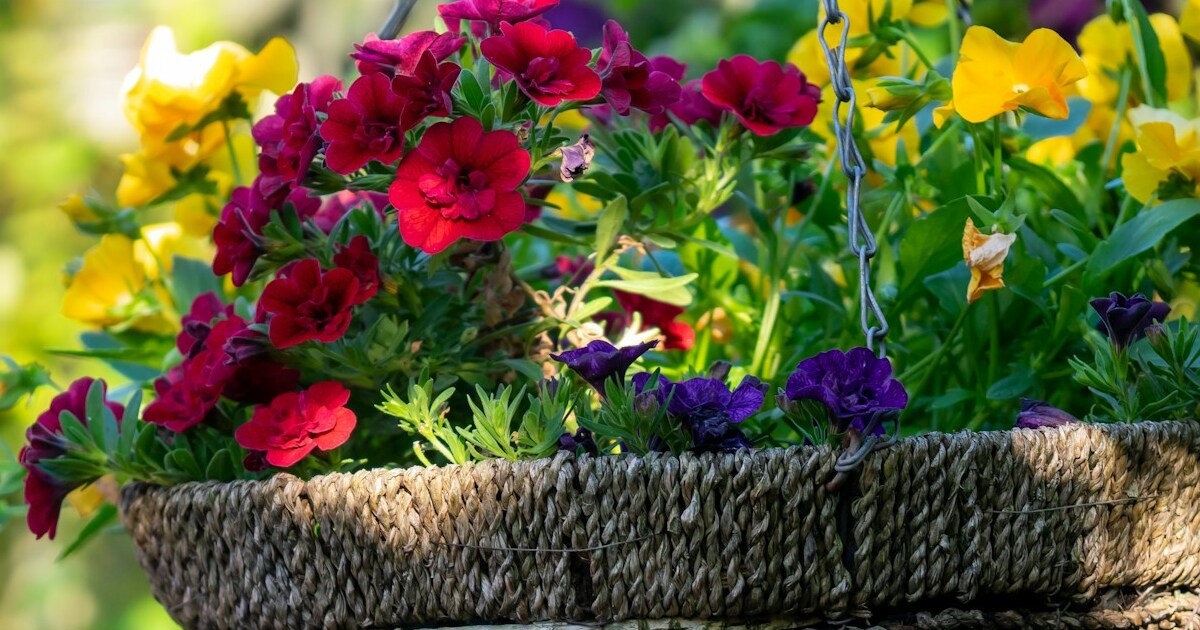

There’s nothing quite like a cascade of vibrant blooms swaying in the breeze from a hanging basket—such an instant mood booster! Yet, keeping those lush containers looking their best all season can feel like a juggling act. From selecting the right spot and soil mix to mastering watering and feeding routines, each detail matters. I know how disheartening it is to see drooping petunias or leggy ivy take over your once-glorious baskets, so let’s dive into ten essential strategies to ensure your hanging gardens thrive.
Whether you’re working with trailing lobelia (native to Europe and well-behaved in most climates) or bright impatiens (native to Africa, non-invasive in containers), these tips will help you balance moisture, nutrients, and light. Along the way, I’ll share how strategic plant pairings and small habitat features—like letting bees nest in the basket’s moss lining or creating tiny ledges for ladybugs—can keep pests at bay and boost pollination. Ready to elevate your hanging baskets from “meh” to magnificent? Let’s get growing!
Select a Free-Draining, Nutrient-Rich Mix

A successful hanging basket starts with the right soil blend. I recommend a lightweight potting mix that holds moisture without becoming waterlogged, amended with coconut coir or peat moss for aeration and a handful of compost for nutrients. This ensures roots breathe and water drains quickly—essential for plants like fuchsia (native to Central and South America) that detest “wet feet.”
Adding slow-release organic fertilizer granules at planting keeps baskets fed for weeks. Meanwhile, any coarse mulch—think coconut husk chips—on the surface provides tiny nooks for beneficial springtails and predatory mites to nest and forage, naturally suppressing fungus gnats and keeping your soil ecosystem balanced.
Prioritize Morning Sun with Afternoon Shade

Hanging baskets often live in transition zones—bright porches, eaves, or balcony edges—so aim for at least four hours of gentle morning sun. East-facing positions warm up the soil early and energize sun-loving blooms like calibrachoa (native to South America) without scorching them later in the day.
Provide shaded shelter after midday heat—through a nearby awning or strategically placed shade cloth—to protect sun-sensitive plants like begonias (native to tropical zones). This balance also encourages ground-nesting bees to visit in the cooler hours, nesting in nearby bare soil patches before darting into your baskets for pollen!
Master the “Soak and Dry” Watering Technique
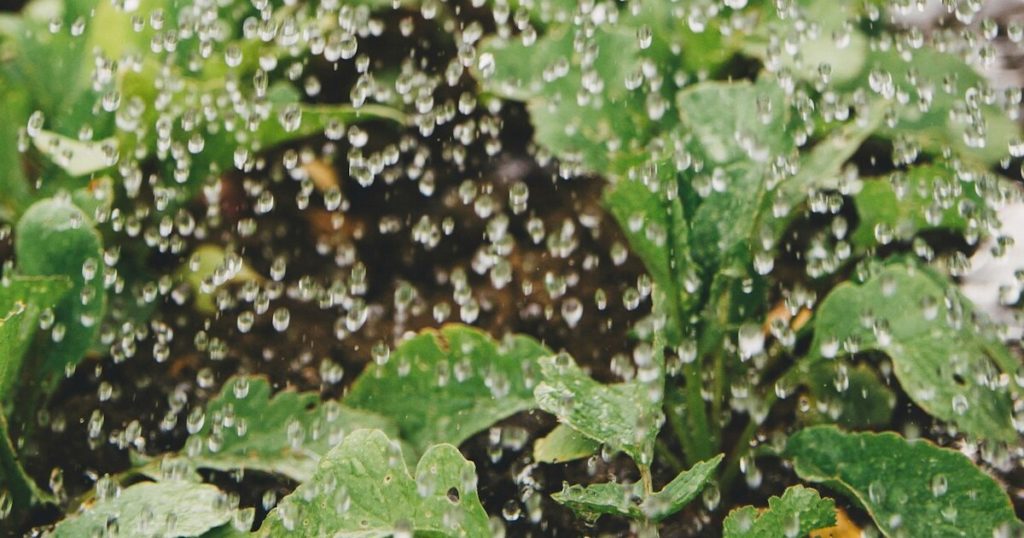
Hanging baskets can dry out quickly, especially in wind or heat. Treat each watering like a mini rainstorm: drench the soil until water streams from the drainage holes, then allow it to dry until the top inch feels just moist. This cycle trains roots to grow downward and prevents rot.
Between soakings, watch for thirsty visitors—ants or earwigs crawling around the basket may indicate dry conditions. Meanwhile, moisture swings will attract predatory ground beetles under the hanging ledge, where they help keep slugs at bay during cool, damp nights!
Feed Regularly with Liquid Fertilizer

Even a rich soil mix needs replenishment in a confined basket. Every two weeks, apply a balanced liquid fertilizer—like a 10-10-10 NPK blend—diluted to half strength. This consistent feeding supports continuous flower production in prolific bloomers such as petunias (native to South America) without encouraging weak, leggy growth.
Supplement with a seaweed extract every month to boost root development and stress resilience. The gentle nutrients also invite beneficial nematodes into the soil, where they prey on root pests lurking unseen and maintain a healthy underground community.
Deadhead and Pinch to Encourage Blooms

Shearing off spent flowers isn’t just for aesthetics—it redirects energy into new buds. For long-flowering varieties like verbena (native to the Americas), deadheading every few days encourages a nonstop parade of color. Be sure to remove entire flower spikes, not just petals, to prevent seed set.
Pinch back leggy stems on trailing ivy (Hedera helix, native to Europe) or bacopa (Africa) to promote branching and fullness. Those tight, compact shapes also leave fewer hiding sites for aphids; you might spot ladybugs nesting in the basket’s lining, once pests are under control!
Choose Complementary Plant Combinations
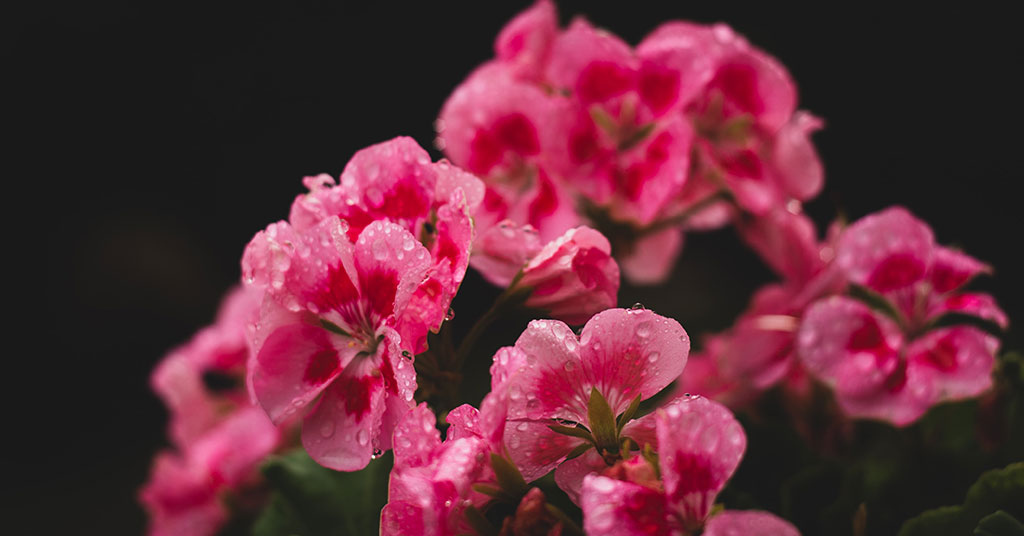
Mix upright thrillers (tall foliage like sweet potato vine), filler plants (lush geraniums), and spillers (trailing lobelia) for a dramatic effect. Combining species with similar light and water needs prevents competition and disease. For example, pair sun-loving snapdragons (Mediterranean origin) with sturdy lantana (Central America) for a heat-resistant display.
By creating a dense canopy, you also protect soil-dwelling allies—like springtails and predatory mites—from direct sun, allowing them to nest in cooler, sheltered layers. These tiny guardians patrol for soil pests, reducing the need for chemical interventions.
Monitor and Control Pests Early

Hanging baskets can be pest magnets—whiteflies on the undersides of leaves or spider mites in dry conditions. Inspect weekly, flipping leaves to catch infestations early. A gentle blast of water often dislodges aphids, and a mild insecticidal soap can handle tougher cases.
Introduce sticky cards nearby to trap flying pests before they reach your baskets. Meanwhile, you’ll likely see an uptick in predatory hoverflies nesting in the eaves above—nature’s own aphid control squad!
Provide Support for Heavy Varieties
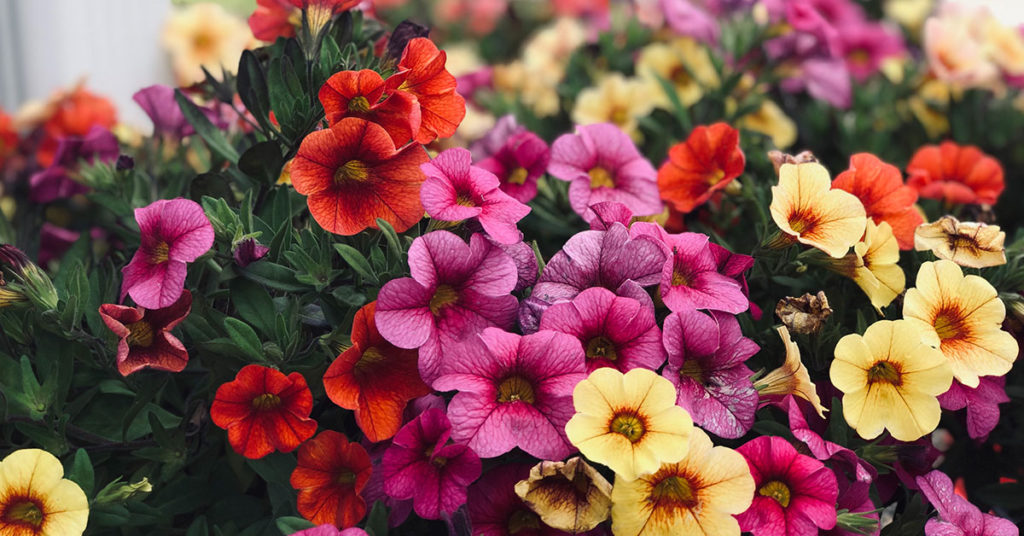
Some hanging basket staples, like trailing petunias or bacopa, benefit from gentle support. Weaving soft ties or twine through sturdy stems can prevent breakage under the weight of rain-soaked blooms. This also helps air circulate and reduces fungal risks.
Secure ties create small cavities in the foliage where tiny beneficial spiders and predatory wasps nest, curbing caterpillar or moth larvae outbreaks. Your baskets become not just floral displays, but mini–ecosystems working in harmony!
Rotate for Even Growth
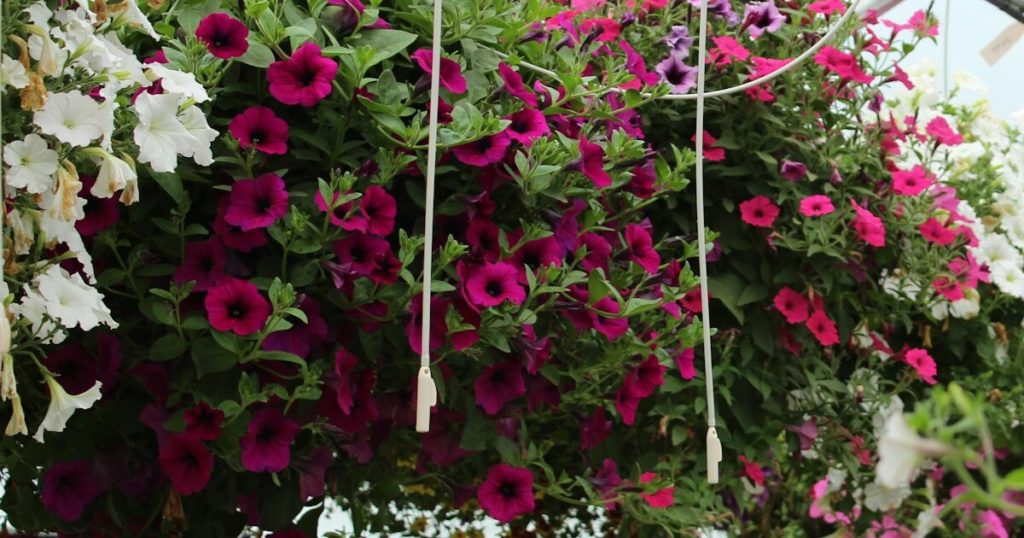
Spin your baskets every week to ensure all sides receive equal sun exposure. This prevents lopsided growth and sunburn on one side. I often mark a small arrow on the hook—it’s a simple trick that keeps my fuchsia baskets symmetrical and full!
Even light distribution also means pollinators—like tiny solitary bees—visit all blooms equally, nesting nearby in hollow stems or crevices along your deck railing. Balanced baskets inspire balanced ecosystems, both above and below the foliage.
Refresh with Mid-Season Soil Top-Up

By mid-summer, nutrients can dwindle and soil may compact. Gently remove the top inch of soil and replace with fresh potting mix blended with compost. This quick refresh revives root aeration and nutrient levels for a late-season bloom boost in plants like coleus (Southeast Asia) or calibrachoa.
That fresh layer also invites decomposers—earthworms and springtails—to recolonize the zone, breaking down organic matter and enhancing drainage. Your baskets will look as vibrant in late summer as they did in spring’s glorious debut!