

Drought gardening can feel like a constant balancing act between conserving water and keeping your plants alive. I know how tough it is to walk out to the garden, see those drooping leaves, and feel like you’re letting everything down. But trust me—your plants are more resilient than you think, and with a few smart watering strategies, you can help them push through the toughest dry spells. Whether you’re tending to vegetables, perennials, or pollinator patches, knowing when and how to water is absolutely essential.
I’ve been through dry summers where water restrictions were tight and the sun seemed endless. It’s such a bummer to invest time and love into your garden, only to see it struggle with dehydration. But once I started using these techniques, I realized it is possible to garden wisely even when the rain refuses to show up. You just need to get a little creative, stay consistent, and shift your expectations toward water-smart practices that support your garden’s long-term health.
Water Early in the Morning
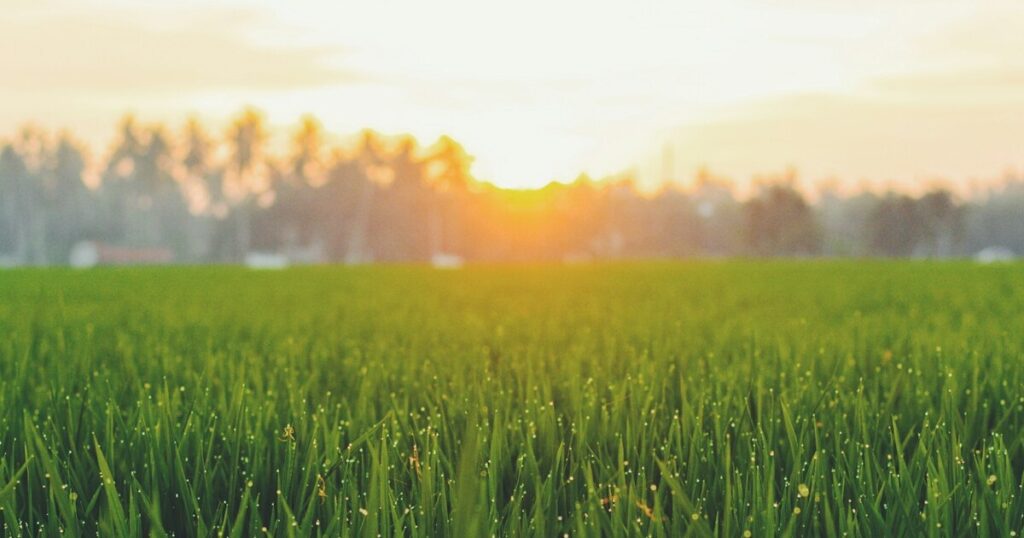
There’s no better time to water during a drought than early morning. It gives your plants the moisture they need to brace for the heat ahead and helps reduce evaporation losses. Evening watering may seem convenient, but damp leaves overnight can lead to fungal issues, especially in plants like squash and tomatoes. Plus, morning watering allows you to spot stress or damage before the heat of the day sets in.
I’ve found that early watering also supports beneficial insect activity. Bees, butterflies, and birds are more active in the morning hours, and they’ll appreciate a well-watered patch to forage and nest around. Plants like bee balm (Monarda didyma, native to North America and not considered invasive) bloom better when kept evenly moist—just don’t overdo it! Slow and deep is the name of the game.
Prioritize Your Most Valuable Plants

During droughts, it’s okay to let less-important or overgrown plants fend for themselves. Focus your limited water on crops that are producing food, newly transplanted seedlings, or young perennials you want to establish. Mature, drought-tolerant plants often recover with fall rain, but baby lettuces or thirsty cucumbers won’t be so lucky without regular attention.
This is especially important for native perennials like echinacea (Echinacea purpurea, native to central and eastern North America), which are often more drought-tolerant once established. Meanwhile, shallow-rooted vegetables or container-grown herbs need more help. I’ve chosen to let a few flower beds coast during dry periods so I can concentrate on the edibles and new additions that really need me.
Use Drip Irrigation or Soaker Hoses
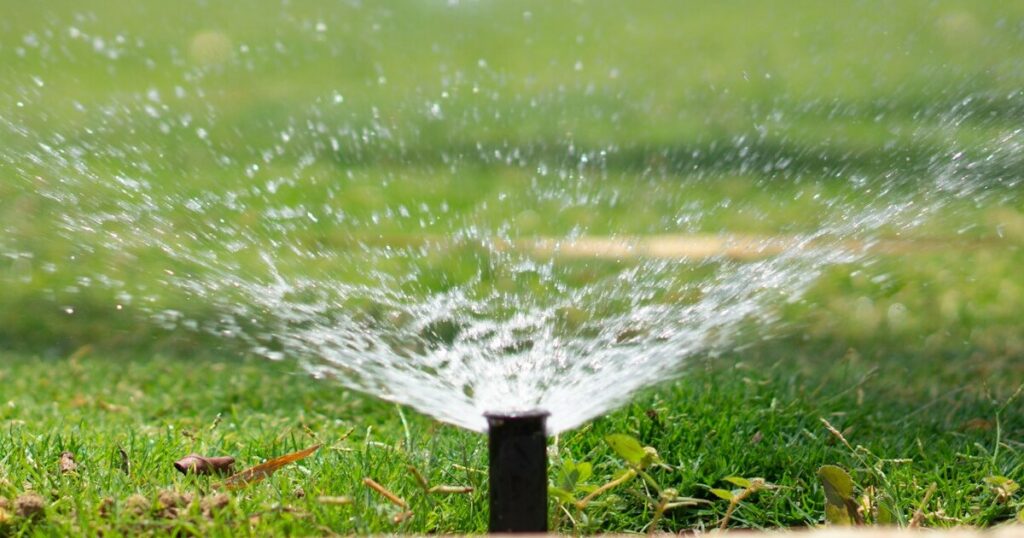
One of the most efficient ways to water during drought is to apply it directly to the soil at the root zone, where plants can absorb it most effectively. Drip irrigation and soaker hoses deliver water slowly, which helps reduce evaporation and keeps leaves dry. It’s a game-changer for tomatoes, peppers, and herbs that are prone to leaf issues in high heat.
I’ve used drip systems in my raised beds and soaker hoses in my perennial borders, and both have drastically improved my water use. Not only do they save time, but they also minimize run-off. Plants like rosemary (Salvia rosmarinus, native to the Mediterranean and not invasive in most regions) thrive with this targeted watering approach, since they dislike soggy foliage and roots.
Mulch Generously Around Plants

Mulching is your secret weapon in a drought! A thick layer of organic mulch—like straw, shredded leaves, or untreated wood chips—helps insulate the soil, reduce evaporation, and keep roots cool. It also suppresses weeds, which compete with your plants for precious water. Just be sure not to pile mulch directly against stems, especially with veggies and herbs.
One of my favorite things about mulch is how it creates microhabitats for beneficial insects like beetles and spiders, and even frogs or toads in cooler spots. I’ve seen native milkweed (Asclepias incarnata, native to North America and not invasive) thrive under mulch during drought, while neighboring bare-soil areas withered. A well-mulched garden holds its own even in tough conditions.
Water Deeply, Not Frequently
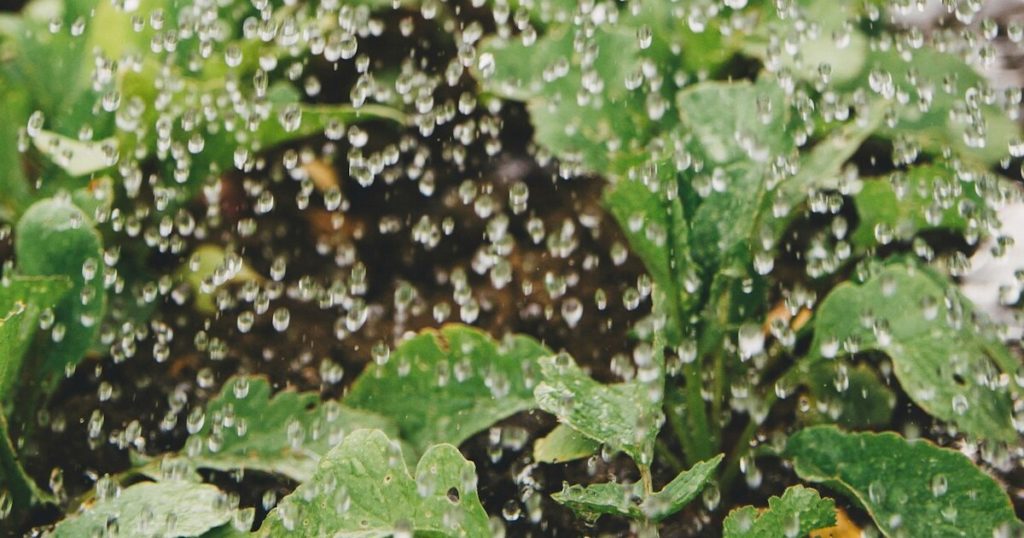
A common mistake is watering too often but not deeply enough. Shallow watering encourages roots to stay near the surface, where soil dries out faster. Instead, aim to water less frequently but soak the soil thoroughly when you do. This trains roots to grow deeper, making your plants more drought-resilient over time.
I once had a patch of black-eyed Susans (Rudbeckia hirta, native to North America) that drooped every afternoon during a drought. After switching to deeper, less frequent watering, they perked up and stayed more stable through the heat. It takes patience and observation, but your garden will reward you with stronger, more self-sufficient plants.
Capture and Reuse Water When You Can

Every drop counts in a drought, and capturing rainwater or reusing household water can make a big difference. Rain barrels, greywater from rinsing veggies, and even leftover water from dehumidifiers can be repurposed in the garden—just be mindful of any soaps or chemicals that could harm plants.
I often save water from washing produce and use it on my herbs and flower pots. Plants like mint (Mentha spp., native to Europe and parts of Asia and considered invasive if left unchecked) grow vigorously when watered consistently, so I use recycled water to manage their thirst without tapping my hose. It’s a great way to stretch your resources while keeping your garden hydrated.
Group Plants with Similar Water Needs

Planting thirsty crops alongside drought-tolerant ones makes watering a logistical nightmare. Instead, group plants with similar moisture needs so you can water more efficiently. This works great in raised beds, borders, and even pots. Your tomatoes and basil will appreciate one routine, while your sedum and lavender prefer another.
Grouping by water needs also helps with pest management. Overwatered lavender (Lavandula angustifolia, native to the Mediterranean) is more prone to root rot and fungal issues when stuck next to water-hungry cucumbers. Keeping things separate reduces stress and helps all your plants perform better in the long run.
Shade Your Plants When Possible

In intense drought conditions, providing temporary shade can dramatically reduce stress on plants. Use floating row covers, old bedsheets, or shade cloth to protect tender crops from the midday sun. You don’t have to cover everything—just shielding plants during peak heat can help them retain moisture and survive until conditions improve.
I’ve used shade cloth on my lettuces and kale with amazing results. Even in 95°F heat, they held up longer than I expected. Leafy greens like Swiss chard (Beta vulgaris, originally native to the Mediterranean and not invasive) benefit from this kind of protection, and it gives pollinators a slightly cooler spot to visit too. Your garden’s microclimate matters more than you think!
Don’t Forget Container Plants

Potted plants dry out much faster than those in the ground, especially in sun-baked patios or decks. During a drought, containers may need daily watering or even twice-daily in extreme heat. Use deeper pots, add mulch on top, and consider moving containers to partial shade to slow evaporation.
My thyme, basil, and lemon balm all live in pots on a sunny ledge, and I’ve learned to water deeply and use saucers to catch runoff and reuse it. Lemon balm (Melissa officinalis, native to Europe and somewhat invasive in some regions if allowed to spread) can handle a bit of drought, but in pots it dries out faster than you’d expect. Keep an eye on potted herbs—they need more love in hot weather.
Keep an Eye on Wildlife Water Needs Too
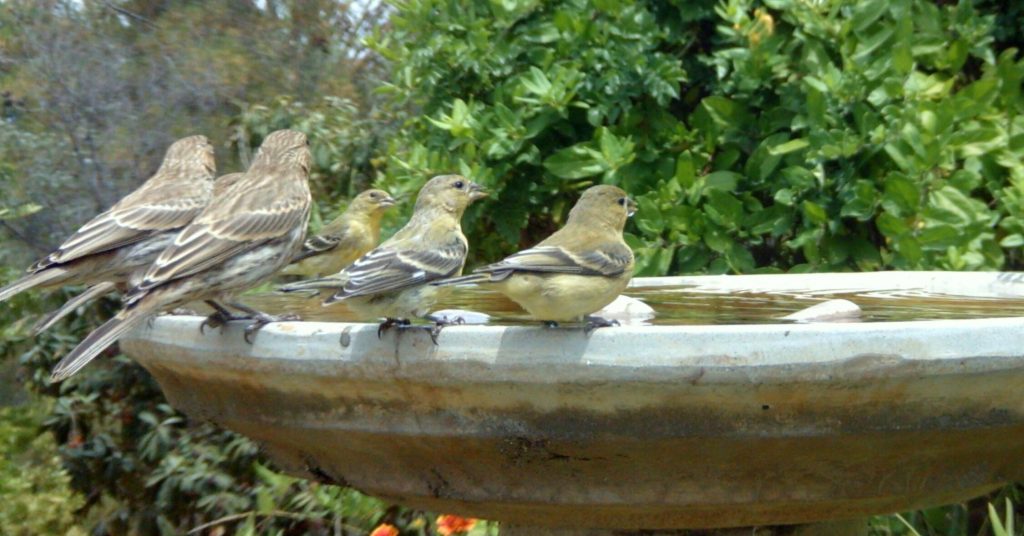
Your garden isn’t just about the plants—it’s a lifeline for local wildlife. Drought can make water scarce for birds, bees, toads, and even butterflies. Keep shallow dishes of water around the garden, refresh them often, and place stones or twigs in them so small creatures can drink safely without drowning.
I’ve seen goldfinches drink from my drip line and bees land on wet leaves after a misting. Even just one birdbath or bee puddle can make a huge difference. And when your garden supports life beyond the plants, everything thrives. Watching a monarch pause on a swamp milkweed blossom while sipping nearby water—that’s the kind of beauty that makes all this work worth it!