

Monsteras (Monstera deliciosa), native to the tropical rainforests of southern Mexico through Panama, are celebrated for their dramatic, fenestrated leaves and ease of care. While they’re not generally invasive, in regions with year-round warmth and humidity they can naturalize if left unchecked. One of my favorite houseplants, I’m always amazed by how its aerial roots seek out new surfaces—sometimes even hosting tiny springtails or soil mites that help decompose leaf litter!
It’s such a bummer when you spot yellowing leaves or drooping stems after weeks of careful tending. Whether yours lives in a bright corner or under grow lights, these ten tips—from watering rhythms to pest patrol—will help your Monstera thrive. Let’s dive in with the enthusiasm of a gardener spotting its first new leaf unfurl!
Provide bright, indirect light

Monsteras flourish under filtered sun—think dappled light beneath a forest canopy. Too little light leads to spindly stems and small, unfenestrated leaves, while harsh direct sun scorches those glossy greens. I once placed mine in an east-facing window without a sheer curtain and watched brown patches appear within days!
Aim for several hours of bright, indirect light daily. In its native habitat, Monstera flowers—rare indoors—would attract beetles and native bees to the creamy spathes. Even if your plant never blooms, ensuring adequate light gives those aerial roots energy to explore and sometimes host beneficial microfauna.
Keep humidity levels high
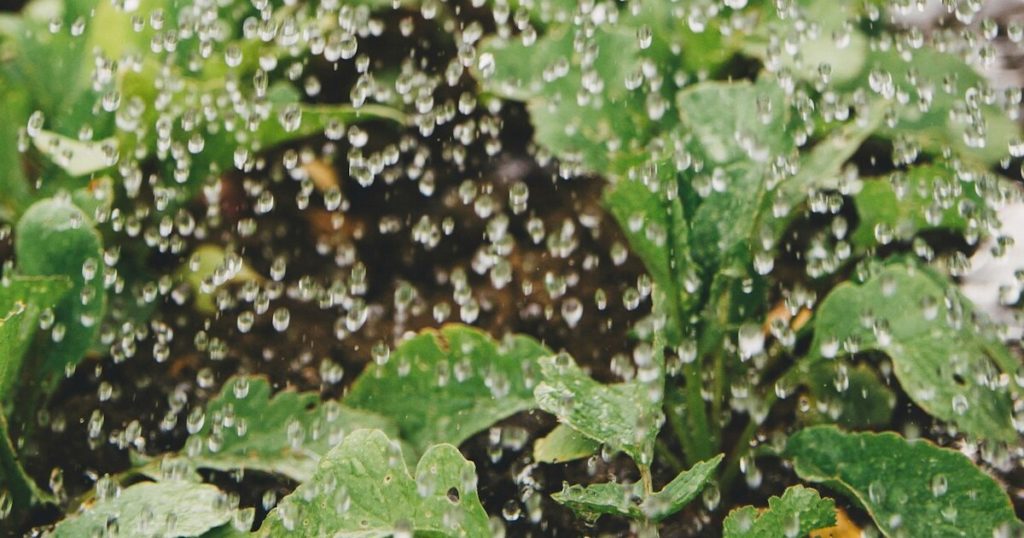
Originating in humid jungles, Monsteras crave at least 60% relative humidity. Dry indoor air can cause edges to brown and slow new growth. I’ve rescued many a crispy-edged leaf by introducing a pebble tray or a small room humidifier!
High humidity also encourages delicate microhabitats on the aerial roots, where springtails or tiny beneficial mites nest and help recycle organic debris. When your Monstera shows those telltale brown tips, raising humidity often brings it back to its lush self.
Water thoroughly but infrequently
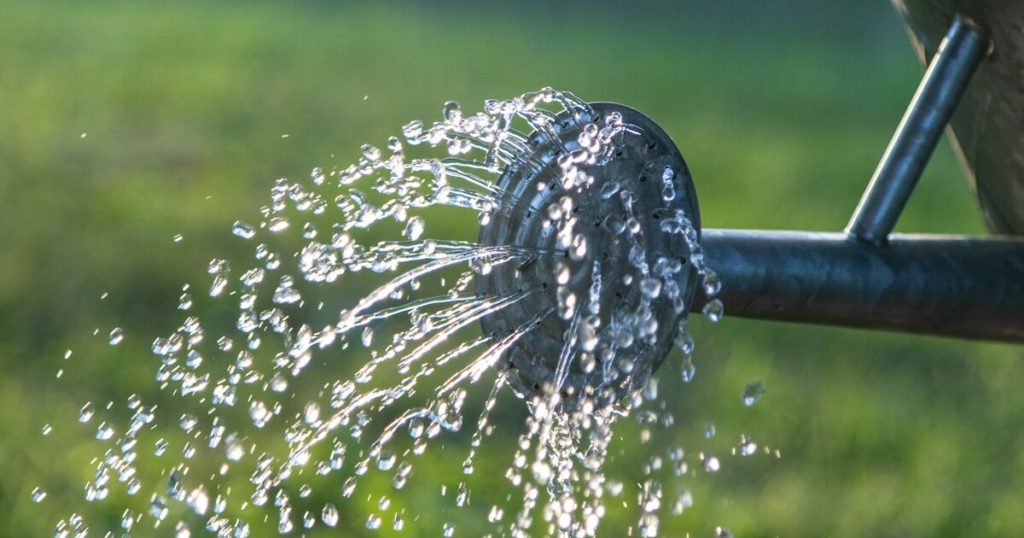
Overwatering suffocates roots; underwatering stresses the plant. I learned this the hard way when daily misting left the soil waterlogged and roots rotted! Allow the top two inches of soil to dry before watering deeply, then let excess drain away.
This cycle mimics the tropical rain-dry rhythm Monsteras experience in the wild. Proper watering keeps opportunistic fungus gnats—drawn to overly moist soil—at bay, protecting both roots and the small beneficial insects that coexist in the mix.
Use a well-draining, chunky soil mix

Monsteras need rich, aerated soil that holds moisture yet drains freely. A blend of peat or coconut coir, orchid bark, perlite, and a touch of compost recreates the loose, forest-floor loam they evolved in. I once used straight potting mix and found my roots matting into a soggy mess!
Chunky substrate also creates tiny air pockets where predatory springtails can thrive, eating decaying matter and keeping the pot clean—nature’s cleanup crew right in your planter.
Support with a moss pole or trellis
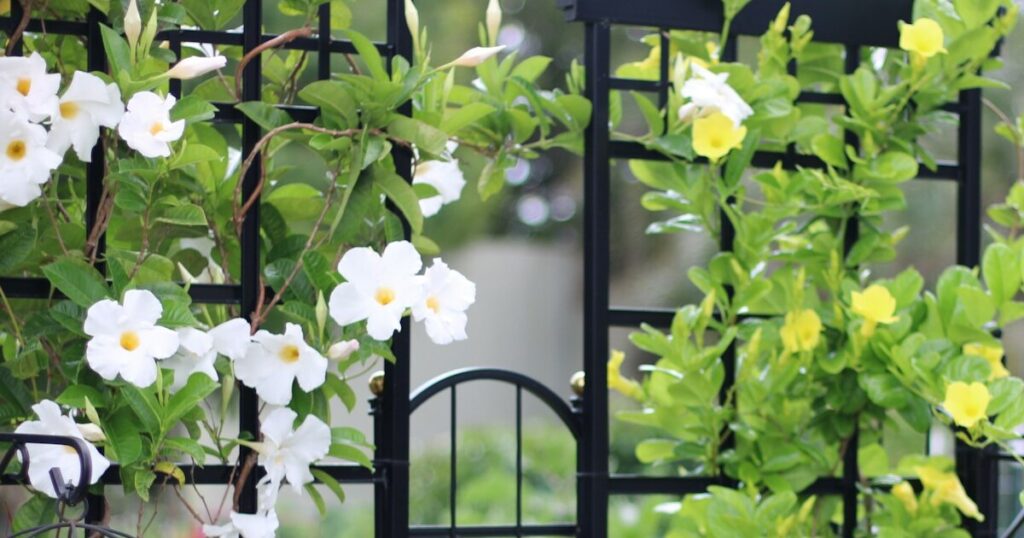
In the wild, Monstera aerial roots cling to tree trunks. Providing a moss pole or trellis lets your plant exhibit its natural climbing behavior, resulting in larger leaves with signature splits. I watched my Monstera transform within weeks of installing a moss pole—each new leaf more dramatic than the last!
Those aerial roots may even harbor beneficial micro-creatures like tiny soil mites or springtails, turning your support into a mini-ecosystem that aids nutrient cycling.
Prune to encourage bushy growth
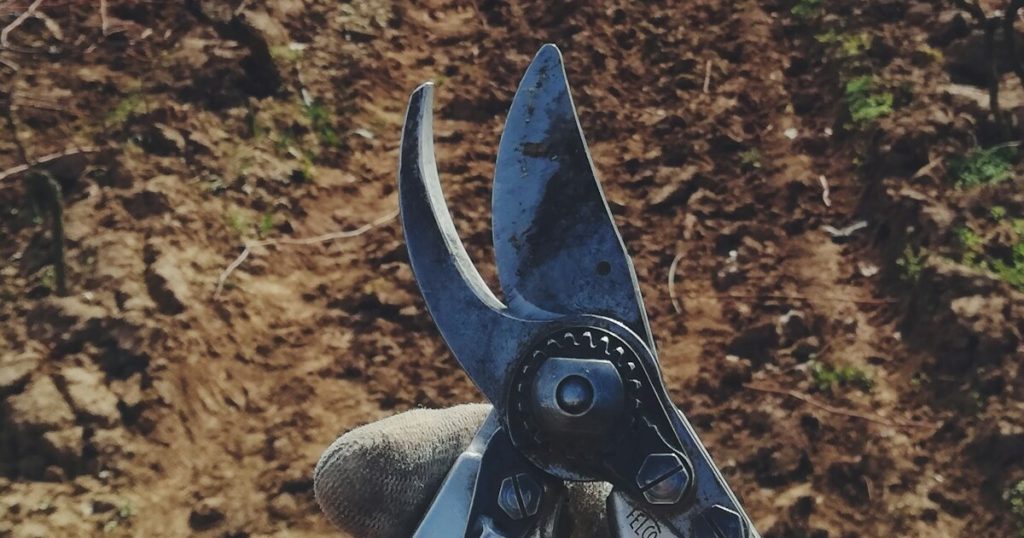
Selective pruning removes leggy or damaged stems, redirecting energy to healthy shoots. I always cut just above a leaf node, which triggers two new branches to form—perfect for a fuller Monstera silhouette!
Pruning also reduces the risk of pest hotspots. Fewer overlapping leaves mean better air circulation, deterring scale insects and mealybugs that prey on dense foliage.
Clean leaves regularly

Dust buildup blocks light and invites spider mites. Gently wiping each leaf with a damp cloth restores that vibrant sheen and reveals any early signs of pests. I find this chore strangely meditative—one swipe at a time!
Clean leaves also make it easier for beneficial insects like ladybugs and lacewings (if you employ them) to locate and feed on pests. Plus, shiny leaves show off those beautiful fenestrations to their fullest.
Fertilize during the growing season

Feed your Monstera monthly in spring and summer with a balanced, water-soluble fertilizer diluted to half strength. Over-fertilizing can cause salt buildup and burn roots, so less is more! I once gave mine a full dose and regretted the scorched leaf tips that followed.
Regular feeding supports robust foliage that, in rare flowering instances, produces nectar to attract pollinators like bees. Even without blooms, a well-nourished Monstera maintains strong aerial roots and lush new leaves.
Monitor and manage pests promptly

Aphids, mealybugs, and spider mites sometimes target Monsteras. Inspect new growth weekly and treat any invaders with insecticidal soap or a gentle alcohol swab. One season, I spotted tiny white mealybugs nestled at a node and removed them before they could spread!
Encourage natural predators—ladybugs and lacewings thrive in the same humidity your Monstera loves. Let a few leaves be their hunting ground, and you’ll foster a balanced, low-pesticide environment.
Repot every two to three years

As your Monstera grows, roots fill the pot, and soil nutrients deplete. If growth slows or roots emerge from drainage holes, it’s repot time! I usually go up one pot size, refreshing the soil mix for optimal drainage and fertility.
Repotting gives you a chance to prune circling roots and reintroduce a chunky, airy mix. The rejuvenated root zone supports vigorous growth—so you can celebrate each new leaf unfurling like a tropical sail!