
Growing peppers can be both a gratifying and challenging experience, especially when you’re striving to get that perfect balance of flavor, color, and spice! As a dedicated gardener who’s spent countless hours fine-tuning my pepper patch, I understand the ups and downs—from battling pesky insects to finding the ideal watering routine. In this article, I’m excited to share 10 expert tips that have helped me and many others transform a humble garden into a thriving pepper paradise. Each tip comes with detailed insights into the native origins of these vibrant plants (peppers hail from Central and South America) and practical advice to ensure your garden remains healthy and non-invasive.
I know how disheartening it is when a promising crop struggles or when pests seem to take over your green space. That’s why I’ve compiled these tips with the hope that they’ll inspire and guide you on your gardening journey! Whether you’re cultivating a small balcony garden or a spacious backyard, these strategies are designed to help you overcome common challenges, attract beneficial pollinators, and create a nurturing environment for your pepper plants to flourish.
Use Well-Drained, Nutrient-Rich Soil
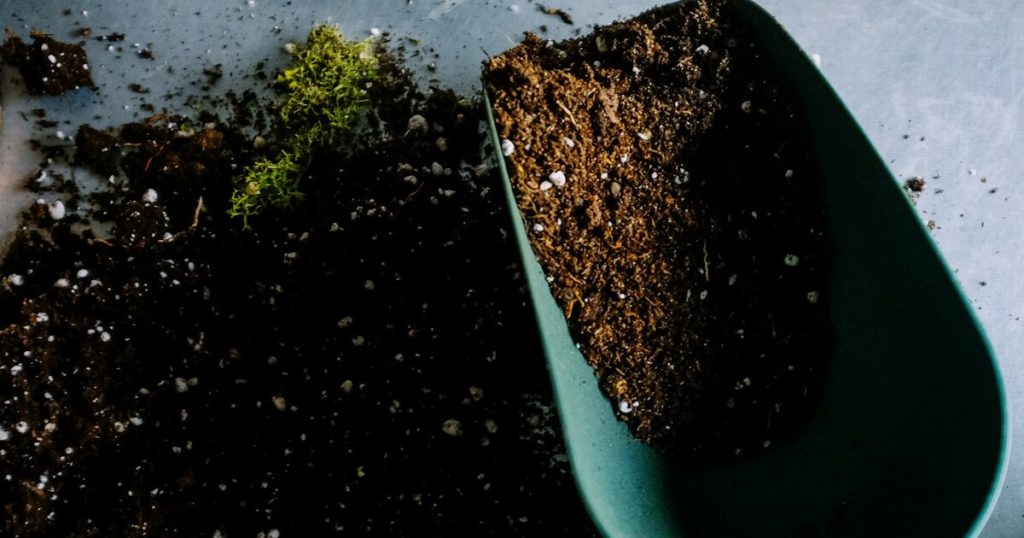
A thriving pepper plant starts with the perfect soil foundation. Peppers, native to Central and South America, flourish in well-drained, nutrient-rich soil that provides the ideal balance of organic matter and minerals. In my garden, I always make sure to amend my soil with compost and natural fertilizers to create a loose, fertile bed that encourages deep root growth and robust nutrient uptake. This not only results in vibrant foliage and heavy fruit production but also attracts beneficial soil organisms that help maintain a healthy ecosystem.
When the soil is too compact or lacks essential nutrients, it can hinder pepper growth and invite pests that seek weaker plants. By investing time in preparing your soil, you’re setting the stage for a thriving pepper garden that isn’t invasive but rather balanced and sustainable. I’ve seen firsthand how this proactive step leads to pepper plants that are resilient, productive, and capable of attracting friendly insects like solitary bees, which aid in pollination—a true gardener’s delight!