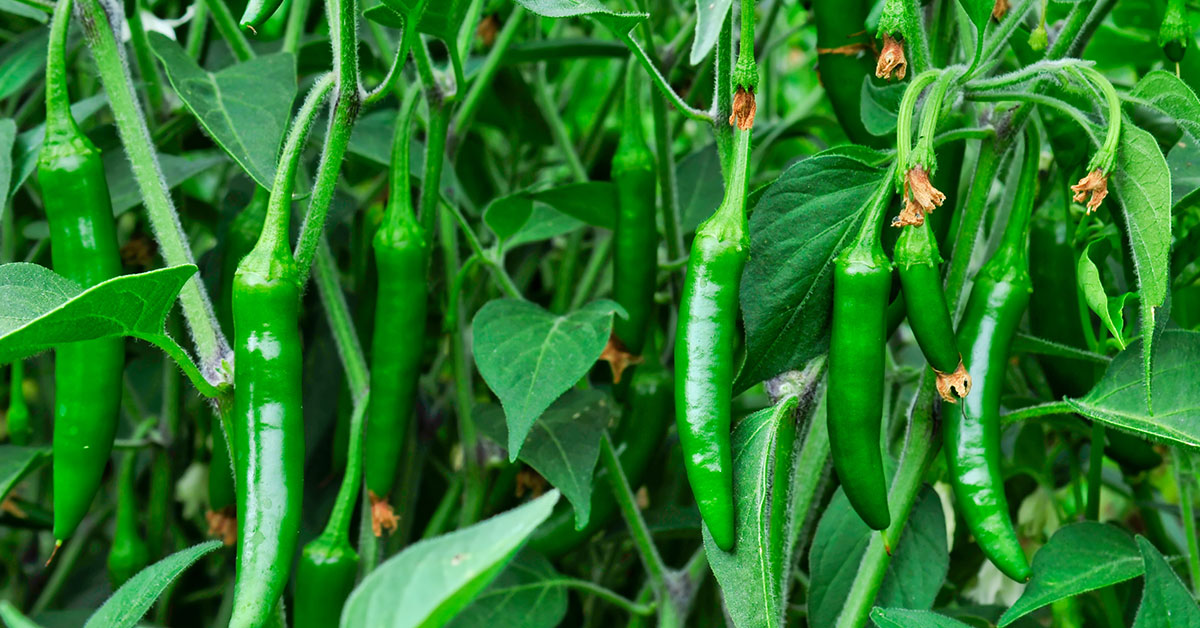

Growing peppers can be both a gratifying and challenging experience, especially when you’re striving to get that perfect balance of flavor, color, and spice! As a dedicated gardener who’s spent countless hours fine-tuning my pepper patch, I understand the ups and downs—from battling pesky insects to finding the ideal watering routine. In this article, I’m excited to share 10 expert tips that have helped me and many others transform a humble garden into a thriving pepper paradise. Each tip comes with detailed insights into the native origins of these vibrant plants (peppers hail from Central and South America) and practical advice to ensure your garden remains healthy and non-invasive.
I know how disheartening it is when a promising crop struggles or when pests seem to take over your green space. That’s why I’ve compiled these tips with the hope that they’ll inspire and guide you on your gardening journey! Whether you’re cultivating a small balcony garden or a spacious backyard, these strategies are designed to help you overcome common challenges, attract beneficial pollinators, and create a nurturing environment for your pepper plants to flourish.
Use Well-Drained, Nutrient-Rich Soil
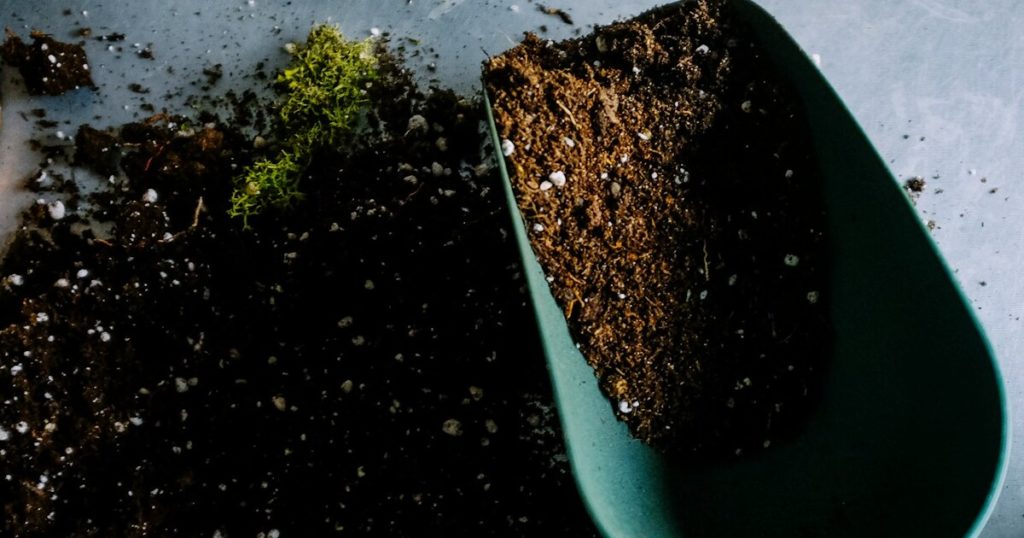
A thriving pepper plant starts with the perfect soil foundation. Peppers, native to Central and South America, flourish in well-drained, nutrient-rich soil that provides the ideal balance of organic matter and minerals. In my garden, I always make sure to amend my soil with compost and natural fertilizers to create a loose, fertile bed that encourages deep root growth and robust nutrient uptake. This not only results in vibrant foliage and heavy fruit production but also attracts beneficial soil organisms that help maintain a healthy ecosystem.
When the soil is too compact or lacks essential nutrients, it can hinder pepper growth and invite pests that seek weaker plants. By investing time in preparing your soil, you’re setting the stage for a thriving pepper garden that isn’t invasive but rather balanced and sustainable. I’ve seen firsthand how this proactive step leads to pepper plants that are resilient, productive, and capable of attracting friendly insects like solitary bees, which aid in pollination—a true gardener’s delight!
Practice Proper Spacing

Giving your pepper plants enough room to breathe is essential for both growth and disease prevention. When peppers are planted too closely together, they compete for sunlight and nutrients, which can stunt their growth and make them more vulnerable to fungal infections and pests. In my own garden, I always ensure that each plant has ample space to spread out, allowing air to circulate freely and reducing the risk of overcrowding. This thoughtful spacing also encourages beneficial insects to move about the garden, as they find a less congested and more welcoming habitat.
Proper spacing not only improves the overall health of your pepper patch but also ensures that the plants remain non-invasive. It’s a simple yet effective way to manage growth while maximizing yield and flavor. By creating a well-organized garden layout, you can enjoy the beauty of a pepper display that thrives without overwhelming its surroundings—a strategy that has brought both abundance and peace of mind to my gardening routine!
Start with the Right Variety
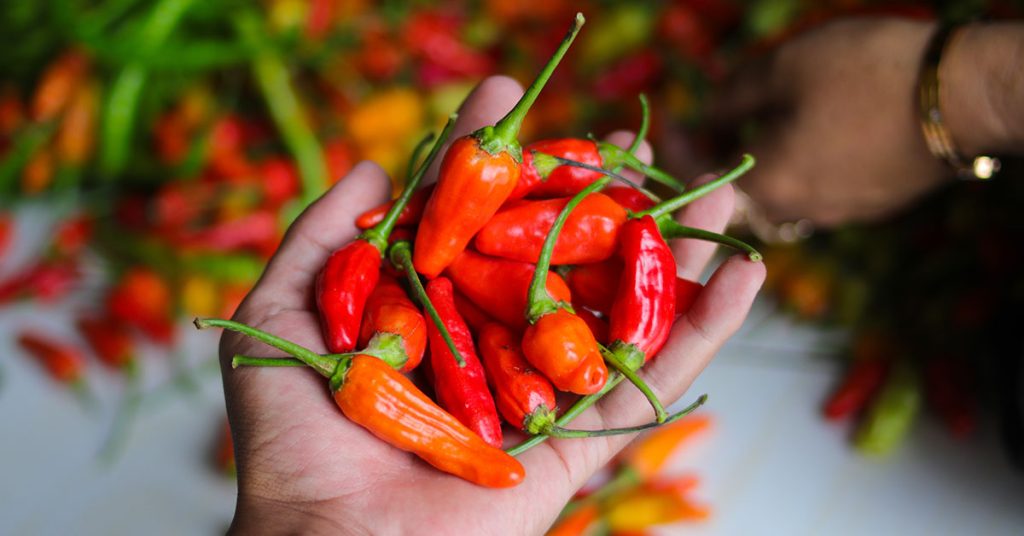
Selecting the perfect pepper variety is a game-changer for any gardener, especially when you’re eager to enjoy a bountiful harvest quickly! With peppers native to Central and South America offering an impressive range of flavors, colors, and heat levels, it’s important to choose a variety that suits your climate and taste preferences. I always research and experiment with different cultivars, from sweet bell peppers to fiery chili types, to find the best match for my garden’s conditions. Picking the right variety means you’re not only setting yourself up for success but also attracting the ideal pollinators that are drawn to those unique blossoms.
Starting with the right variety can make a huge difference in your garden’s overall performance and maintenance needs. Many pepper types have been bred to be non-invasive, ensuring they won’t overrun your space, even in smaller gardens. It’s such a relief to know that you can enjoy a diverse and manageable pepper collection that brings both flavor and visual appeal without the hassle of aggressive spreading! Each successful harvest reinforces my belief that thoughtful variety selection is the cornerstone of a thriving pepper garden.
Fertilize Regularly for Strong Growth
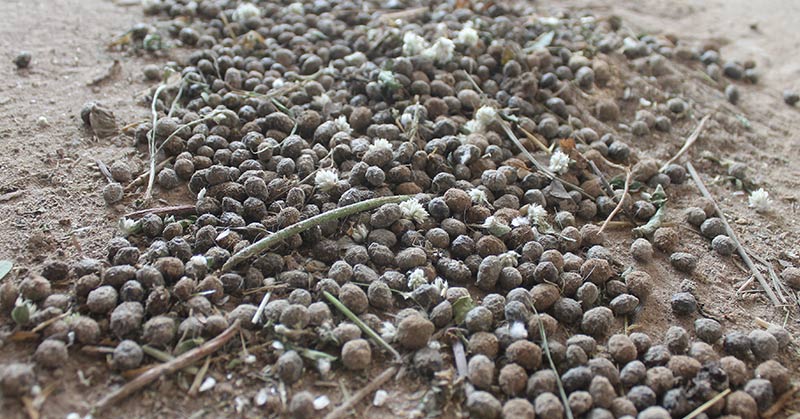
Peppers are voracious feeders that require a steady supply of nutrients to support their rapid growth and prolific fruiting. I always schedule regular fertilization using organic, balanced fertilizers to ensure my plants receive a mix of nitrogen, phosphorus, and potassium. Native to nutrient-rich soils in Central and South America, peppers thrive when their nutritional needs are met consistently, resulting in lush foliage and abundant, flavorful fruits. The regular application of fertilizer not only boosts growth but also enhances the plant’s ability to resist pests and diseases.
It’s essential to strike a balance with fertilization—too little and your peppers may struggle; too much and you risk nutrient burn or unwanted vigorous foliage growth at the expense of fruit. I’ve found that a measured approach, often using slow-release formulas, works best in creating a sustainable and productive garden. This steady nutrient supply also helps attract beneficial soil microorganisms that improve overall plant health, creating a resilient pepper patch that’s both bountiful and beautifully managed!
Harvest at the Right Time
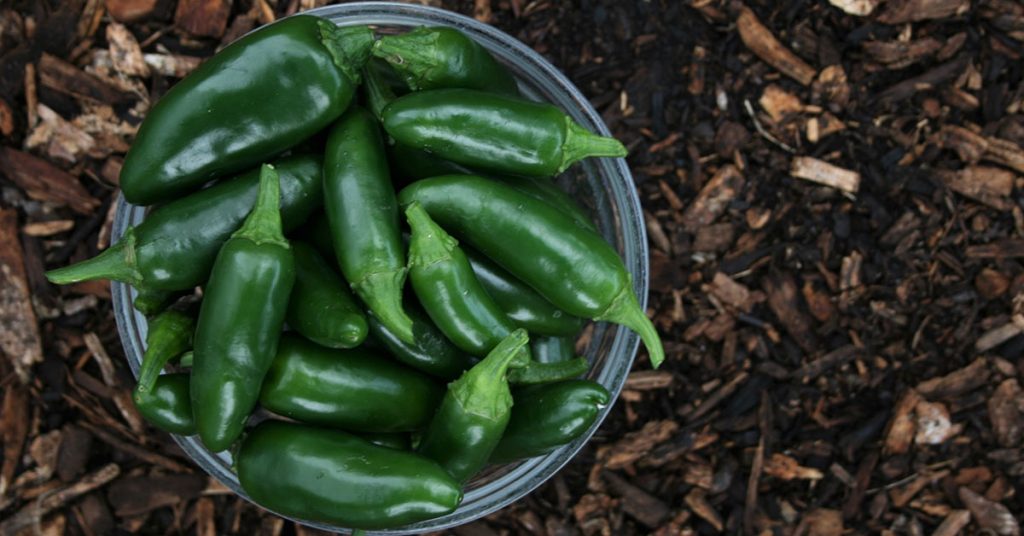
Timing is everything when it comes to harvesting peppers, and knowing when to pick them can significantly impact flavor and yield. Peppers often reach their peak flavor and nutritional value when left to mature on the plant, yet waiting too long can sometimes invite pest issues or over-ripeness. I’ve learned to keep a close eye on the color and texture of the fruit, which varies among different varieties native to Central and South America. This careful observation not only ensures a delicious harvest but also supports the natural growth cycle of the plant, allowing it to attract pollinators year after year.
Harvesting at the right time also means you can enjoy a continuous cycle of production throughout the growing season. By gently removing ripe peppers, you encourage the plant to produce more, leading to an ongoing bounty that is both rewarding and practical. This balanced approach to harvesting has saved me from the disappointment of overripe or pest-damaged fruit and has contributed to a thriving, non-invasive garden that fills my kitchen with fresh, homegrown flavor!
Manage Pests and Diseases
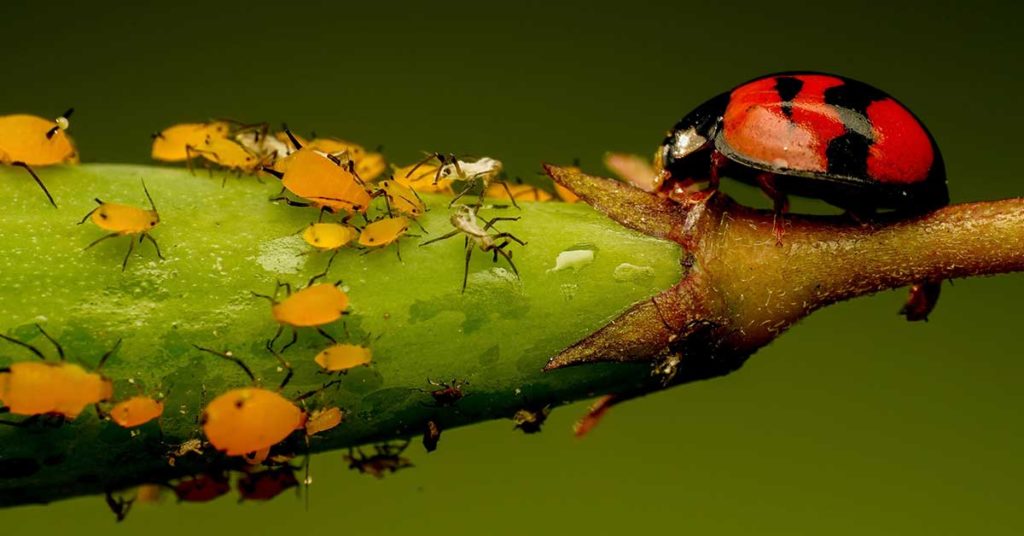
Dealing with pests and diseases is one of the trickiest aspects of growing peppers, but with the right approach, you can maintain a healthy, thriving garden. Peppers, originating from Central and South America, are naturally resilient but can sometimes attract pests such as aphids, spider mites, and whiteflies that disrupt growth. I’ve found that integrated pest management—using natural predators, companion planting, and organic sprays—works wonders to keep these nuisances at bay without harming beneficial insects that help with pollination. It’s such a bummer when pests take over your garden, so proactive measures are key!
Regular monitoring and early intervention are essential in preventing outbreaks that could compromise your pepper yield. I often inspect my plants closely, especially during peak growing times, and I’m always ready with a gentle, organic solution to address any signs of trouble. This approach not only protects my peppers but also preserves the ecological balance in my garden, ensuring that the plants remain non-invasive and continue to attract helpful pollinators. Each time I successfully fend off an infestation, I’m reminded that a vigilant gardener is the best defense against nature’s challenges!
Companion Plant for Mutual Benefits
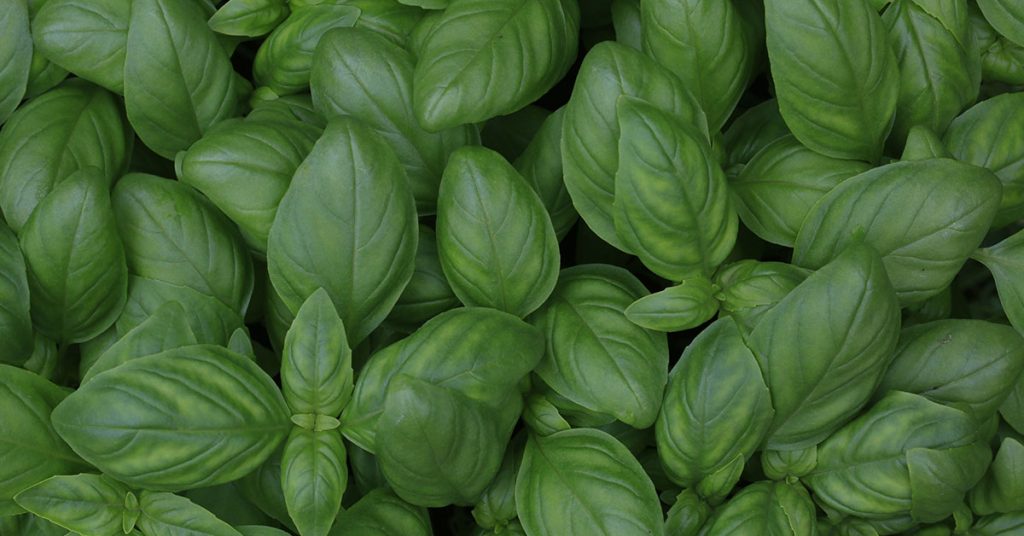
Companion planting is a fantastic strategy to boost pepper growth and create a harmonious garden ecosystem. By pairing peppers with compatible plants—such as basil, marigold, or even onions—you can enhance flavor, deter pests, and attract beneficial pollinators! Many of these companion plants are native to regions with similar climates as peppers, and their natural behaviors often complement one another. I’ve noticed that when peppers grow alongside these allies, there’s a remarkable improvement in overall plant health and productivity, making your garden feel like a lively, supportive community.
Not only do companion plants help ward off pests and diseases, but they also contribute to a more dynamic garden environment by attracting bees, butterflies, and even small beneficial insects that act as natural protectors. This method helps create a balanced ecosystem where every plant plays a role, reducing the risk of invasive overgrowth while ensuring a steady flow of nutrients and support. Every time I arrange my garden with thoughtful companions, it feels like I’m orchestrating a beautiful symphony of nature—a harmonious blend of colors, scents, and life that enriches both the garden and my spirit!
Provide Optimal Sunlight

Peppers are sun-loving plants that require plenty of bright, direct light to produce their best fruits and vibrant colors. Native to the sunny regions of Central and South America, they thrive under full sun conditions and turn even the dullest garden into a radiant display of green and red. In my experience, placing peppers in a spot where they can soak up at least 6 to 8 hours of sunlight per day makes all the difference. The abundant light not only fuels photosynthesis but also helps attract a variety of beneficial insects that add an extra layer of life to the garden!
Ensuring optimal sunlight is one of the simplest yet most effective ways to encourage healthy growth and robust fruiting. It’s such a bummer when your garden is overshadowed by trees or structures, but with a little planning, you can maximize light exposure for your peppers. This focus on sunlight creates a vibrant, energetic garden environment where each plant flourishes and remains non-invasive, turning your outdoor space into a sunlit haven of flavor and beauty. Every time I bask in the glow of a well-lit pepper garden, I’m reminded that nature’s brilliance begins with the warmth of the sun!
Prune and Support for Better Airflow
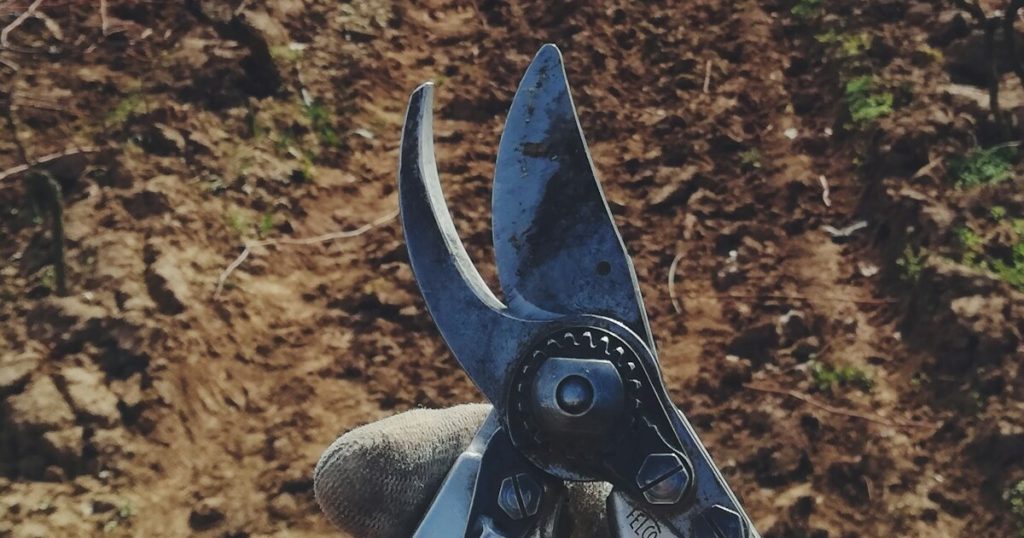
Pruning and providing support for your pepper plants is an essential practice to promote vigorous growth and prevent diseases. As peppers mature, they can become top-heavy or overcrowded, hindering proper airflow and attracting pests. I’ve found that a little strategic pruning—removing dead or excessive growth—can make a world of difference, ensuring that each plant receives the light and space it needs to thrive. Additionally, staking or using small supports helps maintain structure and reduces the risk of breakage, especially when heavy fruit sets in!
This careful management not only enhances the plant’s natural beauty but also minimizes the chances of invasive spreading by keeping the growth contained and organized. In my garden, supporting and pruning my peppers has led to improved air circulation, which in turn discourages fungal diseases and creates an environment where beneficial insects can easily navigate. Every time I see a neatly pruned and supported pepper plant standing tall, it reinforces the idea that a little maintenance goes a long way in cultivating a healthy, high-yield garden!
Water Consistently and Properly
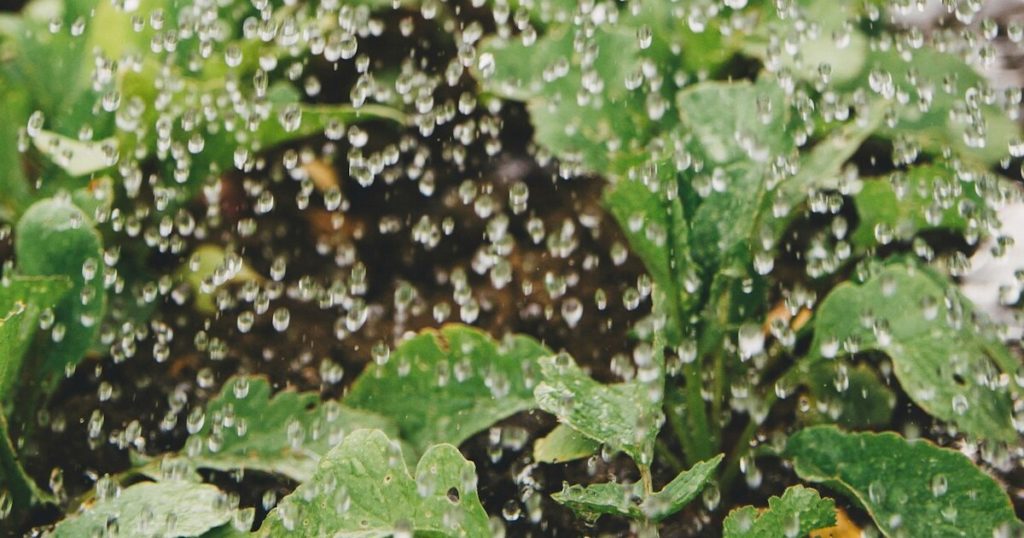
Consistent watering is the lifeblood of any successful pepper garden, ensuring that these sun-loving plants receive the moisture they need to produce abundant, flavorful fruit! Originating from regions that experience distinct wet and dry periods, peppers require a balanced watering regimen that avoids both drought stress and waterlogging. I’ve learned that maintaining even soil moisture not only keeps the plants happy but also attracts beneficial insects that rely on a steady environment for nesting and pollination. A well-hydrated pepper plant is a vigorous, resilient one that stands tall amidst the challenges of summer heat!
It’s important to tailor your watering schedule to the specific needs of your garden, keeping in mind factors like soil type, sun exposure, and local climate. Drip irrigation or soaker hoses can be especially effective in delivering water directly to the roots without over-saturating the foliage. This mindful approach to watering helps prevent diseases and supports a non-invasive, sustainable garden ecosystem. Every time I see my pepper plants perk up after a good watering session, I’m reminded that consistent care is the secret ingredient to a thriving, bountiful garden!