
It’s peak growing season, and your herb garden is bursting with potential! August’s long, hot days can be tough on tender foliage, but with the right lineup of plants and a few simple strategies, your beds will stay lush and productive. Whether you’re battling scorching sun or marauding pests, these ten essentials will bolster your plot, boost flavor, and welcome beneficial wildlife into your leafy oasis.
I know it’s such a bummer when your basil wilts under afternoon heat or mint goes rogue, overtaking every pot in sight. That’s exactly why I’ve gathered these must-haves—to balance vigor with control, encourage pollinators (and even nesting bees!), and keep your kitchen stocked with fragrant sprigs well into fall. Let’s dive in and give your garden the August upgrade it deserves!
Rosemary (Salvia rosmarinus)
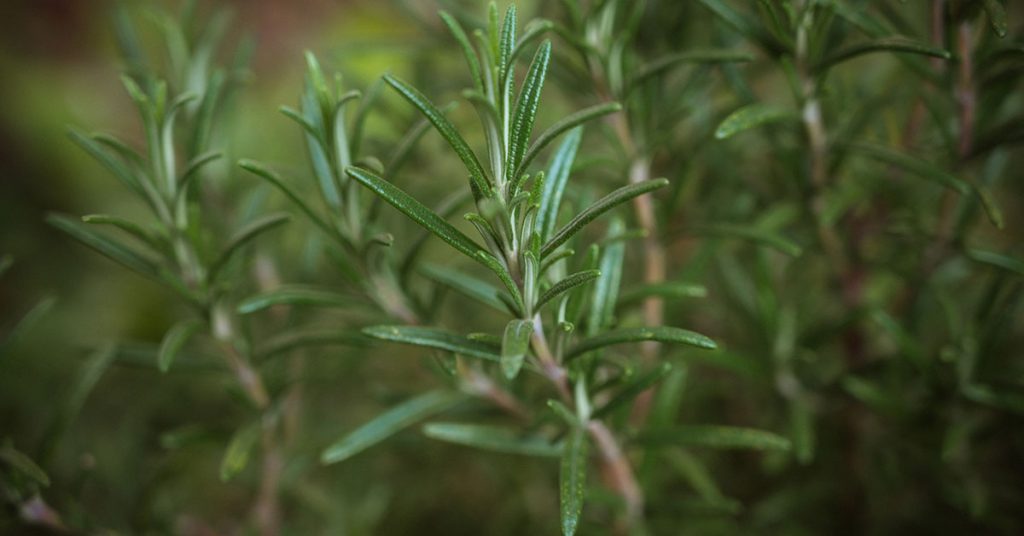
One of my favorite Mediterranean imports, rosemary thrives in dry, sun-baked conditions—exactly what August delivers! Native to the coastal regions of southern Europe, it isn’t invasive, so you can plant it confidently without fear of it overrunning other herbs. A mid-month pruning shapes the woody shrub and encourages dense new growth, ensuring those fragrant sprigs stay tender and potent.
Beyond its culinary uses, rosemary’s pale blue flowers are a magnet for solitary bees. You’ll often spot tiny nesting tunnels dug in nearby soil banks or hollow plant stems, and hearing that gentle buzz as they go about their work never fails to delight! Supporting these native pollinators helps keep the entire garden ecosystem flourishing.
Parsley (Petroselinum crispum)
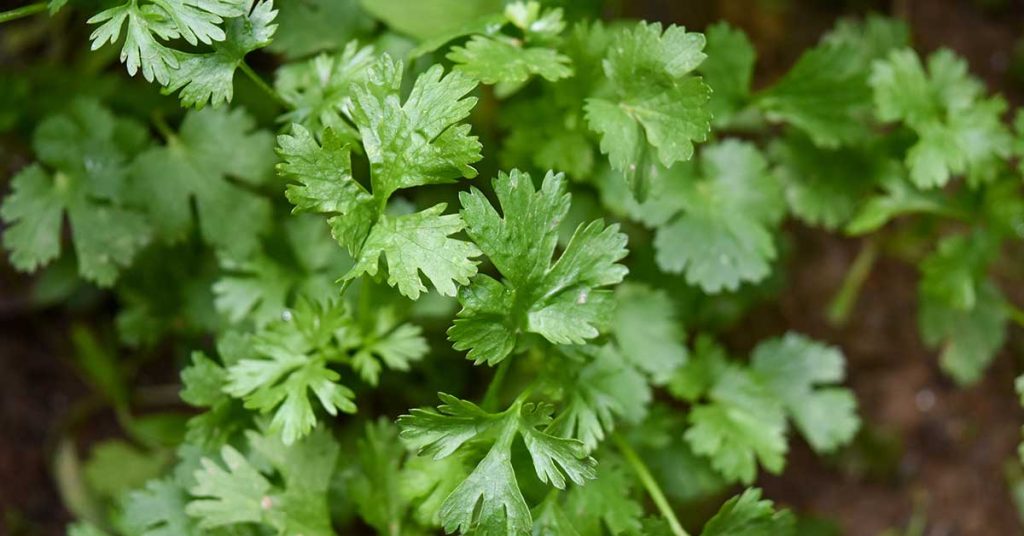
Parsley, hailing from the central Mediterranean, is a taproot champion when summer’s heat stresses shallower-rooted herbs. It’s non-invasive, forming tidy clumps that respond beautifully to regular harvests. Snip the outer leaf stalks throughout August to prevent bolting and maintain that glossy, deep-green foliage perfect for garnishes and pesto!
Flowering parsley is a boon for beneficial insects: hoverflies and parasitic wasps flock to its delicate umbels, nesting among nearby stems and feasting on aphids that threaten your other herbs. Watching these tiny allies patrol your garden is like having a personalized pest-control squad on standby!
Mint (Mentha spp.)
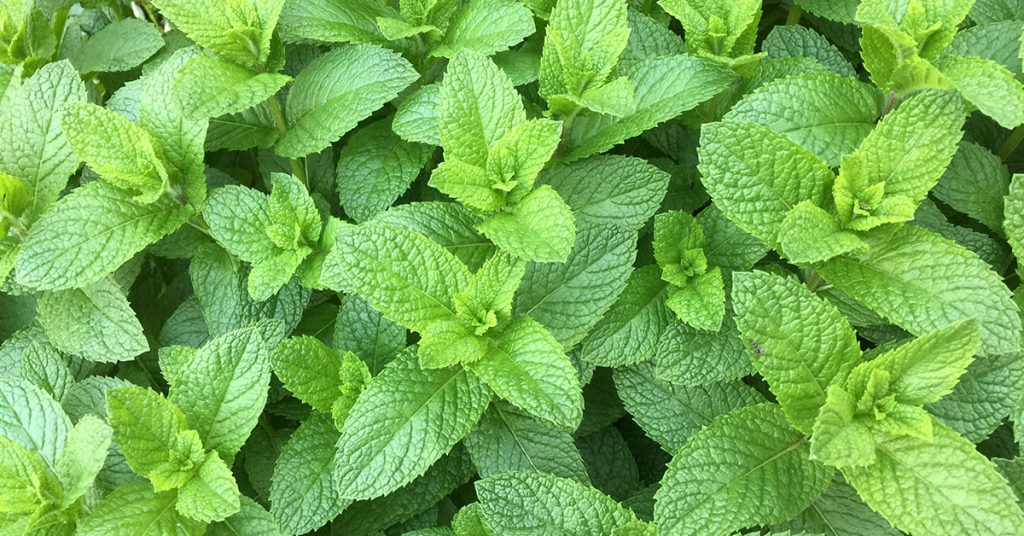
This vigorous hybrid from Europe and Asia deserves respect—mint can be delightfully prolific but also downright invasive if left unchecked. I like to tuck mine into sunk-in containers so it can spread its roots without escaping the bed. Frequent harvesting keeps the leaves lush and intensely aromatic, ideal for refreshing teas or cocktails as the temperature soars!
When mint blooms, its lavender flowers attract hoverflies and small solitary bees, nesting in cracks between paving stones or in abandoned snail shells at the soil surface. It’s a mini pollinator festival every time you wander past!
Basil (Ocimum basilicum)
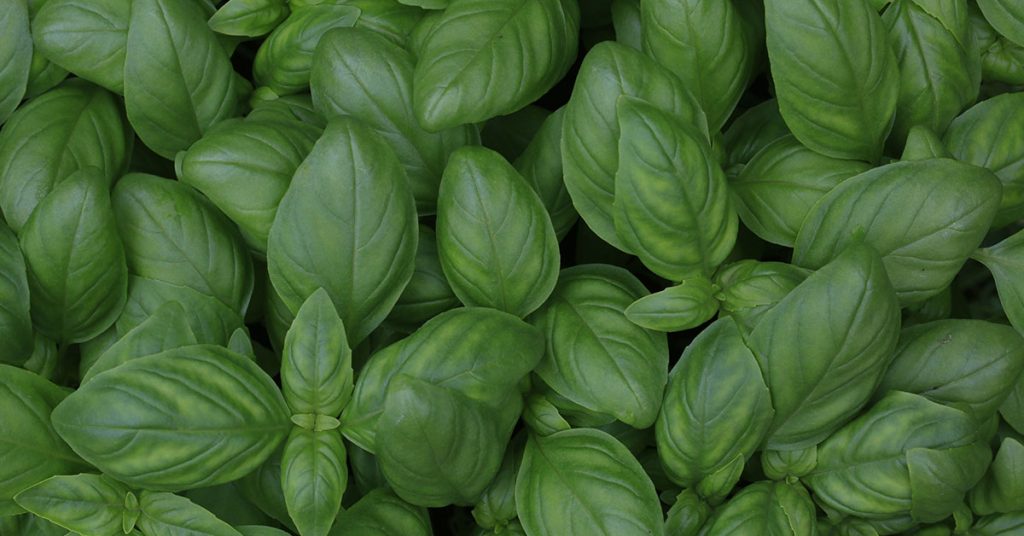
Basil’s tropical Asian origins shine through in its love of warmth, but August’s blazing afternoons can scorch its tender leaves. I’ve found that a light shade cloth during peak sun hours makes all the difference—plus, regular pinching of flower buds redirects energy back into leaf production, giving you flavorful harvests well into early fall.
Honeybees and bumblebees can’t resist basil blooms, often nesting in bundles of hollow stems or tiny crevices in nearby wood piles. Leaving a few flowers intact is a small trade-off for the pollination services they provide to your other garden favorites!
Lemon Balm (Melissa officinalis)
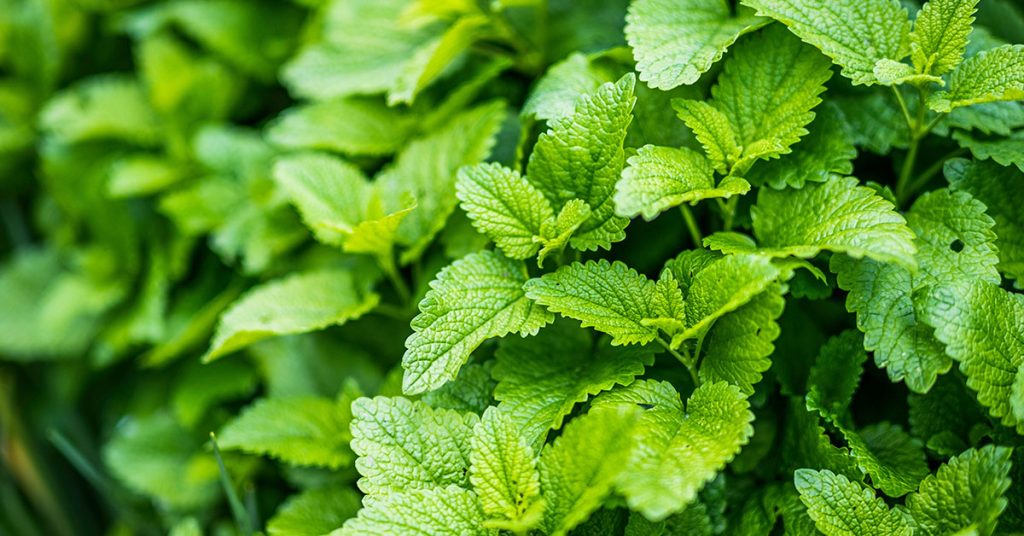
Lemon balm, native to southern Europe and western Asia, spreads via runners and can be surprisingly invasive if you’re not vigilant. I love to harvest those vigorous shoots for morning tea, then trim back the excess to contain its enthusiasm. A regular mid-August haircut promotes fresh, zesty foliage without allowing it to take over the garden.
Its pale-yellow, nectar-rich flowers are a magnet for bumblebees, which often nest in old rodent burrows or hollow stems. Catching a glimpse of them humming amid the lemony blooms always feels like a sweet summer surprise!
Oregano (Origanum vulgare)
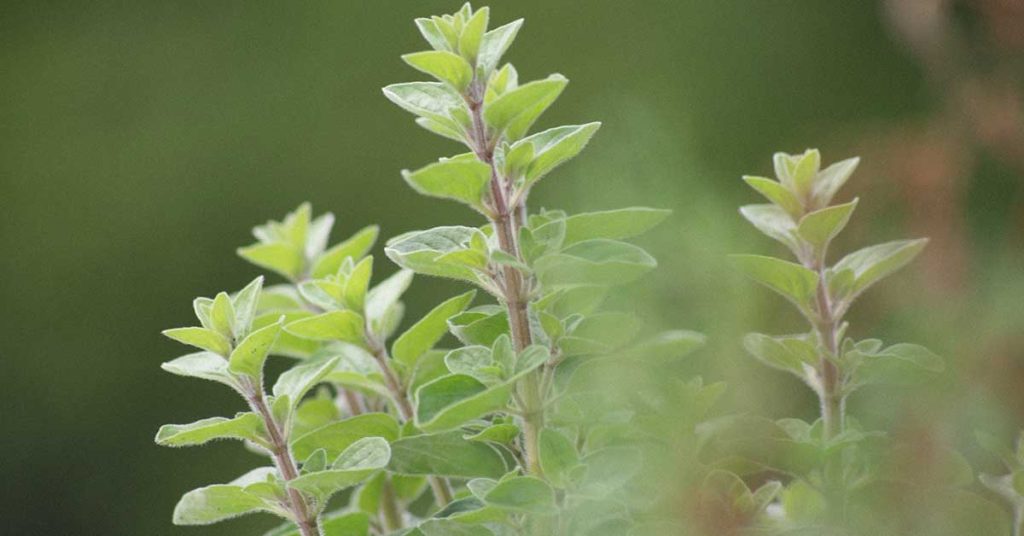
This Mediterranean perennial adores well-drained soil and thrives on August’s heat, spreading slowly via underground rhizomes without choking out neighbors. Pinch off spent flower clusters to encourage bushy, flavorful growth—perfect for tossing into sauces as you prep for fall canning!
Bees swarm to oregano blossoms, setting up ground nests in the soft, unmulched soil beneath stepping stones. Their constant buzz transforms your herb patch into a lively little ecosystem.
Chives (Allium schoenoprasum)
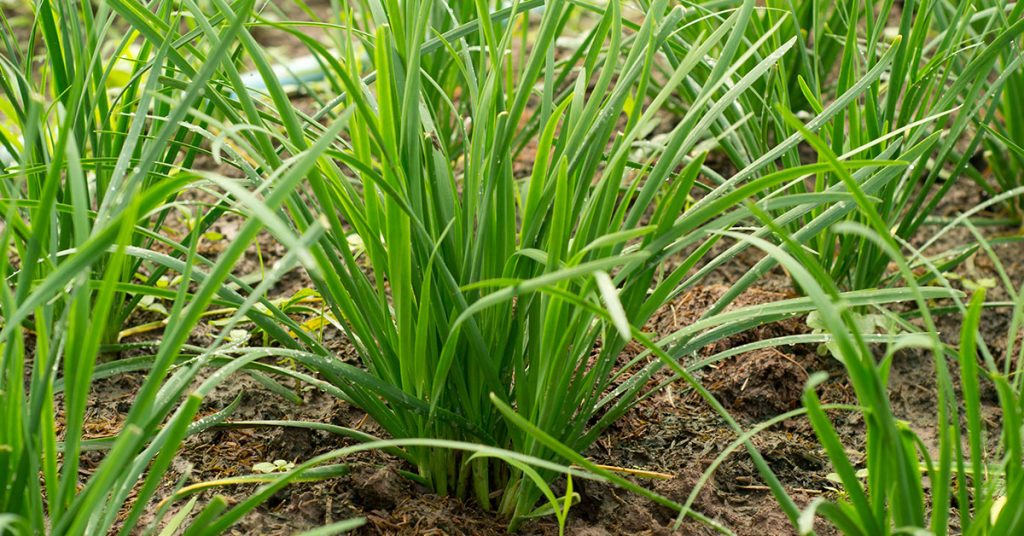
Chives bring a tidy, clumping habit from their European and Asian roots, rarely wandering from their chosen spot. Their hollow leaves remain upright even in blazing sun, and trimming regularly keeps them from diverting energy into flowers until you’re ready to save seeds.
When they bloom, those purple pom-poms become bee hotspots—bumblebees love nesting in grassy tufts or bare patches nearby. Seeing them emerge dusted in pollen is like watching nature put on a show!
Thyme (Thymus vulgaris)
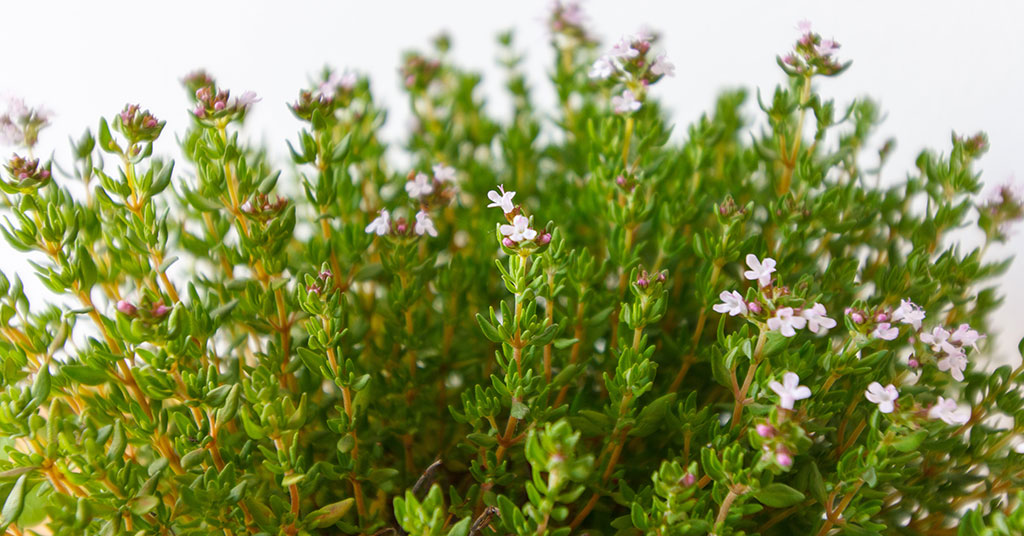
This hardy herb from the Mediterranean loves shallow soil and drought, making it a perfect August performer. Thyme forms tight mats that resist invasiveness, and a light trim after flowering stimulates fresh shoots that hold incredible flavor.
Tiny solitary bees carve nests into dry soil banks under rocks or potted rims, and thyme’s nectar-rich blooms guarantee a steady supply of buzzing pollinators. Your oregano and rosemary patches will thank you for planting thyme nearby!
Cilantro (Coriandrum sativum)
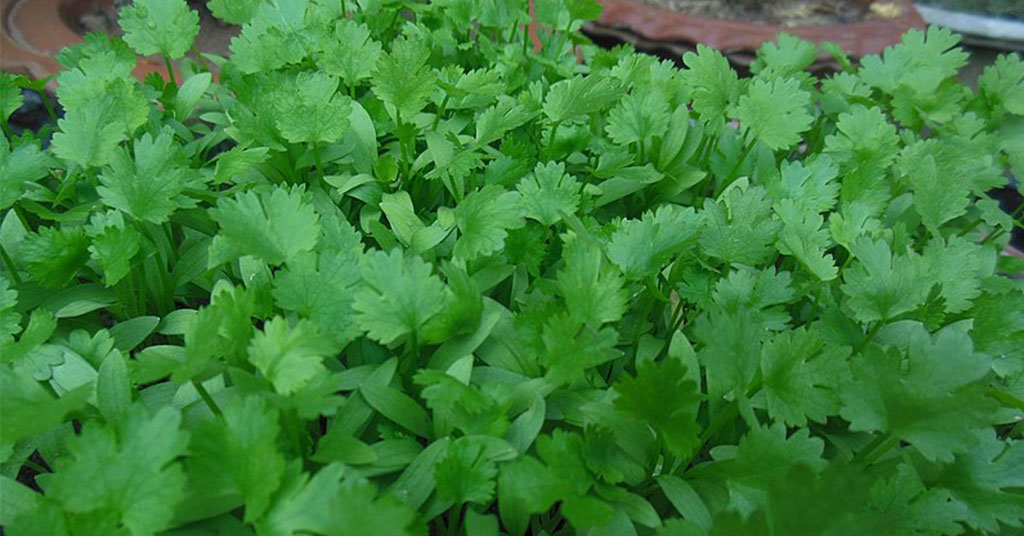
Cilantro, native to Southern Europe and Western Asia, can bolt quickly in the heat, but a bit of afternoon shade and deep morning watering can coax another flush of feathery leaves. Since it isn’t invasive, you can rotate sowings through August for continuous harvests of vibrant garnish material.
When cilantro reaches bloom, its flat umbels host parasitic wasps that prey on aphids lurking in tomatoes or basil—nature’s own integrated pest management! Encouraging those wasps keeps your entire garden healthier without a drop of chemicals.
Dill (Anethum graveolens)
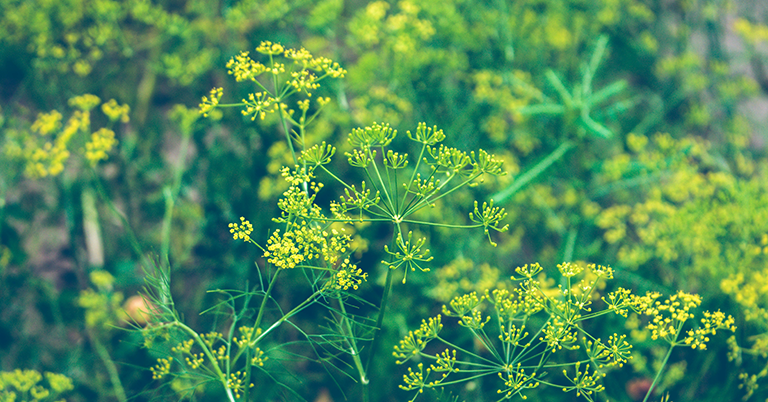
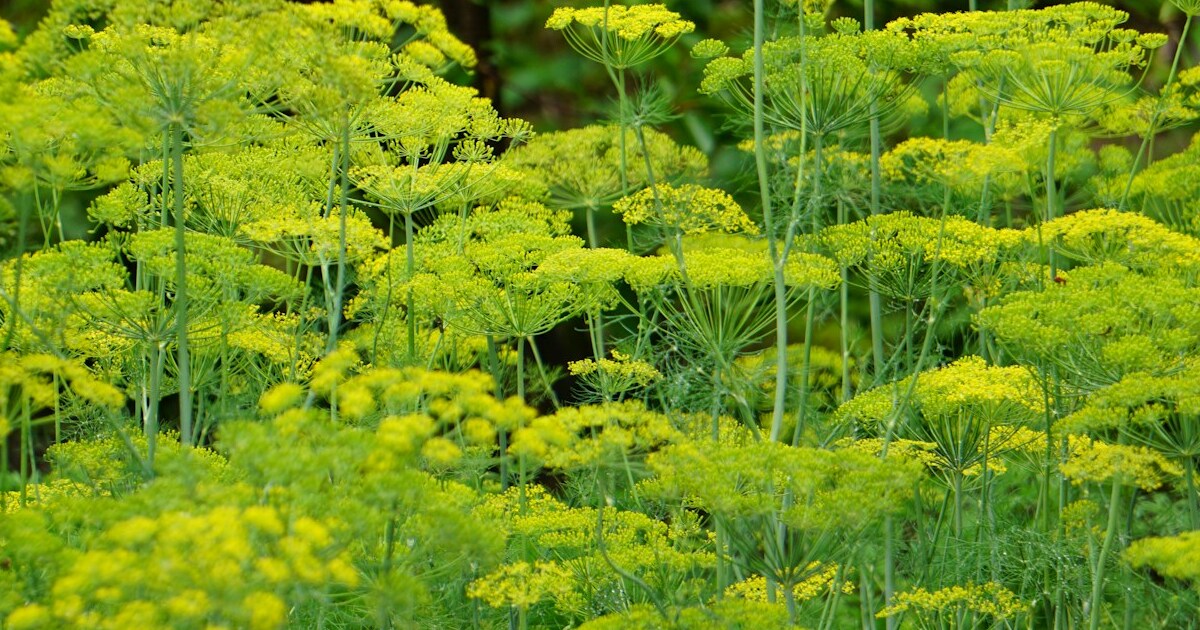
Dill’s delicate fronds hail from Southwestern Asia and reseed readily—sometimes too readily—so I harvest seed heads before they drop if I want to avoid an overgrown patch. Letting a few self-sow, though, guarantees free dill next spring, and it never feels wasteful when you use those seeds in pickles!
Those umbrella-shaped flowers are prime real estate for lacewings and ladybugs, which lay eggs and later feed on garden pests. Plus, honeybees flock to dill blooms when other sources are scarce, turning your herb garden into a buzzing hotspot of activity!