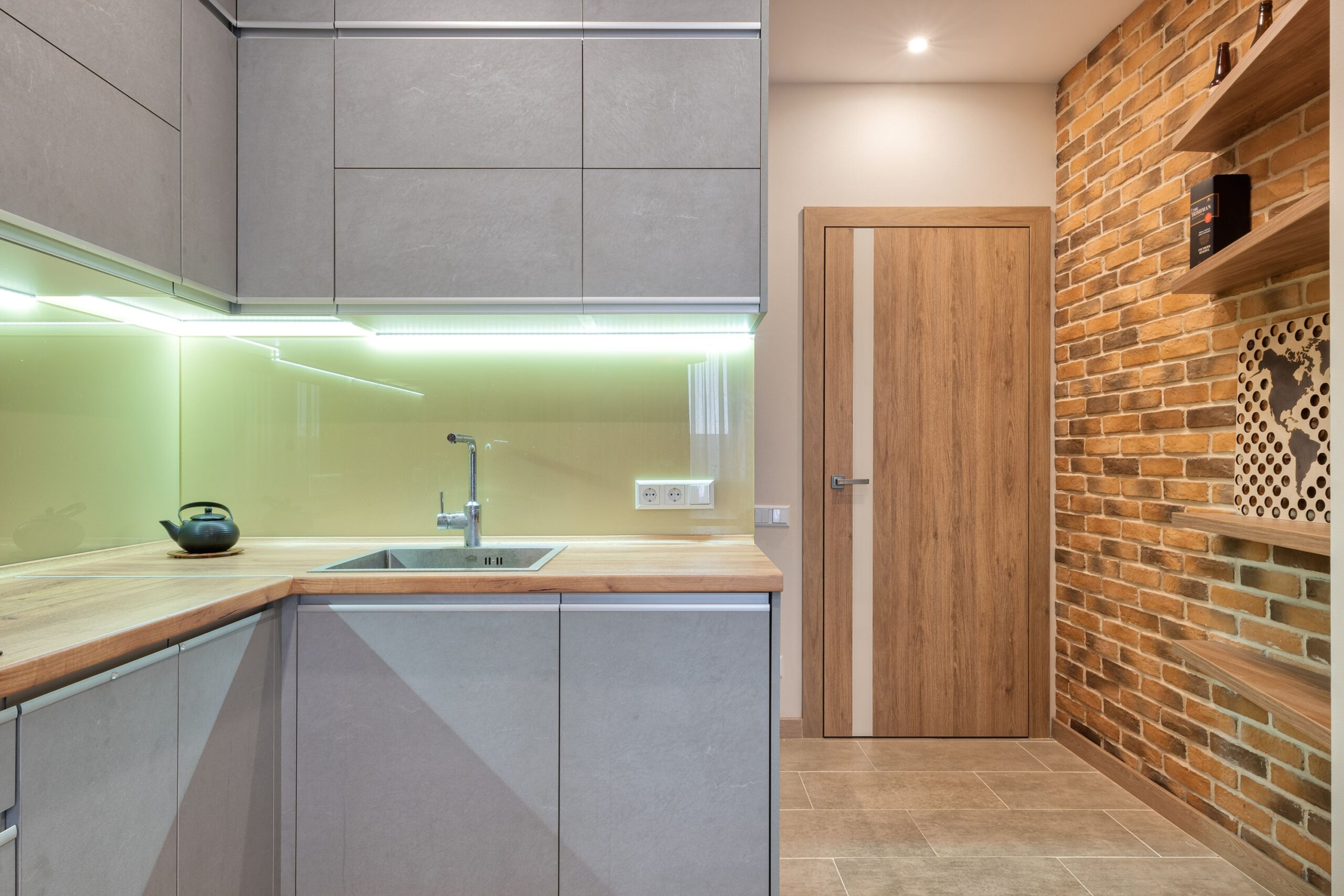

Most of us treat the cabinet under the kitchen sink as a convenient catch-all. It’s dark, it’s out of view, and it feels like a logical home for anything loosely related to cleaning. The problem is that the space has a few properties that quietly work against almost everything you put in it.
That dark, damp cabinet can actually be one of the worst places in your kitchen to keep certain things. Heat, humidity, leaks, and chemical reactions can turn that space into a hidden hazard. What follows is a gallery-style breakdown of the specific items that don’t belong there, and why each one deserves a different home.
1. Bleach, Ammonia, and Harsh Chemical Cleaners
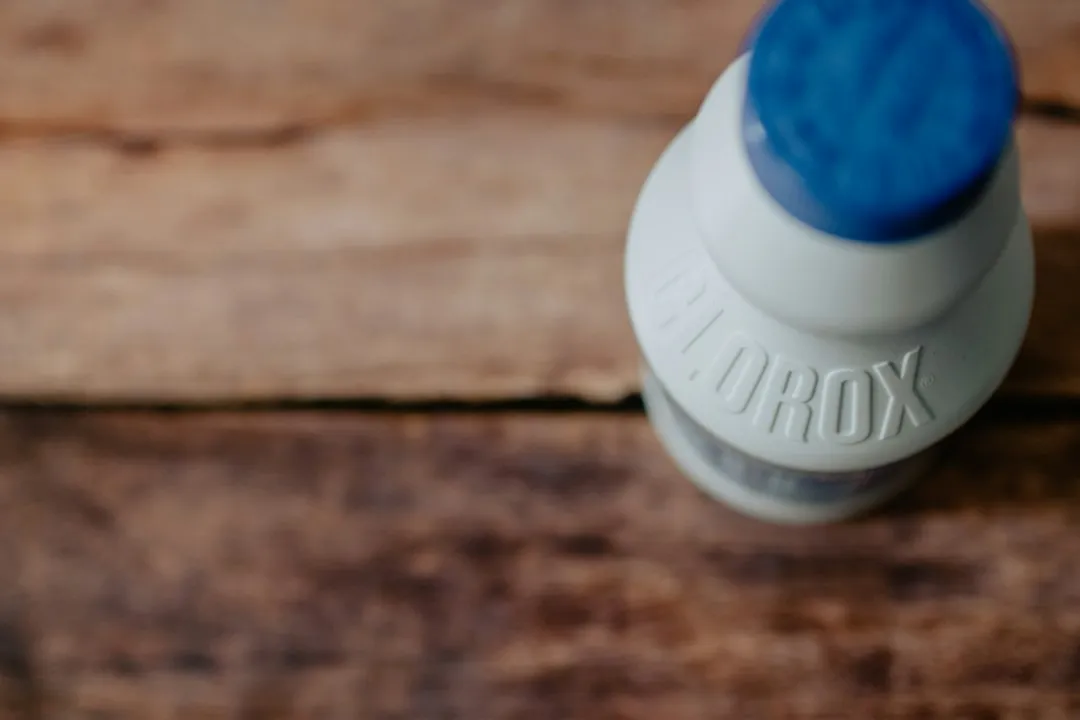
While it might seem natural to store your arsenal of sprays and scrubs under the sink, combining these products in one confined space is risky. Bleach, ammonia, and other heavy-duty cleaners can react dangerously if their containers leak or mix, even unintentionally.
Storing incompatible chemicals together creates real toxic gas risks. Bleach mixed with vinegar produces chlorine gas, while bleach mixed with ammonia yields chloramine vapors, both capable of causing acute respiratory injury.
Plumbers are increasingly seeing under-sink cabinets with corroded pipes, rusted metal parts, and failing plumbing components caused by chemical fumes. Even when bottles are closed, many cleaners release fumes that react with plumbing materials. The damage builds gradually and often goes unnoticed until a repair bill arrives.
2. Flammable Products, Aerosol Cans, and Solvents
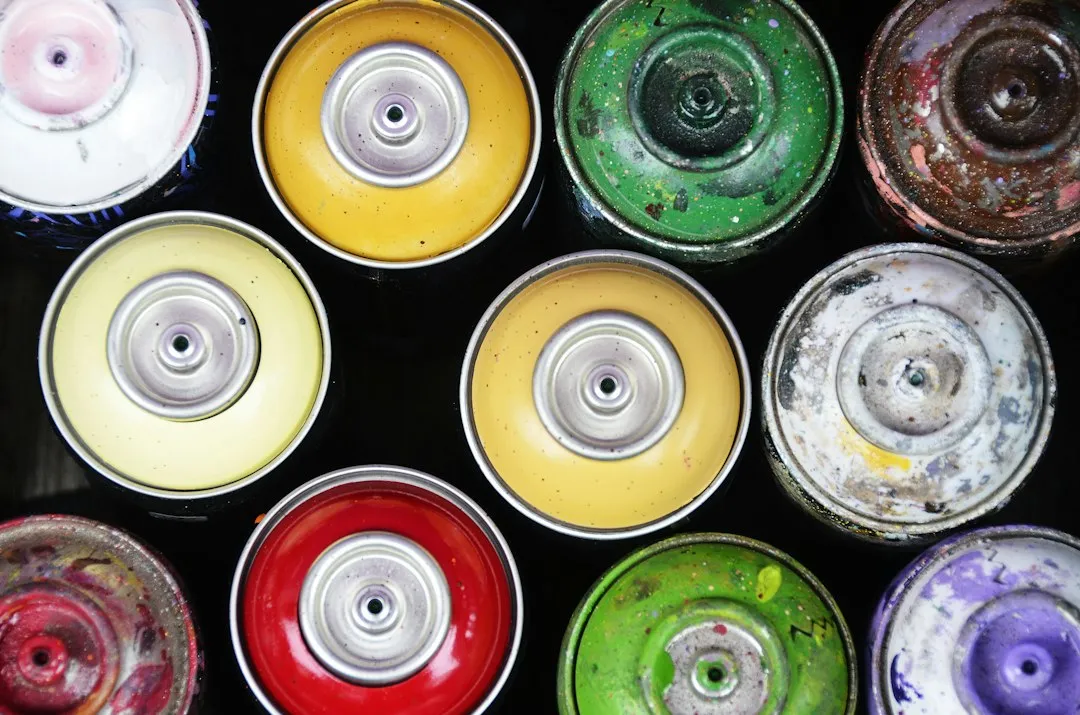
Paint thinner, aerosol cans, and anything else labeled flammable should never be stored under the kitchen sink. This is exceptionally important if you have a garbage disposal that generates heat, as it’s an unnecessary fire hazard.
Paint, solvents, and aerosol sprays should never be stored under the kitchen sink. The extreme temperature fluctuations, humidity, and water leaks can cause them to become hazardous the longer they’re exposed to this environment.
Paint thinner and other flammable items pose particular safety risks if your sink cabinet has a garbage disposal unit, which can get warmer than expected. The best place to store these items is in a climate-controlled room with proper ventilation, far from areas where children can access them.
3. Paper Towels and Paper Products
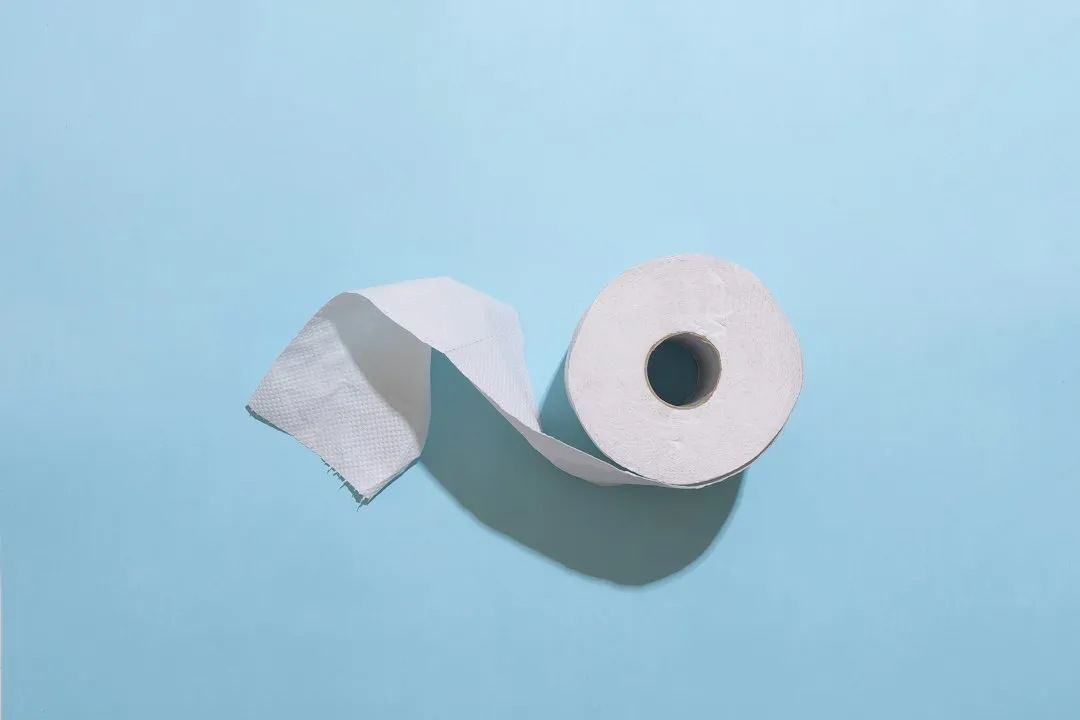
Paper towels are incredibly absorbent, which is a bad combination with the ambient moisture below the kitchen sink. This can lead to the towels developing mold, meaning you’ll have to throw them away and waste money.
If paper materials become damp and stay that way, mold and mildew are likely to start forming after just a day. That’s a faster timeline than most people expect.
Paper towels, napkins, paper plates, and paper bags are not good supplies to store under the kitchen sink. Not only can these items get damp and mildewy, they may also become contaminated with materials you wouldn’t want near your food.
4. Small Kitchen Appliances and Electronics
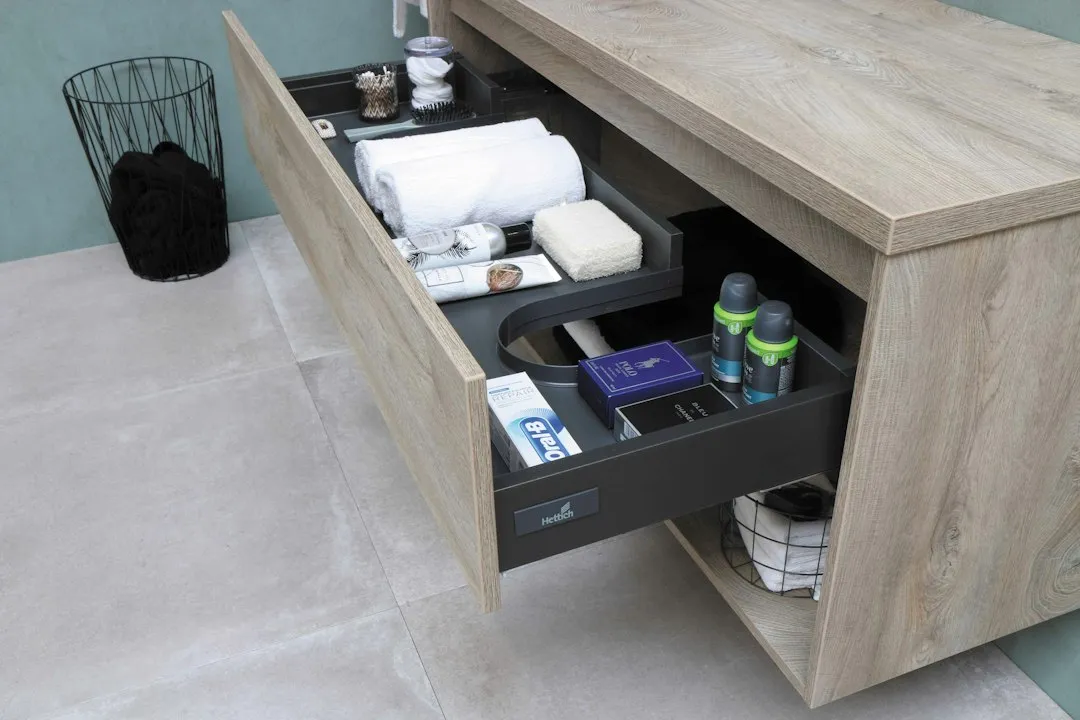
Handheld vacuum cleaners can end up under the sink, as can countertop appliances. However, you should avoid storing anything electronic here. Since this space is situated directly beneath a sink, pipes are a given, and should one spring a leak, it can cause irreparable damage to nearby electronics.
If a leak occurs, an appliance may short circuit and become defunct or, worse, potentially cause a fire. It’s simply not worth the risk, so your best bet is to either get creative with appliance storage or declutter any you’re no longer using.
Young children can easily find their way into this cupboard as well, so appliances with sharp blades should never be stored here. It’s a combination of water risk and access risk that makes this a firm no.
5. Pet Food and Treats
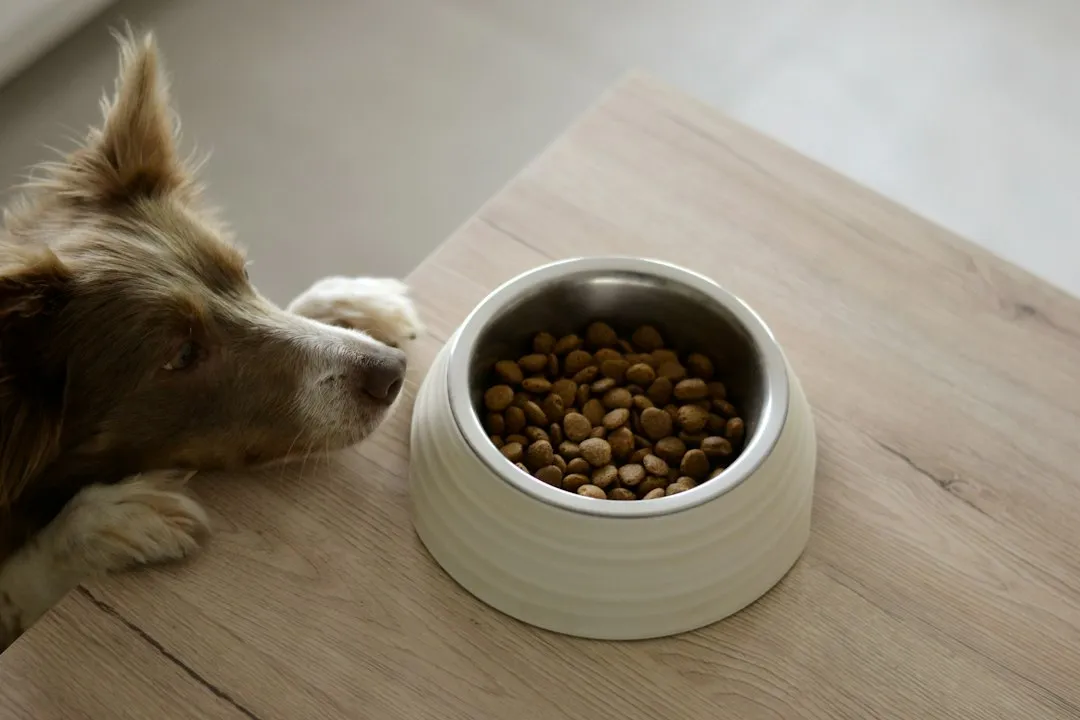
Keeping bags of dry pet food underneath the sink poses an unnecessary health risk to pets. If the bag comes into contact with moisture, the food could develop mold and make your pet sick. Store pet food in a secure location, such as a pantry.
The FDA has issued over 100 pet food recalls related to mold contamination and mycotoxins since 2018. Both dry kibble and wet canned food are susceptible to mold growth when exposed to moisture, heat, or improper storage conditions, and the consequences for dogs or cats can range from mild digestive upset to life-threatening aflatoxin poisoning.
Under the kitchen sink is also where many people store cleaning supplies and chemicals, which could contaminate your pet’s food. That double risk, moisture plus proximity to chemicals, makes this spot particularly unsuitable.
6. Medications, Vitamins, and Supplements
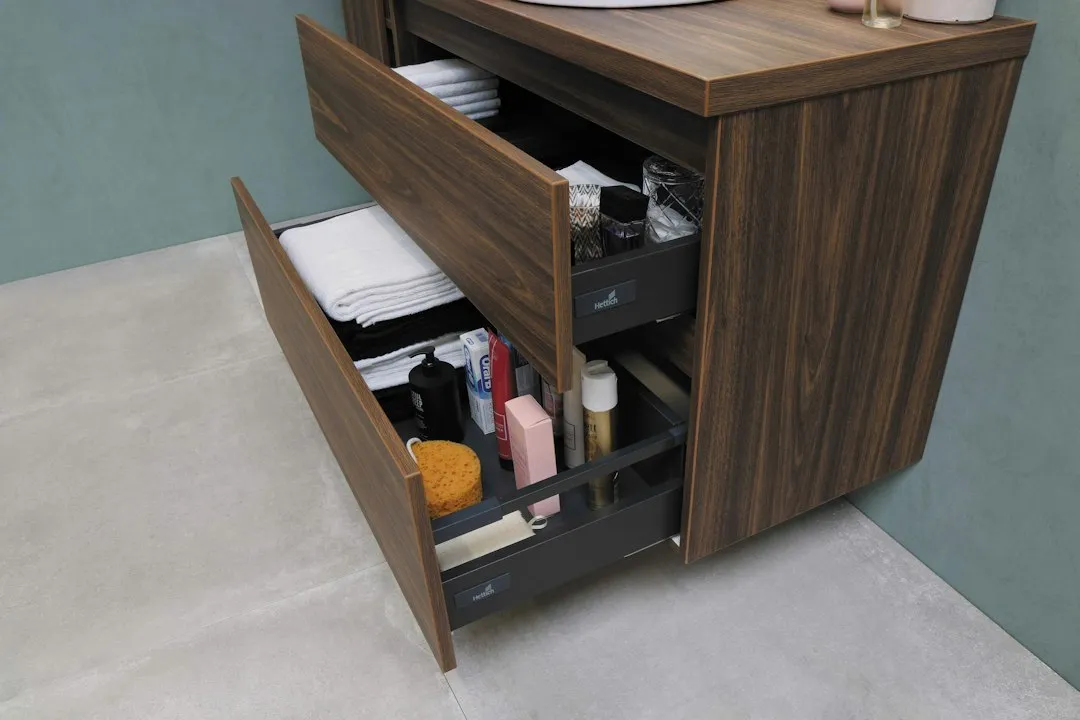
The kitchen may seem like a convenient place to keep everyday medications or supplements, but under the sink isn’t the right spot. These products generally need protection from moisture, and storing them directly alongside pipes introduces an avoidable variable.
Medicines and supplements need dry storage away from water pipes inside the home. Always follow the individual product’s storage instructions and choose an appropriate location away from the sink.
The under-sink area is uniquely hazardous due to chronic moisture exposure from pipe condensation and leaks, temperature fluctuations, poor ventilation with very low air exchange rates, and proximity to plumbing joints prone to microbial biofilm accumulation. All of that works directly against the stable conditions that medications require.
7. Food of Any Kind, Including Produce
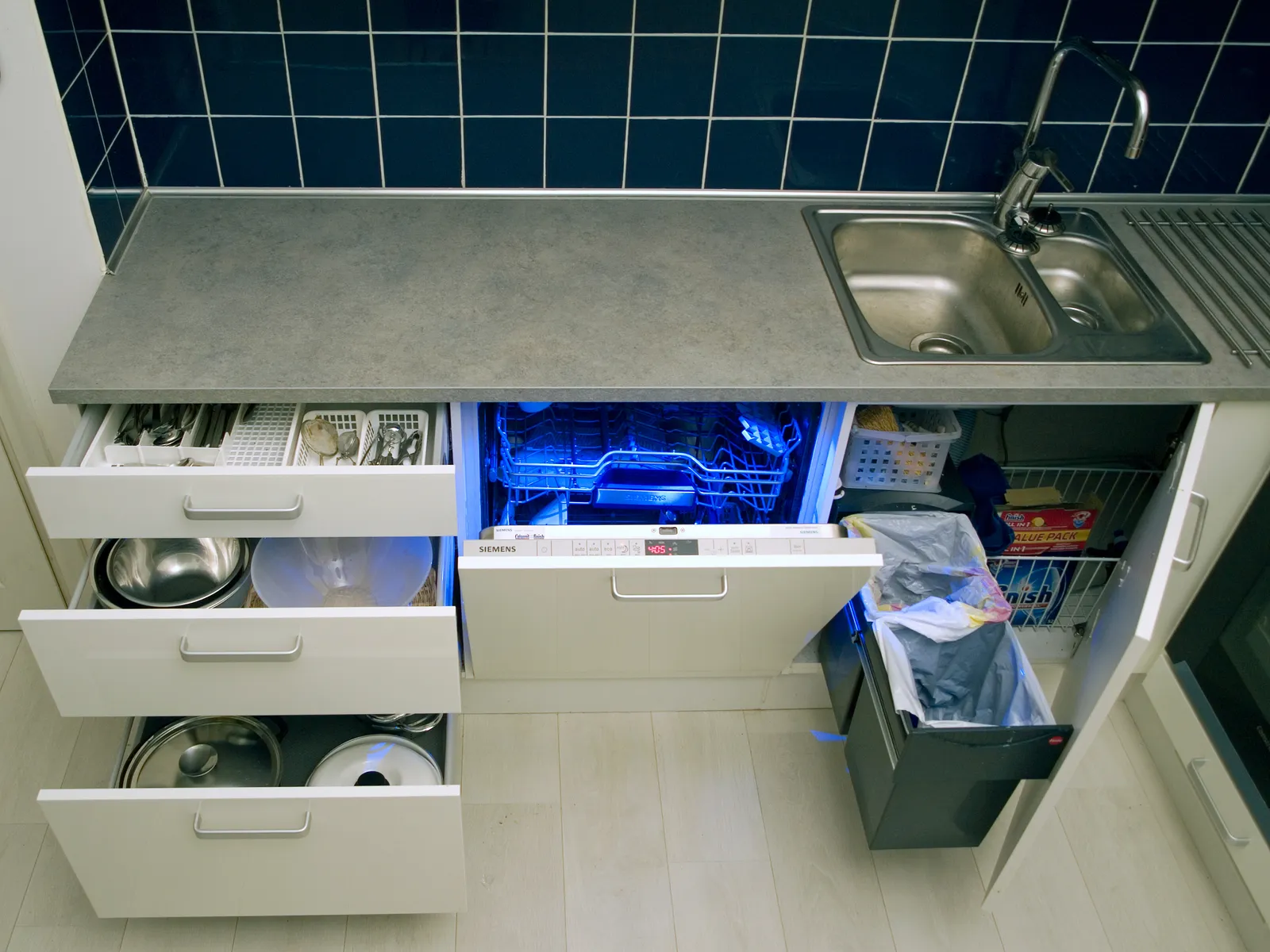
A little extra kitchen storage is tempting, but the cabinet beneath the sink shouldn’t become an extension of your pantry. A small leak can go unnoticed long enough to soak boxes, bags, and other food packaging, and storing food alongside household cleaning products creates an unnecessary contamination risk.
Produce and dry foods may mold under the sink. The humidity alone is enough to accelerate that process, even without any visible water leak.
The space under the kitchen sink creates the perfect conditions for chemical reactions, contamination, and accidental poisoning that could be easily prevented by understanding what you’re actually storing and where it belongs. Food, in any form, simply does not belong in that environment.
8. Batteries
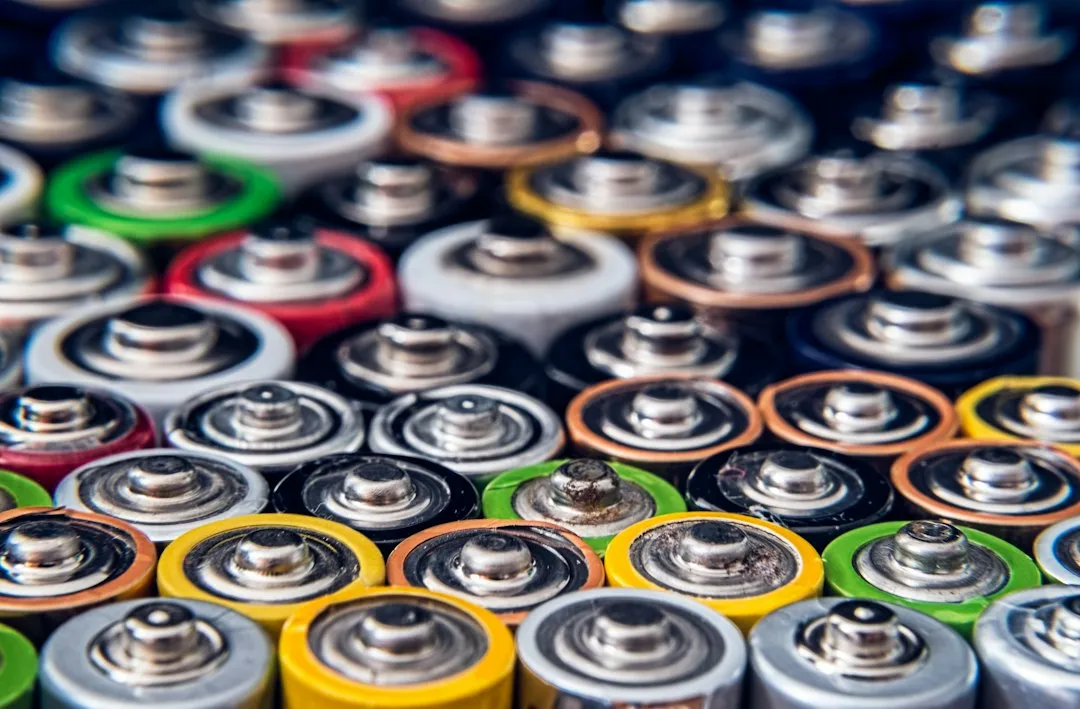
Moist, damp environments can cause batteries to corrode, leading to health risks and property damage. Store batteries in a dry, cool area, such as a drawer or a toolbox compartment.
Loose or old batteries should never live under your sink. In damp conditions, batteries can corrode, leak chemicals, overheat, or short-circuit. The corrosive residue they can leave behind is difficult to clean and capable of staining or damaging the cabinet itself.
9. Important Documents and Paper Records
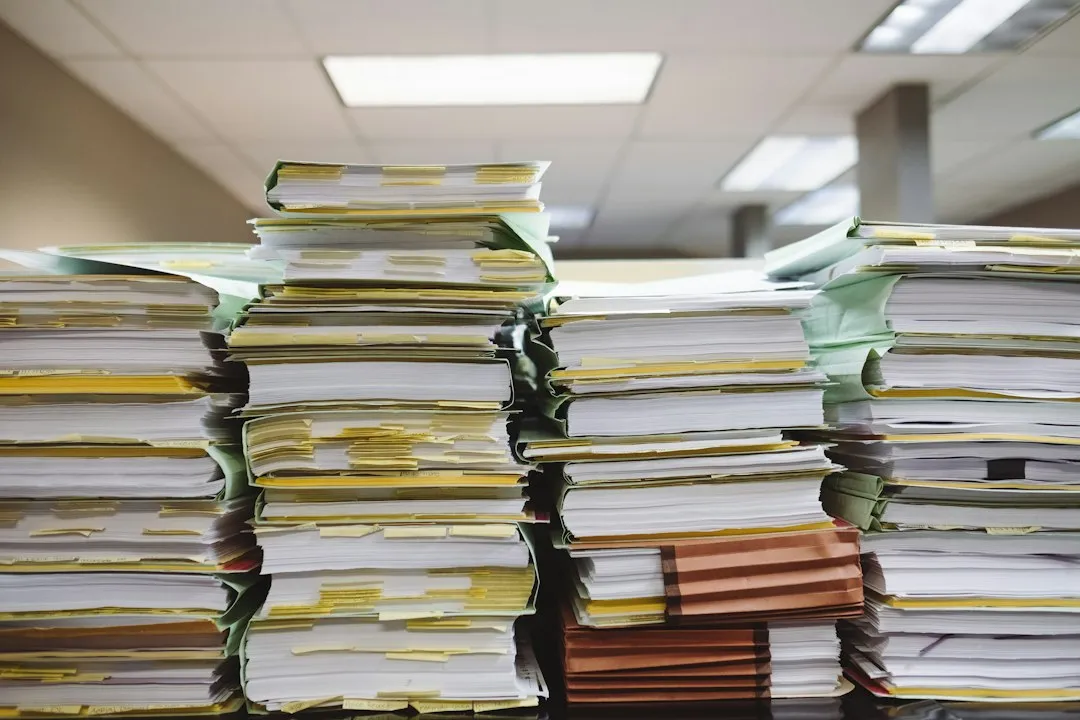
It’s easy to store miscellaneous extras wherever you can find room, especially under the sink. Prone to leaks, dampness, and mold, as well as easily accessible to little hands, there are many reasons to think carefully before storing anything under the sink.
Storing the wrong products under your sink can lead to all kinds of safety and hygiene concerns, including mold growth, corrosion, and even accidental poisoning. Documents are particularly vulnerable because moisture damage tends to be invisible at first, wicking into paper fibers before becoming obvious. By the time you notice, the contents may already be illegible or permanently warped.
10. Sponges and Fabric Cloths Left for Long-Term Storage
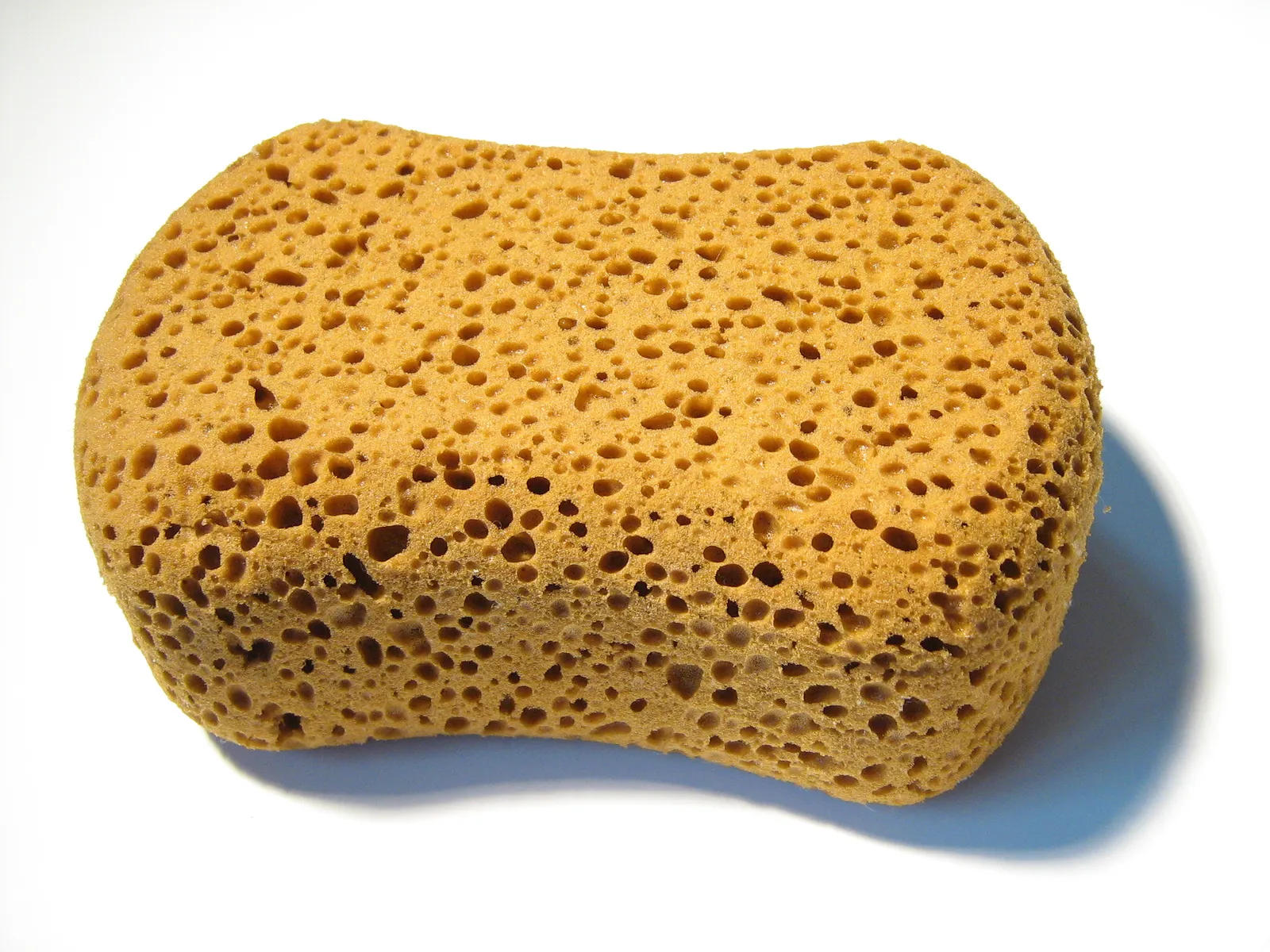
Sponges, fabric wipes, and other cloth materials can soak up the moisture in the air and quickly develop mold and mildew. Keep all sponges in a dry place, like a kitchen drawer, until you’re ready to use them.
Mold spores are everywhere, searching for a damp place to settle and grow. Mold irritates eyes and airways, contributing to chronic sinus infections and asthma. Sponges stored in a damp, enclosed cabinet are essentially an open invitation.
Checking the under-sink area monthly to make sure there are no leaks or signs of moisture buildup is a practical habit worth developing. Damp sponges left in a dark, poorly ventilated space can accumulate bacteria quickly, making them a hygiene concern rather than a cleaning tool.
The Takeaway
If your pantry and kitchen cabinets are at capacity, there are still a few things you can safely stow under the sink, such as trash bags, dishwasher tablets, a cleaning caddy, or backup hand or dish soap. The key word is non-perishable, non-reactive, and moisture-resistant.
Before putting anything back in the cabinet, consider an absorbent mat for the bottom to absorb water from a dripping pipe or stored product. These mats protect the cabinetry and prevent the formation of mold.
The under-sink cabinet isn’t a bad space. It just has specific limitations that most of us ignore until something goes wrong. Treat it as a utility zone with rules rather than a general overflow drawer, and it works perfectly well for the items that genuinely belong there.
AI Disclaimer: This article was created with the assistance of AI tools and reviewed by a human editor.