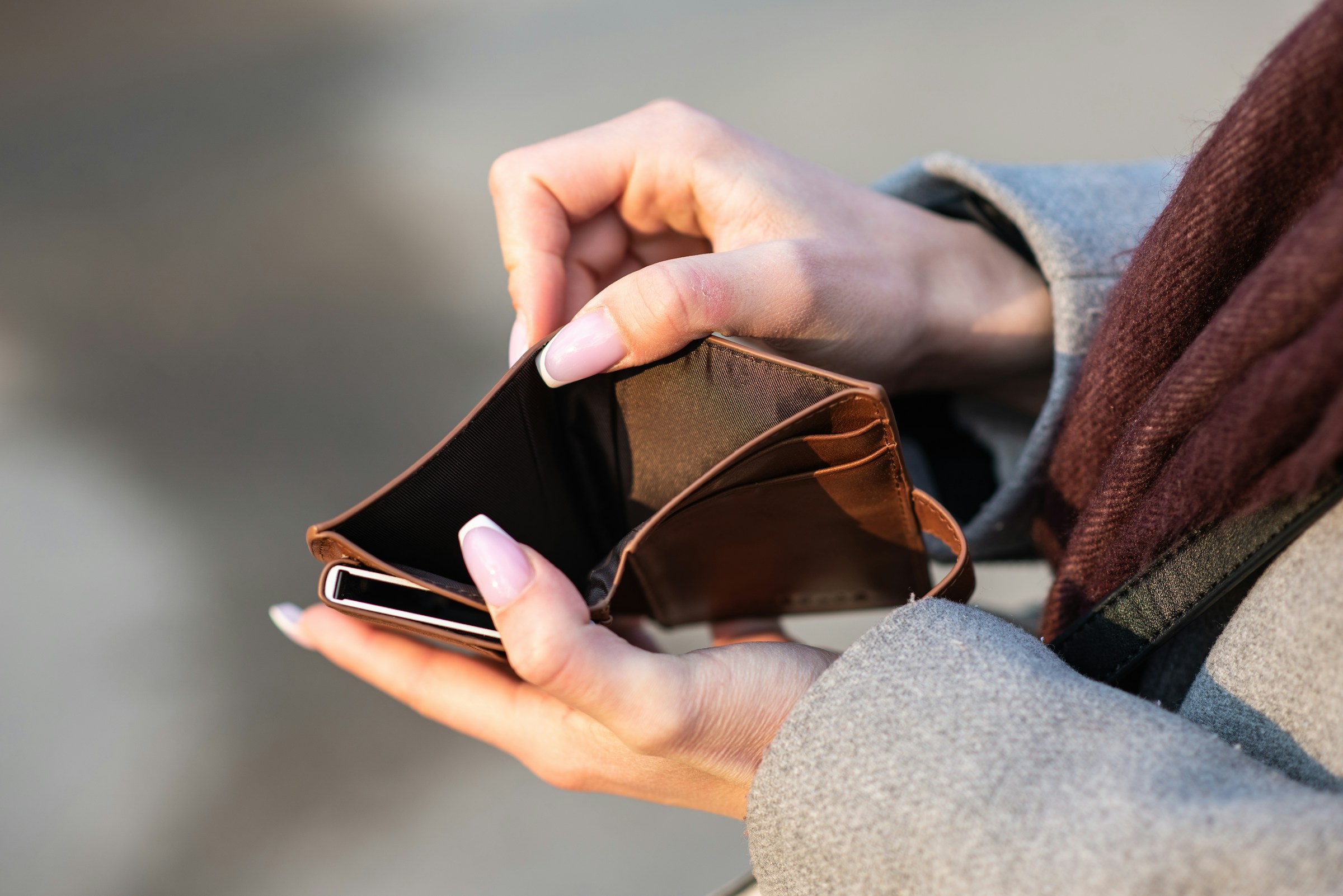

Most people treat their wallet as a portable file cabinet. Driver’s license, a card or two, some cash, and then everything else that piles up over time. The problem isn’t the wallet itself. It’s what ends up living inside it, often by habit rather than intention.
Identity fraud and scams cost Americans $38 billion in 2025, affecting 36 million people, according to Javelin. The FTC’s identity theft reports in just the first nine months of 2025 already exceeded all of 2024. These are not abstract numbers. They reflect real consequences that often start with something as simple as a lost or stolen wallet.
1. Your Social Security Card
Your Social Security number is the holy grail for identity thieves. It’s the key that unlocks access to your entire financial life, and carrying your Social Security card puts you at unnecessary risk if your wallet is lost or stolen.
The Identity Theft Resource Center has pointed out that with a Social Security number, thieves can easily file taxes on your behalf, open a line of credit in your name, receive medical attention, or even commit crimes using your information.
A Social Security card opens the door to full identity exposure if it gets stolen, as criminals use this number to open accounts, file fraudulent tax returns, or commit financial fraud. The fix is straightforward: memorize your number and leave the physical card locked at home.
2. Written Passwords and PIN Cheat Sheets
Writing down passwords on a piece of paper is a significant security risk. If your wallet is lost or stolen, it’s an easy gateway to your digital accounts.
If you lose your wallet, someone will have the key to your email, bank account, and other personal accounts. Keep your written passwords stored safely at home, or better yet, store passwords in a secure digital password manager.
If you truly feel you need a written password cheat sheet, keep it at a secure location at home. The last thing you should do is put a copy of it in your wallet, because a thief would have instant access to your financial information and other sensitive accounts.
3. Blank Checks
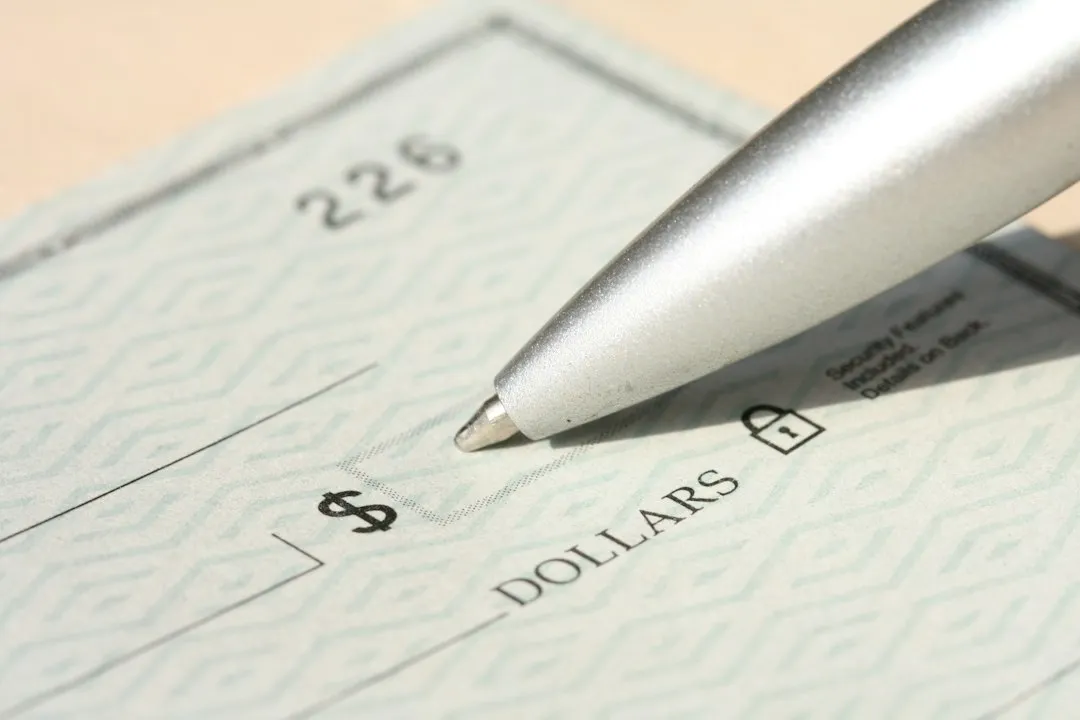
Every blank check in your checkbook offers everything a thief needs to drain your bank account: your name, address, bank account number, and routing number.
Criminals can easily counterfeit checks in order to tap into your checking account. They can also use the bank account and routing numbers to withdraw money electronically, which is faster and harder to track.
If you carry a checkbook or even a blank check and you were to lose it, you’ve just given any thief full access to your account. Someone can write a check to themselves and cash it before you’re even aware it’s missing. A smarter approach is to carry only a specific check on days when you know you’ll need it, and leave the rest at home.
4. Your Passport or Passport Card
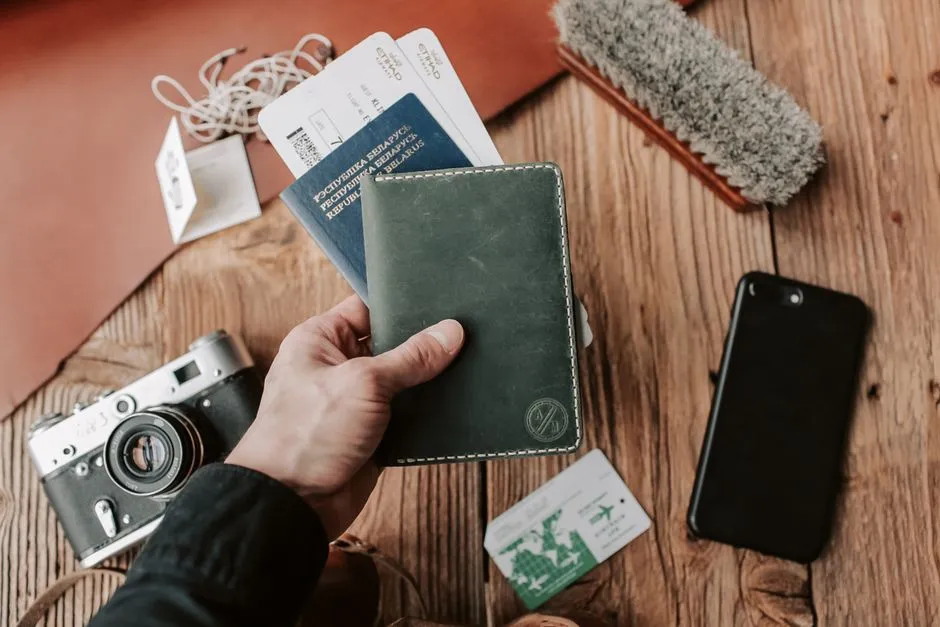
Your passport contains a wealth of personal information, including your full name, date of birth, and passport number. Carrying it puts you at risk of identity theft if lost or stolen.
Criminals can use a stolen passport to travel in your name, get a new copy of your Social Security card, or open bank accounts. A stolen passport or passport card can also be used for international identity fraud or sold on the black market.
Unless you’re traveling internationally, your passport card has no daily utility, and its presence in your wallet unnecessarily elevates the risk of loss or theft. Store your passport card securely at home, and if you’re not planning a trip, there’s no reason for it to occupy space in your wallet.
5. Your Birth Certificate

Your birth certificate is the foundation of your legal identity. It can be used to obtain nearly any other form of identification, and if someone steals it, they can use it to impersonate you or sell your identity on the dark web.
This essential piece of paper contains enough information for a criminal to create fake accounts in your name. It’s considered a “breeder” document, meaning it can be used to obtain other sensitive documents and information related to you.
A birth certificate is often used as a foundation for obtaining other records, and together with a passport, these documents can help criminals assemble what fraud specialists call synthetic identities, which combine real and false information to create a new fraudulent profile. Unless there is a specific same-day need, both documents should stay locked away.
6. Extra Credit and Debit Cards
While it’s tempting to carry all your cards for convenience, this increases your risk if your wallet is stolen. Limit yourself to one debit and one credit card you use most frequently, and store the rest in a secure location at home. This way, if your wallet is compromised, you’ll only need to cancel and replace one or two cards.
Credit card fraud remains the most common type of identity theft, accounting for roughly a third of all complaints filed with the FTC in 2024. Reducing the number of active cards in your wallet directly limits your exposure when something goes wrong.
7. Your Medicare Card
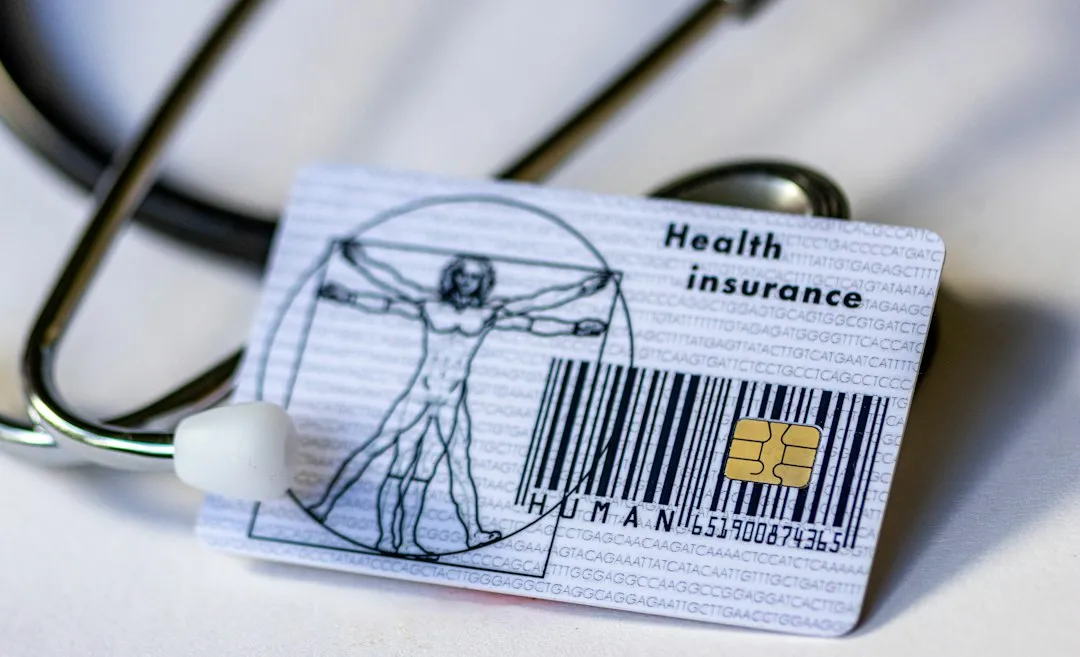
Even if you aren’t carrying your Social Security card itself, your SSN might show up on an even more common culprit: a Medicare card. Your Medicare number is unique to you and should be closely guarded, never shared with anyone who contacts you out of the blue.
To avoid giving out one of the most serious numbers a hacker can steal, only carry your Medicare card when you have a medical appointment. On all other days, keep it stored safely at home and bring it out only when there’s a clear and immediate reason to do so.
8. Spare House Keys

Spare house keys are another item to never keep in your wallet because they could be an invitation to crooks to steal more. While you’re searching for your missing wallet or filing a police report, thieves could be targeting your home. Keep your spare keys with a trusted friend or relative to avoid putting your property and family at risk.
If your wallet gets stolen, a thief will have your address from your driver’s license AND your house key. That combination removes essentially every barrier between a thief and your front door. Reduce the risk of burglary by giving your extra key to a trusted friend or family member rather than carrying it in your wallet.
9. Membership and Loyalty Cards You Rarely Use
It’s a good idea to avoid carrying membership cards for gyms, clubs, or other organizations in your wallet. These cards often contain personal information such as your name, address, and phone number. If your wallet is lost or stolen, this information could be used for identity theft. It’s best to only carry the membership cards you use regularly and leave the others at home in a safe place.
Most loyalty programs now have a digital app, so carrying the physical card is largely unnecessary anyway. Trimming these cards from your wallet reduces clutter and, more importantly, the total amount of personal data any thief could collect in one go.
10. Receipts
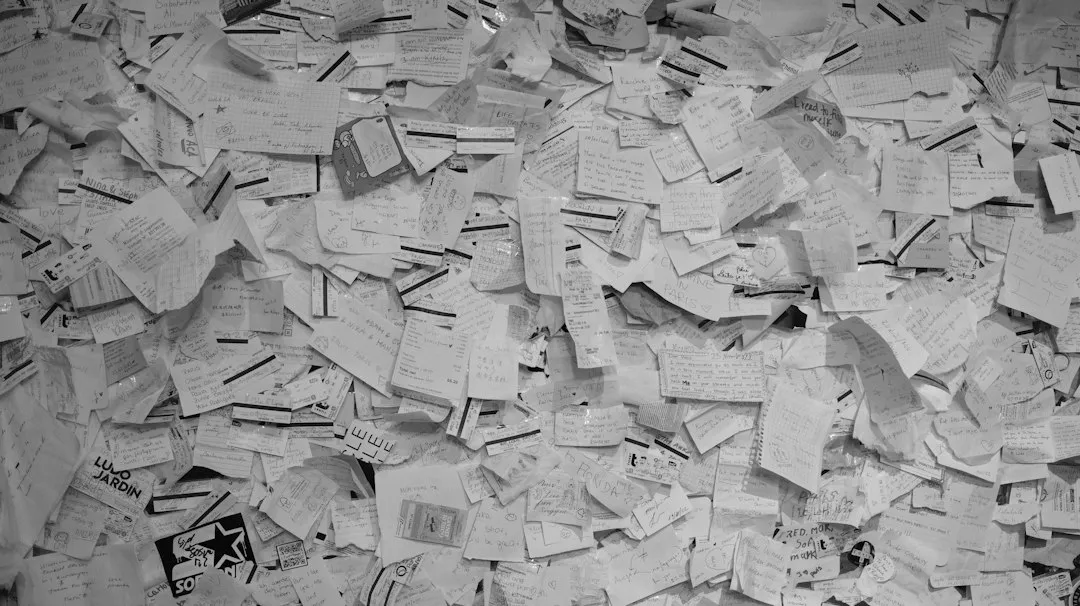
At first glance, a store or bank receipt doesn’t seem to carry much information. A skilled crook, however, can use those bits of information to steal your money more effectively.
Receipts can show partial card numbers, transaction amounts, merchant names, and sometimes even more depending on the retailer. Over time, a wallet stuffed with receipts becomes a loose paper trail of your financial activity. Shredding receipts promptly at home is a far safer habit than letting them accumulate.
The Takeaway
Total financial losses associated with fraud increased over twenty-four percent in 2025 to $15.86 billion. On average, consumers spent more than ten hours in 2025 tending to issues that sprang up as a result of identity fraud. That is a significant price to pay for the convenience of having everything in one place.
The wallet audit isn’t a one-time task. It’s important to go through your wallet periodically and remove any unnecessary items. A lighter wallet isn’t just physically easier to carry. It’s a meaningful, practical step toward protecting your identity. The less you carry, the less anyone else can take.
AI Disclaimer: This article was created with the assistance of AI tools and reviewed by a human editor.