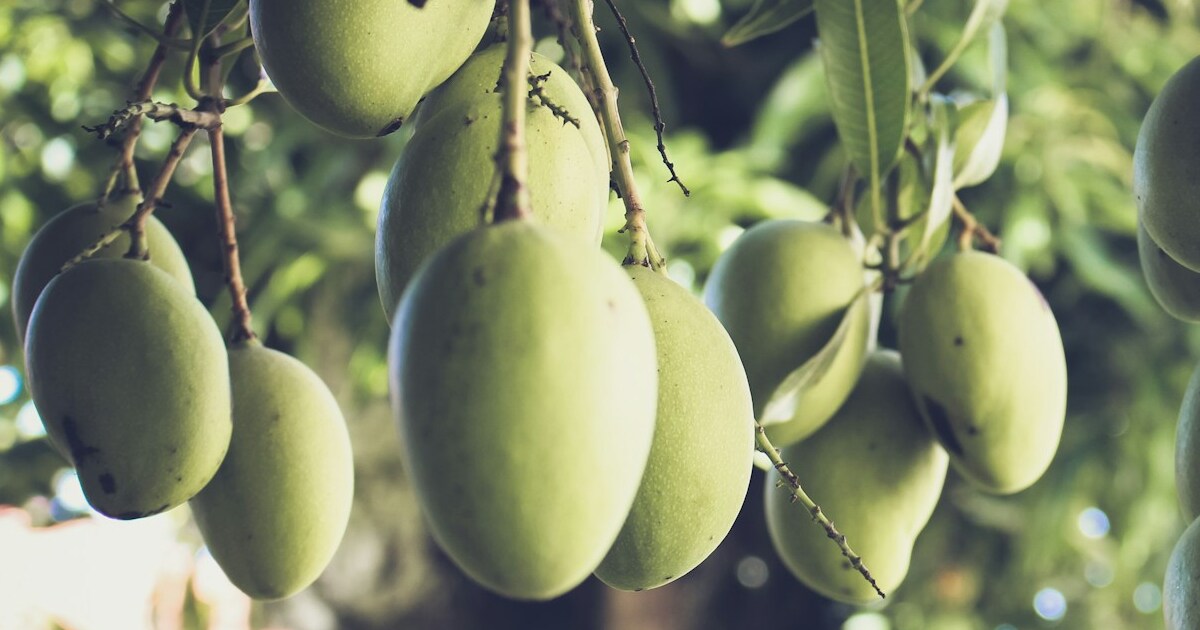

Dreaming of plucking your own sun‑warmed mangoes straight from the branch is such a tantalizing vision, isn’t it? I know how exciting it is to imagine those golden fruits bursting with tropical sweetness in your backyard! Yet mango trees, native to South Asia’s warm, monsoon‑fed forests, come with unique quirks and requirements you’ll want to master before diving in.
From frost sensitivity to pollinator partnerships, these ten essential insights will set you—and your mangoes—up for sweet success. Whether you’re planting in the ground or a large container, you’ll learn how to avoid the most common pitfalls and create a thriving, fruit‑bearing canopy that delights both you and the local wildlife.
Understand Frost Sensitivity and Microclimates

Mango trees thrive where winters are mild, as their tropical ancestry leaves them vulnerable to even light frosts. Temperatures below 30°F can damage tender buds and young shoots, leading to stunted growth or dieback. If you live in a marginal zone, plant your mango near a south‑facing wall or under eaves to capture extra warmth, and consider frost cloth or string lights during sudden cold snaps!
It’s such a bummer when a surprise winter chill wipes out months of growth. By choosing a protected microclimate and monitoring forecasts, you’ll give your tree the cozy corner it craves without risking its tropical vigor. In warmer USDA zones (10–11), this step is less critical, but always stay alert for those rare cold fronts.
Choose the Right Variety for Your Space
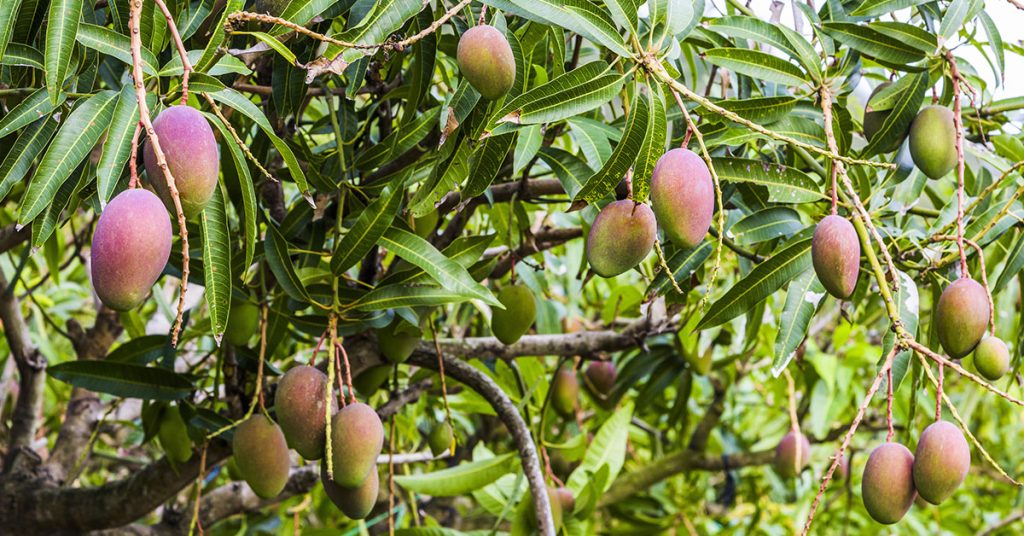
Mangifera indica boasts hundreds of cultivars, each with its own size, flavor profile, and harvest window. Dwarf or semi‑dwarf types like ‘Cogshall’ and ‘Haden’ top out under 15 feet—ideal for compact yards or large containers. One of my favorite discoveries was ‘Carrie’: it offers fragrant fruit and a manageable canopy, perfect for a home gardener’s delight!
Selecting a variety matched to your climate and space prevents invasive root spread in-ground plantings and ensures blooms and fruit arrive in sync with your season. Most mango varieties aren’t considered invasive, but some can naturalize in tropical climates—so sticking with commercially popular cultivars keeps your garden looking tidy and intentional.
Prioritize Soil Drainage and pH

In its native range, mangoes grow on well‑draining, slightly acidic soils. Heavy clay or waterlogged beds invite root rot, so amend your planting hole with coarse sand or organic compost to boost drainage. Aim for a soil pH between 5.5 and 7.0; a simple home test kit can save you from future nutrient lock‑ups!
I remember transforming a soggy patch by building a raised berm and mixing in composted bark—within weeks, my mango’s root collar looked healthy and its leaves regained a glossy sheen. Good soil structure also attracts earthworms and beneficial microbes, creating a living network that supports growth without any invasive side effects.
Master Watering: Deep but Infrequent
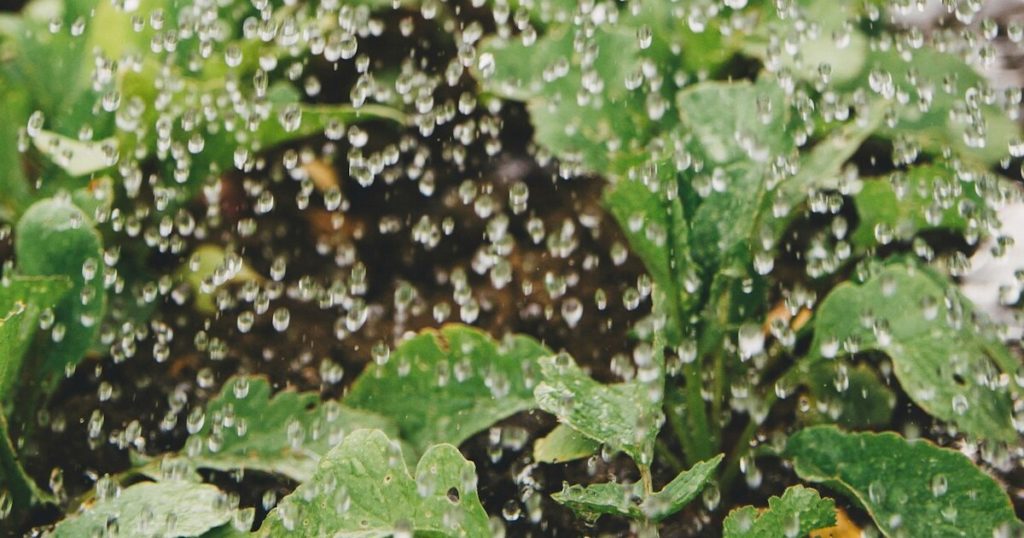
Mango seedlings require consistent moisture to establish, but mature trees prefer a deep soak followed by a dry spell—much like their monsoon‑drought cycle back home. Overwatering can lead to edema or fungal issues, while underwatering risks blossom drop and poor fruit set. I love using a soaker hose at the drip line, running it for an hour every 7–10 days in dry spells!
Observe your soil; when the top two inches are dry, it’s time for another deep drink. This method trains roots to dive deep, improving drought resilience and anchoring your tree against seasonal winds. And by avoiding constant dampness, you reduce the chance of invasive pathogens taking hold.
Support Pollinators for Better Fruit Set

Although mango flowers are self‑fertile, cross‑pollination by bees, flies, and butterflies often boosts yield and fruit quality. Plant nectar‑rich companions like lantana or salvia nearby to create a buzzing haven where beneficial insects can nest and feast. Watching native bees flit among mango panicles is one of the true joys of this process!
Ensuring a healthy pollinator community mirrors the tree’s native ecosystem and leads to fuller, more uniformly ripened fruit. Since these insects aren’t invasive—they’re vital allies—you’re strengthening local biodiversity while supporting your mango harvest.
Prune Strategically to Shape and Ventilate
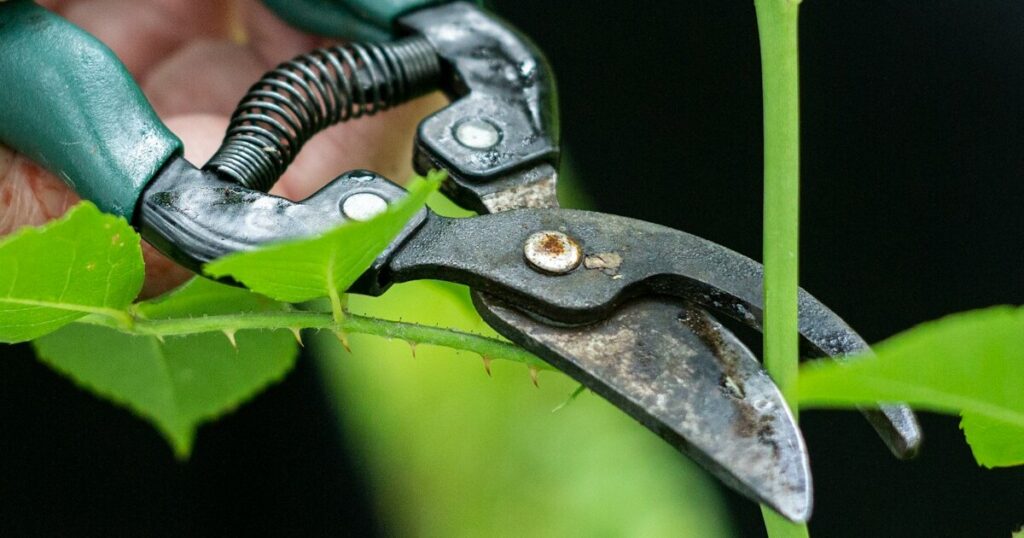
Pruning keeps mango canopies airy, reducing humidity pockets where fungal diseases like anthracnose thrive. After harvest, remove deadwood and thin crowded branches, opening the center to sunlight and airflow. It’s always satisfying to reveal the tree’s graceful scaffold and imagine next season’s blooms filling the gaps!
Regular trimming also manages size: topping a mature tree prevents invasiveness in confined spaces and makes picking easier. Just trim judiciously—mangoes fruit on new growth—so you sacrifice only a few old branches for long‑term health and productivity.
Feed with Balanced Fertilizer Regimen

Mango trees are heavy feeders, especially when fruiting. Apply a balanced fertilizer (for example, 6-6-6 N-P-K) three times a year: in early spring, pre‑flowering, and after fruit set. Supplement with micronutrients like zinc and magnesium if leaves yellow or show small rosettes near the tips. I’ve seen harvests swell after adding a bit of Epsom salts around the drip line—magnesium really perks them up!
Timing matters: a spring boost jump‑starts canopy growth, while feeding after flowering supports fruit development. Leach the soil well after each feeding to prevent salt buildup—this keeps roots thriving without encouraging invasive salt‑loving weeds.
Watch for Pests and Encourage Natural Predators

Mangoes can attract pests such as mealybugs, scale, and fruit flies, which compromise yield and tree vigor. Scout regularly—especially under leaves—and treat early with horticultural oil or biological controls like Bacillus thuringiensis. It’s heartbreaking to lose young fruit to fruit flies, but covering clusters with fine mesh bags often does the trick!
Simultaneously, cultivate habitats for predatory wasps, ladybugs, and lacewings by planting insectary strips of alyssum or dill. These gentle beneficials nest in low vegetation, hunting harmful bugs without becoming invasive themselves, ensuring your mango crop stays protected naturally.
Plan for Seasonal Care and Maintenance

Mango trees have a defined rest period after fruiting—avoid heavy pruning or fertilizing during late winter dormancy. Instead, focus on light maintenance and mulching to conserve moisture. As spring warms, remove mulch gradually to encourage soil warming at the root zone, prompting new flushes of growth and flower bud formation.
Understanding this rhythm prevents you from accidentally shocking your tree with late‑season feeding or pruning. It’s akin to letting a friend nap before a big day—timely care ensures those spring blooms are abundant and primed for fruit.
Anticipate Time to First Fruit
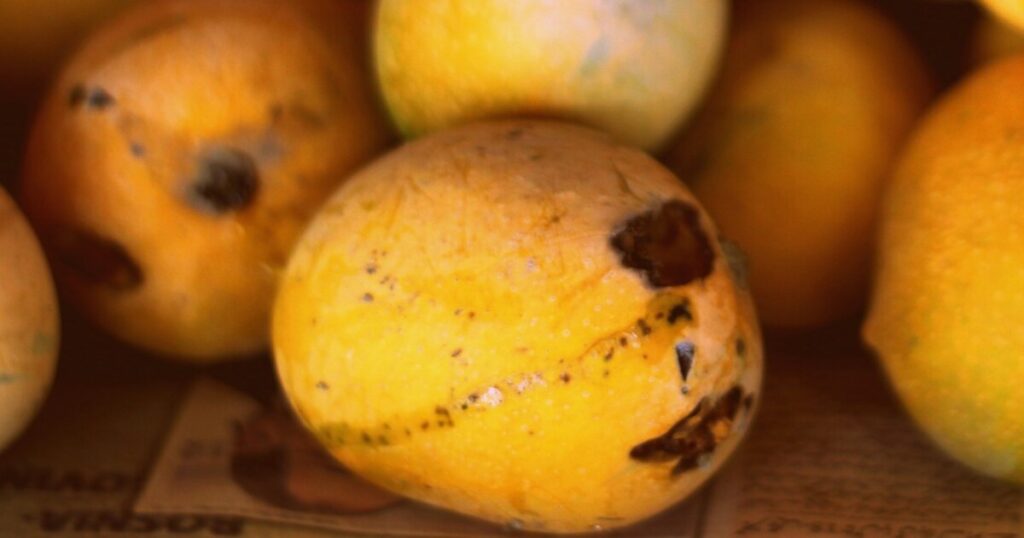
Mangoes grown from seed can take five to eight years before you see your first fruit, while grafted nursery trees often bear in two to four years. It’s a test of patience, but oh, the satisfaction when that first green cluster appears! I still remember celebrating my tree’s first tiny mangoes after three long years—pure garden triumph!
If patience runs thin, choose a grafted cultivar from a reputable nursery and provide stellar care from day one. By combining realistic expectations with attentive husbandry, you’ll transition from eager beginner to seasoned mango grower in no time.