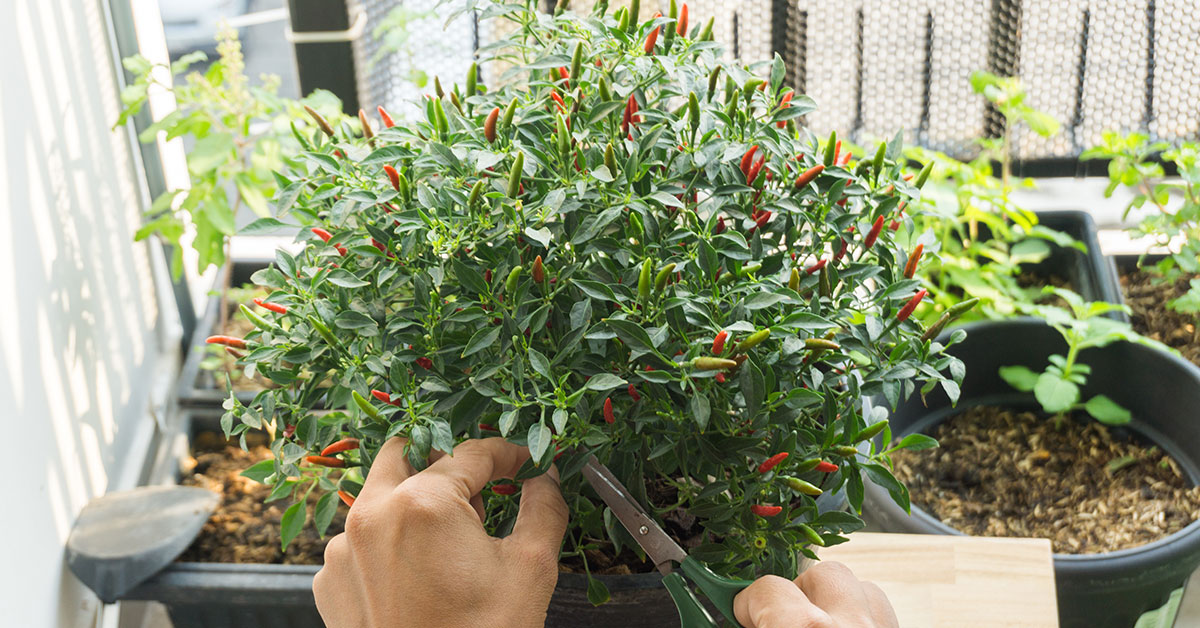

As August fades and the first whispers of autumn creep into the air, pepper plants—those vibrant, sun-loving treasures—begin to sense the change. Whether you’re growing sweet bells, fiery habaneros, or the perfectly balanced jalapeños, this is a pivotal time to give them the care they need for a bountiful finish to the season. By acting before September, you can encourage ripening, protect against early frosts, and even prepare them for overwintering if you’re in the mood to keep the same plants going next year.
I know the sinking feeling of watching beautiful green peppers stall out when the nights turn cool, or worse—seeing an early frost take them out completely. Peppers, native to Central and South America, are perennial in their home climates but treated as annuals in most temperate gardens because they can’t tolerate frost. With a few smart steps now, you can squeeze every bit of productivity out of them and maybe even carry them through the winter for an earlier start next year. Let’s get your peppers ready to thrive!
Prune Excess Foliage
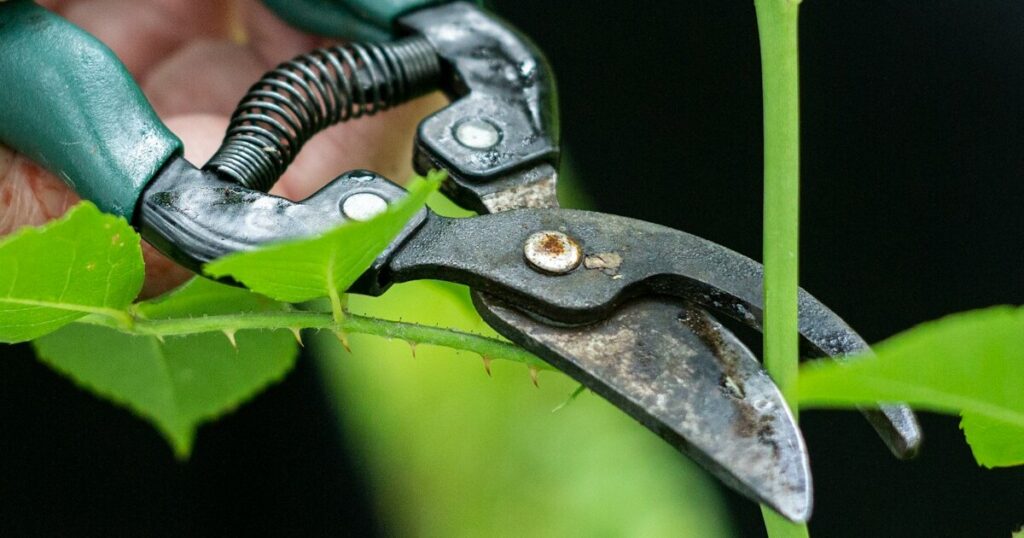
In late summer, peppers can get a bit wild with their foliage. While leafy growth is important for photosynthesis, too much can shade developing fruit and slow ripening. By selectively removing some inner leaves and small branches, you let in more sunlight and air circulation. This is especially helpful in preventing fungal problems that can creep in during the cooler, damper days of fall.
Peppers aren’t invasive, but given the right conditions, they can produce a lot of foliage at the expense of fruit. Since their flowers attract pollinators like bees, you want to keep those blooms exposed and healthy until the season ends. Just don’t overdo it—leave enough foliage to protect the peppers from sunscald on hot late-summer days.
Remove Late-Season Blossoms
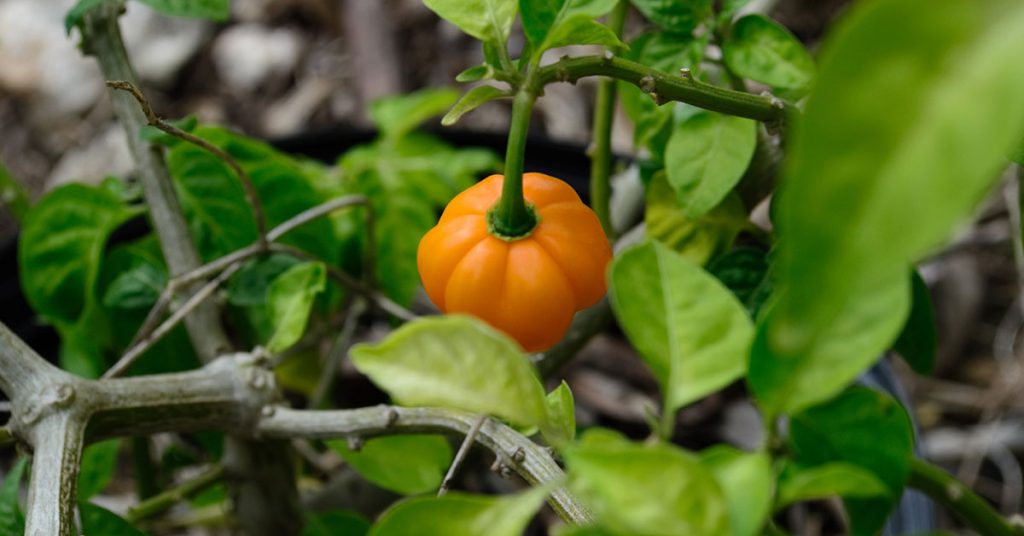
By the time September approaches, new blossoms have little chance of maturing into fully ripe fruit before frost. Pinching off these late-season blooms redirects the plant’s energy into ripening the peppers already on the vine. This simple step can make the difference between a counter full of green peppers and a rainbow of fully developed, flavorful fruit.
In their native habitats, peppers can bloom and fruit year-round, but in cooler climates, you have to be strategic. Removing those “too-late” flowers might feel counterintuitive, but it’s one of the best ways to ensure a rich final harvest. Plus, it prevents the plant from wasting resources on fruit that will never have the chance to develop.
Fertilize for the Final Push
Early in the season, peppers benefit from a balanced fertilizer to support foliage and flower growth. But before September, it’s better to switch to a formula higher in potassium and phosphorus to encourage ripening. This nutrient shift helps existing fruit develop flavor and color more quickly.
Peppers have been cultivated for thousands of years and adapt well to different soils, but they need a little nutrient boost in their final stage. A light feeding every couple of weeks can keep them pushing out ripe fruit until frost. Just avoid heavy nitrogen now, as it encourages more leaves instead of peppers.
Stake and Support Heavily Loaded Plants
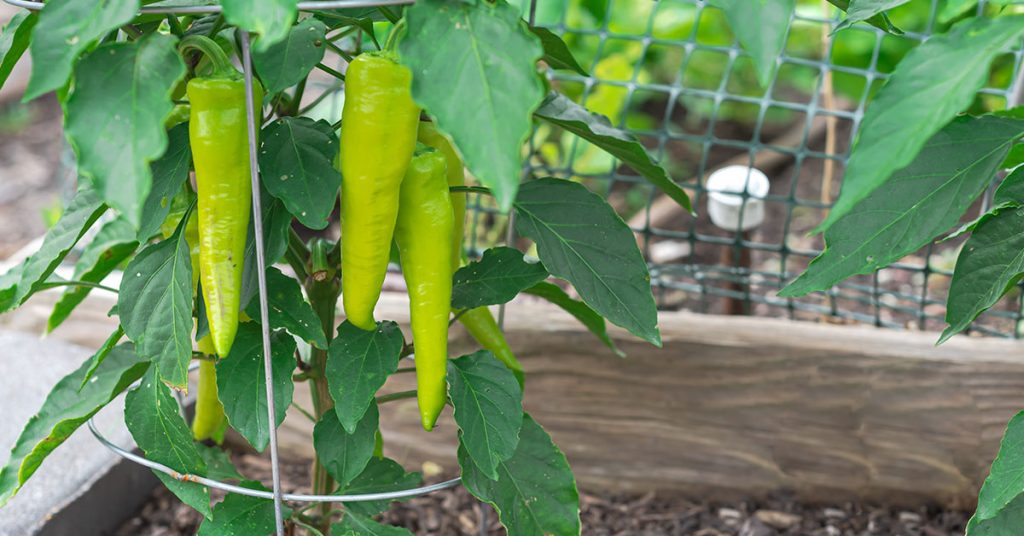
By late summer, healthy pepper plants can be heavy with fruit, and without support, branches can snap under the weight. Staking or using soft ties to secure stems keeps plants upright and prevents breakage, especially during late-season storms.
Peppers don’t have a vining habit like tomatoes, but their branching structure can still benefit from gentle support. In their native environment, peppers often grow in more sheltered spots where wind isn’t as much of a threat—your garden might not offer the same protection, so give them a helping hand.
Water Consistently but Less Frequently
In cooler weather, peppers need less water than in peak summer, but consistency is key to preventing issues like blossom-end rot. Deep watering once or twice a week is better than frequent shallow watering, as it encourages strong root systems and reduces stress.
Overwatering at this stage can also dilute flavor, particularly in hot varieties. In their native tropical and subtropical regions, peppers experience alternating wet and dry periods, which can actually intensify heat in chili peppers. Mimicking this with careful watering helps bring out their best flavor profile.
Harvest Partially Ripe Peppers
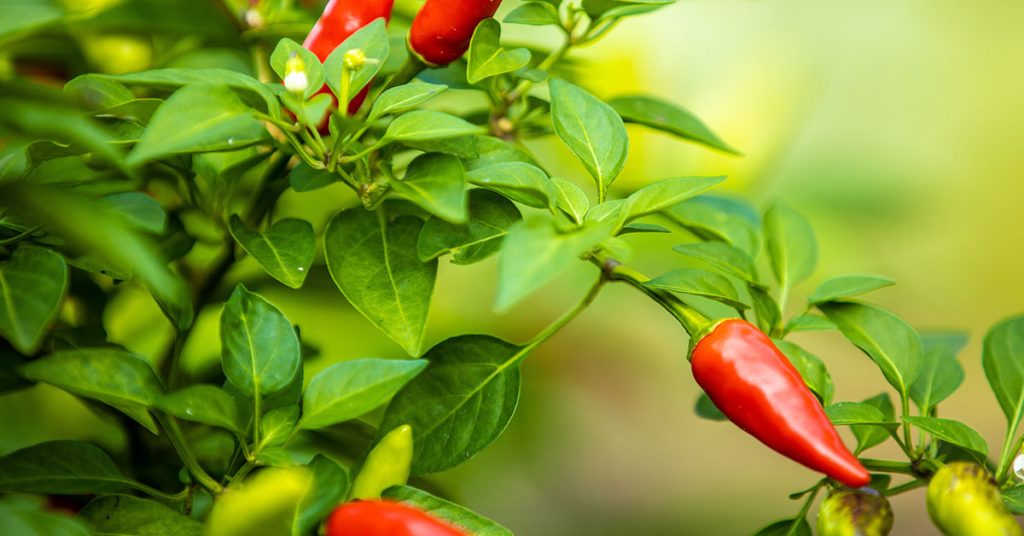
If you’re concerned about frost or just want to keep plants producing, picking peppers that are nearly mature encourages more fruit to ripen. Many varieties will continue to change color after harvest if left in a warm, sunny spot indoors.
This approach also lightens the load on your plants, reducing stress on branches and helping remaining fruit develop more quickly. It’s a technique used in both commercial and home gardens to maximize yield before the season ends.
Inspect for Pests and Diseases

Late summer can bring a surge in pests like aphids, spider mites, and caterpillars. Check the undersides of leaves and developing fruit for signs of trouble. Catching problems early means you can take action before they spread and damage your final harvest.
In their native range, peppers coexist with a variety of insects, many of which are pollinators. But in cooler climates, pest pressure can be intensified by crowded late-season gardens. Removing affected leaves and using gentle organic treatments can keep plants healthy without harming beneficial insects.
Mulch to Maintain Soil Temperature
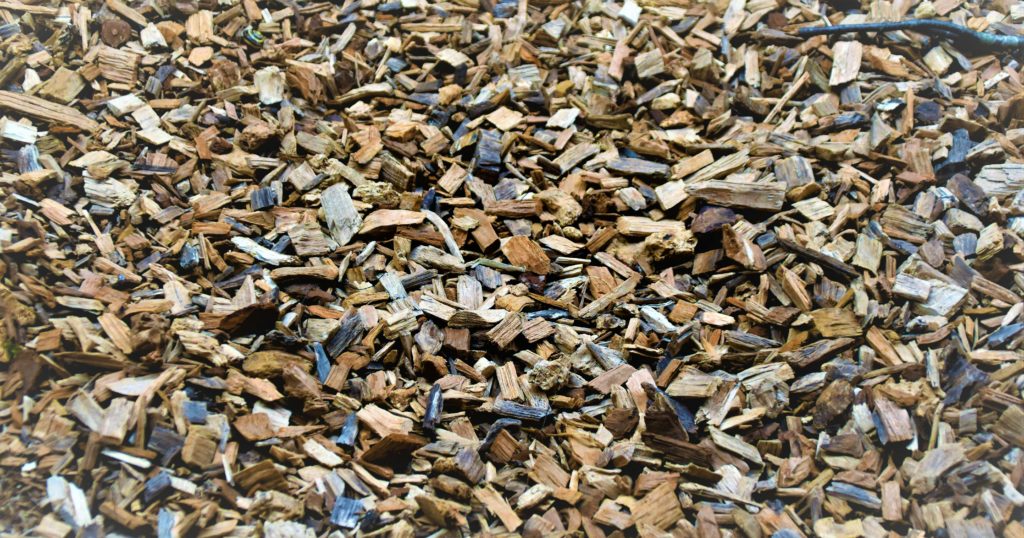
Adding a fresh layer of mulch around your pepper plants before September helps regulate soil temperature as nights cool. It also reduces weed competition and retains moisture, both important for keeping plants stress-free.
Peppers love steady warmth around their roots, and mulch acts like a blanket against sudden cold snaps. In their tropical origins, soil temperatures rarely fluctuate as much as they do in temperate gardens, so mimicking that stability makes a noticeable difference in plant health.
Prepare for Overwintering

If you’d like to keep your pepper plants alive into next year, now’s the time to decide. Before September ends, you can pot them up and bring them indoors, trimming them back to reduce stress. This works particularly well for rare or especially productive varieties you don’t want to lose.
Overwintered peppers often produce earlier in the spring since they’re already mature plants. In frost-free climates, they can live for several years, but even in cold regions, a sunny window or grow light setup can keep them going until the next planting season.
Plan Your Seed Saving
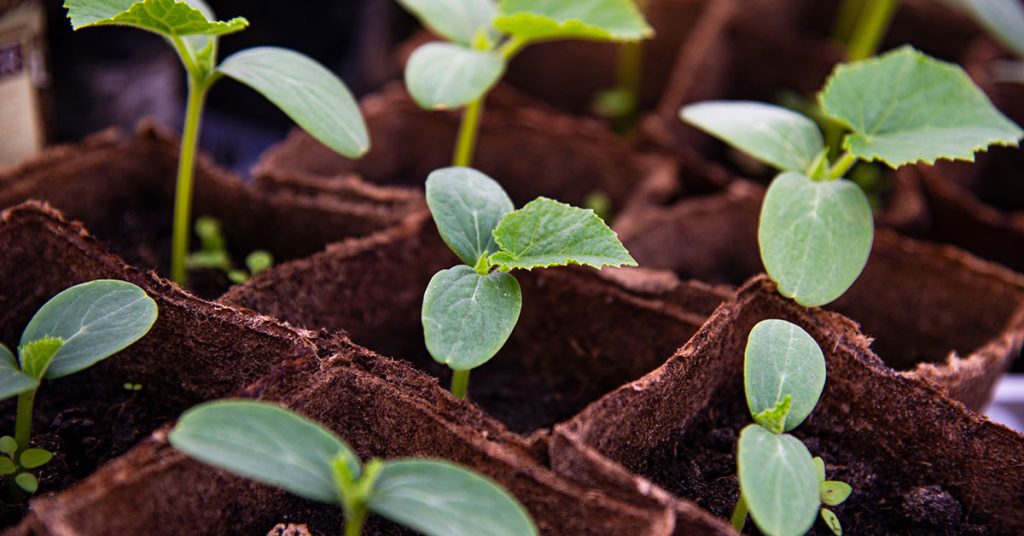
If you’re growing open-pollinated pepper varieties, late summer is the perfect time to start saving seeds. Choose the healthiest, most fully ripe peppers, remove the seeds, and dry them thoroughly for next year. This ensures you’ll have plants well-suited to your growing conditions.
Pepper seeds can remain viable for several years if stored properly. By saving seeds from your own plants, you’re preserving traits that have thrived in your garden’s soil and climate—something no store-bought packet can truly match.