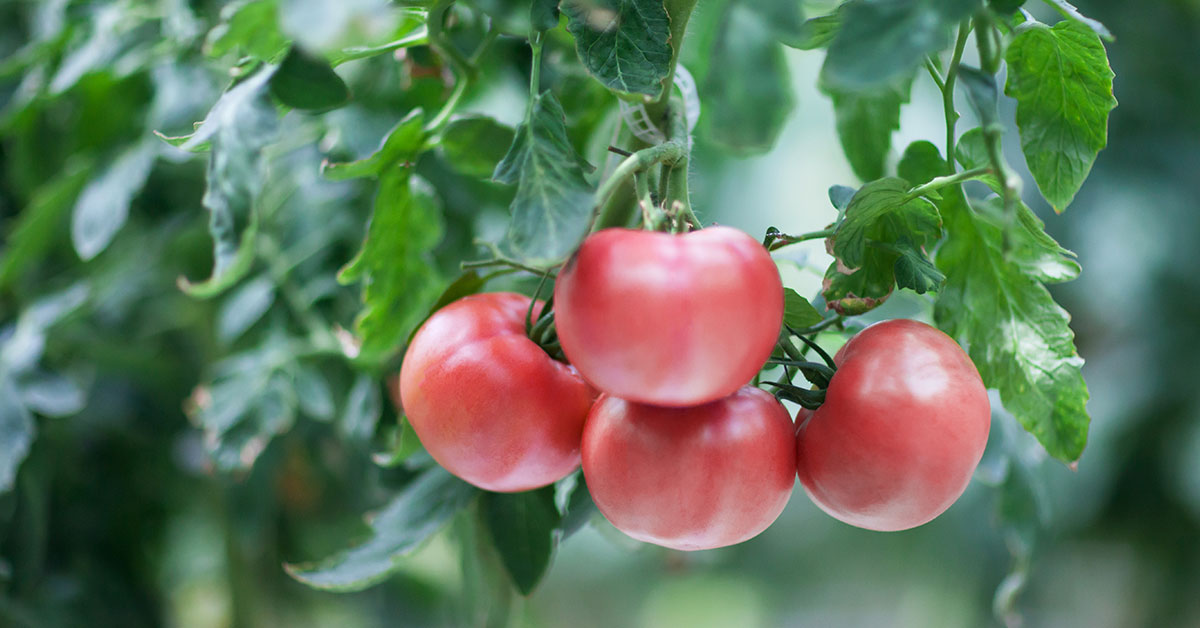

Late August is a pivotal moment in the life of a tomato garden. You’ve likely been harvesting for weeks, but this is the time when plants either finish strong or start fading fast. The heat may still linger during the day, but nights are often cooler, which can slow ripening and invite a host of late-season pests and diseases. The good news? With a few key moves now, you can keep those vines productive right into fall.
I know the bittersweet feeling of looking at plants loaded with green fruit and wondering if they’ll ever turn red before frost hits. Tomatoes, native to western South America, are warm-season perennials grown as annuals in most of our gardens, and they need just the right conditions to keep pumping out ripe, flavorful fruit. Invasive they are not, but their ability to self-seed can give you surprise volunteer plants the following spring. With some timely attention in late August, you can keep them happy, healthy, and productive until the very end of the season.
Remove Excess Foliage for Better Sunlight

By late summer, tomato plants often become dense with foliage, which can shade fruit and slow ripening. Trimming away some of the lower and inner leaves allows sunlight to reach developing tomatoes and improves air circulation, reducing the risk of fungal diseases like blight. Focus on removing leaves that are yellowing or damaged first, then open up the plant to let light in.
Tomatoes’ natural habitat has plenty of sunlight and airflow, and recreating those conditions in your garden helps them thrive. This isn’t about stripping the plant bare—you still want enough leaves to shade fruit from sunscald—but it’s about creating the right balance so the plant puts energy into ripening rather than unnecessary leaf production.
Pinch Off New Flowers
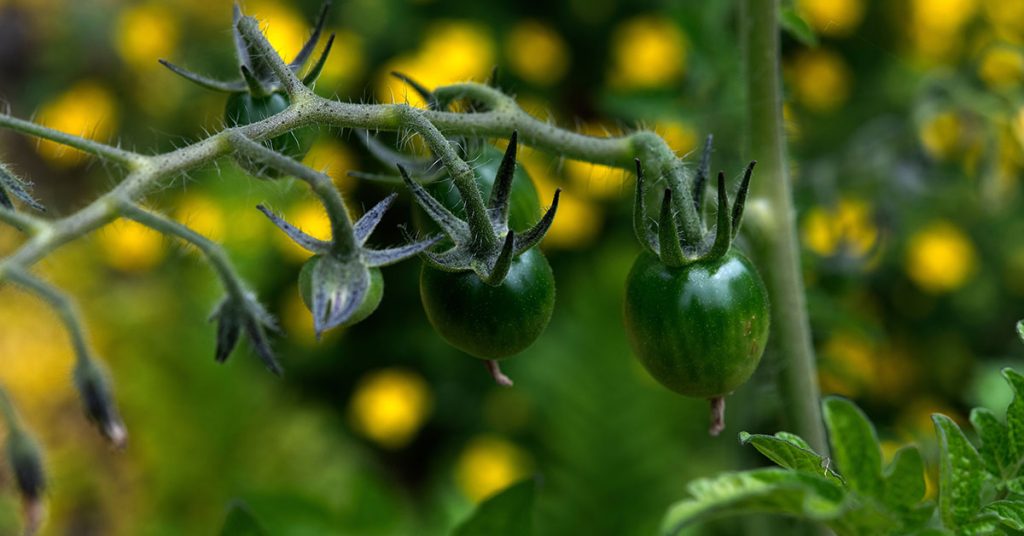
At this stage in the season, any new flowers are unlikely to develop into ripe fruit before frost. Pinching them off directs the plant’s energy into ripening the tomatoes already on the vine. This is particularly important for indeterminate varieties, which will keep trying to produce flowers until frost stops them.
In their native environment, tomatoes can bloom year-round, but in cooler climates with a ticking clock, efficiency matters. Removing those late blooms may feel harsh, but it’s a proven way to ensure you enjoy fully ripened fruit instead of a pile of green ones at season’s end.
Harvest Partially Ripe Fruit
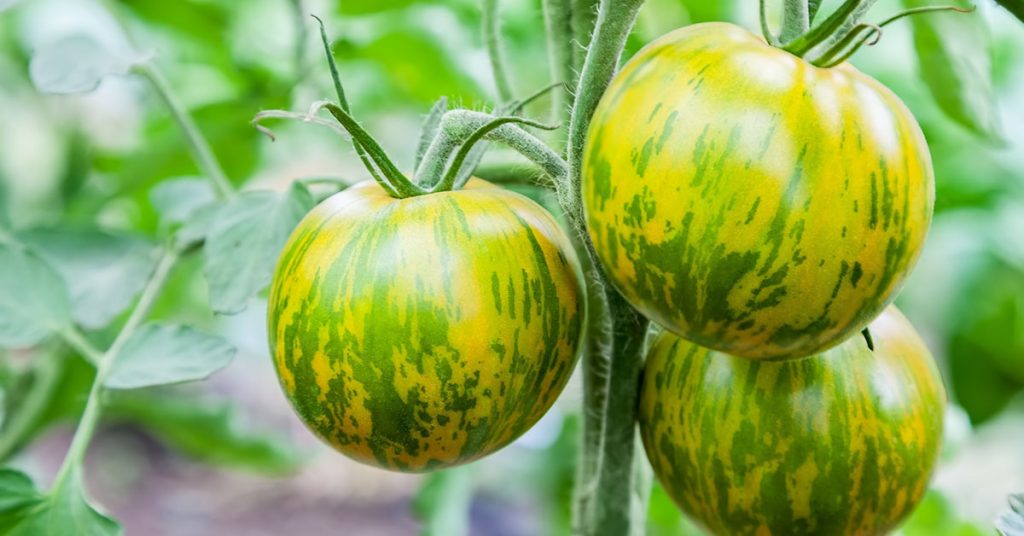
If your plants are loaded with green tomatoes and the weather forecast hints at cooler nights, start harvesting fruit that has reached the “breaker” stage—just starting to change color. These can ripen indoors on a sunny windowsill, which lightens the plant’s load and encourages it to focus on remaining fruit.
This technique is especially helpful in areas where sudden weather changes are common. It mimics the natural cycle tomatoes experience in their native range, where fruit can ripen off the vine in warm conditions, reducing losses to pests or disease.
Stake and Tie Up Drooping Stems

By late August, heavy fruit clusters can cause stems to sag or even snap. Supporting these branches with stakes, cages, or soft ties prevents damage and keeps fruit off the ground, reducing the risk of rot and pest attacks.
Tomatoes evolved in environments where their vines could sprawl, but in a managed garden setting, keeping them upright maximizes airflow and sunlight exposure. Plus, it makes harvesting so much easier when you’re not digging through a tangled jungle!
Feed for the Final Ripening Push
Switch to a low-nitrogen, high-potassium fertilizer to promote ripening and enhance flavor. Too much nitrogen now will only encourage more leafy growth at the expense of fruit quality. This late-season feeding can make a noticeable difference in sweetness and color.
In the wild, nutrient availability shifts with the seasons, signaling the plant to focus on fruit production. Mimicking that change in your garden encourages plants to give you their very best before the season ends.
Remove Diseased Leaves
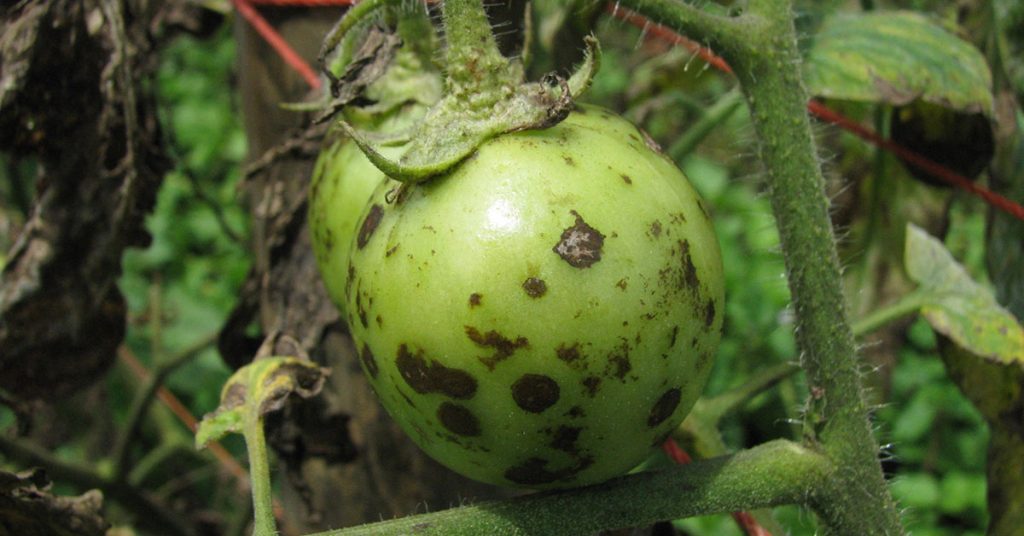
Blight, leaf spot, and other diseases are common in late summer, and leaving infected foliage in place can spread the problem quickly. Removing diseased leaves promptly helps slow the spread and keeps the rest of the plant healthier.
Tomatoes, being perennial in their native regions, can bounce back from some leaf loss, but in our shorter growing seasons, there’s no time for recovery from widespread disease. Act quickly, and you’ll protect both current and future harvests.
Mulch to Maintain Soil Warmth
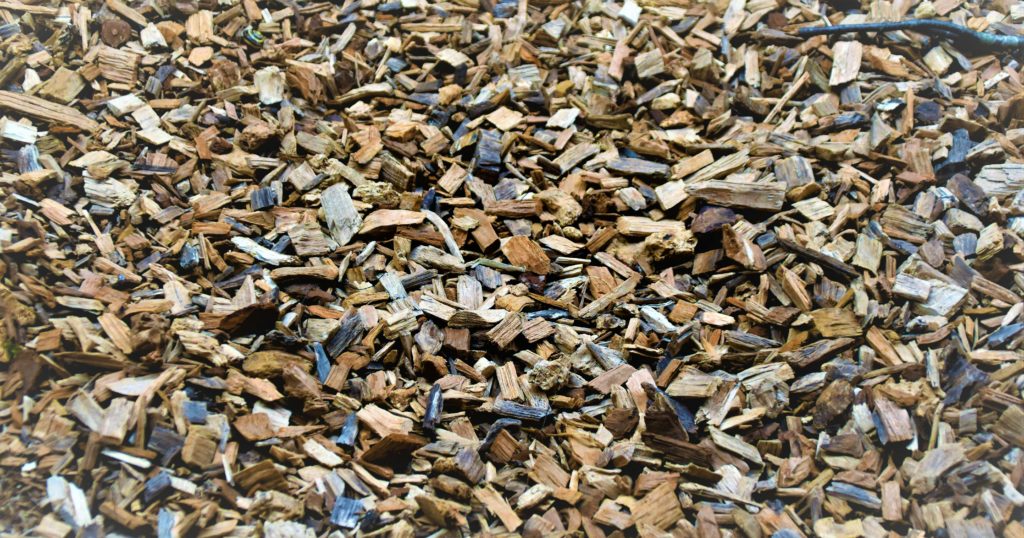
As nights cool, soil temperatures can drop, slowing tomato ripening. A layer of organic mulch helps retain warmth, reduces moisture loss, and prevents weeds from competing with your plants for nutrients.
In their natural setting, tomatoes often grow in areas where plant debris or other ground cover protects the soil. Mimicking this can help extend your season, especially in areas prone to early frosts.
Keep Watering Consistent
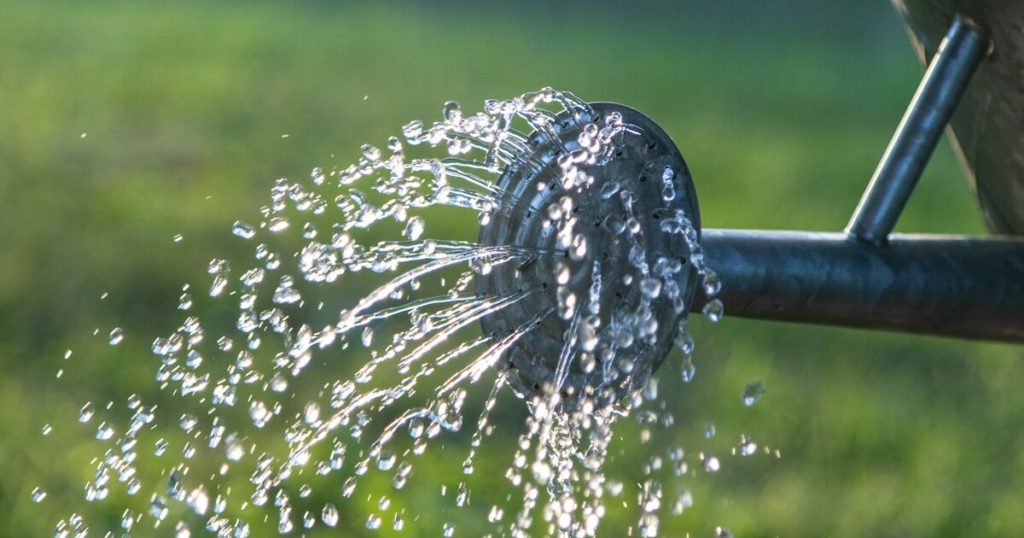
Late-season tomatoes still need steady moisture to avoid issues like blossom-end rot and cracking. Deep, consistent watering encourages even ripening and prevents stress that can reduce flavor.
While tomatoes are drought-tolerant to a degree, fluctuating soil moisture is their enemy when fruit is nearly mature. Keeping a consistent schedule ensures your harvest will be as tasty and blemish-free as possible.
Save Seeds from Your Best Fruit

If you’re growing open-pollinated or heirloom varieties, late August is a great time to start saving seeds from your best-performing plants. Choose fully ripe, healthy fruit, ferment the seeds to remove the gel coating, and dry them for next year’s garden.
This not only saves you money but also helps you build a strain that’s perfectly adapted to your local conditions. It’s one of the most satisfying ways to carry a little bit of this season into the next.
Watch the Weather and Prepare for Frost

Even in late August, a sudden cold snap can catch you off guard. Keep an eye on forecasts so you can protect plants with row covers, sheets, or cloches if temperatures dip unexpectedly.
Tomatoes can’t survive frost, and a single chilly night can wipe out your plants. Being ready to cover them means you might get several extra weeks of ripe, delicious fruit before the season truly ends.