
1. Stay Calm and Check Your Circuit Breaker First
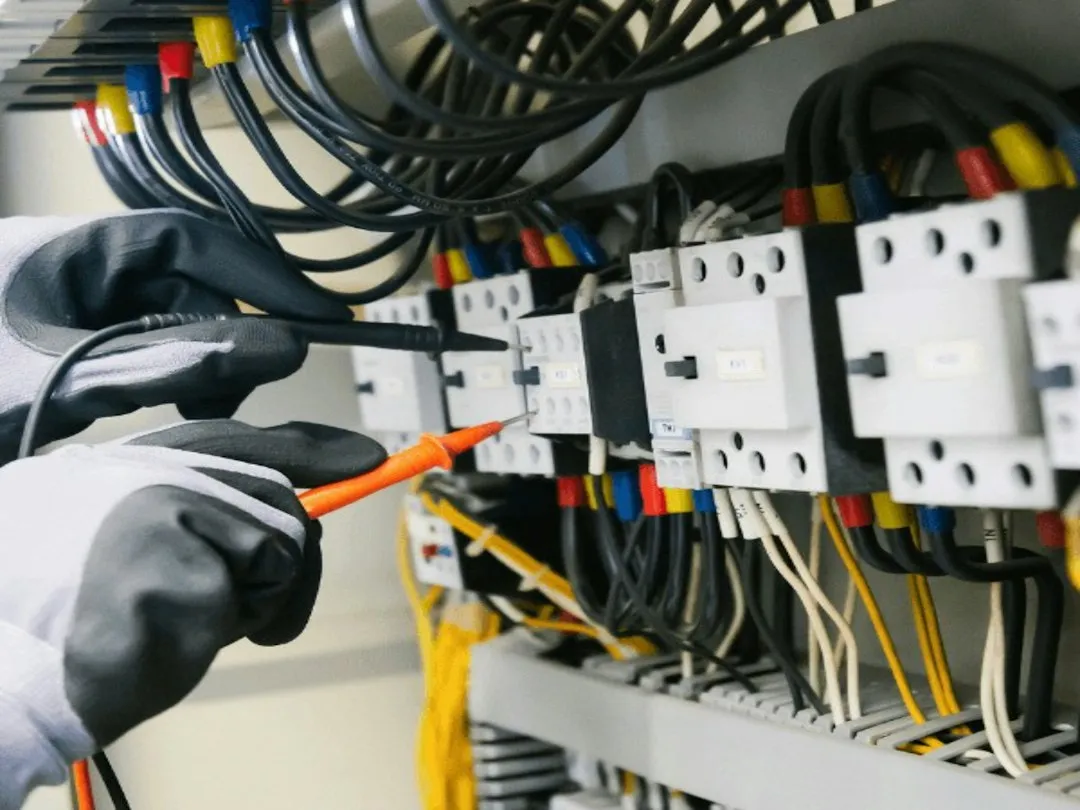
Not every outage is a grid-wide event. If the power goes out, make sure you haven’t blown a circuit by checking the breakers in your home’s electrical panel. This takes less than two minutes and can save you hours of unnecessary stress.
Turn off lights and unplug electric appliances except for the refrigerator and freezer, and leave one light on so you know when power is restored. This simple step also protects your electronics from voltage surges when the grid comes back up.
Winter storms can disrupt communications, utilities, and medical needs, so it’s worth pausing for a moment to assess the scale of the situation before taking further action. Check a battery-powered radio or your cell phone for emergency updates from local authorities.
2. Unplug Sensitive Electronics Immediately
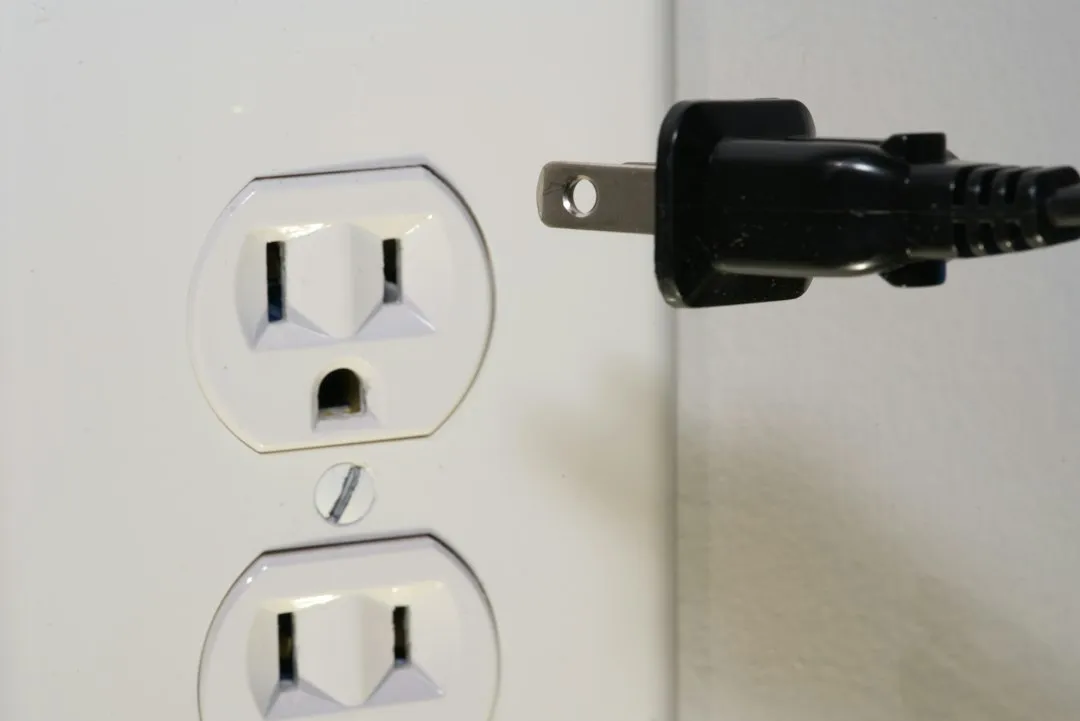
Protect against possible voltage irregularities that can occur when power is restored by unplugging all sensitive electronic equipment, including TVs, stereos, and computers. Power surges during restoration are common and can permanently damage devices.
Unplug appliances to prevent damage from power surges when electricity is restored. A good rule of thumb is to leave just one lamp plugged in as a signal, and disconnect everything else.
Think ahead and unplug electronics and appliances that use electric motors. Then turn on a single incandescent light to signal when power is restored. It’s a small habit that protects both your equipment and your awareness.
3. Consolidate Into One Room to Preserve Heat
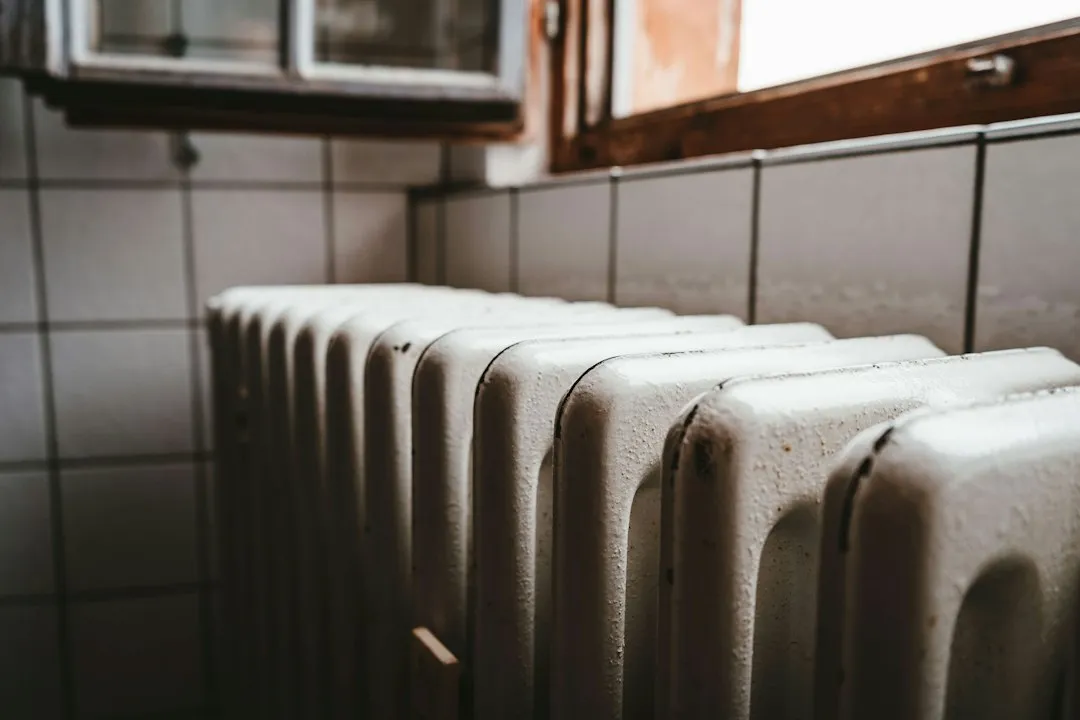
Once the power is out, your goal is to keep one space warm rather than the whole house. Pick a small interior room, close its door, and seal drafts. Gather everyone, including pets, into that room to share body warmth. This strategy works surprisingly well, even without any supplemental heat source.
Keep all doors to the outside shut. Use towels to block drafts coming in from window and door cracks. You can also insulate windows with dark blankets, since dark colors draw heat from the sun.
Dress for the season by wearing several layers of loose-fitting, lightweight, warm clothing rather than one layer of heavy clothing. The outer garments should be tightly woven and water repellent. Mittens are better than gloves, and wearing a hat matters because most body heat is lost through the top of the head.
4. Never Use Dangerous Indoor Heating Shortcuts

This is where winter outages turn fatal. Never use a gas stove or oven, charcoal or gas grill, or any unvented outdoor heater to warm your home. They release carbon monoxide, an odorless gas that kills. Never run a generator indoors, in a garage, or near a window.
Dozens of children have been treated for carbon monoxide poisoning from improperly used generators or heaters during recent winter storms. During a January 2026 storm, one Nashville hospital alone saw more than 40 children with carbon monoxide poisoning linked to unsafe heating practices.
Use gasoline-powered generators with caution. Never run a generator inside a house. Place it outside with the exhaust facing away from the home. Don’t run a car in the garage to charge your phone either. Carbon monoxide can seep directly into your home.
5. Protect Your Food Supply With the Right Timing
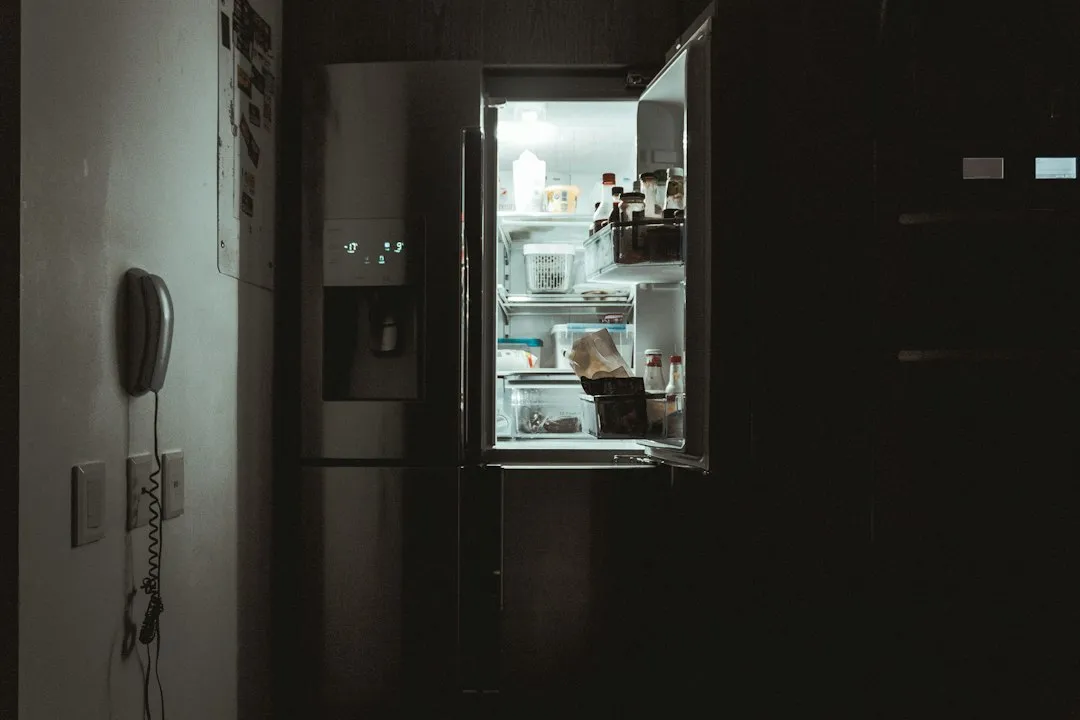
Keep refrigerator and freezer doors closed as much as possible while the power is out. A full freezer will keep food safe for 48 hours, or 24 hours if it’s only half full, as long as you don’t open the door.
Your refrigerator will keep food safe for up to four hours without power if you don’t open the door. After that, throw out all perishable foods including meat, chicken and other poultry, fish, eggs, and leftovers. The CDC is direct on this point: when in doubt, throw it out.
Keep freezers and refrigerators closed. Throw away any food that has been exposed to temperatures of 40 degrees or higher for two hours or more, or that has an unusual odor, color, or texture. Never taste food to determine whether it’s safe.
6. Stay Informed and Check on Vulnerable Neighbors
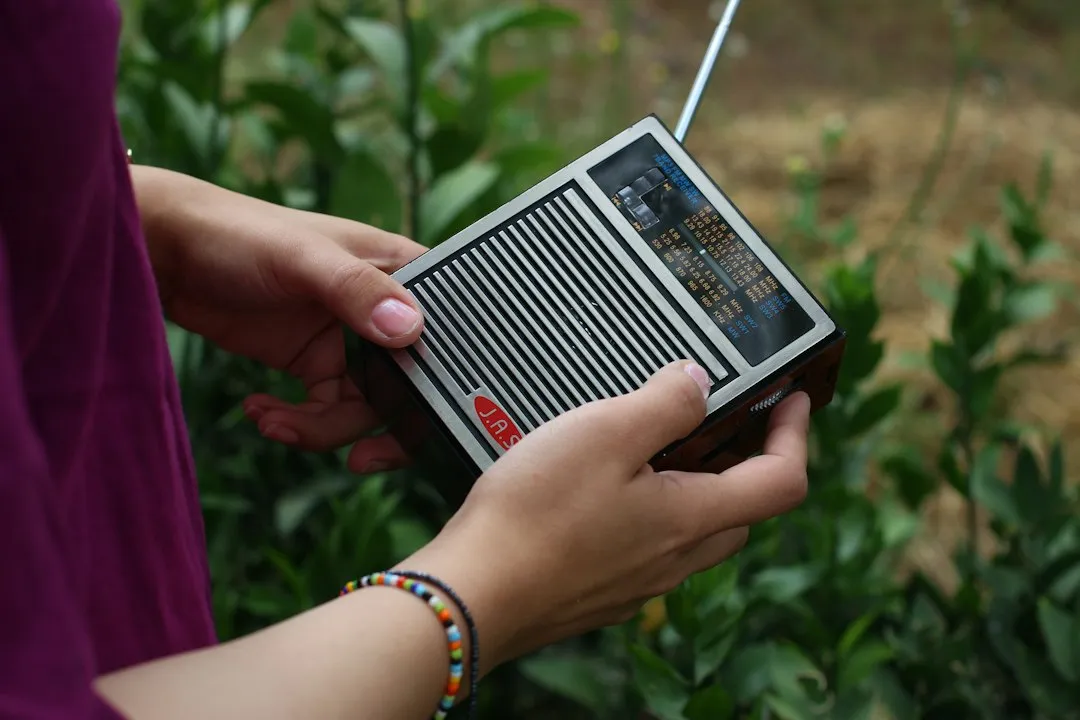
Every household should have a battery-powered or hand-crank radio. This allows you to access important weather alerts and emergency updates when the internet is out and cell towers go down.
When the power goes out, keeping in touch with the outside world can be just as important as staying warm. Have a power bank for your phone, and keep it fully charged so your cell phone doesn’t lose power when you need it most. Charged power banks are one of those items worth keeping topped up year-round.
Check on vulnerable neighbors. Offer assistance to elderly neighbors or individuals with special needs who may require additional help. In 2023, a total of 1,024 deaths in the U.S. were attributed to excessive cold or hypothermia, with the majority occurring in January and February. Older adults living alone face a disproportionate share of that risk, and a brief check-in can genuinely save a life.
7. Watch for Signs of Hypothermia and Frostbite
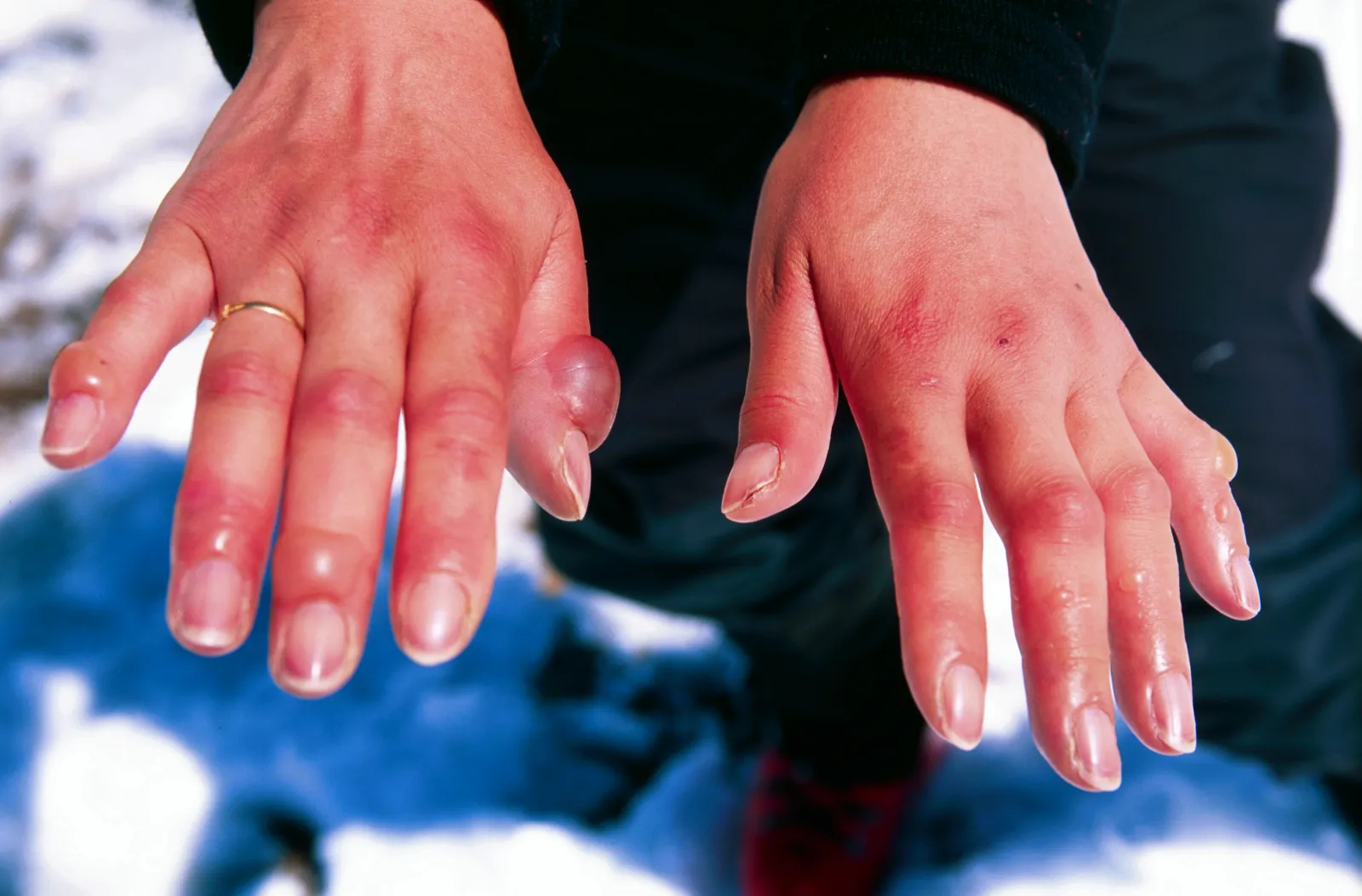
Loss of heat is one of the most serious dangers of winter storms. Hypothermia can occur indoors when temperatures drop, especially overnight. It doesn’t require a blizzard outside; a drafty room and a few hours are enough to create real danger for the very young, very old, or anyone not dressed properly.
Watch for signs of hypothermia, including uncontrollable shivering, memory loss, disorientation, incoherence, slurred speech, drowsiness, and apparent exhaustion. If symptoms are detected, get the victim to a warm location, remove any wet clothing, warm the center of the body first, and give warm, non-alcoholic beverages if the person is conscious. Get medical help as soon as possible.
Watch for signs of frostbite, which include loss of feeling and white or pale appearance in the extremities such as fingers, toes, earlobes, or the tip of the nose. If symptoms are detected, seek medical help immediately.
8. Handle Lighting Safely
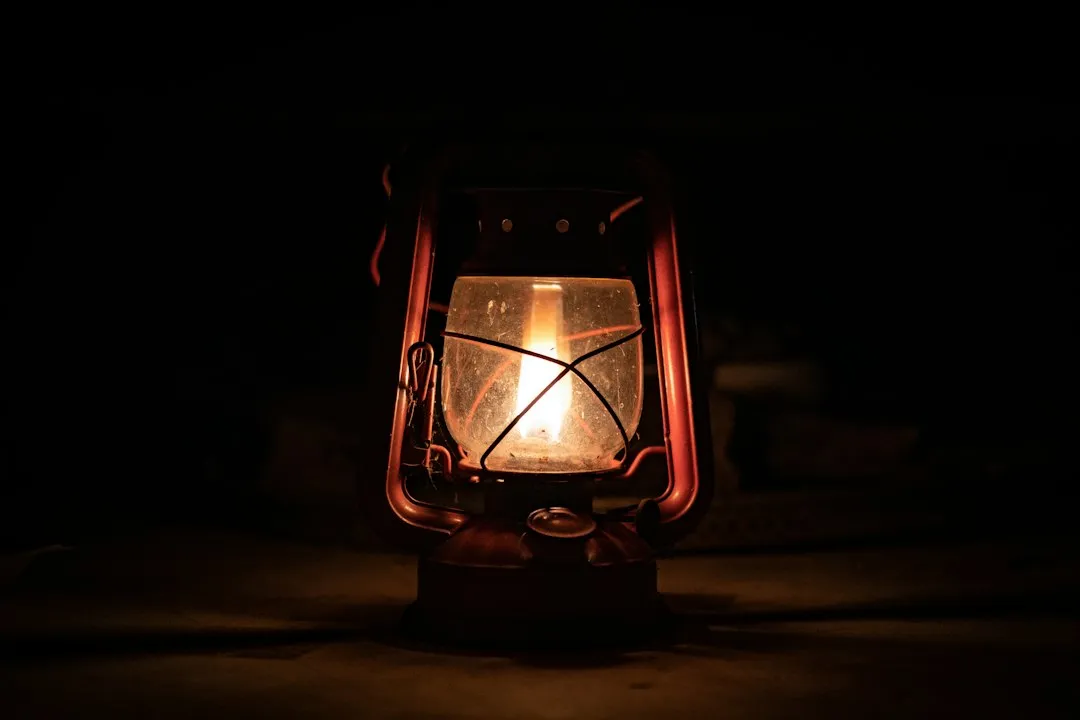
Power outage lighting solutions have improved dramatically in recent years. Modern LED lanterns can provide room-filling light for dozens of hours on a single set of batteries. Look for lanterns with adjustable brightness settings so you can conserve battery life when full brightness isn’t necessary.
Avoid candles if possible because they’re a fire hazard, especially when people are bundled up in extra clothing and blankets. Injuries and fatalities during outages may result from the use of candles, generators, or improvised heating devices indoors, as well as from carbon monoxide poisoning and fires.
Headlamps are incredibly useful because they free up your hands for tasks like cooking, reading, or making repairs. Keep one near each family member’s bed. This is a low-cost item that earns its place every single winter.
9. Manage Medications and Medical Devices
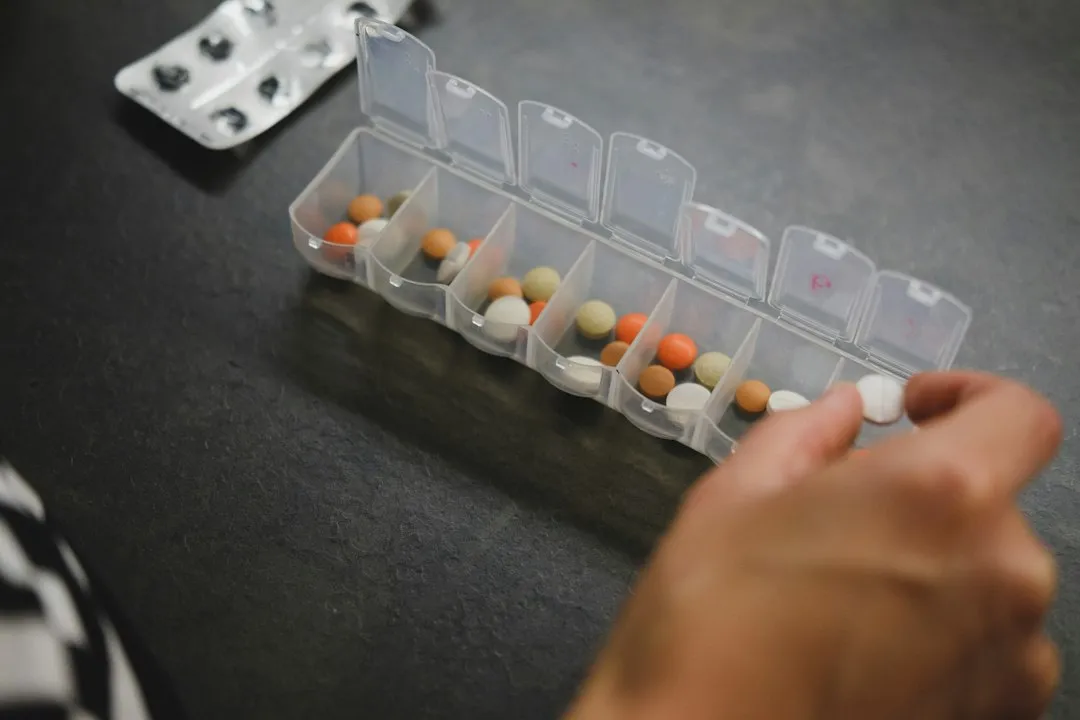
Have alternate plans for medications or medical devices if they require refrigeration or depend on power. This is one of the most overlooked areas of winter outage preparedness, and it can become critical within hours for people who rely on powered equipment.
Check with your pharmacist for guidance on proper storage during an extended outage if you have medication that requires refrigeration. Many pharmacists can advise on acceptable temperature ranges and safe holding times. Don’t wait until the outage is already underway to make that call.
A well-stocked first aid kit should include any prescription medications your family needs, plus a two-week supply if possible during winter months. Having extra on hand removes one major point of vulnerability when roads are icy and pharmacies may be closed.
10. Know When to Leave and Where to Go
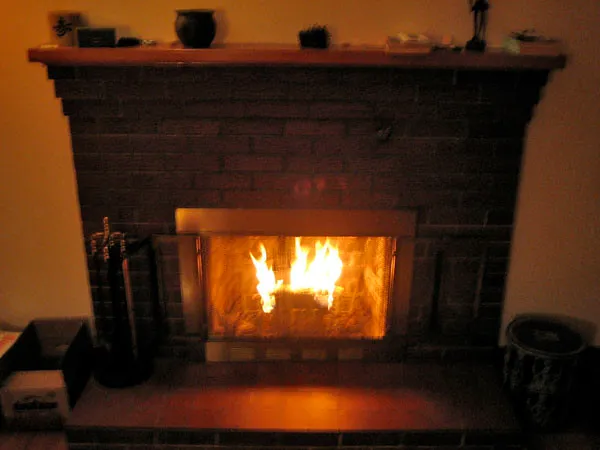
Check with your local or state officials to locate the nearest community location with power if you can’t safely heat your home. Most municipalities open warming shelters during extended outages, and local emergency management agencies typically broadcast their locations via radio and text alert systems.
Food and water access can become limited, and hazardous conditions on roads may delay utility crews from restoring service. If the outage stretches beyond several hours and indoor temperatures are dropping fast, leaving is not admitting defeat. It’s the right call.
A little preparation before the lights go out makes the difference between an uncomfortable night and a dangerous one. Knowing your local shelter options in advance, before any storm, means you can act quickly instead of searching in the dark.
The Takeaway
AI Disclaimer: This article was created with the assistance of AI tools and reviewed by a human editor.