

Every year, tens of millions of Americans pack their bags, lock up, and head off for the holidays. It’s a ritual filled with anticipation, and for most people, home is the last thing on their minds once they’re out the door. That’s exactly the problem.
The season that brings so much warmth also brings real risk. Videoloft reports that nearly 6 million U.S. property crimes occurred in 2024, with December emerging as the peak month due to increased travel and online shopping. A few deliberate steps before you leave can make all the difference between a relaxing trip and an unwelcome homecoming.
1. Lock Every Entry Point, Not Just the Front Door
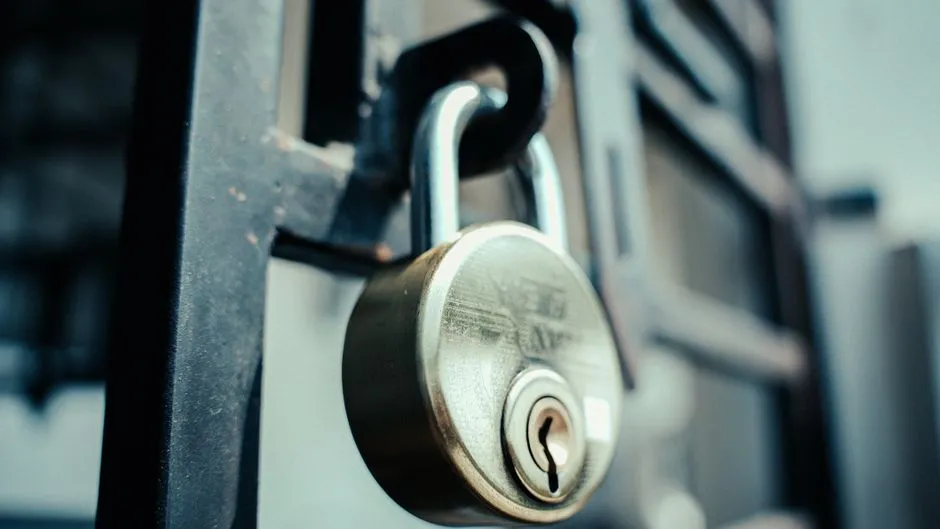
This sounds obvious, but the details matter more than most people think. Home security company ADT reports that in roughly one third of burglaries, offenders simply twist the doorknob of their target house and walk inside, while nearly one quarter access the home through an open first-floor window. A quick walk-through of every room, checking windows, sliding doors, and back entrances, takes only a few minutes.
Before leaving, test security systems, lock all access points, secure valuable items, and arrange for a trusted person to check the property regularly. Ask a reliable neighbor to report suspicious activity and collect any visible post. Secure all perimeters and outbuildings when leaving by locking side gates and putting away tools or ladders that could assist entry to upper stories.
2. Make Your Home Look Lived In

An empty home isn’t just lonely. It’s a target. The Department of Justice reports that homes left obviously unoccupied are two and a half times more likely to be targeted for burglary, according to the Bureau of Justice Statistics Criminal Victimization Report.
When you know you’re going to be away, a few simple tricks can make it appear that someone is home. Consider putting a timer on your porch lights, garage lights, and at least one light on the main floor. According to American Family Insurance, unkempt lawns and overgrown shrubs can also make it appear like you haven’t been home for a while, increasing your risk of burglary.
3. Set Up or Test Your Security System

Research by the Home Office highlights that six out of ten intruders avoid properties fitted with an alarm system. That’s a compelling number, and it applies equally to camera systems and visible security signage. If you already have a system, test it before you leave rather than assuming it’s working.
According to Safe Home, roughly four out of five burglars check for alarms, and nearly three out of five will move on if they see one. You don’t need to invest in an expensive, high-tech system to protect your home. A majority of respondents who had committed a crime identified the lack of visible security measures as the top quality that makes a home a prime target. Almost as many noted a home’s seclusion or poor lighting.
4. Unplug Appliances to Prevent Fires
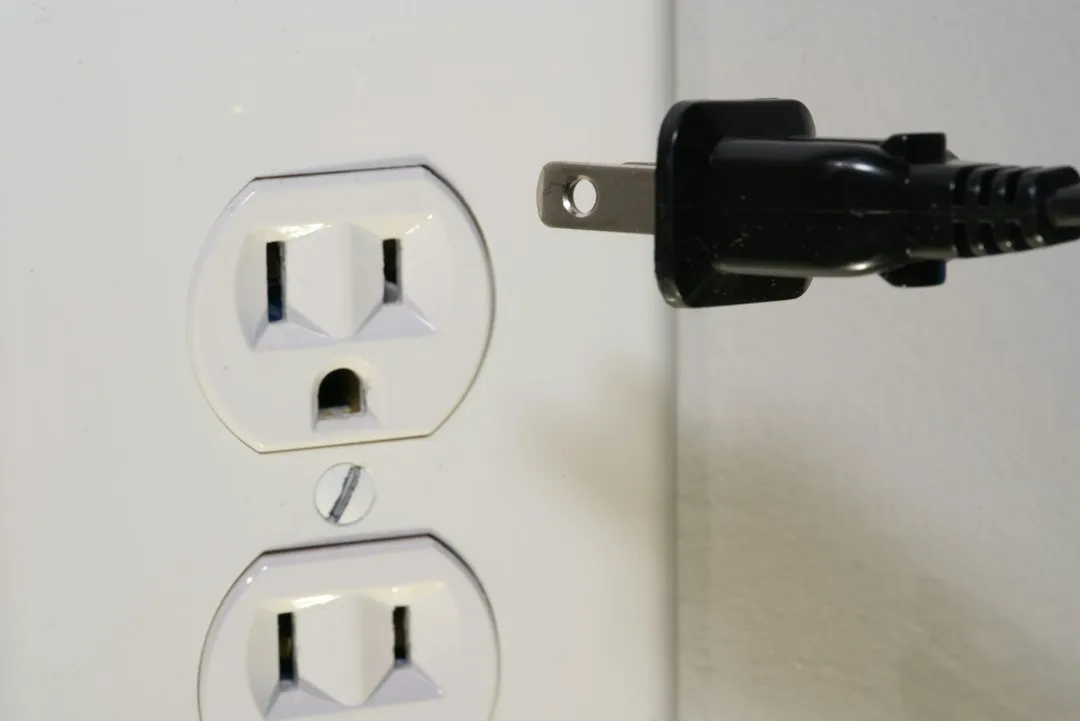
Burglary gets most of the attention, but fire is an equally serious risk when a home is left empty. Heating equipment alone causes nearly 40,000 home fires annually, according to the National Fire Protection Association. Many of those fires start with appliances that were simply left plugged in.
Fire safety experts advise homeowners to unplug anything that generates heat, retains heat, spins, charges, or continues drawing power before leaving an empty house. The National Fire Protection Association reports that most laundry-related fires involve the dryer, where lint buildup can clog airflow and cause the machine to overheat. At a minimum, unplug toasters, coffee makers, electric kettles, blenders, and food processors from the kitchen before leaving.
5. Pause Your Mail and Manage Package Deliveries

A pile of mail or packages sitting outside is one of the clearest signals a home is empty. A Security.org survey noted that roughly 49 million Americans, close to one in five, have had at least one package stolen in the past twelve months. That figure reflects how widespread and routine porch theft has become.
Stop your mail and newspaper deliveries, or have a neighbor pick them up regularly. Ask a trusted neighbor to bring in any mail or packages, move your car if it’s parked outside or park in your driveway occasionally, and consider pausing subscription services that could leave parcels on the doorstep. If you’re still concerned about package theft, schedule deliveries for when you’ll be home or have them sent to your workplace instead.
6. Keep Your Travel Plans Off Social Media
It might feel natural to share a pre-trip photo or announce your holiday plans online, but that information travels fast. Criminals may exploit publicly shared holiday plans, with photographs, check-ins, and posts announcing departure dates revealing exactly when a home is unoccupied.
The first rule of holiday travel is to not advertise your holiday travel. Keep information about where you’re going, when you’re leaving, and when you’ll be back off social media. Do not disclose your accommodation details, travel itinerary, or absence from home publicly in real time. Save the photos for when you’re back. The memories will still be there, and your home will be too.
7. Review Your Home Insurance Policy

Most homeowners don’t read their policy until after something goes wrong. That’s too late to be useful. Some home insurance policies have conditions for properties left empty for extended periods, so check the unoccupied-home rules before travelling. Certain policies reduce or void coverage after a set number of days without occupancy.
Take a few minutes to call your insurer or log into your account and confirm what you’re covered for during an extended absence. While you’re at it, document high-value items with photos or video in case you ever need to file a claim. Recorded footage can substantially strengthen claims made to insurers by offering clear video evidence.
8. Check for Water and Heating Risks
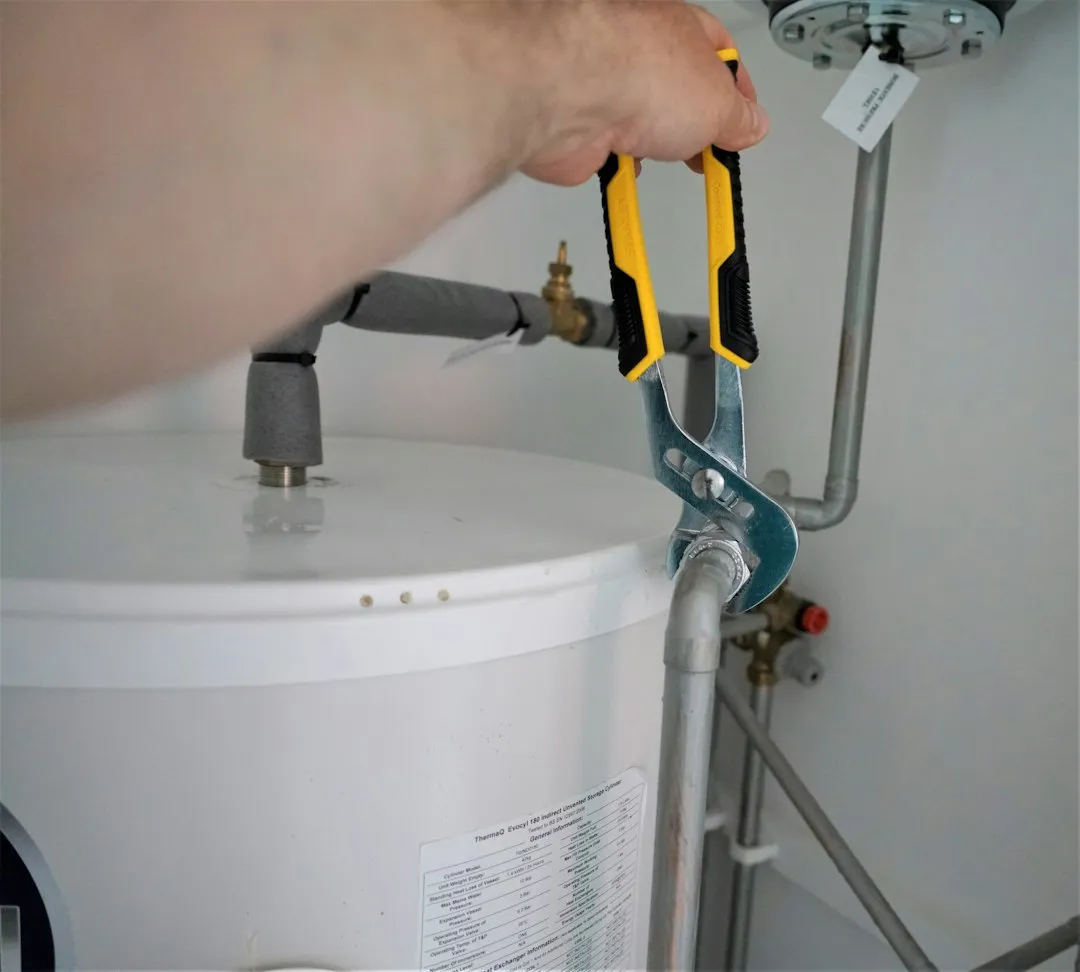
Water damage is quieter than a break-in but just as costly. According to 2024 research commissioned by HomeServe, more than half of homeowners have returned from holiday to at least one home disaster, with one in ten finding no heating, eight percent finding no hot water, and six percent facing electrical problems.
A slow leak, electrical fault, freezer failure, or power issue can cause damage long before anyone returns home. Test smoke and carbon monoxide alarms before leaving, keep fridges and freezers on if they are in use, and unplug non-essential appliances where safe. If you’re leaving in winter, set the thermostat to a minimum temperature to protect pipes from freezing.
9. Arrange a Trusted Person to Check In
Having eyes on your property while you’re away is one of the most effective and underused precautions people skip. Research from Allianz Australia found that less than half of those leaving for holidays will ask someone to check on their property, leaving many homes potentially vulnerable. It’s a surprisingly easy step that most people simply forget to take.
Police recommend asking a trusted neighbor, friend, or relative to keep an eye on the property, collect post, and bring in any parcels left outside. Ask them to report suspicious activity, collect visible post, and monitor unusual activity around the premises. Even a single visit per day can significantly reduce the appearance of an empty home.
10. Remove Spare Keys from Obvious Hiding Spots
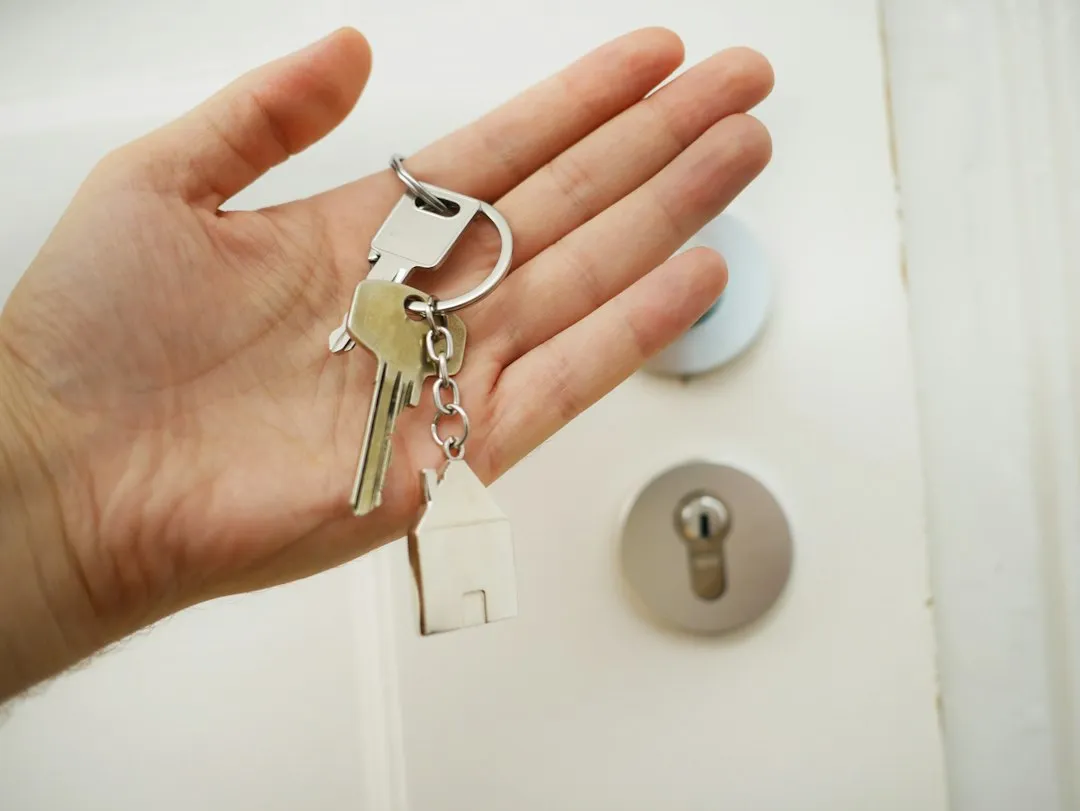
The fake rock, the doormat, the flowerpot by the porch. These are not secrets. Don’t hide spare keys in mailboxes or planters, or under doormats. Experienced burglars know every common hiding spot, and checking them takes seconds.
Ensure that alarm systems, cameras, and security lighting are functioning, and do not leave spare keys in predictable hiding places. If a trusted neighbor or friend is checking in on your home, hand them a key directly rather than leaving one outside. Collect any spare keys from outside before you leave for vacation and keep them somewhere secure or with someone you genuinely trust.
The Takeaway
The holiday season is genuinely worth protecting. According to Allianz insurance claims data, theft claims during the Christmas and New Year holiday window have run significantly higher than in the weeks that follow, underscoring just how concentrated the risk really is.
None of these steps require much time. A solid pre-departure routine, say thirty minutes of focused attention before you load the car, covers most of the basics and can prevent weeks of headache on your return. Think of it less as a chore and more as the final item on your packing list. Everything else can wait. This one shouldn’t.
AI Disclaimer: This article was created with the assistance of AI tools and reviewed by a human editor.